Differences in boldness between Eurasian and American wolves (Canis lupus) might be based on adaptive mechanisms
Hana Tebelmann, Udo Ganslosser

TL;DR
The study found that North American wolves are bolder than Eurasian wolves, suggesting evolutionary adaptations based on subspecies differences.
Contribution
The study introduces novel insights into subspecies-specific boldness in wolves using captive populations and validated behavioral tests.
Findings
North American wolf subspecies show significantly higher boldness compared to Eurasian subspecies.
Inter-subspecies differences in boldness traits are more pronounced than within-group or individual differences.
Boldness and related personality traits vary significantly between pure wolves and wolf hybrids.
Abstract
Boldness – defined as the propensity of individuals to take risks – is a key research area within animal behavioural studies, significantly affecting adaptive strategies, habitat selection, foraging behaviour, reproduction, dispersal, and other crucial survival behaviours. Despite the extensive study of personality traits like extraversion and curiosity across various animal species, data on wolves (Canis lupus), particularly on the subspecies level, remains sparse. This study aims to bridge this gap by examining boldness and its associated personality traits in different wolf subspecies (Canis lupus lupus, Canis lupus arctos, Canis lupus lycaon) (n = 23), and wolf‐dog hybrids (n = 10), utilising novel object interaction tests and validated questionnaires previously applied to wild canids. Our results show significant differences in boldness as well as in related personality traits…
Genes, proteins, chemicals, diseases, species, mutations and cell lines named across the full text — each resolved to its canonical identifier and authoritative record.
Click any figure to enlarge with its caption.
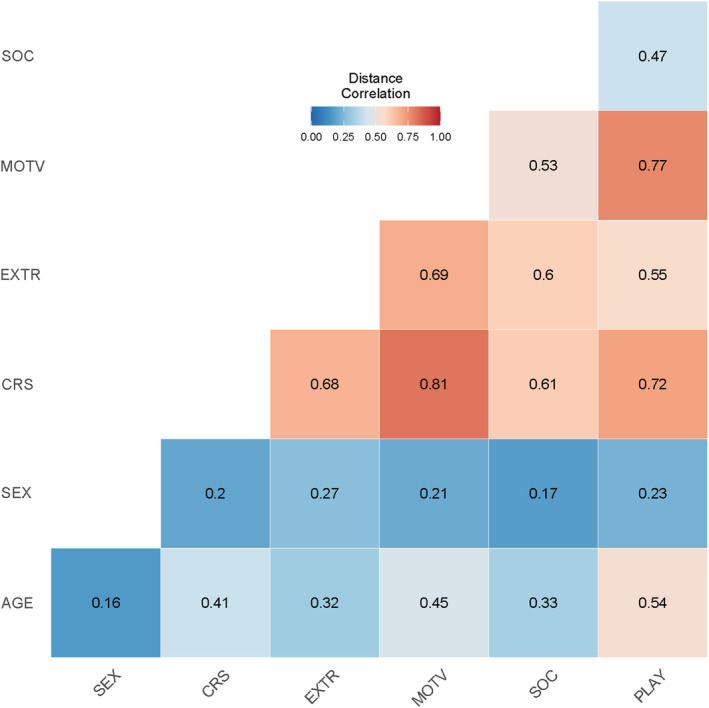 Figure 1
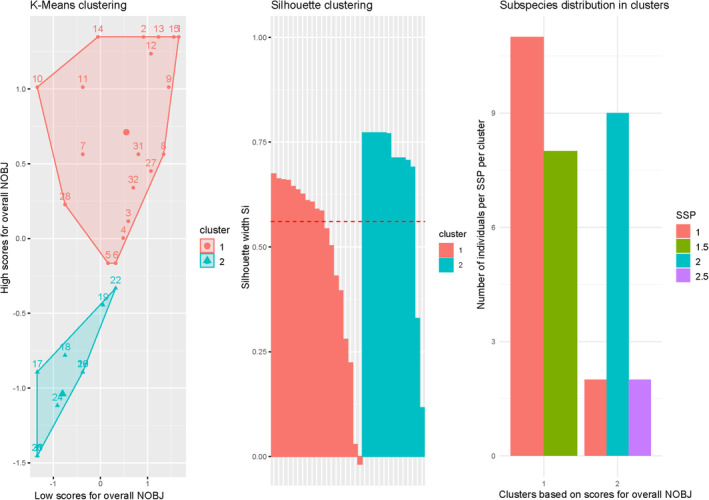 Figure 2
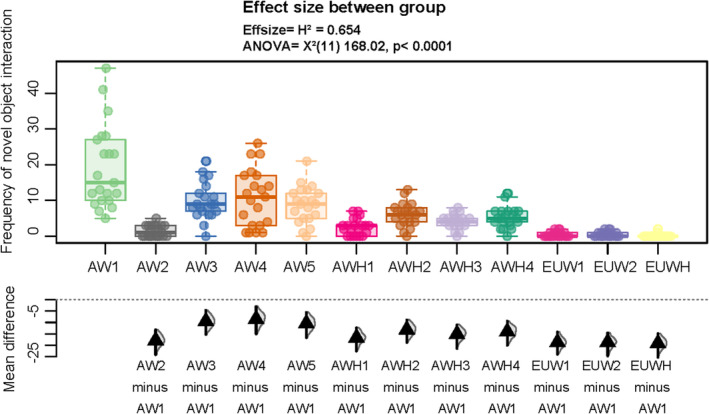 Figure 3
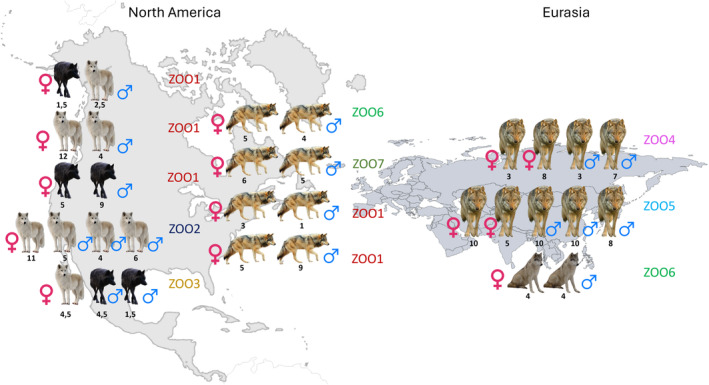 Figure 4
 Figure 5
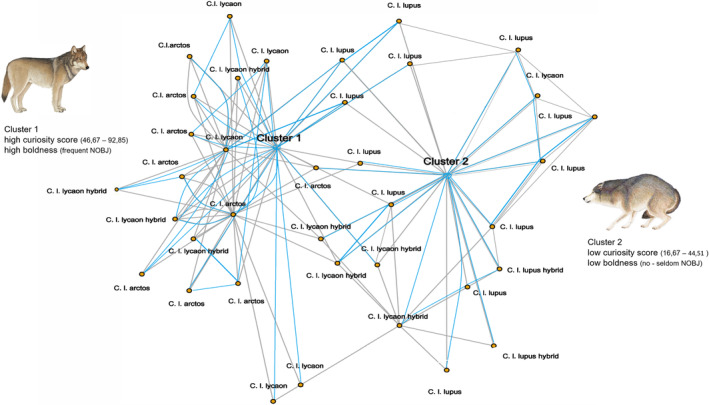 Figure 6
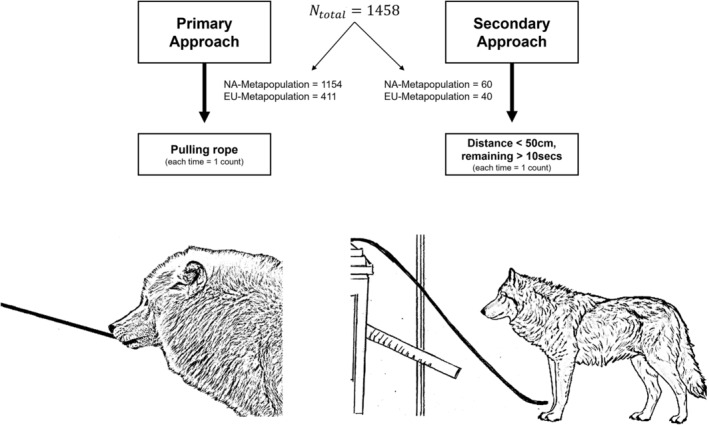 Figure 7
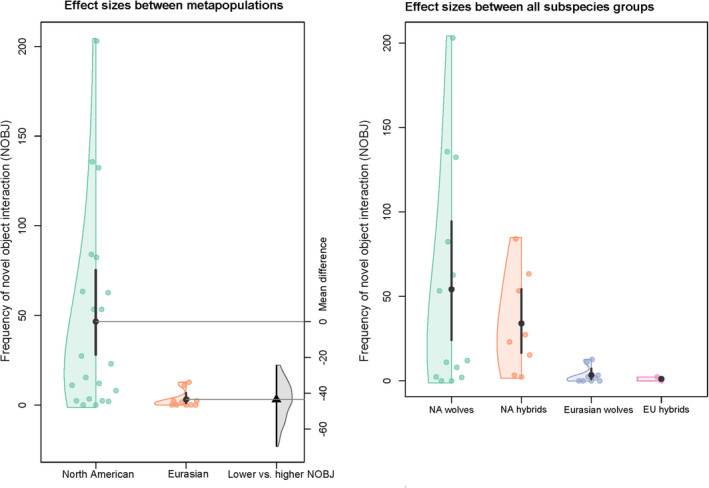 Figure 8
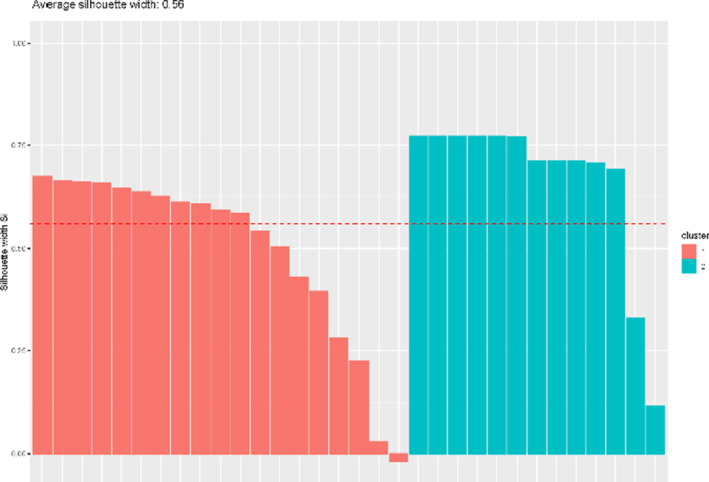 Figure 9
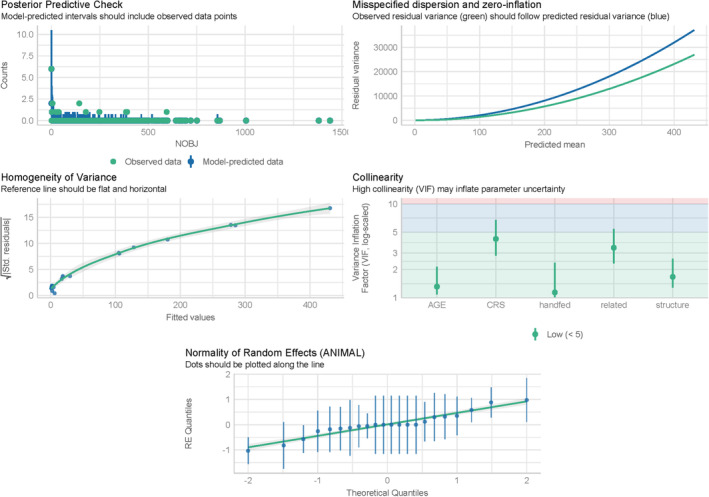 Figure 10
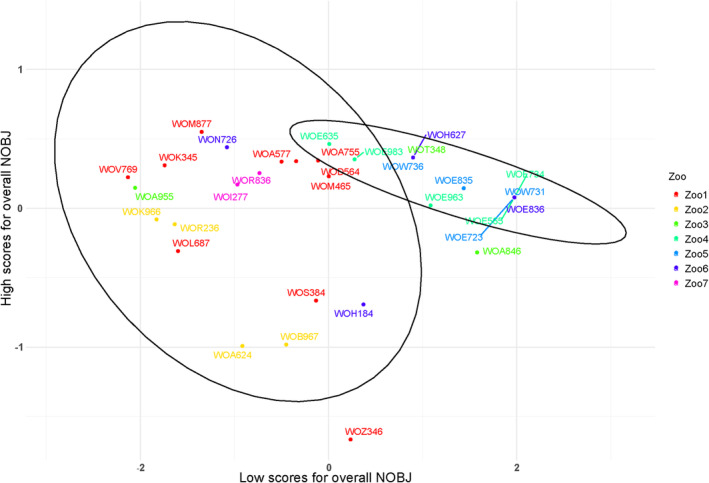 Figure 11
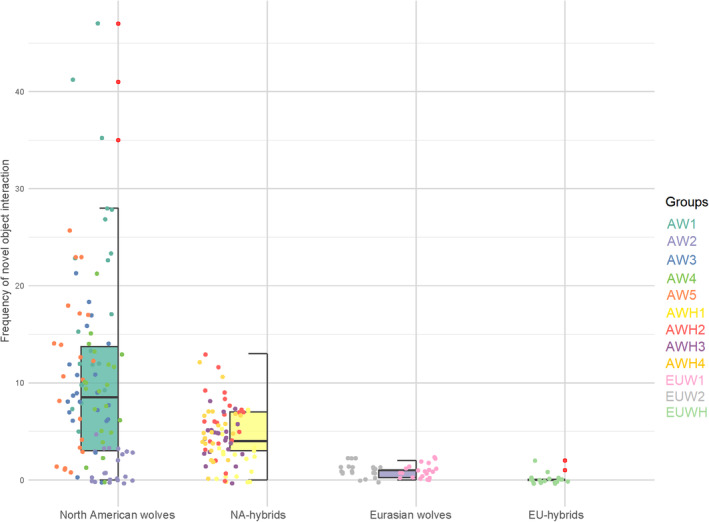 Figure 12
Peer Reviews
No public reviews on file for this paper yet. If you reviewed it on a platform where reviews are public (OpenReview, ICLR, NeurIPS, ICML), you can paste yours below so the community can read it here.
Videos
No videos yet. Explain this paper in a talk, walkthrough, or lecture? Add one.
Taxonomy
TopicsAnimal Behavior and Reproduction · Wildlife Ecology and Conservation · Animal Ecology and Behavior Studies