Interrelation of the spatial and genetic structure of tick‐borne encephalitis virus, its reservoir host (Myodes glareolus), and its vector (Ixodes ricinus) in a natural focus area
Lea Kauer, Gerhard Dobler, Hannah M. Schmuck, Lidia Chitimia‐Dobler, Martin Pfeffer, Ralph Kühn

TL;DR
This study explores how the genetics of ticks, rodents, and the tick-borne encephalitis virus interact in natural areas where the virus is maintained.
Contribution
The study reveals that rodent genetics, not tick genetics, significantly influence the long-term maintenance of tick-borne encephalitis virus foci.
Findings
Bank voles in long-term TBEV foci have unique genetic structures that influence virus maintenance.
Ticks show a panmictic genetic structure, suggesting no significant role in sustaining TBEV foci.
Landscape genetics suggest no physical barriers explain the genetic structure of bank voles.
Abstract
Tick‐borne encephalitis (TBE) virus is considered the medically most important arthropod‐borne virus in Europe. Although TBE is endemic throughout central Europe, ticks and rodents determine its maintenance in small, difficult‐to‐assess, natural foci. We investigated the interrelation between the population genetics of the main TBE virus (TBEV) vector tick (Ixodes ricinus), the most important reservoir host (Myodes glareolus, syn. Clethrionomys glareolus), and TBEV. Rodents and ticks were sampled on 15 sites within an exploratory study area, which has been screened regularly for TBEV occurrence in ticks for more than 10 years. On all 15 sites, ticks and bank voles were sampled, screened for TBEV presence via serology and RT‐PCR, and genetically examined. Moreover, TBEV isolates derived from these analyses were sequenced. In long‐term TBEV foci bank vole populations show extraordinary…
Genes, proteins, chemicals, diseases, species, mutations and cell lines named across the full text — each resolved to its canonical identifier and authoritative record.
Click any figure to enlarge with its caption.
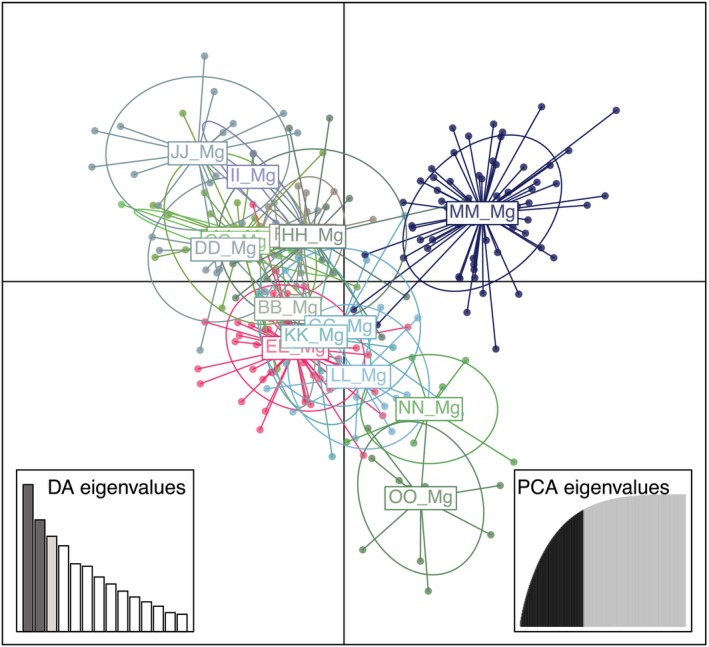 Figure 1
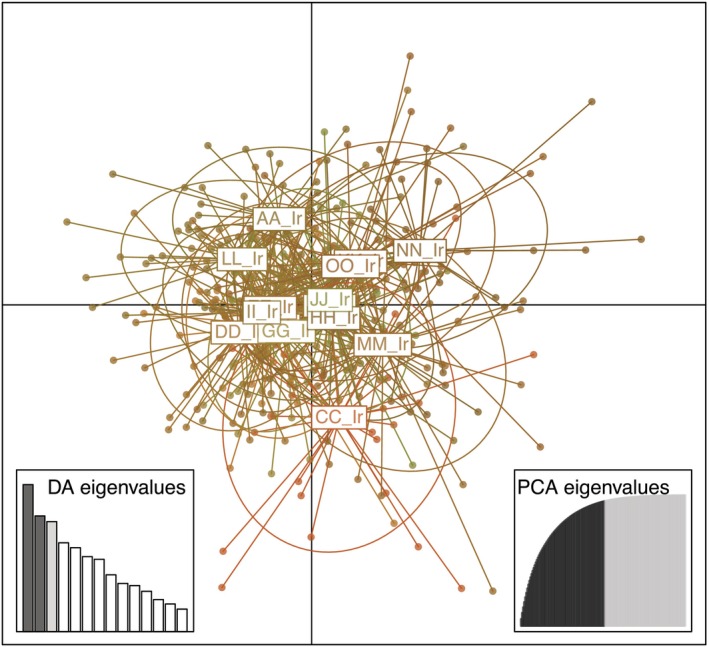 Figure 2
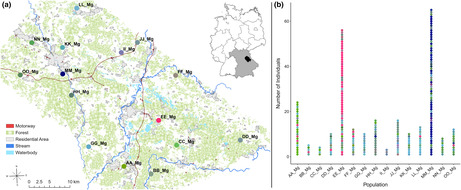 Figure 3
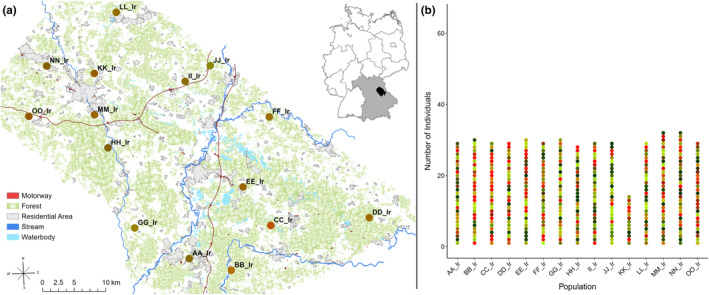 Figure 4
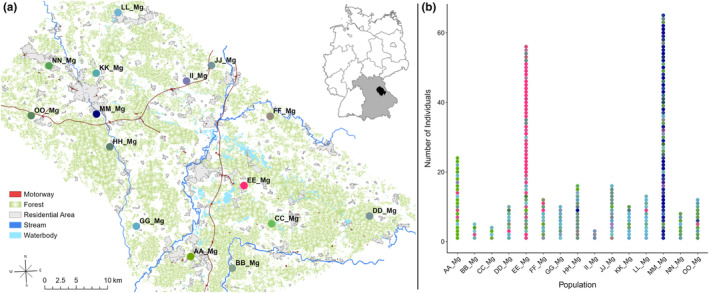 Figure 5
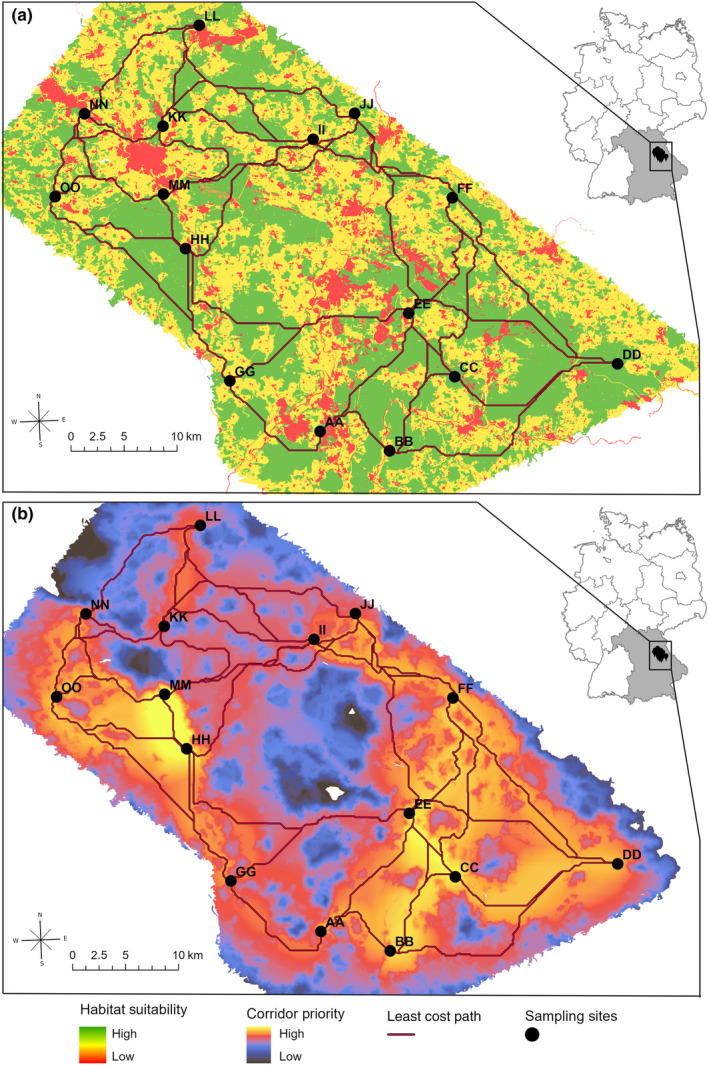 Figure 6
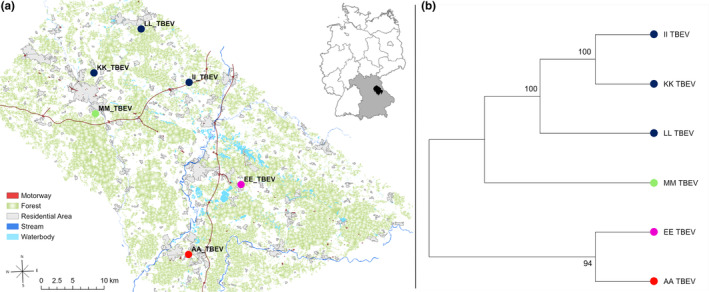 Figure 7
Peer Reviews
No public reviews on file for this paper yet. If you reviewed it on a platform where reviews are public (OpenReview, ICLR, NeurIPS, ICML), you can paste yours below so the community can read it here.
Videos
No videos yet. Explain this paper in a talk, walkthrough, or lecture? Add one.
Taxonomy
TopicsInsect and Pesticide Research · Vector-borne infectious diseases · Viral Infections and Vectors