Polysaccharide fraction from Triplostegia glandulifera Wall and its renoprotective effect in streptozotocin-induced diabetic mice by attenuating oxidative stress
Hai-Hui Guo, Lei Wu, Dan Mi, Xing-Yu Zhang, Fu-Mei He, Ting Lei, Fu-Sheng Wang

TL;DR
A polysaccharide from a traditional Chinese plant shows kidney-protecting effects in diabetic mice by reducing oxidative stress.
Contribution
The study identifies and evaluates a low molecular weight polysaccharide fraction (TGB) from Triplostegia glandulifera for its renoprotective effects in diabetic nephropathy.
Findings
TGB reduced oxidative stress and abnormal cell proliferation in high-glucose-induced kidney cells.
TGB improved glucose-lipid metabolism and kidney function in diabetic mice.
TGB showed better activity than TGC due to its lower molecular weight and antioxidant properties.
Abstract
Triplostegia glandulifera Wall (T. glandulifera) is an ethnomedicine commonly used by ethnic minorities in Yunnan, China, to treat kidney disease. However, there are few reports on the renoprotective effects of this substance, and the active ingredients remain unclear. In this study, we extracted the polysaccharide fractions TGB and TGC using the water extraction-alcohol precipitation method and determined their molecular weight (Mw) and monosaccharide composition. The study investigated the protective effects of TGB and TGC fractions against diabetic nephropathy (DN) using an in vitro high glucose-induced HRMCs model and an in vivo STZ-induced diabetic mouse model. HPLC analysis revealed that TGB contained D-galacturonic acid, D-glucose, D-galactose, and D-arabinose, and had a lower Mw than TGC. In vitro, TGB showed concentration-dependent antioxidant activity and effectively reduced…
Genes, proteins, chemicals, diseases, species, mutations and cell lines named across the full text — each resolved to its canonical identifier and authoritative record.
Click any figure to enlarge with its caption.
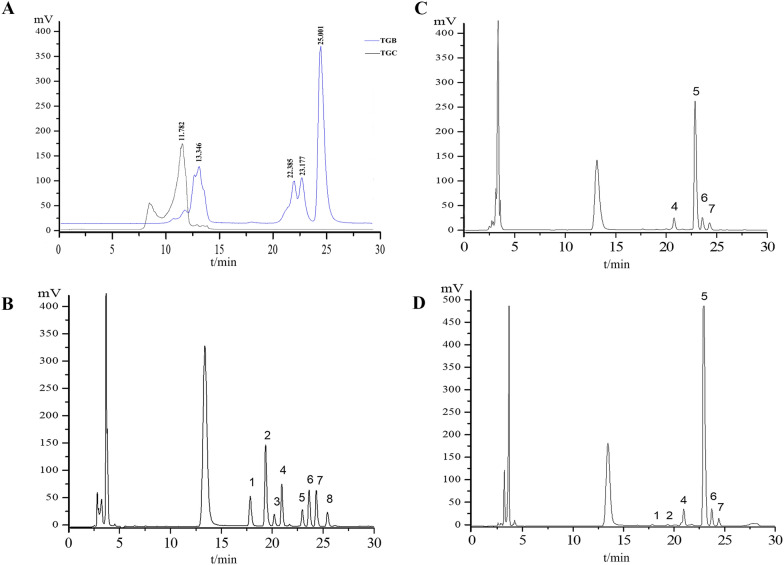 Figure 10
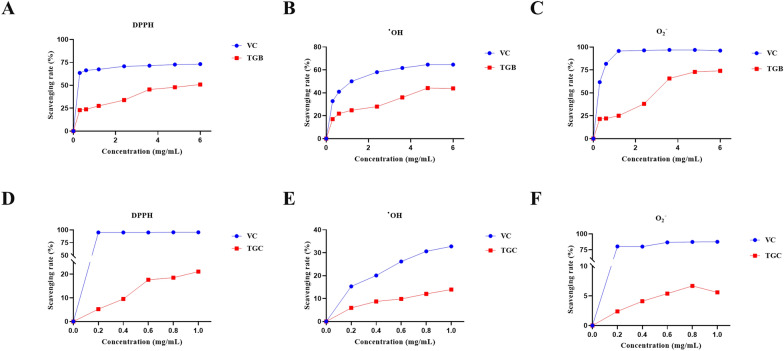 Figure 1
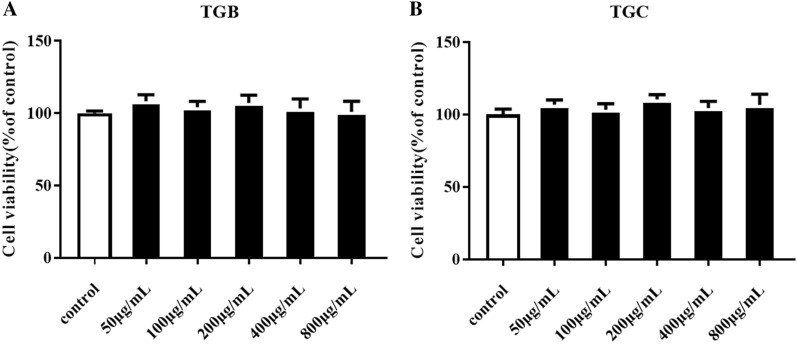 Figure 2
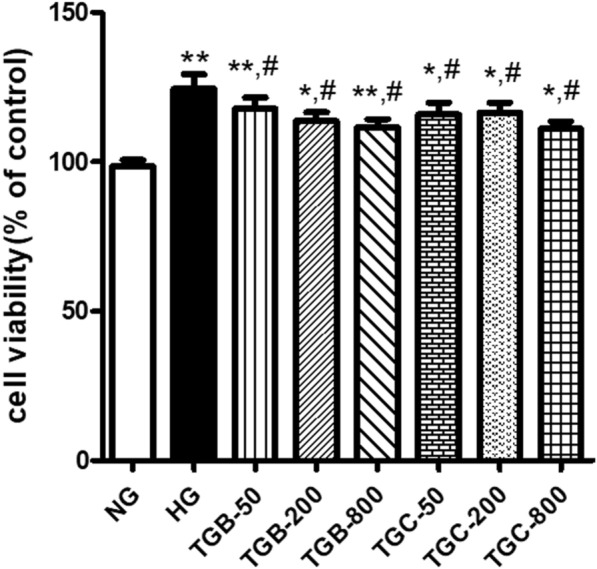 Figure 3
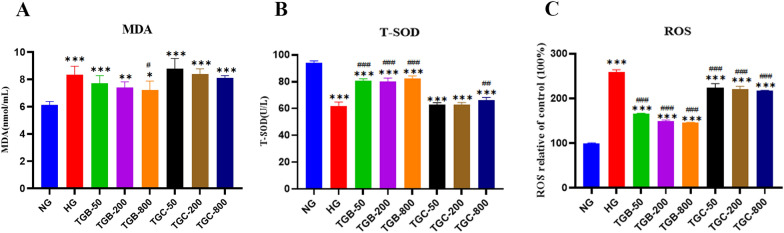 Figure 4
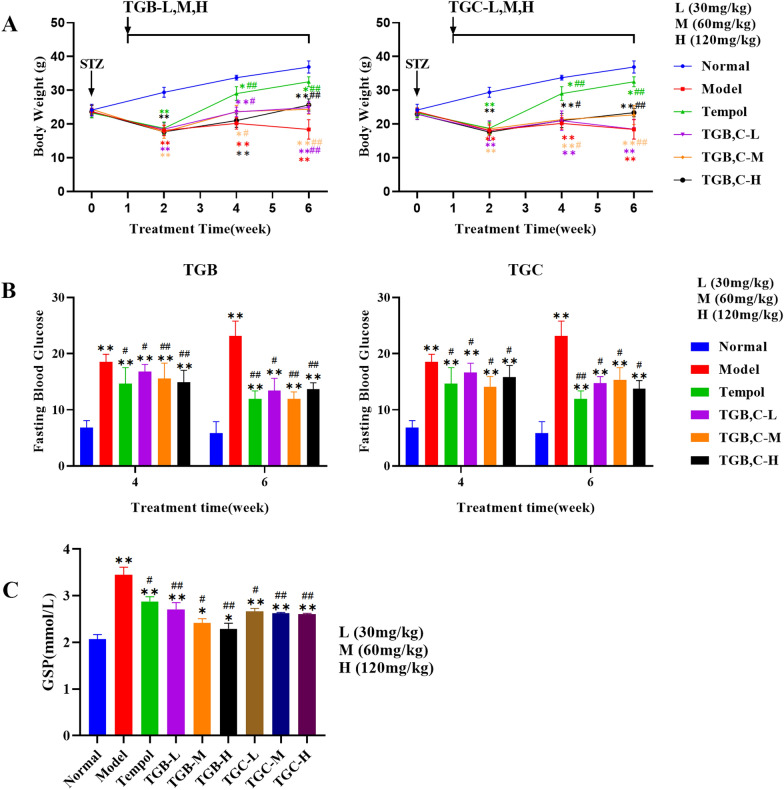 Figure 5
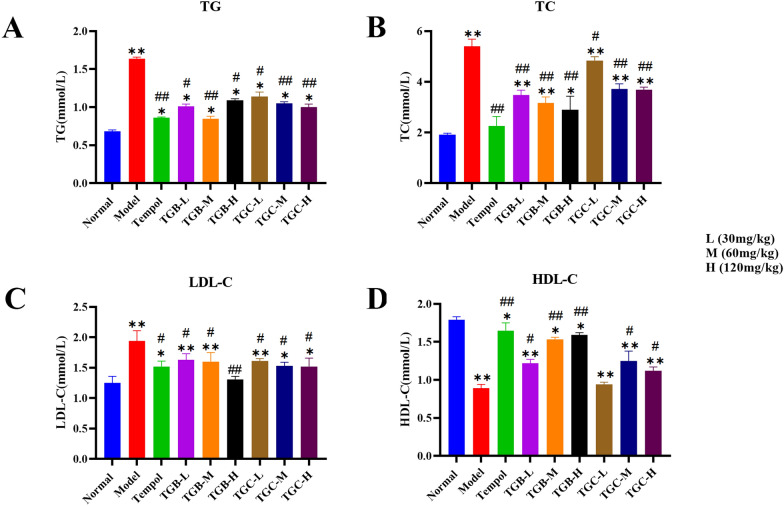 Figure 6
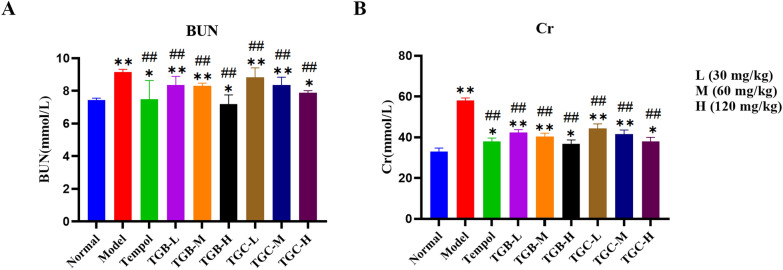 Figure 7
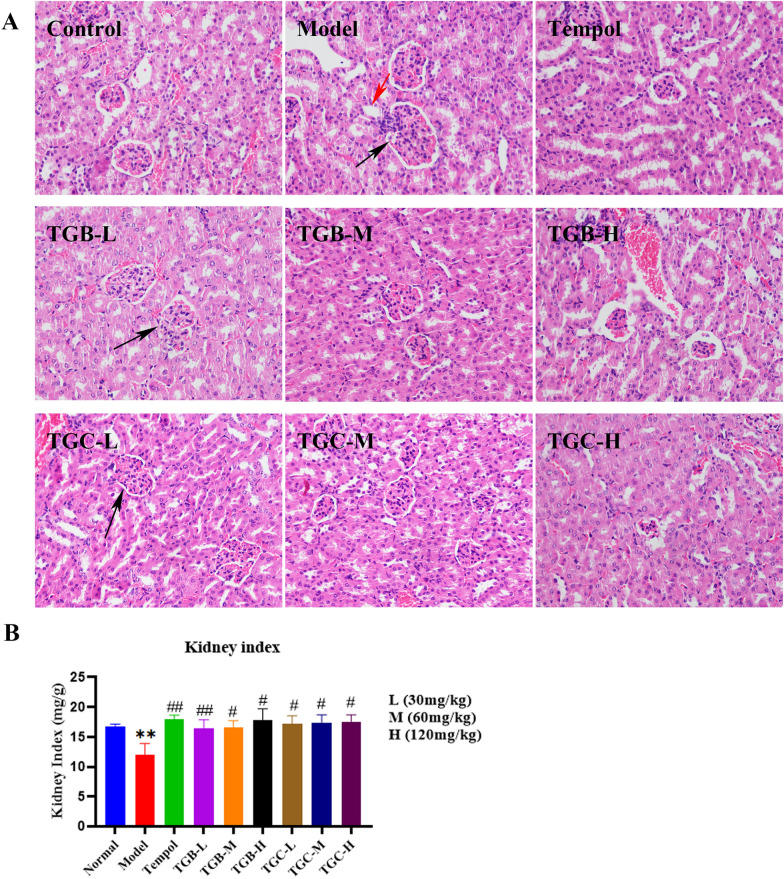 Figure 8
 Figure 9
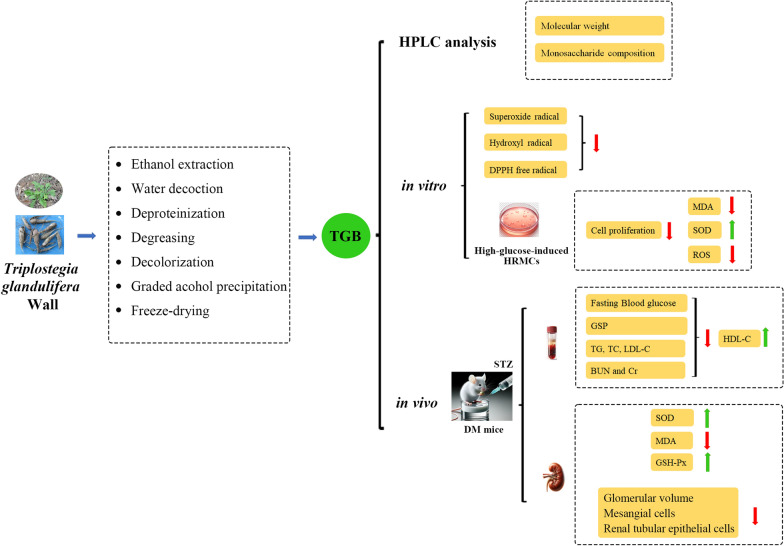 Figure 11
Peer Reviews
No public reviews on file for this paper yet. If you reviewed it on a platform where reviews are public (OpenReview, ICLR, NeurIPS, ICML), you can paste yours below so the community can read it here.
Videos
No videos yet. Explain this paper in a talk, walkthrough, or lecture? Add one.
Taxonomy
TopicsPolysaccharides and Plant Cell Walls · Chronic Kidney Disease and Diabetes · Biomedical Research and Pathophysiology