Reversal of type 2 diabetes mellitus through integrated Ayurveda dietary protocol – A case report
Suketha Kumari, Basavaraj R. Tubaki, Rekha S. Patil, S.D. Laxmikant

TL;DR
A 31-year-old woman with severe type 2 diabetes successfully reversed her condition using an Ayurveda-based diet and yoga, without medication.
Contribution
This case report demonstrates the reversal of T2DM using an integrated Ayurveda dietary protocol and yoga in an Indian context.
Findings
HbA1c levels dropped significantly from 13.5 to near normal.
Weight, BMI, and waist circumference decreased substantially.
Insulin resistance improved as indicated by reduced HOMA IR.
Abstract
Type 2 Diabetes Mellitus (T2DM) is a chronic metabolic disorder of hyperglycemia has close link with obesity and insulin resistance. Standard approaches in T2DM management are lifestyle management and Pharmacotherapy. Dietary management in T2DM was found to be safe and effective. In India, studies on reversal of T2DM through diet were less found. Presenting a case of female aged 31 years with T2DM (HbA1c-13.5) was successfully reversed diabetes with dietary principles of Indian traditional medicine (Ayurveda diet) and therapeutic yoga practices. Pre and post assessment of Glycaemic parameters (HbA1C, FBS, and PPBS), Lipid profiles, Insulin resistance parameter (HOMA IR) were done. Major outcome of this case is greater reduction of HbA1c from inadequate control to near normal. Marked changes observed in weight, BMI and Waist circumference. A change in Homa IR indicates improvement in…
Genes, proteins, chemicals, diseases, species, mutations and cell lines named across the full text — each resolved to its canonical identifier and authoritative record.
Click any figure to enlarge with its caption.
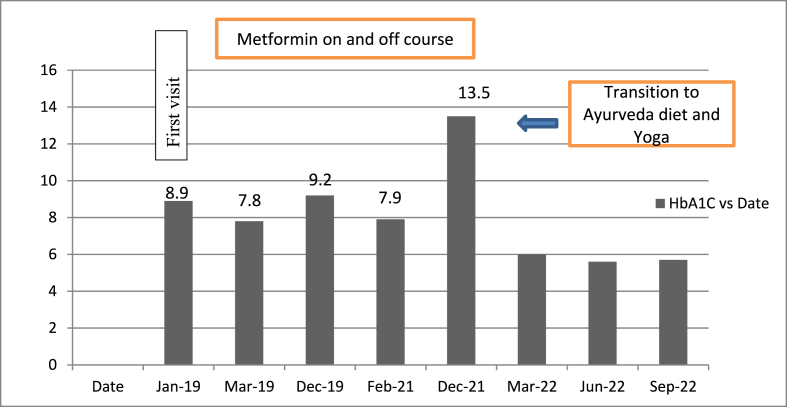 Figure 1
Peer Reviews
No public reviews on file for this paper yet. If you reviewed it on a platform where reviews are public (OpenReview, ICLR, NeurIPS, ICML), you can paste yours below so the community can read it here.
Videos
No videos yet. Explain this paper in a talk, walkthrough, or lecture? Add one.
Taxonomy
TopicsPharmacology and Obesity Treatment · Diabetes Treatment and Management · Diet and metabolism studies
Introduction
1
Type 2 Diabetes Mellitus (T2DM) is a chronic metabolic disorder associated with hyperglycemia, often linked to obesity and insulin resistance [1]. Approximately 50% of T2DM patients fail to achieve adequate glycemic control [Glycated hemoglobin (HbA1c < 7%)] [2] which is often attributed to poor adherence to oral hypoglycemic agents [3] primarily due to their adverse events [4]. Also, adherence to medication alone may not prevent the disease progression [5]. The standard approach to T2DM involves lifestyle management and pharmacotherapy. The American Diabetic Association (ADA) recommends various diets like Mediterranean, DASH, low-carbohydrate, and vegetarian diets in the US and Europe [6]. However, studies on dietary management of T2DM in India are limited [7]. Medical Nutrition Therapy (MNT) offers an evidence-based approach [8], but its implementation faces challenges. Globally, lifestyle interventions are not universally practiced [9], and in India, less than 5–10% of physicians recommend dietary intervention as the first-line management for T2DM [10] (see Table No.1, Table No.2).Table No.1Timeline of treatment modalities and measured health parameters at each follow upTable No.1Date of visitClinical eventsTreatment at the time of visitFBS (mg/dl)PPBS (mg/dl)HBA1C (%)Weight (KG)Waist circumference (cm)BMIJan 2019Dry palate, perspiration, PolyuriaFirst diagnosis2122848.978–30.1March 2019Previous symptoms reduced, complaints of bloating and often hypoglycemic episodesMetformin 1000mg two times a day1341687.875–28.9December 2019Polyuria and polyphagia symptomsNot on medication(self-dropped)1922989.276–29.3February 2021Previous diabetic symptoms reduced. Had complaints of bloating and frequent unsatisfactory bowel movementsOn metformin 1000mg twice a day(restarted medication on self)1281927.969–26.6December 2021Frequent urination, excessive perspiration and dryness of palate. Stressful mental statusNot on medication(self-dropped)32139613.5689926.2January 2022Asymptomatic stage. Bowel –clear and mental status-occasional stressful episodesOn Ayurveda diet and Yoga138189–669825.5February 2022Asymptomatic stage. Bowel-clear. Occasional stressful episodesOn Ayurveda diet and Yoga129146–649824.7March 2022Asymptomatic stage. Bowel-clear. Occasional stressful episodesOn Ayurveda dietYoga9710166197.623.5May 2022Asymptomatic stage. Bowel-clear. No stressful episodesOn Ayurveda dietYoga108126–5996.222.8June 2022Asymptomatic stage. Comfortable, good energy levelOn Ayurveda DietYoga1021145.6589522.4July 2022Asymptomatic stage. Comfortable, good energy levelOn Ayurveda DietYoga98123–5694.821.6September 2022Asymptomatic stageOn Ayurveda DietYoga1061155.75594.421.2Table No.2Yoga intervention prescribedTable No.2SI. NoYoga practiceEffects1Breathing Practices (5 min)Rapid breathing–Hand stretch breathing, Tiger stretch breathing2Loosening practices (5 min)–StandingPadahastasana-Ardha chakrasana vyayama, Trikonasana vyayama, Kati parivartana vyayama (spinal twist)SittingChakki chalanaBhunamanasanaSupinePawana muktasanaProneDhanurasana swing3Relaxation (5 min)Instant relaxation technique4Suryanamaskara (5 min)12 stepsDecreases hip circumference, helpful in glycemic outcomes [11]5Asanas (10 min each)StandingArdhakati chakrasanaImproves functioning of insulin receptor cells, helps to increase glucose uptake by muscles [12]Parivrtta trikonasanaSittingVakrasanaArdha matsyendrasanaProneBhujangasanaDhanurasanaSupinePawanmuktasanaMatsyasana6Relaxation (10 min)Deep relaxation technique7KriyaKapala bhatiAbdominal pressure created during exhalation improves the efficiency of β-cells of the pancreas [12]8Pranayama (10 min)Nadi shuddhiImproves health related fitness, body fat percentage etc. [12]Bhramari pranayamaOm chanting9Meditation (20 minutes)Cyclic meditationHas benefits in stress management [13]
Presenting a case of a female with poorly controlled T2DM (HbA1c-13.5), successfully reversed using the dietary principles of Indian traditional medicine (Ayurveda diet) and therapeutic yoga practices. The diet comprised time restricted food intake, major meals of low glycemic index millet dishes, herbal smoothies and more green based salads and sprouts. Yogic practice encompassed yogic postures, breathing, & meditative techniques practiced for 60 minutes a day.
The novel treatment method, which focused on lifestyle change and incorporated Ayurveda dietary principles and yogic treatment, successfully reversed T2DM without causing long term side effects while also promoting holistic health improvement.
Patient's information
2
A 31-year-old female homemaker visited to diabetic specialty OPD on December 3, 2021, with the complaints of excessive perspiration, more frequent urination, and dryness of the palate persisting for two years, aggravated in the last six months. Two years ago, elevated blood glucose levels were detected during a routine test and diagnosed with T2DM, and physician had prescribed metformin with a dose of 1000mg per day. With this medication intake, she experienced bloating, diarrheal episode, and hypoglycemic symptoms. This led to non-compliance with the medication intake. She had a family history of T2DM. She is non-hypertensive, has no history of any systemic illness.
Clinical findings
3
The patient was presented with frequent urination, excessive perspiration, and dryness of palate for 2 years, which had worsened over the last 6 months. Diabetic medication adherence had been inconsistent for 2 years and completely stopped for the last 6 months. The patient expressed feelings of loneliness, irritability, anger issues, and a general disinterest in life, indicating stress. Additionally, she had a history of primary infertility after 6 years of marriage. Her menstrual history revealed menarche at 14 years, irregular menstruation for the past 8 years (with a cycle of 45–50 days), and scanty bleeding. The patient weighed 68 kg, with a BMI of 26 kg/m^2^ and a waist circumference of 99 cm. Her body constitution was vatapitta prakrati.
Timeline
4
The of treatment modalities and measured health parameters at each follow up are given in Table no. 1.
Diagnostic focus and assessment
5
On her visit, an initial evaluation of glycemic parameters [FBS: 321 mg/dl, PPBS: 396 mg/dl, HbA1C: 13.5] revealed inadequately controlled T2DM. Lipid profiles and the insulin resistance parameter (HOMA IR) were checked at the beginning. Prior treatment-measured health parameters during metformin on and off course and during treatment parameters were summarized [Table No. 1]. HbA1C decline throughout the course of the Ayurveda diet and yoga depicted in Fig. 1.Fig. 1. HbA1c prior and During Ayurveda Diet and Yoga.Fig. 1
Therapeutic intervention
6
After a thorough analysis of the patient's history, we advised a plan to reverse her diabetic profile using ayurvedic principles of food and integrating a yoga protocol. Building upon our experience of witnessing reversal in many T2DM cases with this approach, we planned the same here with further refined methodology according to patient's body type, cultural beliefs, and acceptance.
The intervention strategy involved a personalized diet plan based on ayurvedic principles and therapeutic yoga. Motivation was provided through success stories and videos, along with handouts of recipes. Daily reminder messages were sent to enhance adherence. The patient attended weekly follow-ups at a diabetes specialty clinic for the first month, followed by monthly follow-ups for 9 months to track sustained improvement. The patient's symptoms were reduced after the initial month. The diet plan was based on Ayurvedic principles, incorporating nutrient-dense whole foods like millets and barley, soaked and sprouted beans and lentils, and healthy fats. It also includeed ayurvedic drinks, plant juices, and smoothies to support the reversal diet goals. Daily yoga sessions, conducted over 15 days by a certified instructor at our center, were complemented by one-hour nutritional counseling.
In therapeutic fasting, the patient was instructed to eat two major meals between 11 a.m. and 7 p.m. (upavasa-16-h fasting method). In the fasting period, any one of the following Ayurveda drinks was suggested: i.e, ash gourd juice, 1–2 glasses of copper-infused warm water, lemon water with apple cider vinegar, green tea (in moderation), or herbal-infused boiling water [added with Ayurveda herb powder, i.e. Y**ashtimadhu (Glycyrrhiza glabra Linn.), *Twak (*Cinnamomum zeylanicum Breyn Pennel), *Ela (*Elatteria cardamom maton), and Dhanyaka (Coriandrum sativum) filtered and used]. Two meals included low carbohydrate, medium protein, and healthy natural fat. We kept patient under Indian millet diet which included bajra (pearl millet), yava (barley), and diverse varieties of different millets, which made up 30% of her total meal using different preparations. We had incorporated 30–40% of the raw diet of herbal smoothies, chutneys, and salads. We primarily used pulses in the sprouted method. The first meal started with an herbal smoothie and a bowl of salad, followed by a millet lunch. Lunch had some good fat sources like ghee, coconut, flax, or peanuts in the form of chutney and nuts and seeds in salads. The patient was suggested to take herbal buttermilk at lunch. Dinner options predominantly contained soup made of moong, millet, barley, or quinoa, along with millet khichdi and kadhi (yogurt-based gravy). Whenever consuming food, she was advised to eat in a way that ensures fullness, wholesomeness, and satisfaction, aiming to keep the patient satiated for three to 4 h. If hunger strikes between meals, snacks based on lentils, pulses, and beans (e.g., sprout chat, fritters, peanut chat, ghee-roasted makhana) were recommended. These options are filling and do not cause a spike in insulin levels. The dietary intervention was designed to be palatable, easily accessible, and provide long-term sustainability for the patient. [Annexure-I]
A patient underwent 15 days of diabetic yoga training, supervised by a certified instructor. The program involved body-loosening practices, surya namaskara, yogic postures, and breathing techniques. The patient was encouraged to regularly report blood glucose levels, share food intake, and discuss challenges. Regular glucose checks and dietary modifications were made. Weight changes, BMI, and waist circumference measurements were also recorded.
This uniqueness of this strategy is combining therapeutic yoga with ayurvedic food concepts to treat T2DM. Ayurvedic treatment is tailored according to each person's unique body type and health status, with an eating plan based on acceptance, body type, and cultural values. The intervention includes various herbal drinks, herbal supplements, and upavasa, a novel method of purification and regeneration. Ayurveda emphasizes bhojana kala (meal frequency) and therapeutic fasting, which supports metabolic activity. Ayurvedic principles recommend foods high in barley, millet, greens, and good fat from seeds for diabetics. A therapeutic yoga program helps improve dosha balance and targets in managing diabetes.
Outcome and follow up
7
The following outcome measures obtained in this case: Serum HbA1C level (%), Fasting and Post prandial blood glucose level (mg/dl), Triglyceride level (mg/dl), Weight (kg), Waist circumference (cm) and BMI (kg/m^2^) Homa IR & Symptomatology.
The major outcome of this case is a significant reduction in HbA1c, shifting from inadequately controlled type 2 diabetes to near-normal levels. Noticeable reductions in fasting and postprandial blood glucose were observed. Weight, BMI, and waist circumference underwent marked changes, influenced greatly by the diet and yoga practices (Table No.1). No symptomatic episodes of hypoglycemia were noted during the intervention. The Ayurveda dietary intervention and yoga practices significantly impacted plasma triglyceride levels, decreasing from 170 mg/dl to 80 mg/dl post-follow-up. Improvements in Homa IR indicate a substantial reduction in insulin resistance, decreasing from 9.44 to 1.87.
After one month of diet and yoga intervention, the patient reported the regularization of micturition frequency, perspiration, and thirst. The same protocol continued for the next two months. Three months later, monthly follow-ups showed stable fasting and postprandial blood glucose levels, maintained for the entire six-month follow-up. Slight dietary modifications were then introduced, involving 3–4 days of therapeutic fasting weekly. On other days, the patient consumed a low-carbohydrate breakfast (moong or chickpea dosa, millet upma, sprout salad, organic egg recipes), while lunch and dinner remained unchanged. Occasional inclusion of brown or unpolished rice, low-glycemic index fruits, and vegetables compensated for cravings. Strict avoidance of Maida, wheat, sweets, ice-cream, chocolates, and bakery items was emphasized. Monthly examinations and lab recordings confirm the patient's comfort, good energy levels, and ability to perform household chores.
Discussion
8
The aim of diabetic reversal includes treating the root cause through lifestyle modifications. The present case report showed that the Ayurveda diet and yoga protocol significantly reduced diabetic symptoms and normalized poorly controlled glycemic parameters.
In Ayurveda, therapeutic fasting is a prime treatment modality in various diseases like obesity, skin disorders, diabetes, urinary disorders, and digestive disorders etc. Fasting told in Ayurveda acts by normalizing impaired Agni (digestive fire). It can be understood as how decreased consumption helps to utilize glycogen as first, then fat will be used for energy. Studies have shown that intermittent fasting decreases blood inflammatory markers and improve glucose regulation [14].
India has numerous nutritious millet varieties, rich in fiber with anti-inflammatory and antioxidant properties [15]. Ayurveda endorses versatile use of pulses and nuts in dosa, idli, snacks, cooked with herbal curries, made into salads, and chats. The diet incorporates ayurvedic herbs like cinnamon and liquorice as they boost metabolism and glucose and lipid control [16].
Yoga practices were incorporated into the patient's routine. Suryanamaskara and standing asanas rejuvenate pancreatic cells through alternating abdominal contraction and relaxation [12]. Yoga positively affects glucose utilization and fat redistribution in T2DM [17]. The patient experienced stress relief and reduced anxiety, likely due to yoga promoting tranquility, relaxation, and balanced energy [18]. The combined diet and yoga approach may work through insulin sensitization, anti-inflammatory, and antioxidant actions, with added benefits in stress reduction. This holistic approach also contributed to sustaining the reversal of diabetes, evidenced by stable glycemic parameters during the follow-up period. Overall, this integrated approach provides a comprehensive and effective diabetes management plan, emphasizing dietary changes, therapeutic fasting, physical exercise, and mindfulness practices based on Ayurvedic principles.
Patient perspective
9
The patient is symptom-free from T2DM, experiencing heightened energy levels with reduced cravings and hunger. Satisfied with healthy weight loss, she is accustomed to the diet and yoga protocol, leading to an improved quality of life and effective lifestyle management.
Informed consent for publication was obtained form the patient.
Conclusion
10
This case demonstrates the effectiveness of the ayurveda diet and yoga practices in reversing insulin resistance and maintaining glycemic parameters. Additionally, the patient lost around 13 kg of body weight, experienced a reduction in waist circumference, and lowered serum triglyceride levels. The patient was able to maintain a normal diabetic profile without the need for pharmacotherapy intervention.
Source of funding
Nil
Author Contributions
SK: Conceptualization, Methodology, Investigation, Resources, Writing - Original draft preparation, Writing - Reviewing and Editing, visualization, supervision, project administration. BRT: Methodology, Investigation, Supervision, Data curation, Writing - Reviewing and Editing. RP: Methodology, Investigation ,Supervision, Data curation, Writing - Reviewing and Editing. LSD: Methodology, Visualization, Writing - Reviewing and Editing, Data curation.
Declaration of generative AI and AI-assisted technologies in the writing process
During the preparation of this work the authors used chat GPT 3.5 AI assistance to grammar and readability. After using this tool/service, the authors reviewed and edited the content as needed and take full responsibility for the content of the publication.
Conflict of interest
None declared.
The reference list from the paper itself. Each links out to its DOI / PubMed record.
- 1Smushkin G.Vella A.What is type 2 diabetes?Medicine (Baltim)3811201059760110.1016/j.mpmed.2010.08.008PMID: 21151710; PMCID: PMC 3073595 PMC 307359521151710 · doi ↗ · pubmed ↗
- 2Polonsky WH Henry RR.Poor medication adherence in type 2 diabetes: recognizing the scope of the problem and its key contributors Patient Prefer Adherence 1020161299130710.2147/PPA.S 106821 PMID: 27524885; PMCID: PMC 496649727524885 PMC 4966497 · doi ↗ · pubmed ↗
- 3Egede LE Gebregziabher M Echols C Lynch CP.Longitudinal effects of medication nonadherence on glycemic control Ann Pharmacother 48520145625702458605910.1177/1060028014526362 · doi ↗ · pubmed ↗
- 4Marín-Peñalver JJ Martín-Timón I Sevillano-Collantes C Del Cañizo-Gómez FJ.Update on the treatment of type 2 diabetes mellitus World J Diabetes 717201635439510.4239/wjd.v 7.i 17.354PMID: 2766069527660695 PMC 5027002 · doi ↗ · pubmed ↗
- 5Brethauer SA Aminian A.Romero-Talamás H.Can diabetes be surgically cured? Long-term metabolic effects of bariatric surgery in obese patients with type 2 diabetes mellitus Ann Surg 2582013110.1097/SLA.0b 013e 3182 a 5034 b 24018646 PMC 4110959 · doi ↗ · pubmed ↗
- 6Davies MJD’Alessio DA Fradkin J Kernan WN Mathieu C Mingrone G Rossing P Tsapas A Wexler DJ Buse JB.Management of hyperglycemia in type 2 diabetes, 2018. A consensus report by the American diabetes association (ADA) and the European association for the study of diabetes (easd)Diabetes Care 411220182669270110.2337/dci 18-0033 Epub 2018 Oct 4. PMID: 3029110630291106 PMC 6245208 · doi ↗ · pubmed ↗
- 7Dixit JV Kulkarni RS Badgujar SY.Diabetes care in India: a descriptive study Indian J Endocrinol Metab 2542021 Jul-Aug 34234710.4103/ijem.ijem_260_21Epub 2021 Dec 15. PMID: 3513674335136743 PMC 8793955 · doi ↗ · pubmed ↗
- 8Pastors JG.Warshaw H Daly A Franz M Kulkarni K.The evidence for the effectiveness of medical nutrition therapy in diabetes management Diabetes Care 25200260861310.2337/diacare.25.3.60811874956 · doi ↗ · pubmed ↗