Northern blotting of endogenous full-length human-specific LINE-1 RNA
Maisa I Alkailani

TL;DR
This paper introduces a method to detect active LINE-1 RNA in humans using northern blotting with RNA probes.
Contribution
The novel contribution is an optimized method for detecting endogenous full-length LINE-1 RNA using RNA probes.
Findings
A classical long RNA probe can detect active LINE-1 RNA effectively.
Multiple short RNA probes offer an alternative detection method.
Optimized conditions make LINE-1 RNA detection practical.
Abstract
LINE-1 belongs to a family of DNA elements that move to new locations in the genome in a process called “retrotransposition.” This is achieved by a copy-and-paste mechanism with the aid of an RNA intermediate. The full-length LINE-1 is responsible for most retrotransposition activity in the human genome. Detecting the active LINE-1 RNA at the endogenous level is challenging due to its small percentage among inactive copies and its different forms of transcripts. Here, we describe a method of designing RNA probes to detect active LINE-1 by northern blotting and use optimized conditions and tools to make the detection practical. This method uses a classical long RNA probe and provides an alternative way to detect LINE-1 RNA using multiple short RNA probes. Graphical Abstract
Genes, proteins, chemicals, diseases, species, mutations and cell lines named across the full text — each resolved to its canonical identifier and authoritative record.
Click any figure to enlarge with its caption.
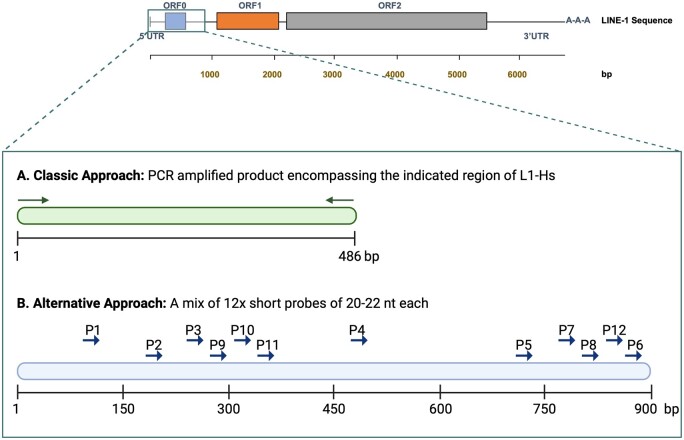 Figure 1
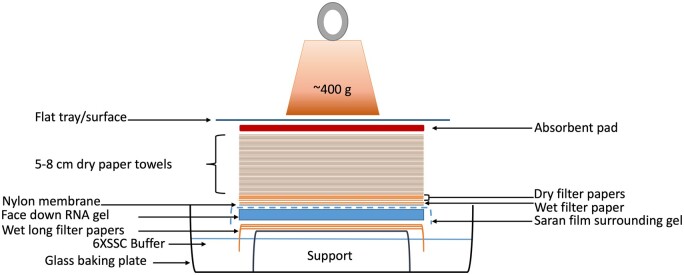 Figure 2
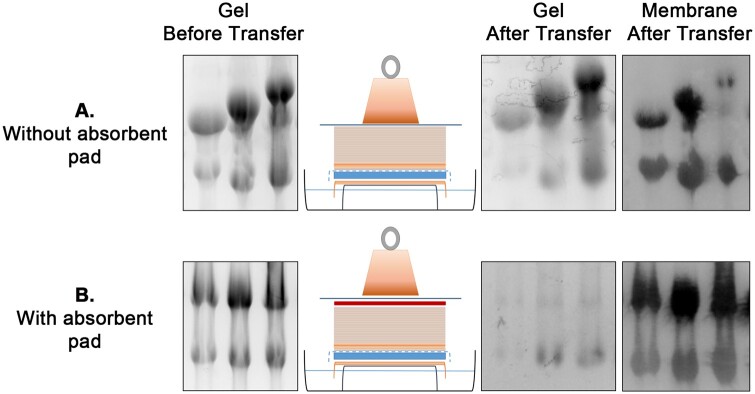 Figure 3
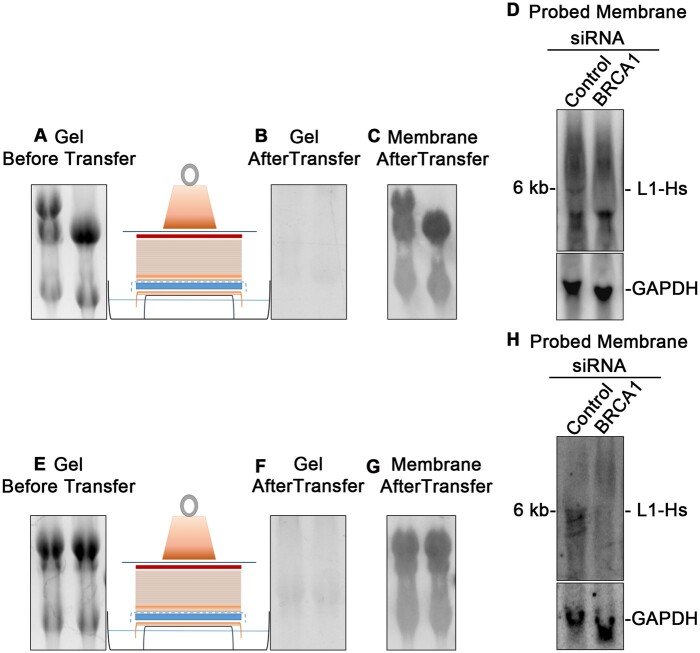 Figure 4
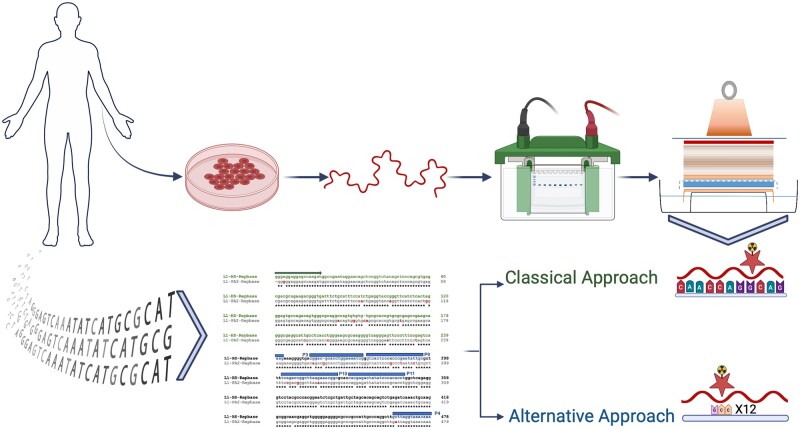 Figure 5
Peer Reviews
No public reviews on file for this paper yet. If you reviewed it on a platform where reviews are public (OpenReview, ICLR, NeurIPS, ICML), you can paste yours below so the community can read it here.
Videos
No videos yet. Explain this paper in a talk, walkthrough, or lecture? Add one.
Taxonomy
TopicsChromosomal and Genetic Variations · CRISPR and Genetic Engineering · RNA and protein synthesis mechanisms