Porta hepatis lymphnode mimicking biliary atresia: A case report
Elisamia Ngowi, Juliana Kwayu, Abduel Kitua, Mohamedraza Ebrahim, Naomi Mwamanenge, Yaser Abdallah

TL;DR
A 3-week-old infant with jaundice was found to have a lymph node blocking bile flow, mimicking biliary atresia, highlighting the need for careful diagnosis.
Contribution
This case report highlights a rare instance where an intrahepatic lymph node mimicked biliary atresia in an infant.
Findings
A lymph node was found to obstruct the common bile duct in a neonate with cholestatic jaundice.
The case emphasizes the importance of biopsies to avoid unnecessary surgery in diagnosing cholestatic jaundice.
Intrahepatic lymph nodes can present similarly to biliary atresia in infants.
Abstract
Cholestasis is the impairment of normal bile flow causing accumulation of bile salts, lipids, and bilirubin in blood which presents as Jaundice. Jaundice beyond 2 weeks of age is rare in infancy with worldwide incidence of 1 in 2500 live births. Biliary atresia is the most common extra hepatic cause of cholestasis in late neonatal and infancy period. Cholestasis and hyperbilirubinemia cause irreversible brain and liver damage if not diagnosed and treated early. A 3-week-old neonate presenting with progressive yellowish discoloration of eyes and skin. Explorative laparotomy found anatomically normal liver and biliary tree, but a lymph node obstructing the common bile duct. This case was particularly unique as history of illness and initial investigations were suggestive of biliary atresia. However, the patient had lymph nodes with no history of any triggers to lymphadenopathy. It is a…
Genes, proteins, chemicals, diseases, species, mutations and cell lines named across the full text — each resolved to its canonical identifier and authoritative record.
Click any figure to enlarge with its caption.
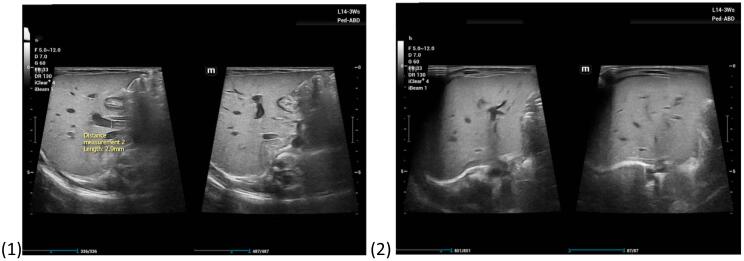 Figure 1
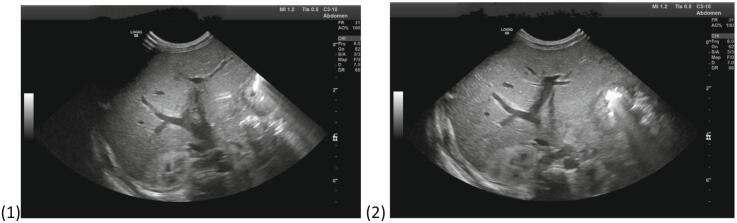 Figure 2
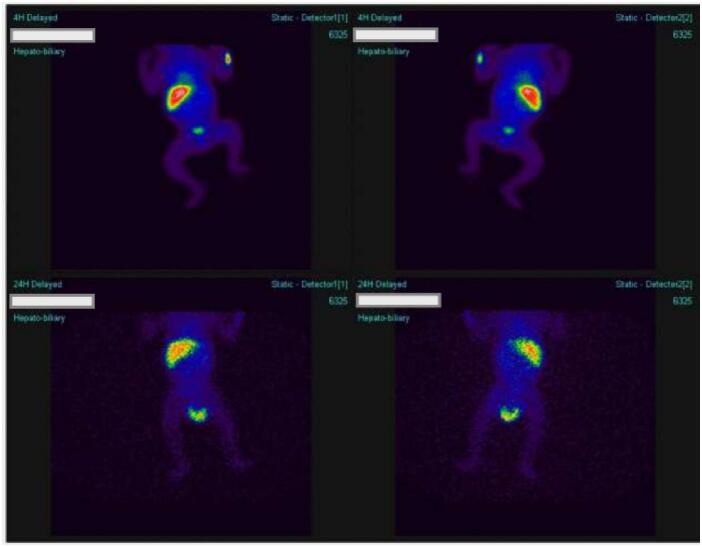 Figure 3
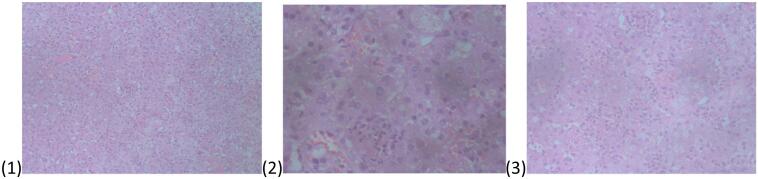 Figure 4
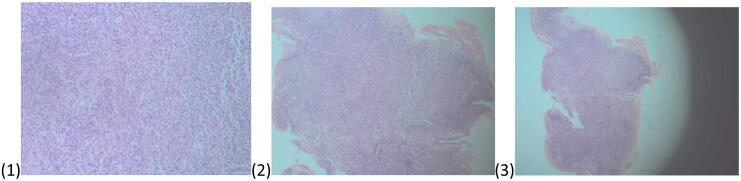 Figure 5
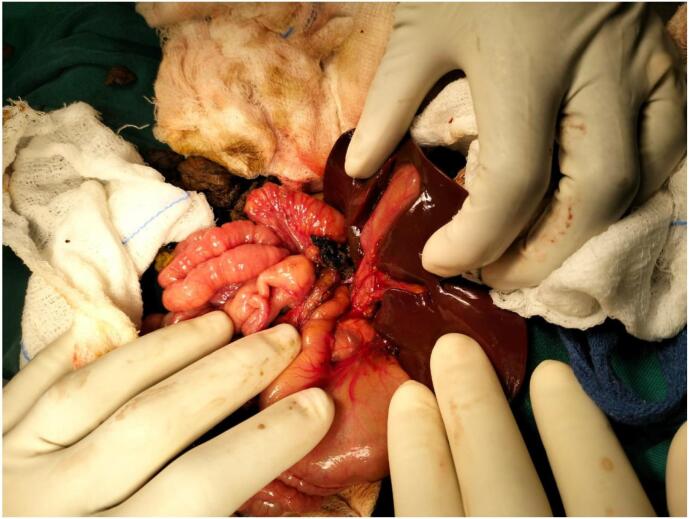 Figure 6
Peer Reviews
No public reviews on file for this paper yet. If you reviewed it on a platform where reviews are public (OpenReview, ICLR, NeurIPS, ICML), you can paste yours below so the community can read it here.
Videos
No videos yet. Explain this paper in a talk, walkthrough, or lecture? Add one.
Taxonomy
TopicsPediatric Hepatobiliary Diseases and Treatments · Congenital Anomalies and Fetal Surgery · Gallbladder and Bile Duct Disorders