Oxidative stress, redox status and surfactant metabolism in mechanically ventilated patients receiving different approaches to oxygen therapy (MecROX): An observational study protocol for mechanistic evaluation
Ahilanandan Dushianthan, Daniel Martin, Paul Mouncey, Tasnin Shahid, Lamprini Lampro, Amelia Francis Johnson, Victoria Goss, Angelica Cazley, William Herbert, William Jones, Mark Lamond, Florence Neyroud, Karen Salmon, Julian Lentaigne, Magdalena Minnion, Madhuri Panchal

TL;DR
This study investigates how excess oxygen affects lung surfactant and oxidative stress in ICU patients on ventilators to understand the mechanisms of oxygen-induced harm.
Contribution
The study introduces a novel mechanistic evaluation of surfactant metabolism and redox status in mechanically ventilated patients receiving different oxygen therapies.
Findings
Excess oxygen may damage surfactant-producing cells and increase surfactant breakdown.
Oxidative stress from high oxygen levels could lead to systemic cell damage and organ failure.
The study will compare surfactant and redox markers between conservative and usual oxygen therapy groups.
Abstract
MecROX is a mechanistic sub-study of the UK-ROX trial which was designed to evaluate the clinical and cost-effectiveness of a conservative approach to oxygen therapy for invasively ventilated adults in intensive care. This is based on the scientific rationale that excess oxygen is harmful. Epithelial cell damage with alveolar surfactant deficiency is characteristic of hyperoxic acute lung injury. Additionally, hyperoxaemia (excess blood oxygen levels) may exacerbate whole-body oxidative stress leading to cell death, autophagy, mitochondrial dysfunction, bioenergetic failure and multi-organ failure resulting in poor clinical outcomes. However, there is a lack of in-vivo human models evaluating the mechanisms that underpin oxygen-induced organ damage in mechanically ventilated patients. The aim of the MecROX mechanistic sub-study is to assess lung surfactant composition and global…
Genes, proteins, chemicals, diseases, species, mutations and cell lines named across the full text — each resolved to its canonical identifier and authoritative record.
Click any figure to enlarge with its caption.
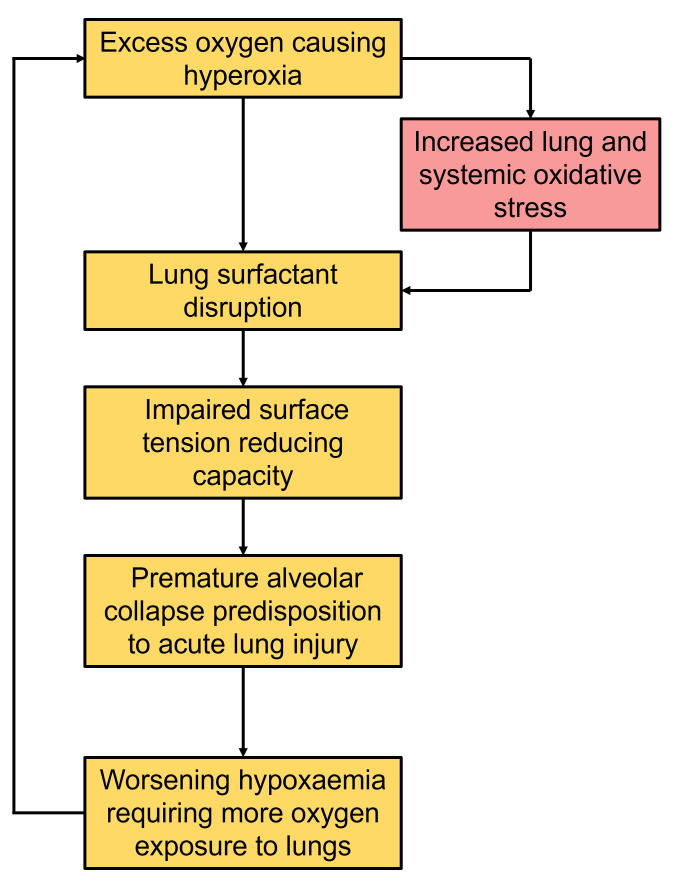 Figure 1
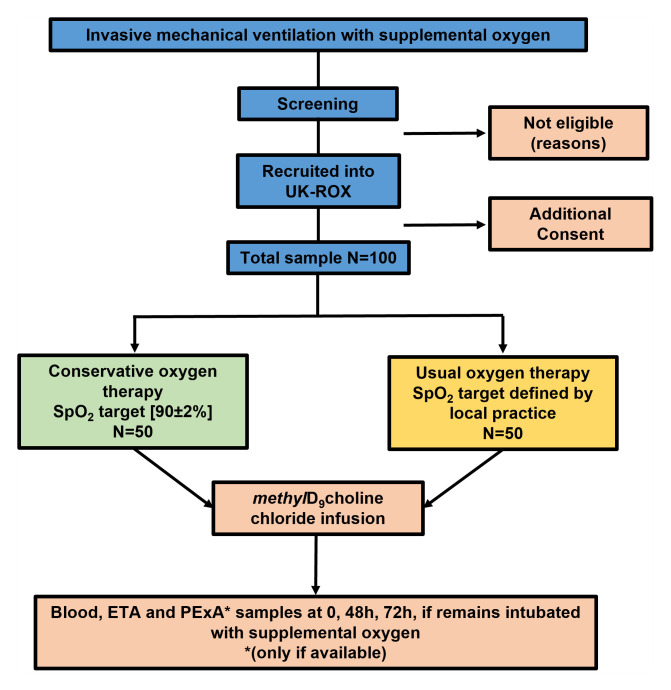 Figure 2
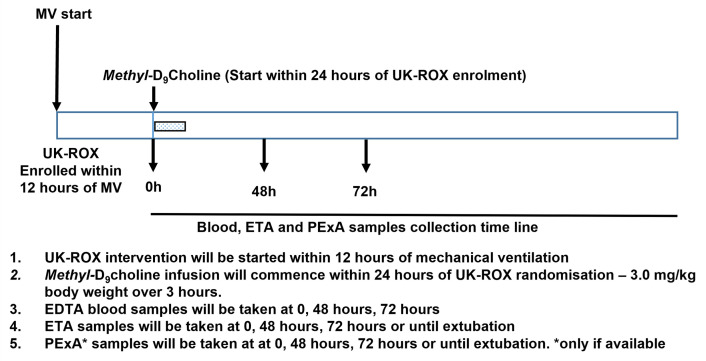 Figure 3
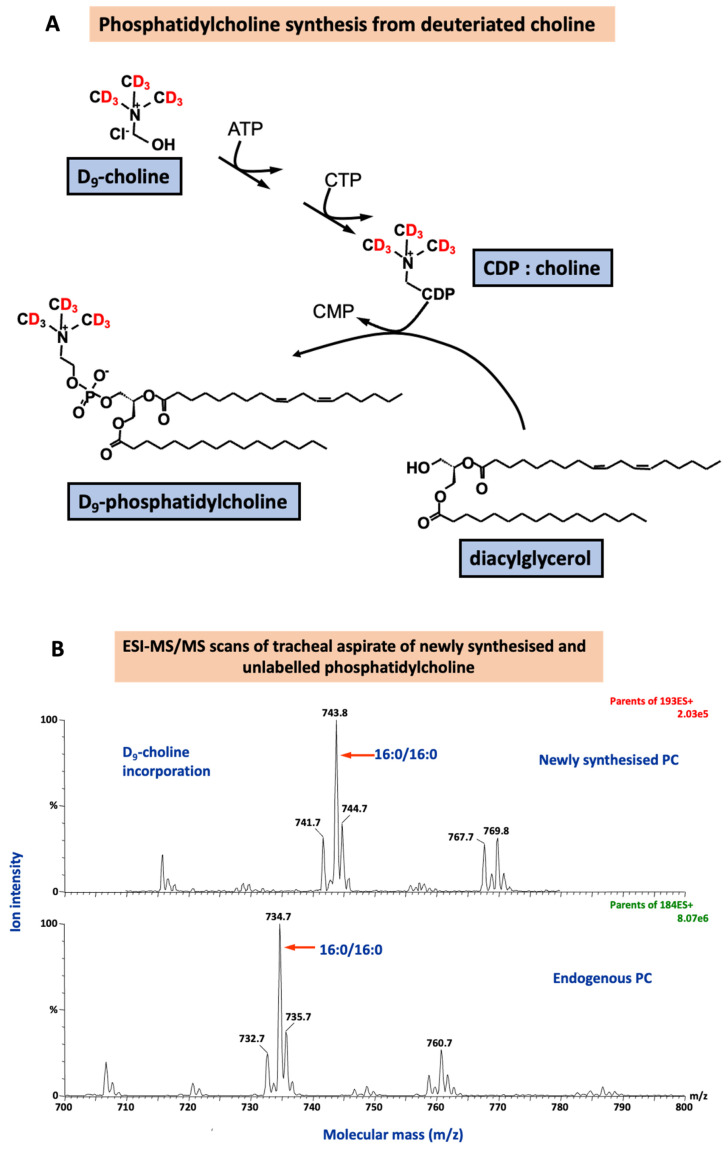 Figure 4
Peer Reviews
No public reviews on file for this paper yet. If you reviewed it on a platform where reviews are public (OpenReview, ICLR, NeurIPS, ICML), you can paste yours below so the community can read it here.
Videos
No videos yet. Explain this paper in a talk, walkthrough, or lecture? Add one.
Taxonomy
TopicsRespiratory Support and Mechanisms · Neonatal Respiratory Health Research · Cardiac Arrest and Resuscitation