Prospective effect of linkers type on the anticancer activity of pemetrexed-monoclonal antibody (atezolizumab) conjugates
Faten Q. Ibraheem, Nidhal K. Maraie, Basma Talib Al-Sudani, Ayad M.R. Raauf, Khalid Kadhem Al-Kinani, faten ibraheem, Ghazi Al Jabal, faten ibraheem

TL;DR
This study explores how different linkers affect the cancer-fighting ability of a drug-antibody conjugate, showing better results with a new linker.
Contribution
The novel use of gamma amino butyric acid (GABA) as a linker in a pemetrexed-atezolizumab conjugate is demonstrated for the first time.
Findings
PMX-GABA-AtZ conjugate showed an IC50 of 0.048 µM, significantly lower than PMX alone or PMX-PEG-AtZ.
GABA linked two PMX molecules per conjugate, while PEG linked only one.
The conjugate demonstrated dose- and time-dependent anticancer activity against A549 lung cells.
Abstract
Background: Conventional chemotherapy results in severe toxic side effects due to affecting normal and cancer cells. The conjugation of chemotherapy with mAb will improve the chemotherapy selectivity towards cancer cells and at the same time will potentiate immune system to detect and kill cancer cells. The aim of the study was to prepare atezolizumab-pemetrexed conjugate using two types of linkers (linker conjugated with -NH2 of lysine amino acid in the mAb). Methods: This study utilizes (for the first time) the mAb atezolizumab (AtZ) to prepare a new, selective conjugate carrier for pemetrexed (PMX) by using gamma amino butyric acid (GABA) as linker for the first time in comparison to the commonly used linker polyethylene glycol (PEG) using carbodiimide (EDC) / N-hydroxysulfosuccinimide (Sulfo-NHS) zero length cross linker. Stepwise evaluation for PMX-linkers linkage as well as mAb…
Genes, proteins, chemicals, diseases, species, mutations and cell lines named across the full text — each resolved to its canonical identifier and authoritative record.
Click any figure to enlarge with its caption.
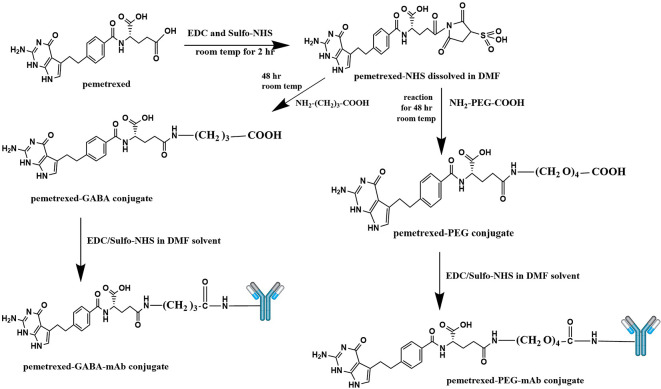 Figure 1
 Figure 2
 Figure 3
 Figure 4
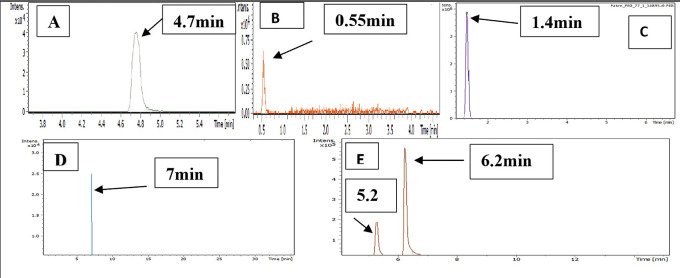 Figure 5
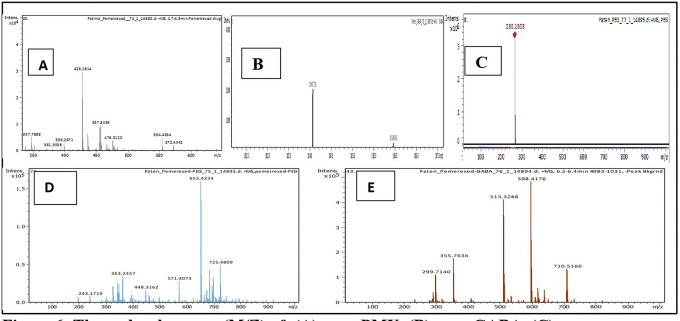 Figure 6
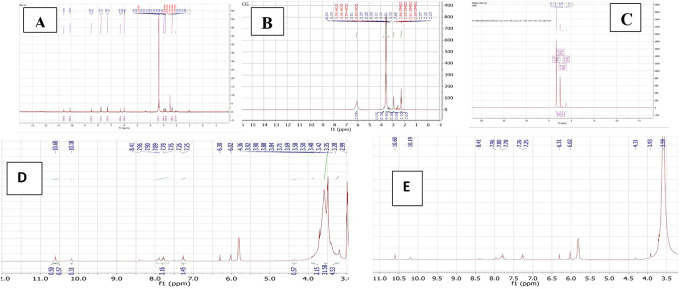 Figure 7
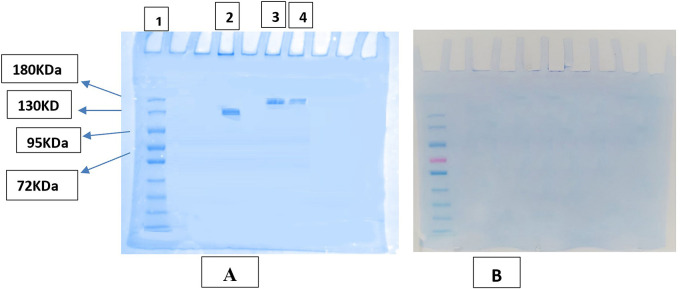 Figure 8
 Figure 9
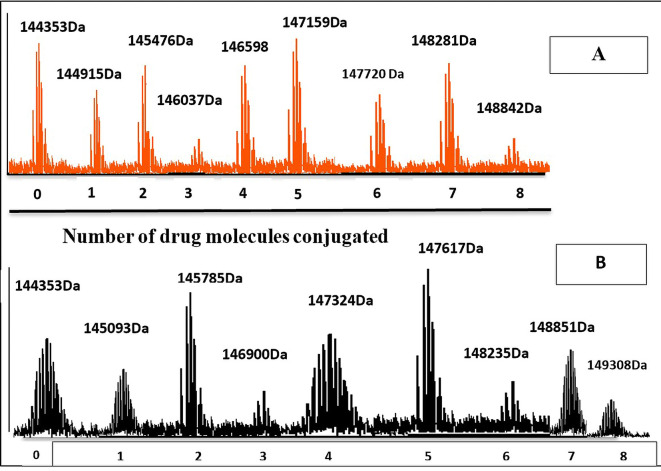 Figure 10
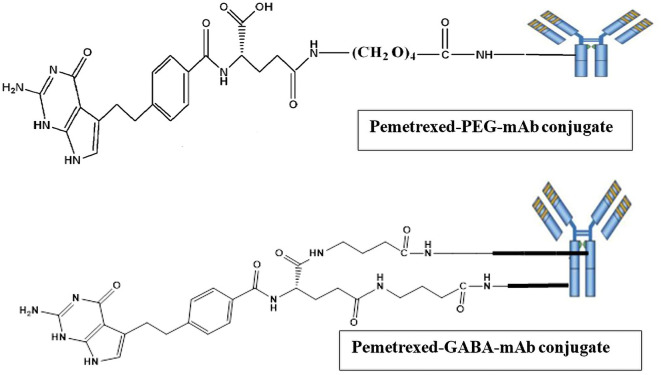 Figure 11
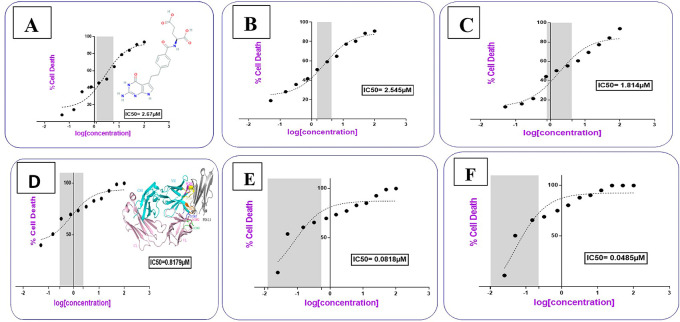 Figure 12
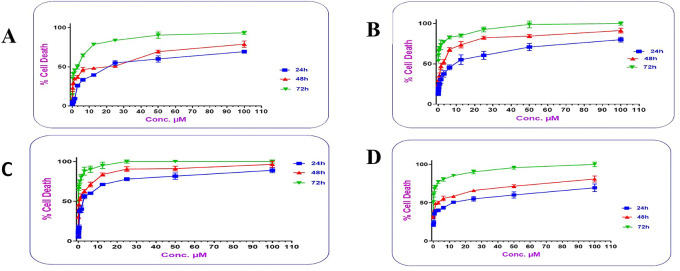 Figure 13
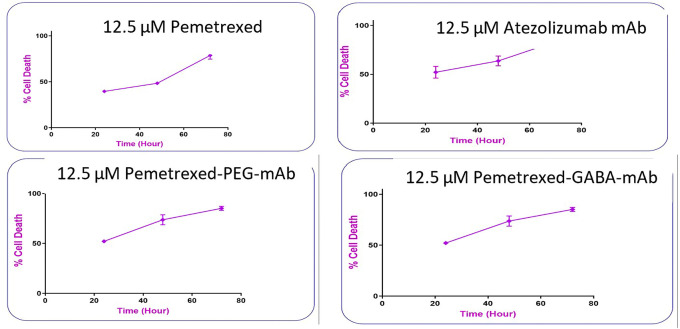 Figure 14
Peer Reviews
No public reviews on file for this paper yet. If you reviewed it on a platform where reviews are public (OpenReview, ICLR, NeurIPS, ICML), you can paste yours below so the community can read it here.
Videos
No videos yet. Explain this paper in a talk, walkthrough, or lecture? Add one.
Taxonomy
TopicsRadiopharmaceutical Chemistry and Applications · Cancer therapeutics and mechanisms · Monoclonal and Polyclonal Antibodies Research