Silent Hemoperitoneum Unveils Advanced Cancer
Cheng-Chieh Yen, Wan-Chen Chang, Chieh-Wei Chang

TL;DR
A man on peritoneal dialysis was found to have advanced liver cancer after sudden blood in his dialysate, highlighting the need for early cancer detection in such patients.
Contribution
This case highlights hemoperitoneum as a rare but critical sign of advanced hepatocellular carcinoma in PD patients.
Findings
A 4.4 cm liver tumor was diagnosed as ruptured hepatocellular carcinoma (stage IIIB T4N0M0).
Laparoscopic segmentectomy was successfully performed, and dialysis resumed after a month.
Hemoperitoneum in PD patients should prompt consideration of malignancy for timely cancer detection.
Abstract
A 62-year-old male undergoing peritoneal dialysis (PD) for over two years presented with sudden bloody peritoneal dialysate, but no other symptoms. Laboratory tests indicated anemia, and a computed tomographic scan revealed a 4.4 cm tumor in the liver with hemoperitoneum, leading to a diagnosis of ruptured hepatocellular carcinoma (HCC), stage IIIB T4N0M0. The patient underwent a successful laparoscopic segmentectomy, and PD was resumed after a month of hemodialysis without complications. This case underscores the importance of considering malignancy in PD patients presenting with hemoperitoneum, as timely detection of HCC can significantly improve prognosis.
Genes, proteins, chemicals, diseases, species, mutations and cell lines named across the full text — each resolved to its canonical identifier and authoritative record.
Click any figure to enlarge with its caption.
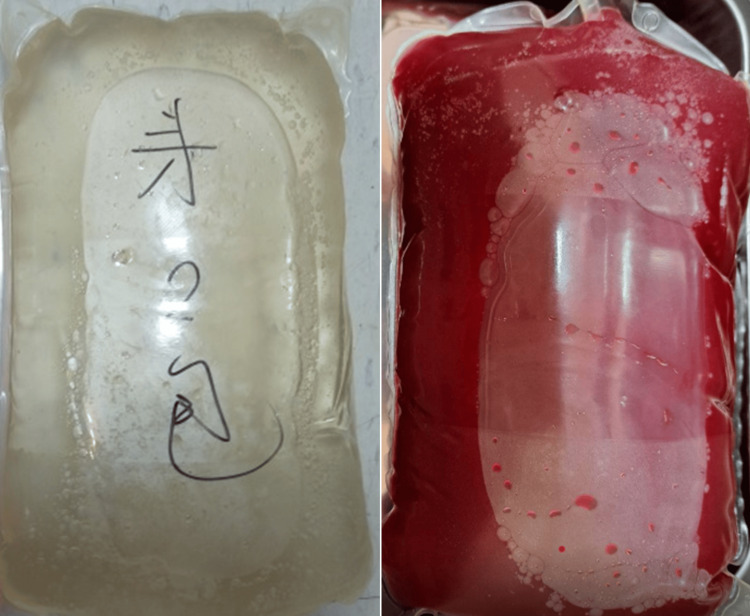 Figure 1
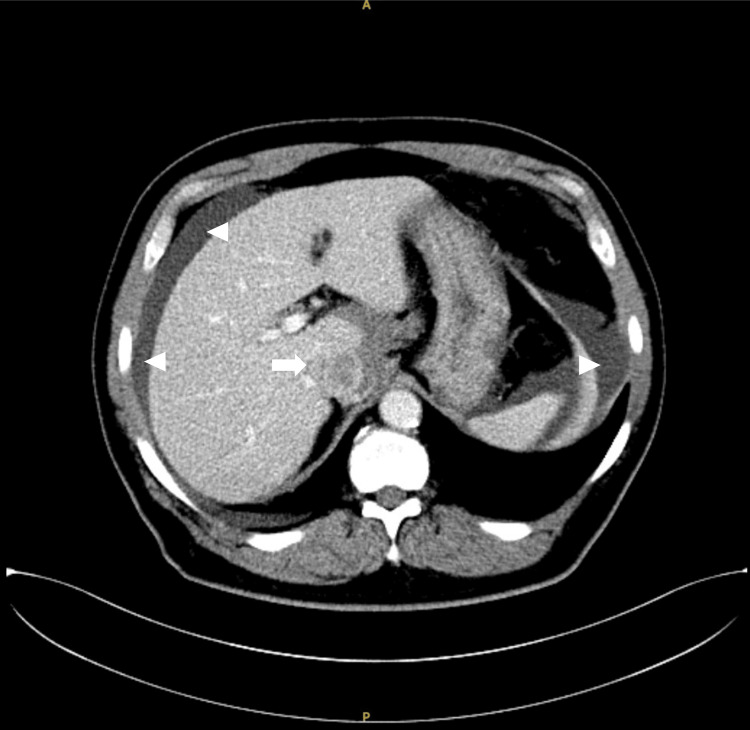 Figure 2
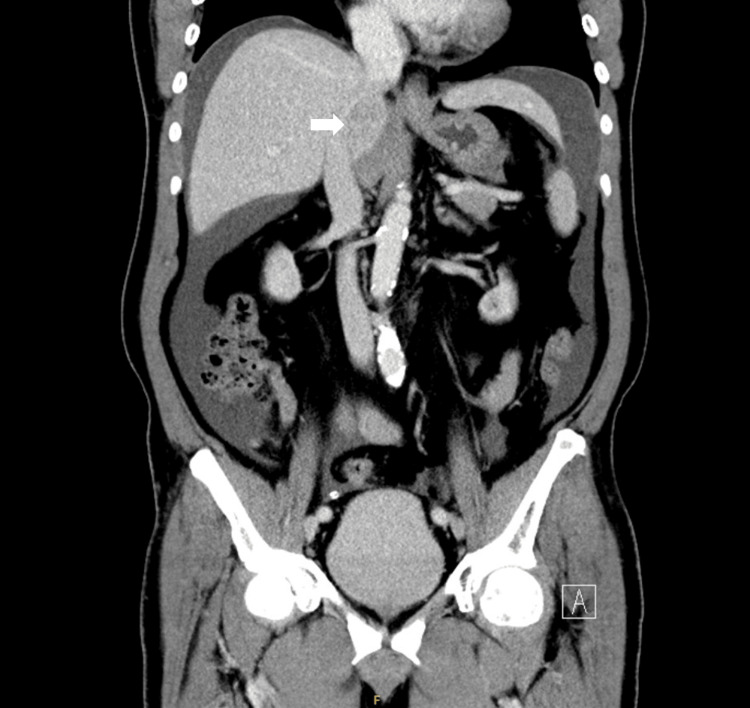 Figure 3
Peer Reviews
No public reviews on file for this paper yet. If you reviewed it on a platform where reviews are public (OpenReview, ICLR, NeurIPS, ICML), you can paste yours below so the community can read it here.
Videos
No videos yet. Explain this paper in a talk, walkthrough, or lecture? Add one.
Taxonomy
TopicsRenal cell carcinoma treatment · Amyloidosis: Diagnosis, Treatment, Outcomes · Genetic and Kidney Cyst Diseases