Cluster effect for SNP–SNP interaction pairs for predicting complex traits
Hui-Yi Lin, Harun Mazumder, Indrani Sarkar, Po-Yu Huang, Rosalind A. Eeles, Zsofia Kote-Jarai, Kenneth R. Muir, Johanna Schleutker, Nora Pashayan, Jyotsna Batra, David E. Neal, Sune F. Nielsen, Børge G. Nordestgaard, Henrik Grönberg, Fredrik Wiklund, Robert J. MacInnis

TL;DR
This paper explores how clusters of SNP interactions can lead to false positives in predicting complex traits and suggests a new method to improve accuracy.
Contribution
The study identifies the cluster effect as a source of false positives in SNP–SNP interactions and proposes a method (3pRule + bootstrap) to enhance detection accuracy.
Findings
The cluster effect is a major cause of false-positive SNP–SNP interaction findings.
Using the 3pRule + bootstrap approach reduces false positives while maintaining true positives.
Pairs without significant main effects tend to have weak or no interactions.
Abstract
Single nucleotide polymorphism (SNP) interactions are the key to improving polygenic risk scores. Previous studies reported several significant SNP–SNP interaction pairs that shared a common SNP to form a cluster, but some identified pairs might be false positives. This study aims to identify factors associated with the cluster effect of false positivity and develop strategies to enhance the accuracy of SNP–SNP interactions. The results showed the cluster effect is a major cause of false-positive findings of SNP–SNP interactions. This cluster effect is due to high correlations between a causal pair and null pairs in a cluster. The clusters with a hub SNP with a significant main effect and a large minor allele frequency (MAF) tended to have a higher false-positive rate. In addition, peripheral null SNPs in a cluster with a small MAF tended to enhance false positivity. We also…
Genes, proteins, chemicals, diseases, species, mutations and cell lines named across the full text — each resolved to its canonical identifier and authoritative record.
Click any figure to enlarge with its caption.
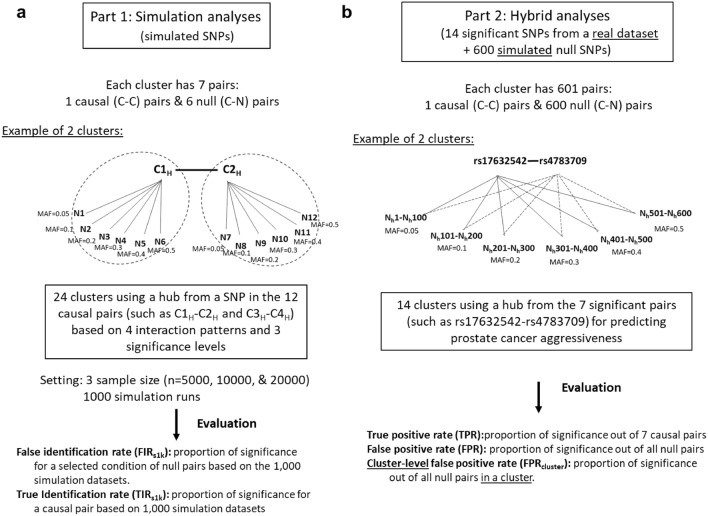 Figure 1
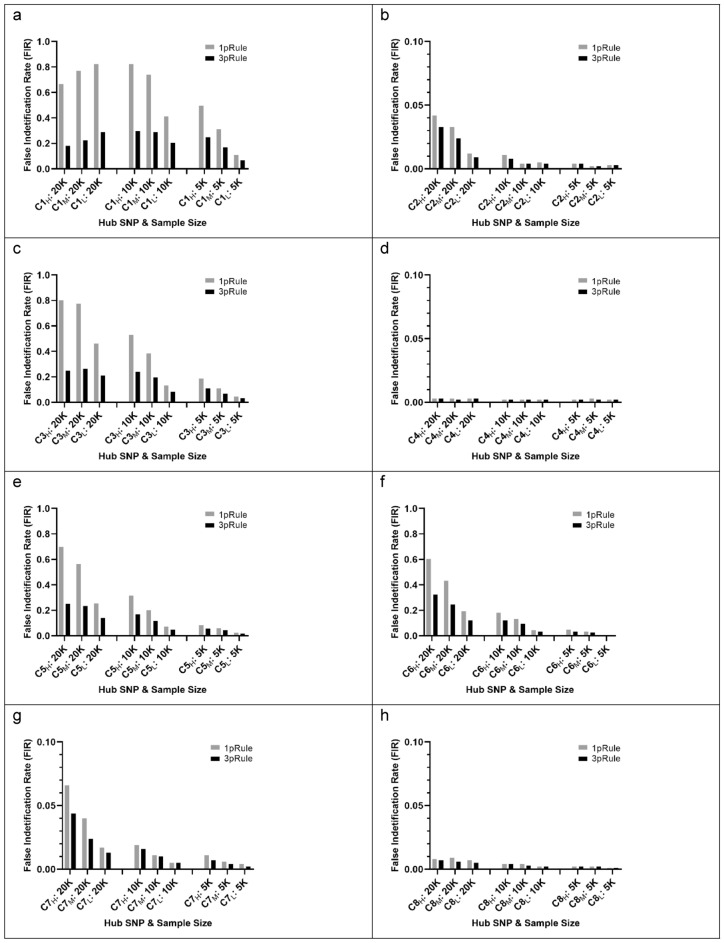 Figure 2
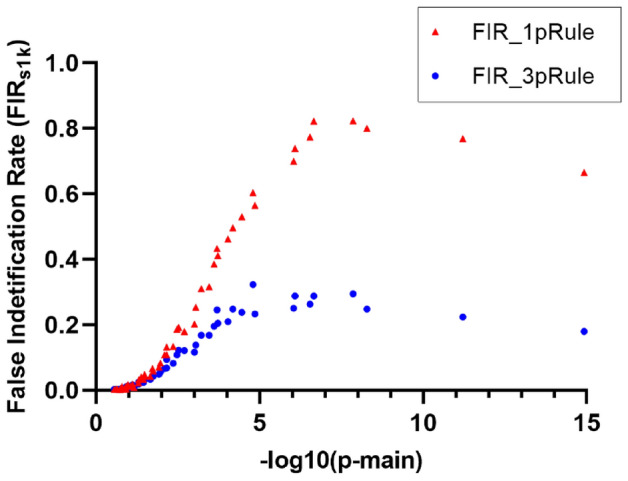 Figure 3
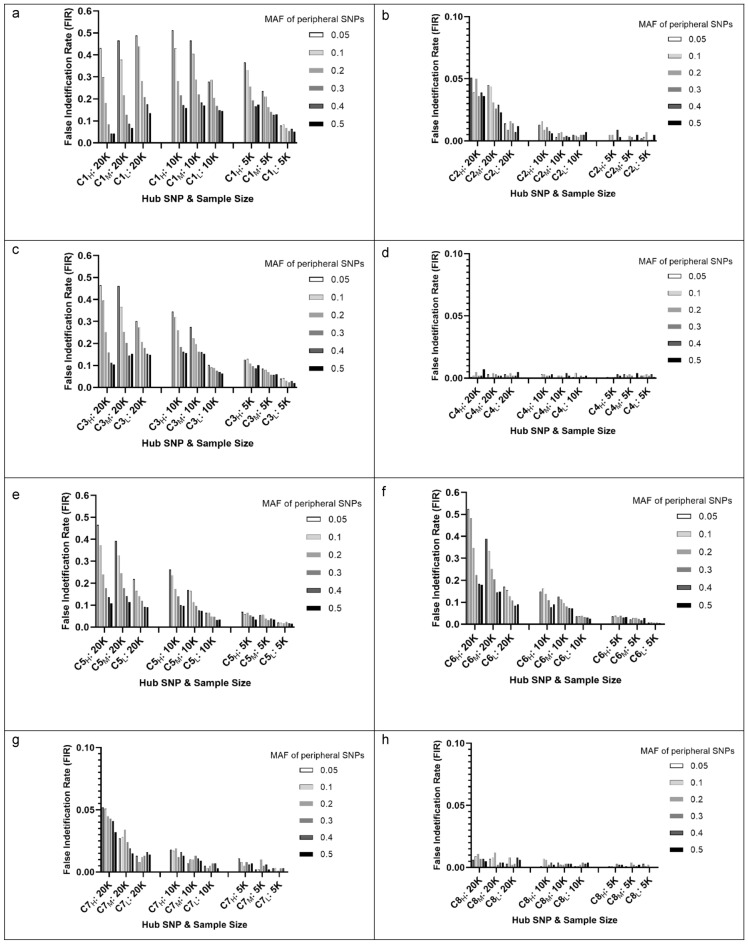 Figure 4
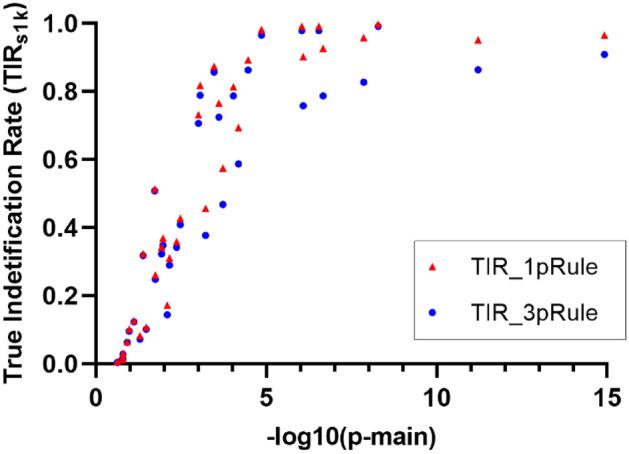 Figure 5
Peer Reviews
No public reviews on file for this paper yet. If you reviewed it on a platform where reviews are public (OpenReview, ICLR, NeurIPS, ICML), you can paste yours below so the community can read it here.
Videos
No videos yet. Explain this paper in a talk, walkthrough, or lecture? Add one.
Taxonomy
TopicsGenetic Associations and Epidemiology · RNA and protein synthesis mechanisms · RNA Research and Splicing