Circular PCR as an efficient and precise umbrella of methods for the generation of circular dsDNA with staggered nicks: Mechanism and types
Pedro Ferro-Gallego, Antón Vila-Sanjurjo, Andrea Katherine Valderrama Pereira, Gonzalo Porres Pérez, Lourdes Domínguez-Gerpe

TL;DR
CiPCR is a new DNA amplification method that efficiently creates circular DNA with staggered nicks, useful for various molecular cloning tasks.
Contribution
The novel CiPCR technique and its two types (Type I and Type II) are introduced, offering a versatile solution for molecular cloning challenges.
Findings
CiPCR generates stable circular dsDNA with staggered nicks through continuous elongation from hybridized DNA fragments.
Type I CiPCR allows all four 3′-ends to prime amplification, while Type II CiPCR only allows two.
CiPCR is effective for resolving common molecular cloning challenges like insertions, deletions, and mutations.
Abstract
Here, we introduce the highly versatile circular polymerase chain reaction (CiPCR) technique, propose a mechanism of action, and describe a number of examples demonstrating the versatility of this technique. CiPCR takes place between two fragments of dsDNA with two homologous regions, as long as one of the fragments carries said regions at its 3′- and 5′-ends. Upon hybridization, elongation by a polymerase occurs from all 3′-ends continuously until a 5′-end is reached, leading to stable circular dsDNA with staggered nicks. When both dsDNA fragments carry the homology at their 3′- and 5′-ends (Type I CiPCR), all four 3′-ends effectively prime amplification of the intervening region and CiPCR products can function as template during the reaction. In contrast, when only one of the two dsDNA fragments carries the homologous regions at its 3′- and 5′-ends and the other carries such regions…
Genes, proteins, chemicals, diseases, species, mutations and cell lines named across the full text — each resolved to its canonical identifier and authoritative record.
Click any figure to enlarge with its caption.
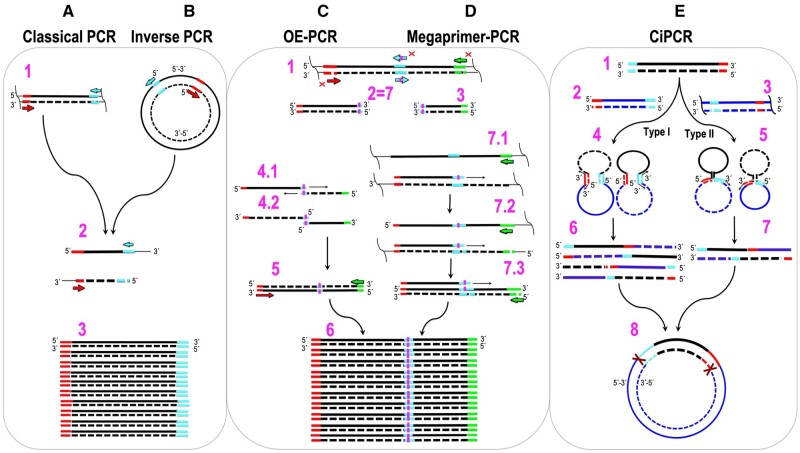 Figure 1
 Figure 2
 Figure 3
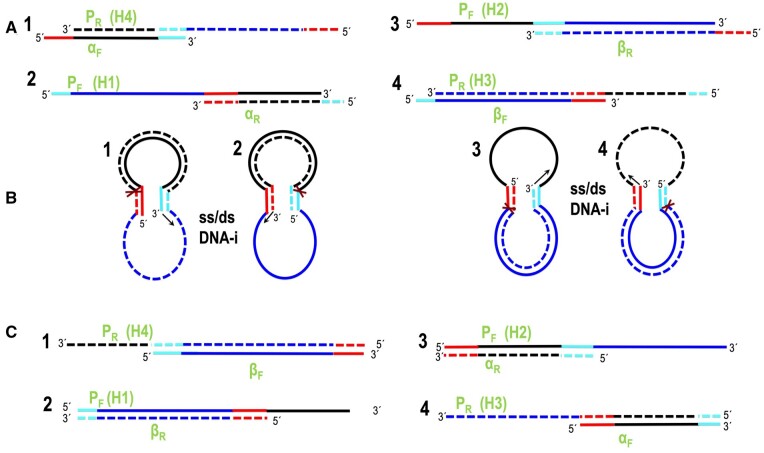 Figure 4
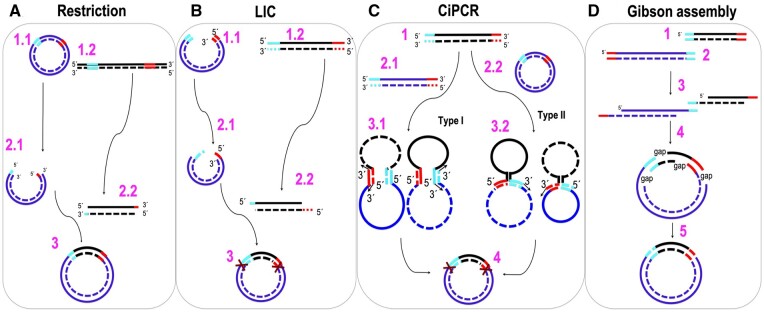 Figure 5
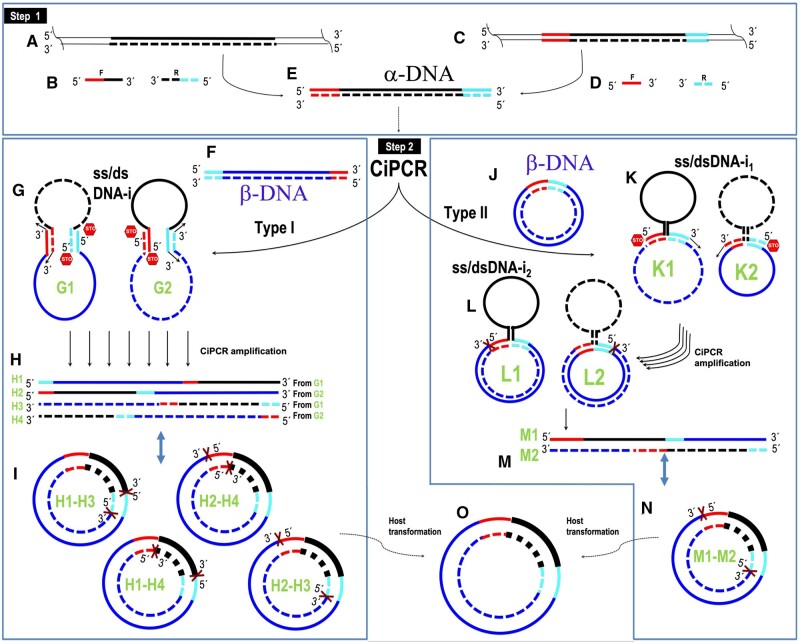 Figure 6
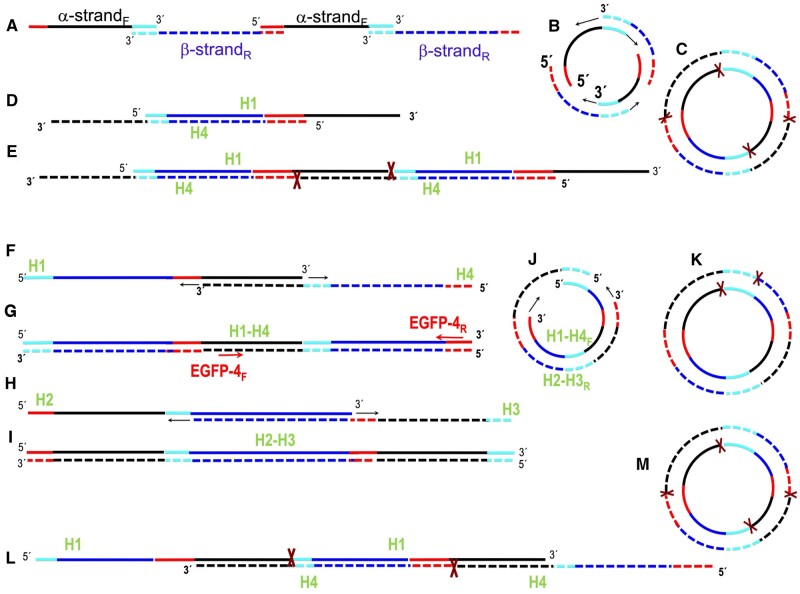 Figure 7
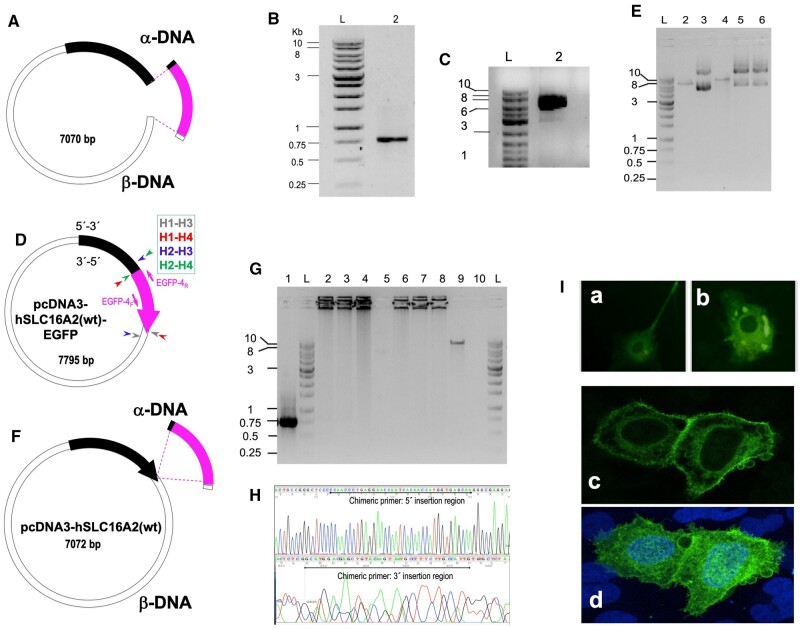 Figure 8
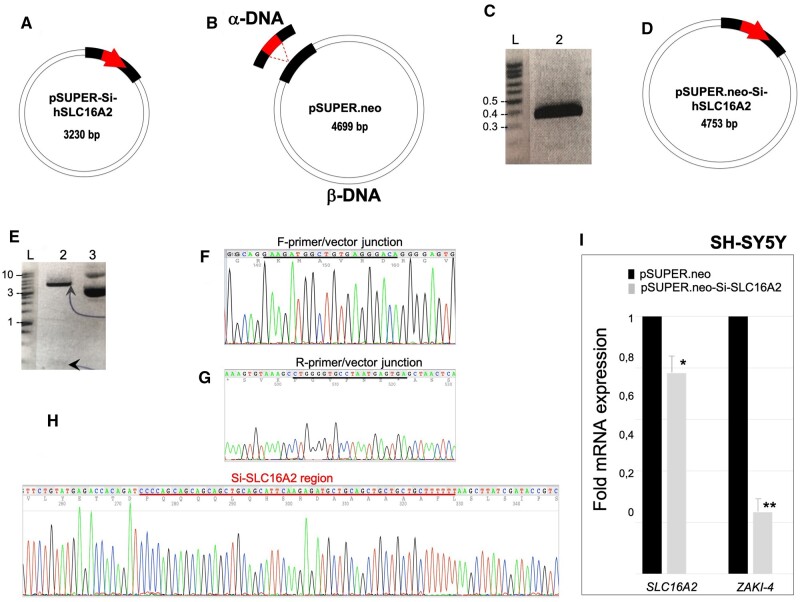 Figure 9
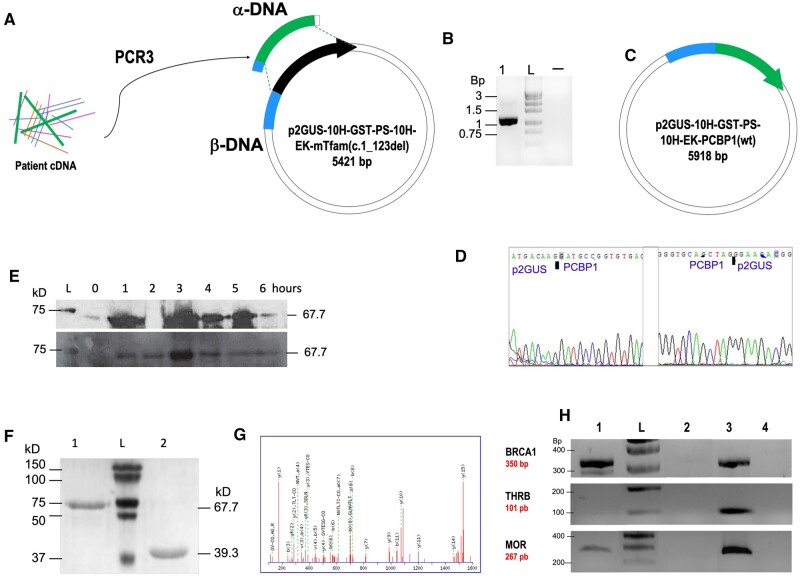 Figure 10
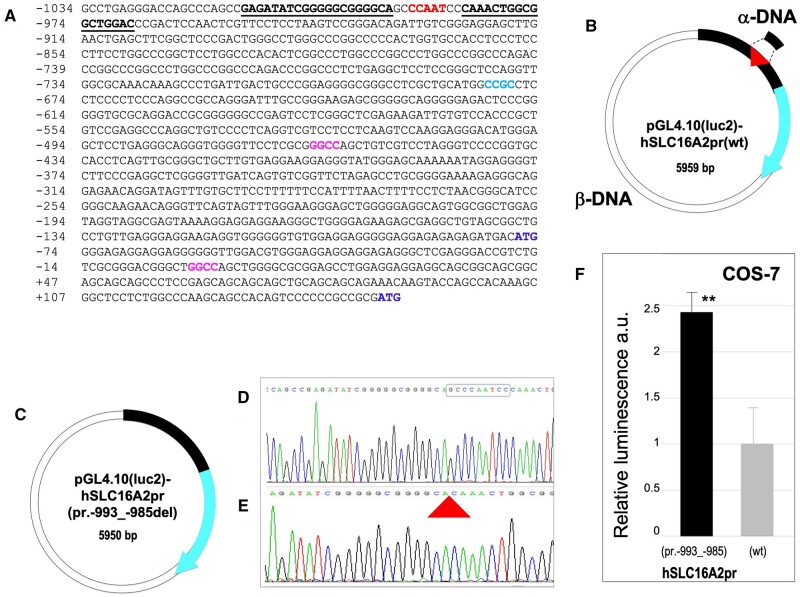 Figure 11
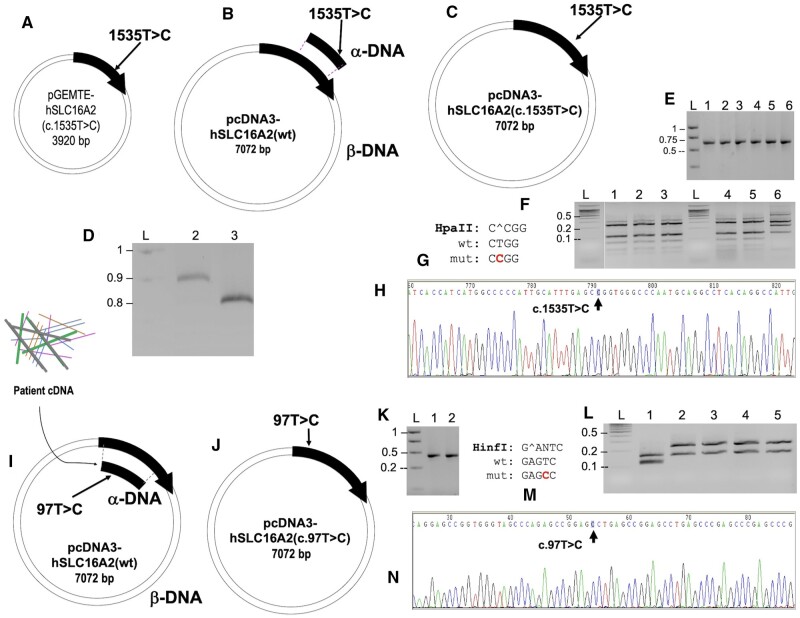 Figure 12
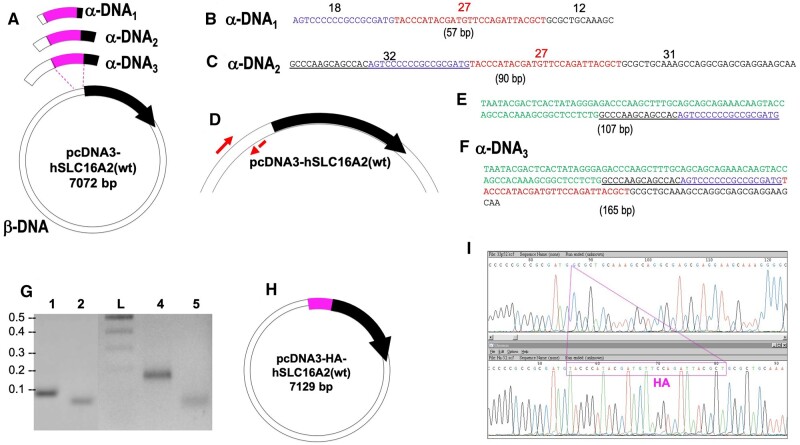 Figure 13
Peer Reviews
No public reviews on file for this paper yet. If you reviewed it on a platform where reviews are public (OpenReview, ICLR, NeurIPS, ICML), you can paste yours below so the community can read it here.
Videos
No videos yet. Explain this paper in a talk, walkthrough, or lecture? Add one.
Taxonomy
TopicsRNA and protein synthesis mechanisms · Bacteriophages and microbial interactions · CRISPR and Genetic Engineering