Use of an emulated trial to investigate the association between use of nitrogen-based bisphosphonates and risk of epithelial ovarian cancer
Karen M Tuesley, Katrina Spilsbury, Penelope M Webb, Sallie-Anne Pearson, Peter Donovan, Michael D Coory, Christopher B Steer, Louise M Stewart, Nirmala Pandeya, Melinda M Protani, Suzanne Dixon-Suen, Louise Marquart-Wilson, Susan J Jordan

TL;DR
A study in Australia found that continuing nitrogen-based bisphosphonate use may lower the risk of epithelial ovarian cancer, especially the serous type, compared to discontinuing the treatment.
Contribution
The study uses an emulated trial design to reduce confounding and assess the association between continued bisphosphonate use and ovarian cancer risk.
Findings
Continued use of nitrogen-based bisphosphonates was associated with a 13% lower risk of epithelial ovarian cancer overall.
Continued use was linked to a 29% lower risk of serous epithelial ovarian cancer compared to discontinued use.
The observed risk reduction remained consistent over a 9-year follow-up period.
Abstract
Epithelial ovarian cancer (EOC) is the eighth most common cancer in women, with poor survival outcomes. Observational evidence suggests that nitrogen-based bisphosphonate (NBB) use may be associated with reduced risk of EOC, particularly the endometrioid and serous histotypes; however, confounding by indication is a concern. An alternative approach to investigate the chemo-preventive potential of NBBs is to emulate a target trial by identifying all women who initiate use of NBBs and investigate the risk of EOC for continued users compared with discontinued users. Using population-based linked data, we identified all Australian women aged over 50 years who first used NBBs over 2004–12. We used the year after first use to define treatment for each woman as either continued or discontinued use. We emulated randomization using stabilized inverse probability weights to balance the treatment…
Genes, proteins, chemicals, diseases, species, mutations and cell lines named across the full text — each resolved to its canonical identifier and authoritative record.
Click any figure to enlarge with its caption.
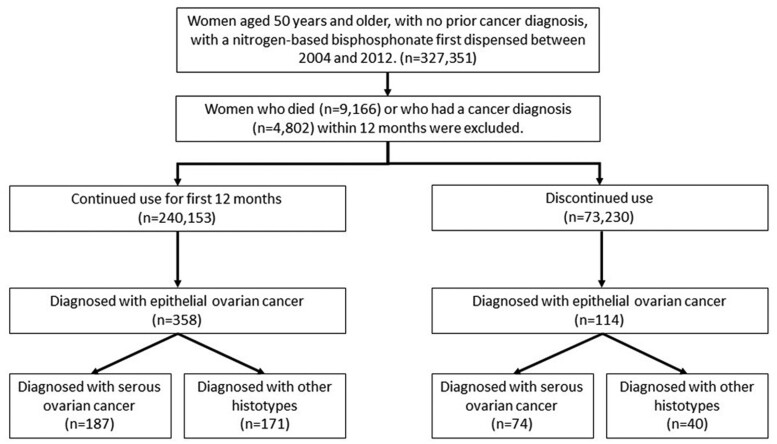 Figure 1
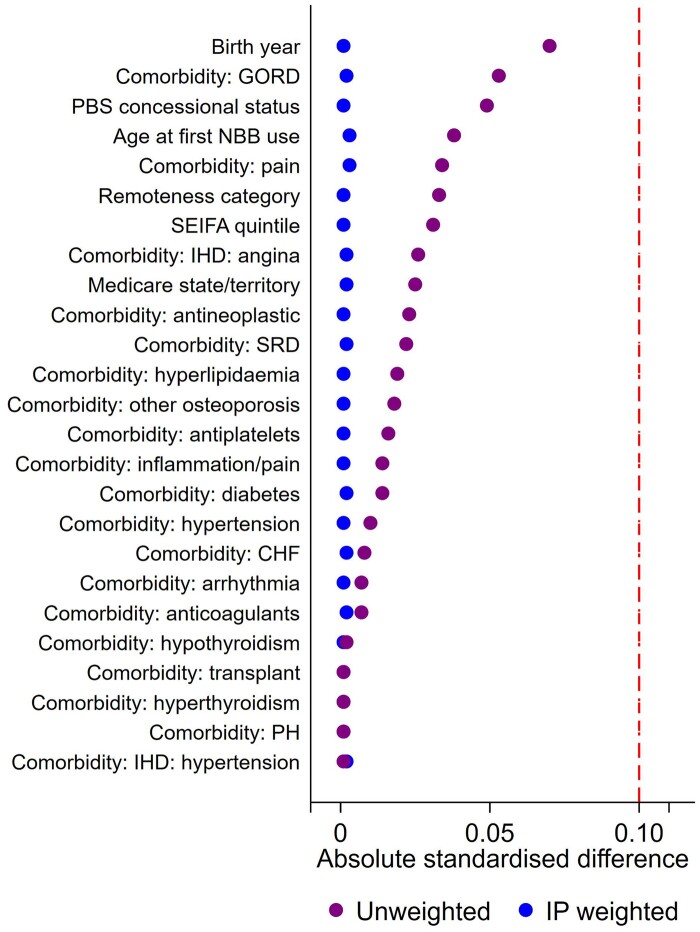 Figure 2
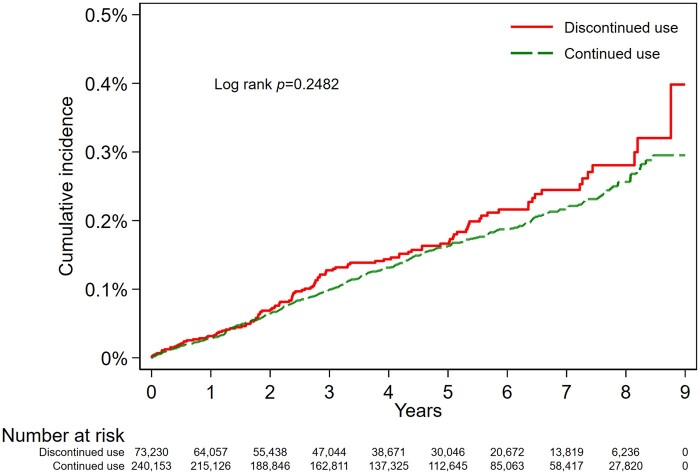 Figure 3
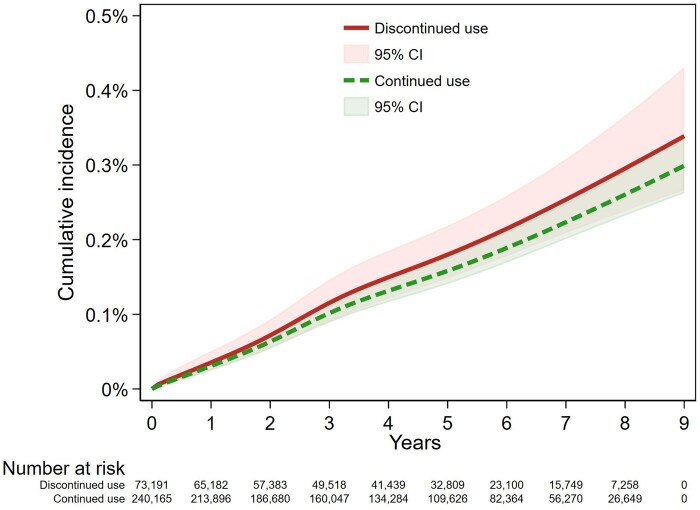 Figure 4
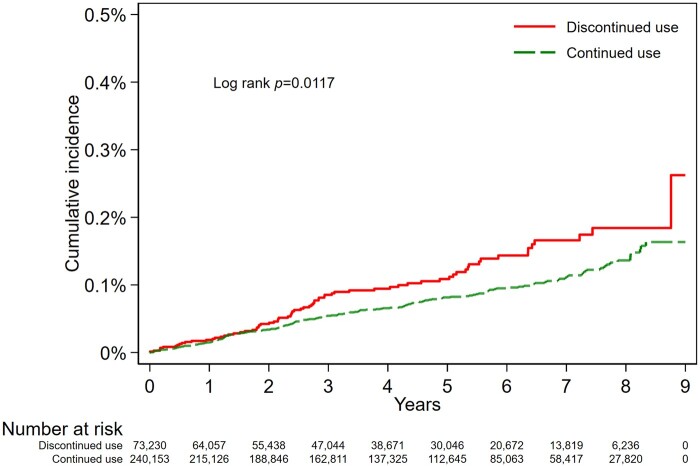 Figure 5
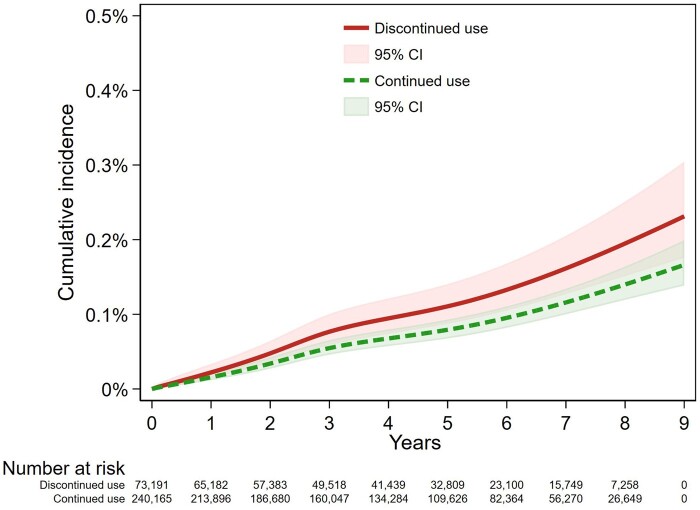 Figure 6
Peer Reviews
No public reviews on file for this paper yet. If you reviewed it on a platform where reviews are public (OpenReview, ICLR, NeurIPS, ICML), you can paste yours below so the community can read it here.
Videos
No videos yet. Explain this paper in a talk, walkthrough, or lecture? Add one.
Taxonomy
TopicsOvarian cancer diagnosis and treatment · Cancer Risks and Factors · Estrogen and related hormone effects