Optimization of methods for intrasplenic administration of human amniotic epithelial cells in order to perform safe and effective cell-based therapy for liver diseases
Piotr Czekaj, Mateusz Król, Emanuel Kolanko, Patrycja Wieczorek, Edyta Bogunia, Mateusz Hermyt, Aniela Grajoszek, Agnieszka Prusek

TL;DR
This study explores the best ways to inject human amniotic epithelial cells into the spleen of mice to treat liver diseases, finding that slower methods reduce liver damage.
Contribution
The study introduces a novel subcutaneous splenic port method for safer and more effective cell delivery to the liver.
Findings
Slow infusion via a subcutaneous splenic port caused the least liver damage in mice.
Higher cell doses led to increased liver colonization but also greater liver damage.
Direct bolus injection caused the most liver damage despite higher implantation efficiency.
Abstract
In animal experimental models the administration of stem cells into the spleen should ensure high effectiveness of their implantation in the liver due to a direct vascular connection between the two organs. The aim of this study was to update the methods of experimental intrasplenic cell transplantation using human amniotic epithelial cells (hAECs) which are promising cells in the treatment of liver diseases. BALB/c mice were administered intrasplenically with 0.5, 1, and 2 million hAECs by direct bolus injection (400 µl/min) and via a subcutaneous splenic port by fast (20 μl/min) and slow (10 μl/min) infusion. The port was prepared by translocating the spleen to the skin pocket. The spleen, liver, and lungs were collected at 3 h, 6 h, and 24 h after the administration of cells. The distribution of hAECs, histopathological changes in the organs, complete blood count, and biochemical…
Genes, proteins, chemicals, diseases, species, mutations and cell lines named across the full text — each resolved to its canonical identifier and authoritative record.
Click any figure to enlarge with its caption.
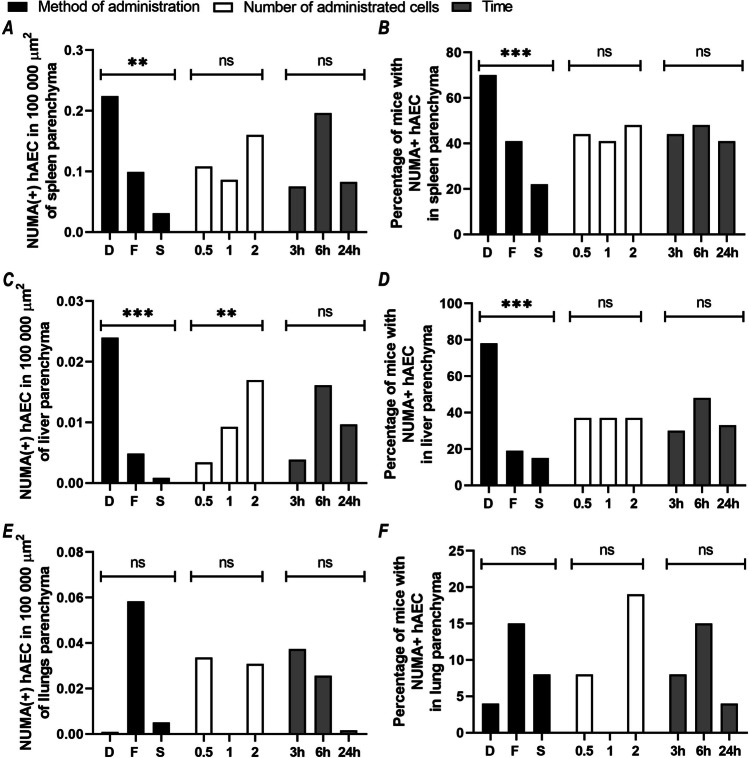 Figure 10
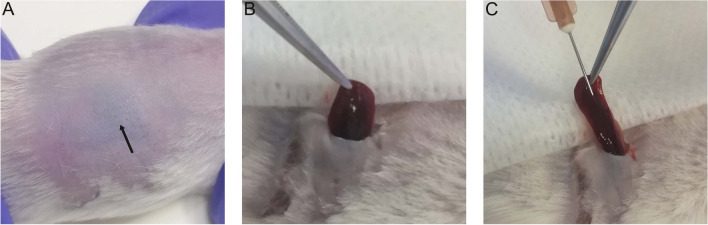 Figure 1
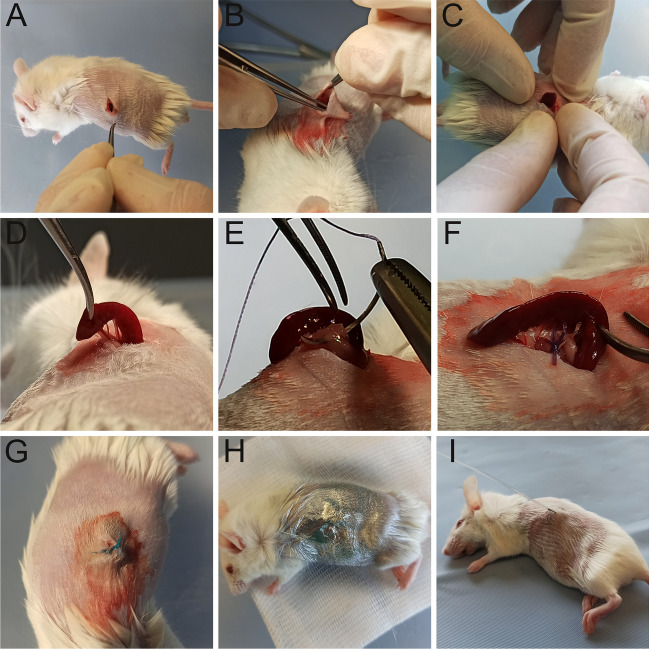 Figure 2
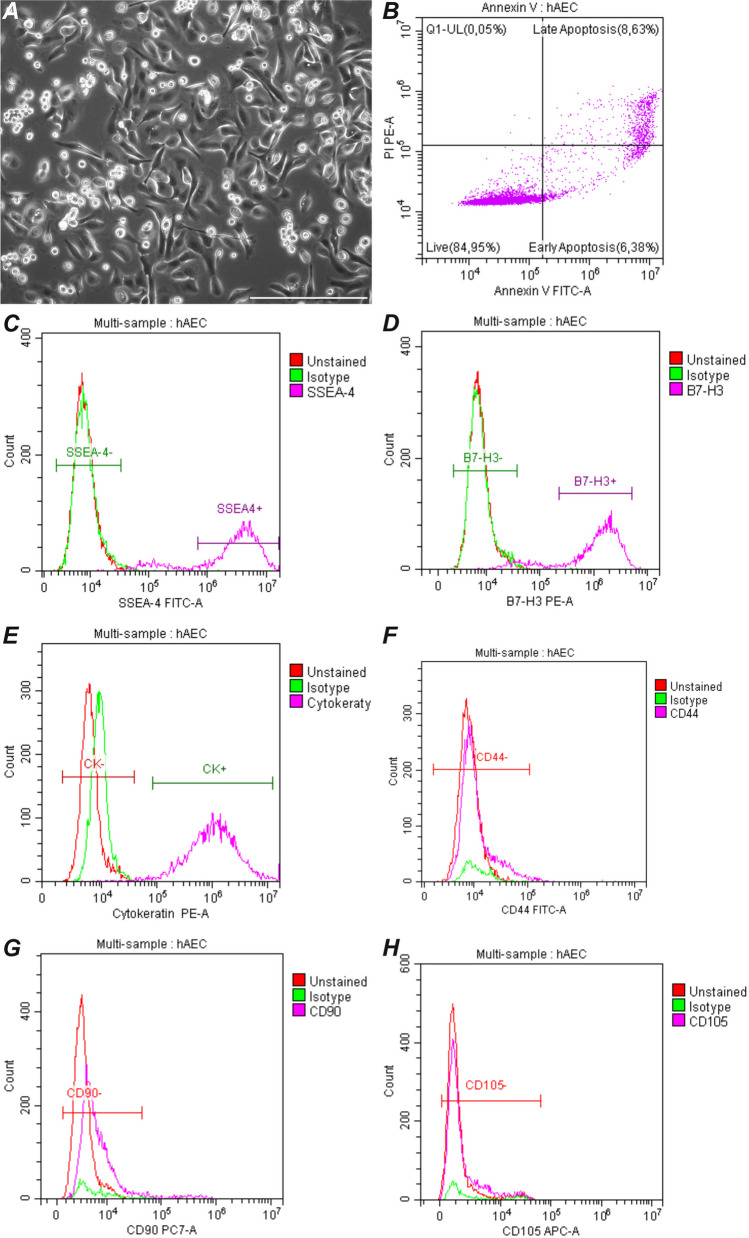 Figure 3
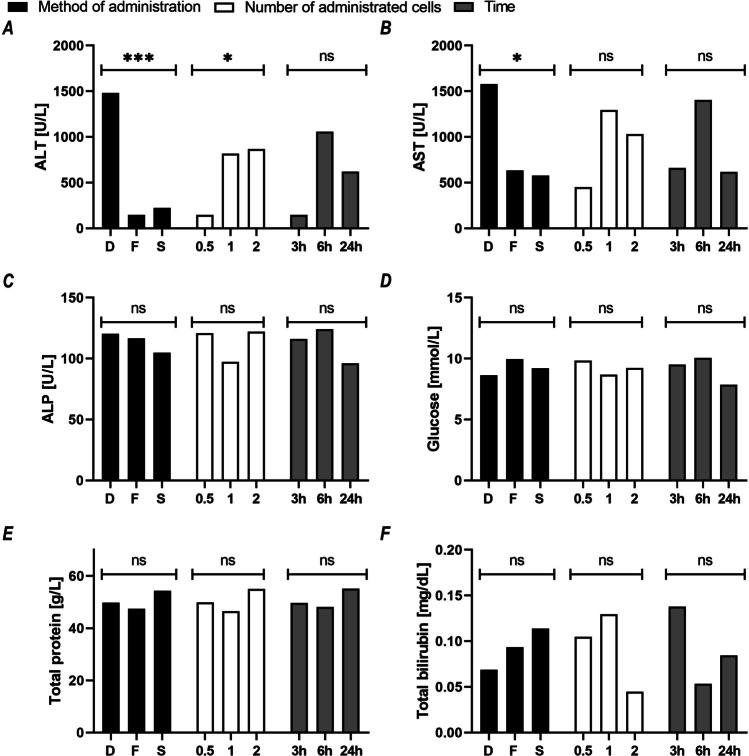 Figure 4
 Figure 5
 Figure 6
 Figure 7
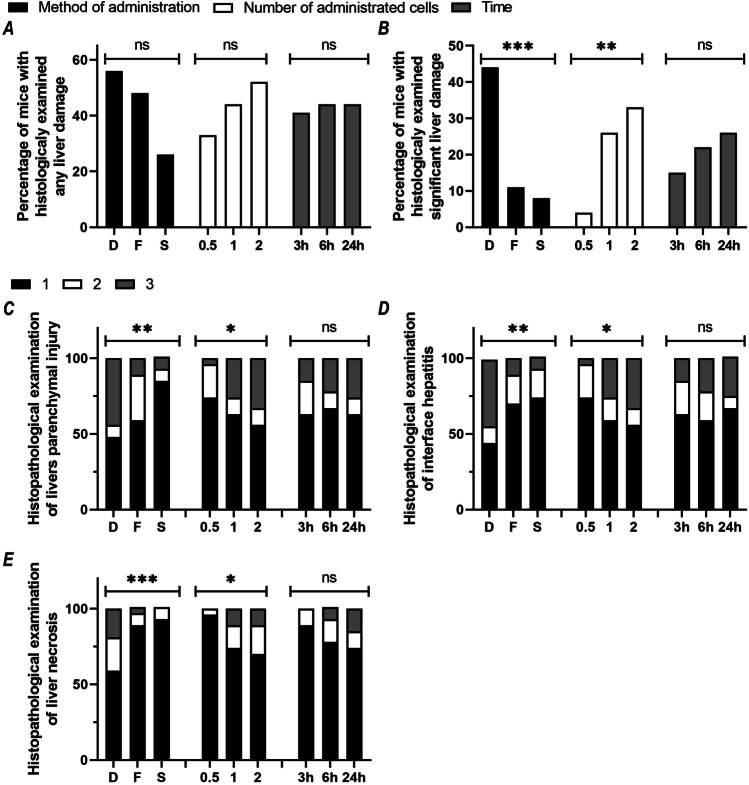 Figure 8
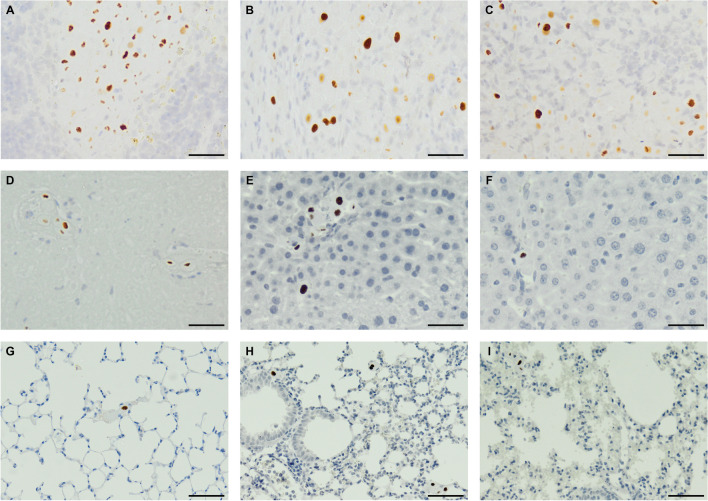 Figure 9
Peer Reviews
No public reviews on file for this paper yet. If you reviewed it on a platform where reviews are public (OpenReview, ICLR, NeurIPS, ICML), you can paste yours below so the community can read it here.
Videos
No videos yet. Explain this paper in a talk, walkthrough, or lecture? Add one.
Taxonomy
TopicsTissue Engineering and Regenerative Medicine · Mesenchymal stem cell research · Liver physiology and pathology