Multitask learning of a biophysically-detailed neuron model
Jonas Verhellen, Kosio Beshkov, Sebastian Amundsen, Torbjørn V. Ness, Gaute T. Einevoll

TL;DR
This paper introduces a new method using multitask learning to predict voltages across all parts of a detailed neuron model, enabling faster simulations and better comparisons with experimental data.
Contribution
The novel use of multitask learning to predict membrane potentials in all compartments of a biophysically-detailed neuron model, enabling faster and more comprehensive simulations.
Findings
The proposed method predicts membrane potentials in each neuron compartment up to two orders of magnitude faster than classical simulation methods.
The approach enables accurate comparisons with a wide range of experimental recordings and lays the groundwork for predicting LFPs and EEG signals.
The method presents a challenging benchmark for multitask learning due to complex data correlations and non-Gaussian distributions.
Abstract
The human brain operates at multiple levels, from molecules to circuits, and understanding these complex processes requires integrated research efforts. Simulating biophysically-detailed neuron models is a computationally expensive but effective method for studying local neural circuits. Recent innovations have shown that artificial neural networks (ANNs) can accurately predict the behavior of these detailed models in terms of spikes, electrical potentials, and optical readouts. While these methods have the potential to accelerate large network simulations by several orders of magnitude compared to conventional differential equation based modelling, they currently only predict voltage outputs for the soma or a select few neuron compartments. Our novel approach, based on enhanced state-of-the-art architectures for multitask learning (MTL), allows for the simultaneous prediction of…
Genes, proteins, chemicals, diseases, species, mutations and cell lines named across the full text — each resolved to its canonical identifier and authoritative record.
Click any figure to enlarge with its caption.
 Figure 1
 Figure 2
 Figure 3
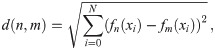 Figure 4
 Figure 5
 Figure 6
 Figure 7
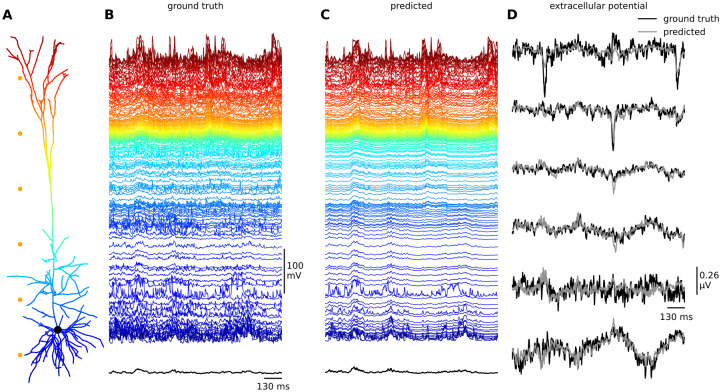 Figure 8
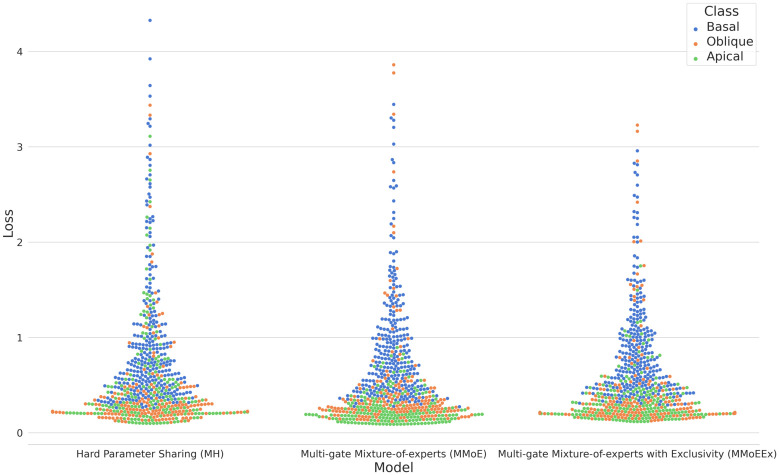 Figure 9
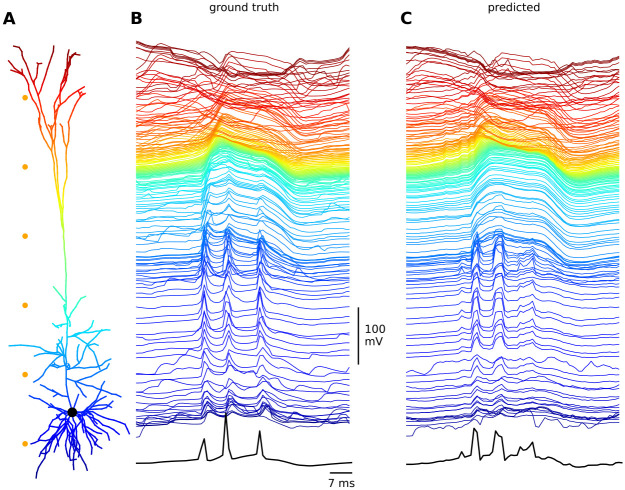 Figure 10
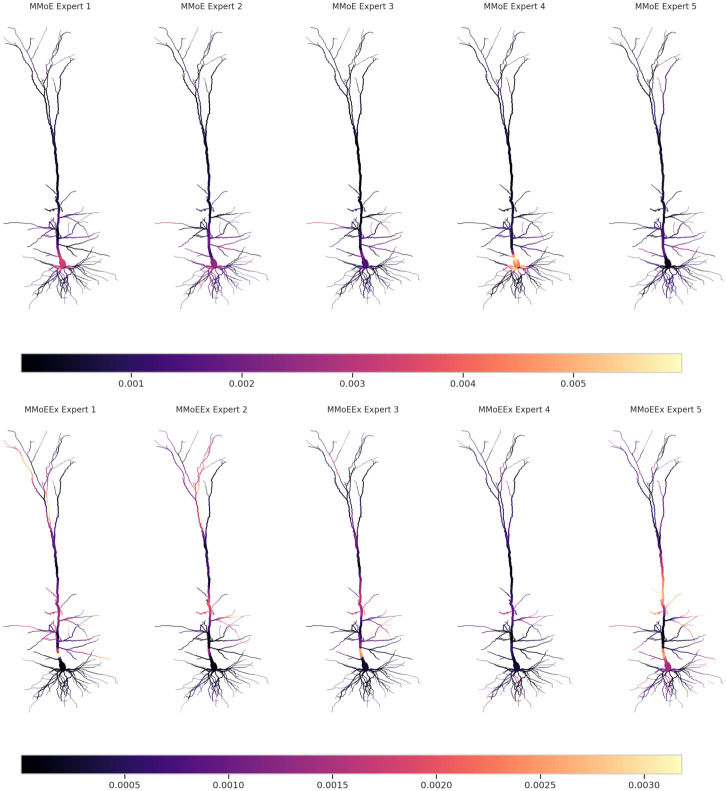 Figure 11
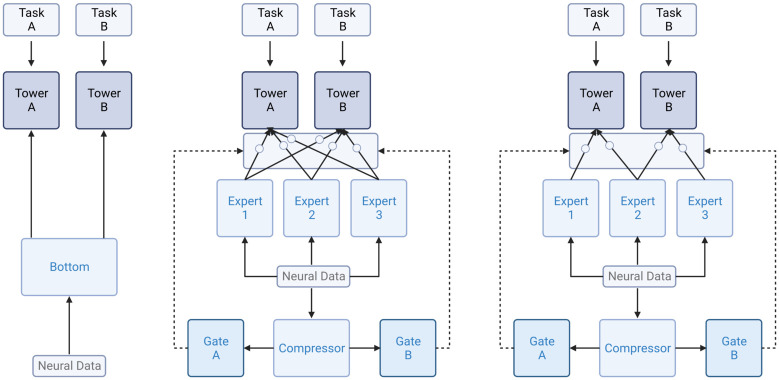 Figure 12
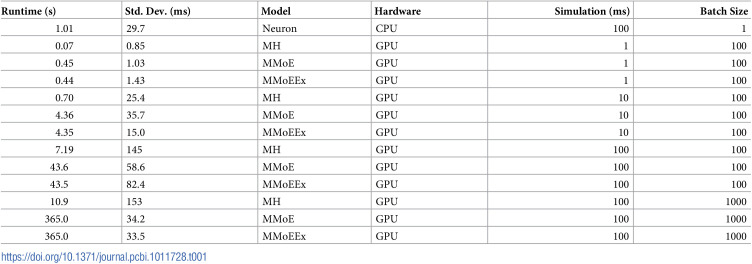 Figure 13
Peer Reviews
No public reviews on file for this paper yet. If you reviewed it on a platform where reviews are public (OpenReview, ICLR, NeurIPS, ICML), you can paste yours below so the community can read it here.
Videos
No videos yet. Explain this paper in a talk, walkthrough, or lecture? Add one.
Taxonomy
TopicsNeural dynamics and brain function · Advanced Memory and Neural Computing · Photoreceptor and optogenetics research