Floxuridine supports UPS independent of germline signaling and proteostasis regulators via involvement of detoxification in C. elegans
Abhishek Anil Dubey, Anwesha Sarkar, Karolina Milcz, Natalia A. Szulc, Pankaj Thapa, Małgorzata Piechota, Remigiusz A. Serwa, Wojciech Pokrzywa

TL;DR
Floxuridine helps worms survive cold temperatures by boosting a protein recycling system through a detoxification pathway, unrelated to reproduction or usual stress responses.
Contribution
Floxuridine enhances UPS activity via detoxification, independent of germline signaling and proteostasis regulators.
Findings
Floxuridine improves UPS activity and cold survival in C. elegans with proteasome dysfunction.
Floxuridine's effect is independent of major proteostasis regulators and germ cell processes.
Detoxification pathway involving GST-24 contributes to enhanced UPS activity.
Abstract
The ubiquitin-proteasome system (UPS) is critical for maintaining proteostasis, influencing stress resilience, lifespan, and thermal adaptability in organisms. In Caenorhabditis elegans, specific proteasome subunits and activators, such as RPN-6, PBS-6, and PSME-3, are associated with heat resistance, survival at cold (4°C), and enhanced longevity at moderate temperatures (15°C). Previously linked to improving proteostasis, we investigated the impact of sterility-inducing floxuridine (FUdR) on UPS functionality under proteasome dysfunction and its potential to improve cold survival. Our findings reveal that FUdR significantly enhances UPS activity and resilience during proteasome inhibition or subunit deficiency, supporting worms’ normal lifespan and adaptation to cold. Importantly, FUdR effect on UPS activity occurs independently of major proteostasis regulators and does not rely on…
Genes, proteins, chemicals, diseases, species, mutations and cell lines named across the full text — each resolved to its canonical identifier and authoritative record.
Click any figure to enlarge with its caption.
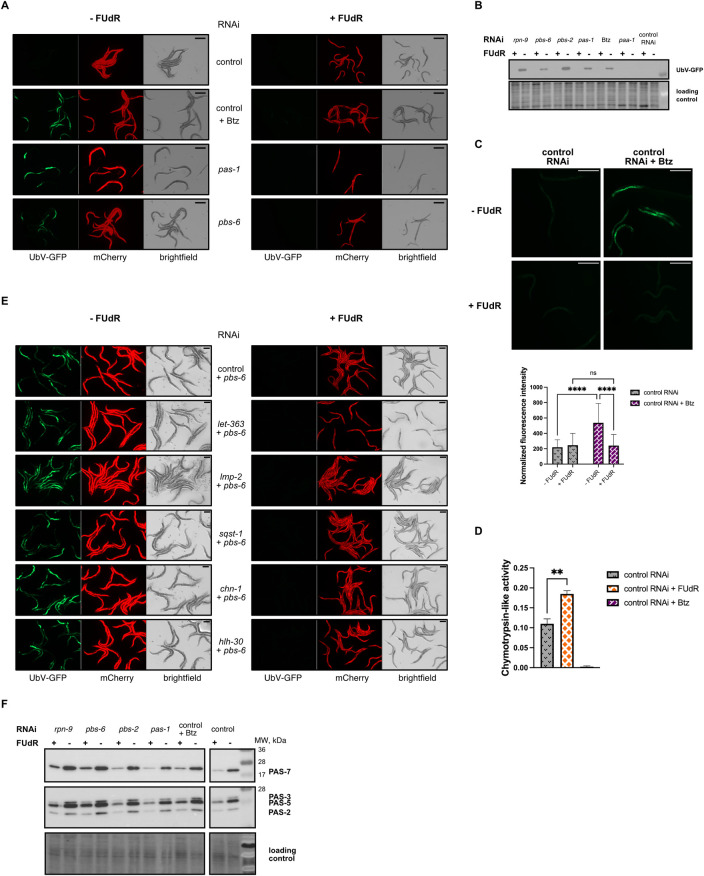 Figure 1
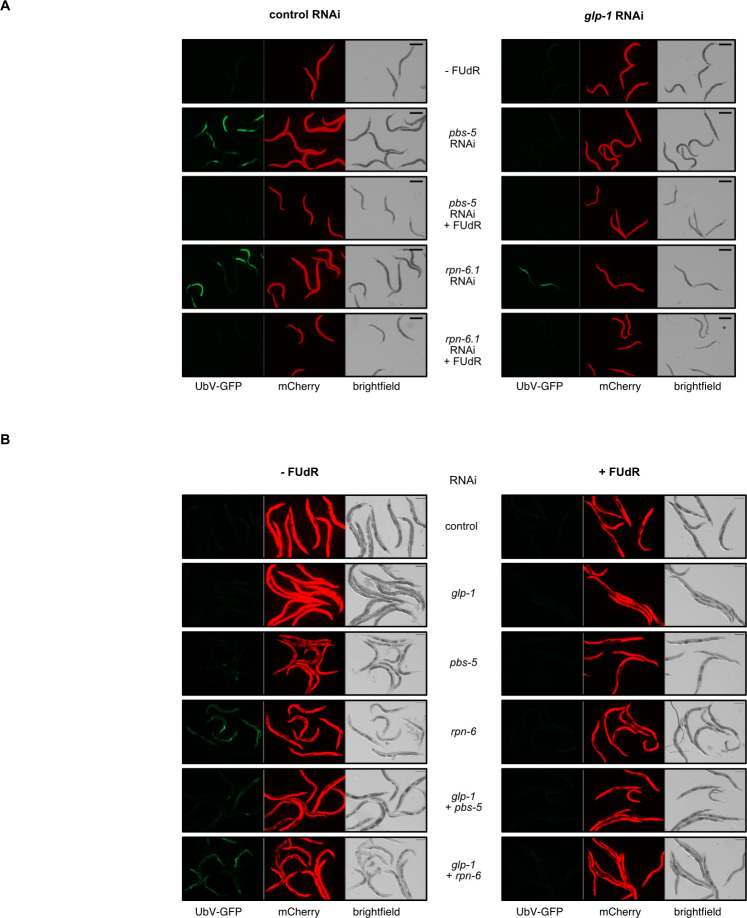 Figure 2
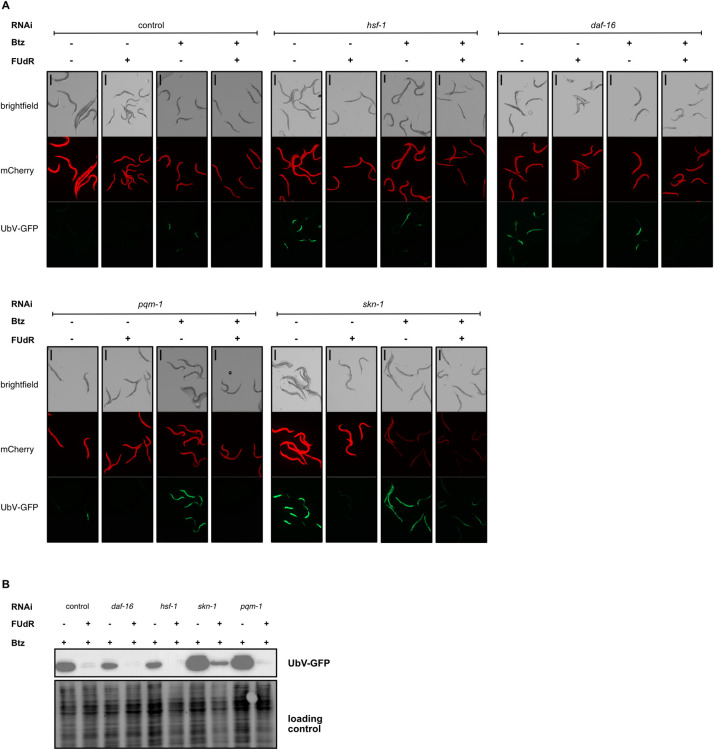 Figure 3
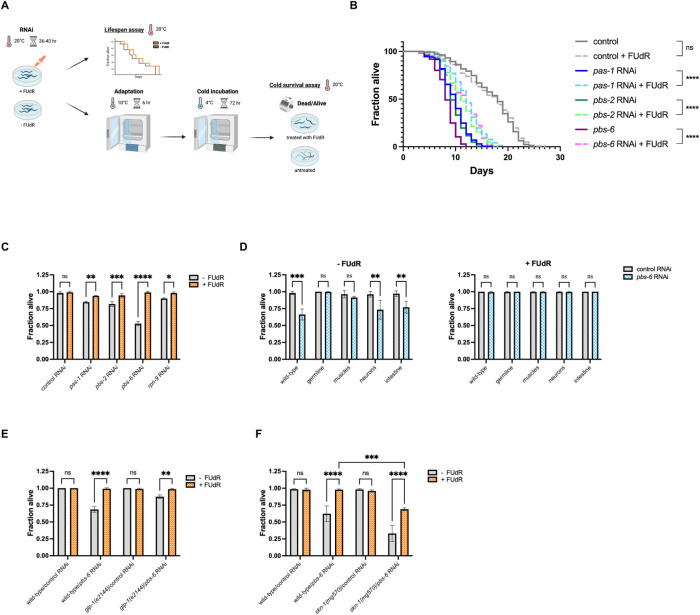 Figure 4
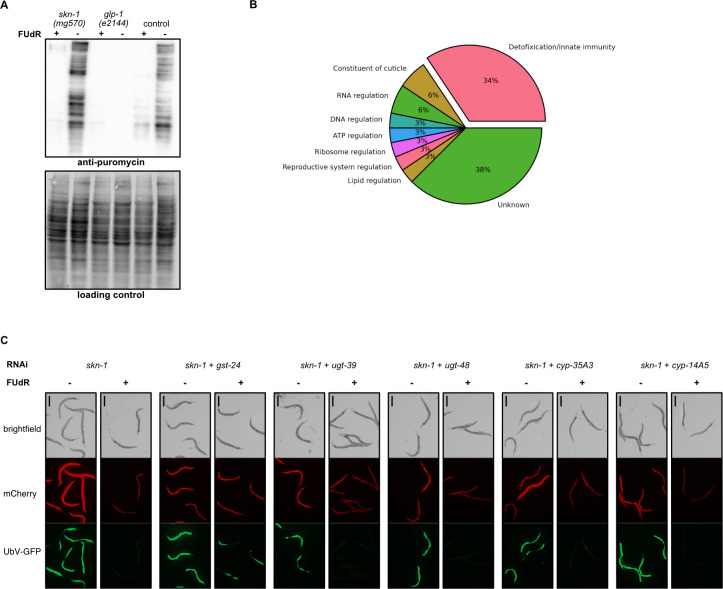 Figure 5
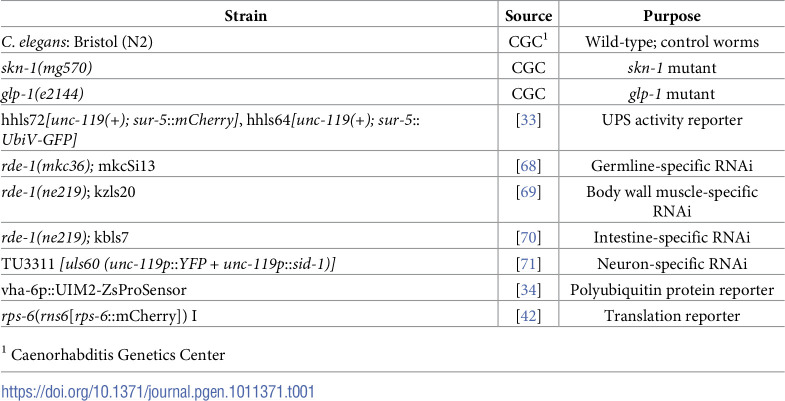 Figure 6
Peer Reviews
No public reviews on file for this paper yet. If you reviewed it on a platform where reviews are public (OpenReview, ICLR, NeurIPS, ICML), you can paste yours below so the community can read it here.
Videos
No videos yet. Explain this paper in a talk, walkthrough, or lecture? Add one.
Taxonomy
TopicsGenetics, Aging, and Longevity in Model Organisms · Spaceflight effects on biology · Mitochondrial Function and Pathology