An adaptable in silico ensemble model of the arachidonic acid cascade
Megan Uttley, Grace Horne, Areti Tsigkinopoulou, Francesco Del Carratore, Aliah Hawari, Magdalena Kiezel-Tsugunova, Alexandra C. Kendall, Janette Jones, David Messenger, Ranjit Kaur Bhogal, Rainer Breitling, Anna Nicolaou

TL;DR
This paper introduces a flexible computer model of the arachidonic acid cascade that can adapt to different cell types and conditions, improving understanding of inflammatory processes.
Contribution
The first ensemble modeling approach applied to the arachidonic acid cascade, enabling adaptable and tuneable simulations.
Findings
The model accurately predicted eicosanoid production in different cell types and under various stimuli.
Quantitative agreement between predictions and experiments can be improved by expanding the model's network.
The model demonstrates the value of integrating in silico and in vitro methods for studying complex biological systems.
Abstract
Eicosanoids are a family of bioactive lipids, including derivatives of the ubiquitous fatty acid arachidonic acid (AA). The intimate involvement of eicosanoids in inflammation motivates the development of predictive in silico models for a systems-level exploration of disease mechanisms, drug development and replacement of animal models. Using an ensemble modelling strategy, we developed a computational model of the AA cascade. This approach allows the visualisation of plausible and thermodynamically feasible predictions, overcoming the limitations of fixed-parameter modelling. A quality scoring method was developed to quantify the accuracy of ensemble predictions relative to experimental data, measuring the overall uncertainty of the process. Monte Carlo ensemble modelling was used to quantify the prediction confidence levels. Model applicability was demonstrated using mass spectrometry…
Genes, proteins, chemicals, diseases, species, mutations and cell lines named across the full text — each resolved to its canonical identifier and authoritative record.
Click any figure to enlarge with its caption.
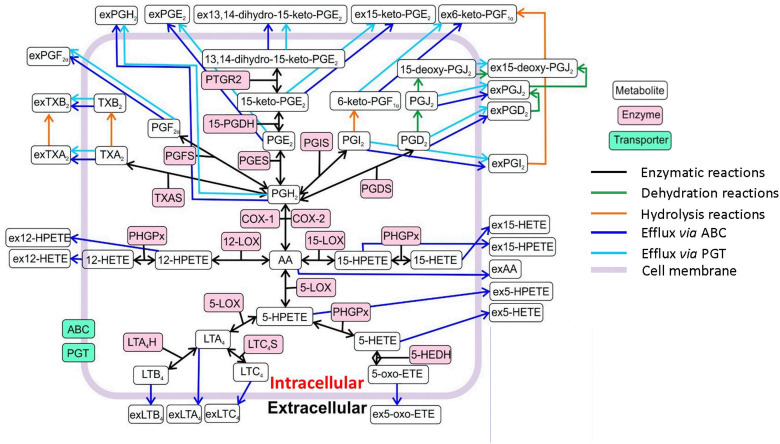 Figure 1
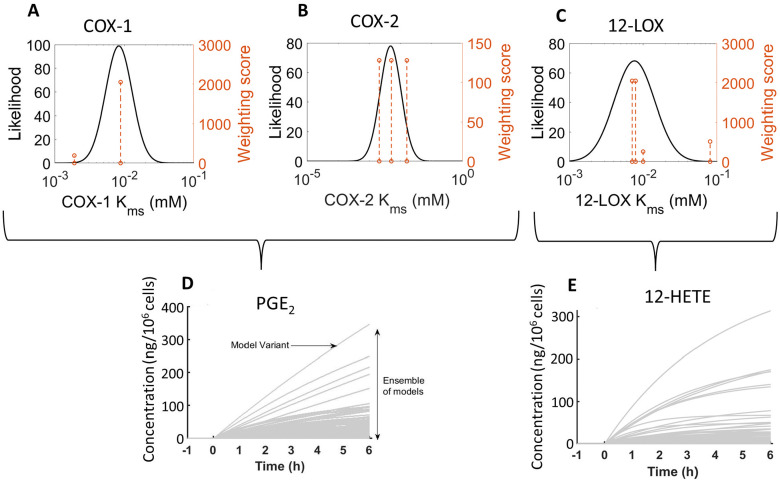 Figure 2
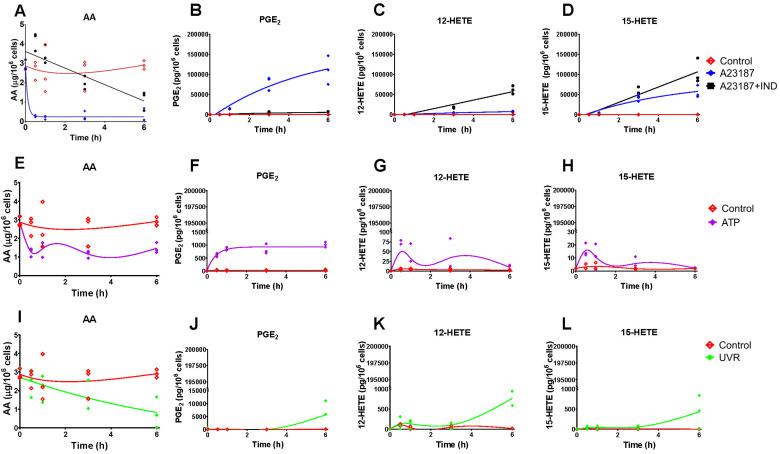 Figure 3
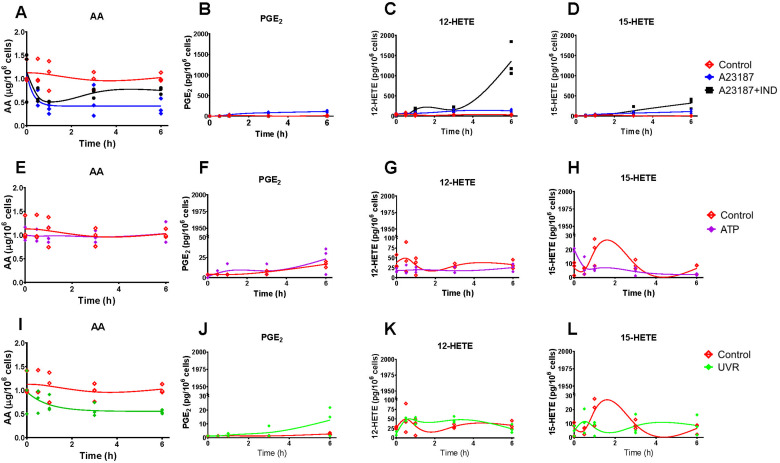 Figure 4
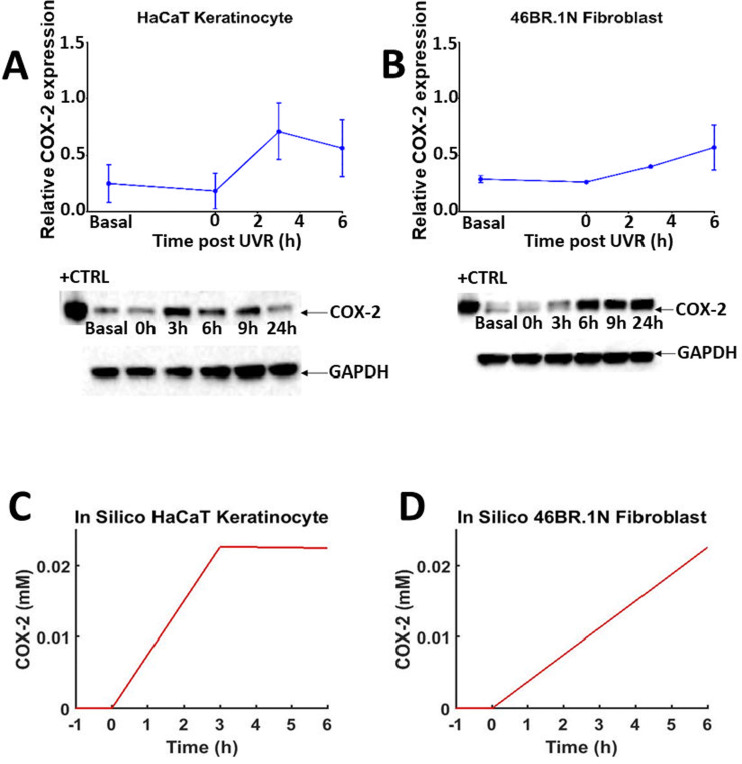 Figure 5
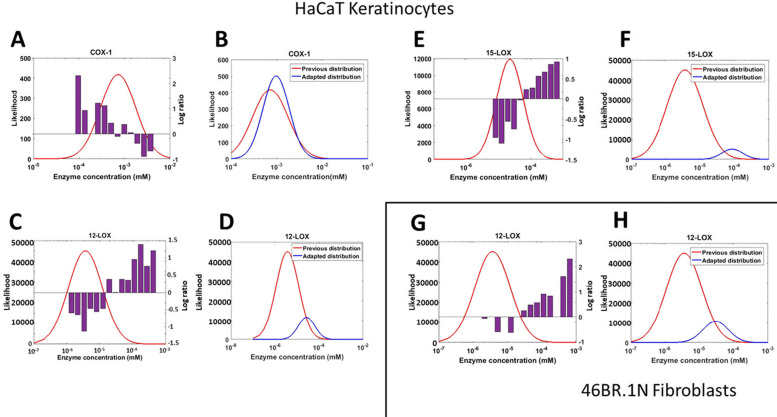 Figure 6
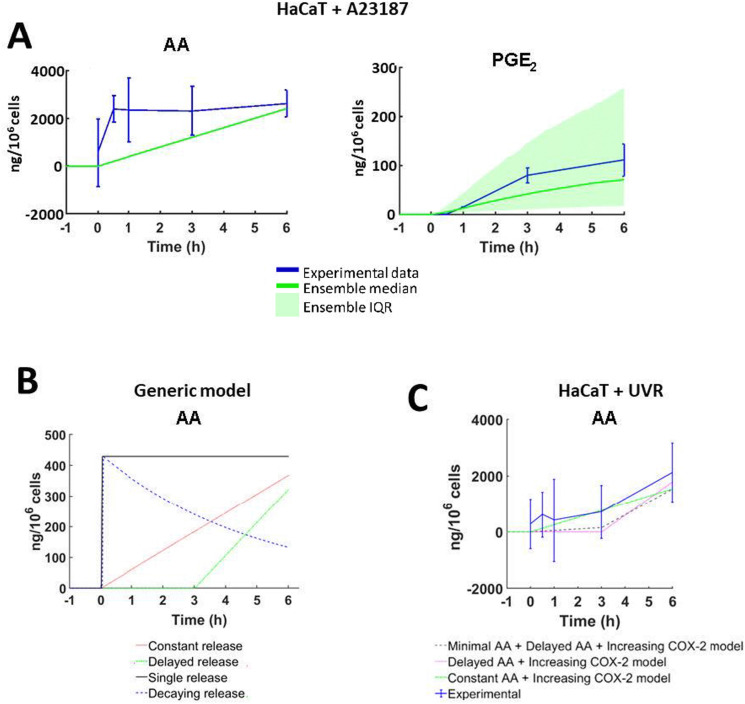 Figure 7
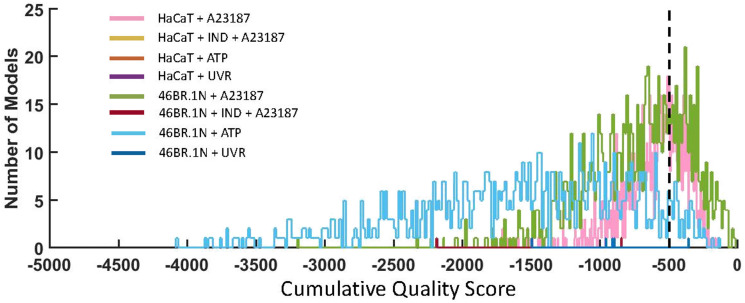 Figure 8
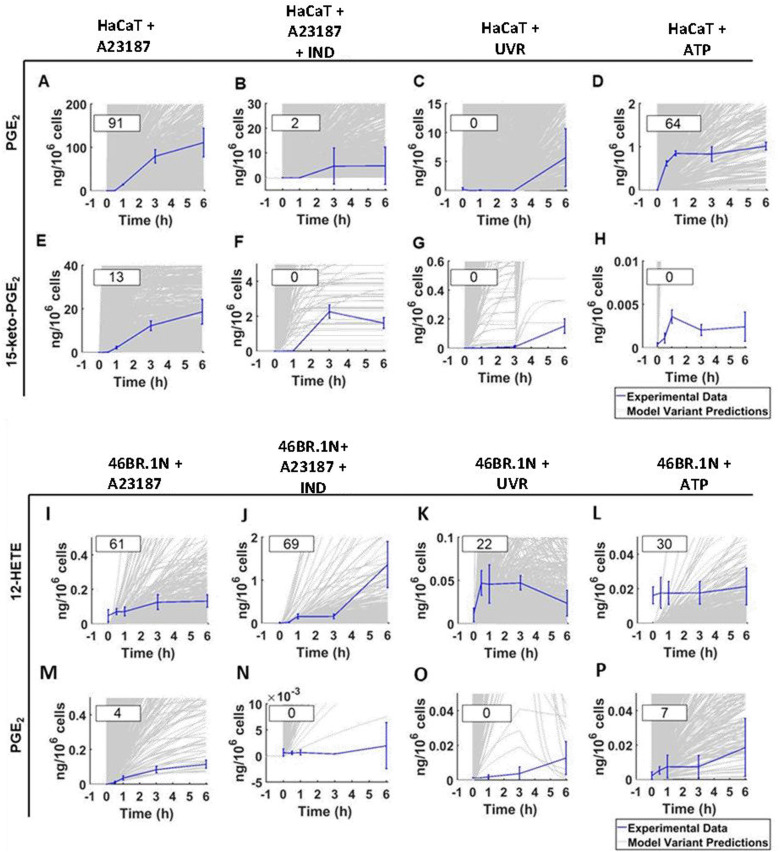 Figure 9
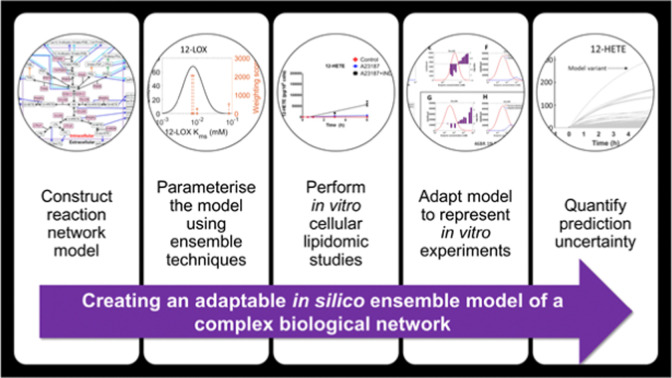 Figure 10
 Figure 11
 Figure 12
 Figure 13
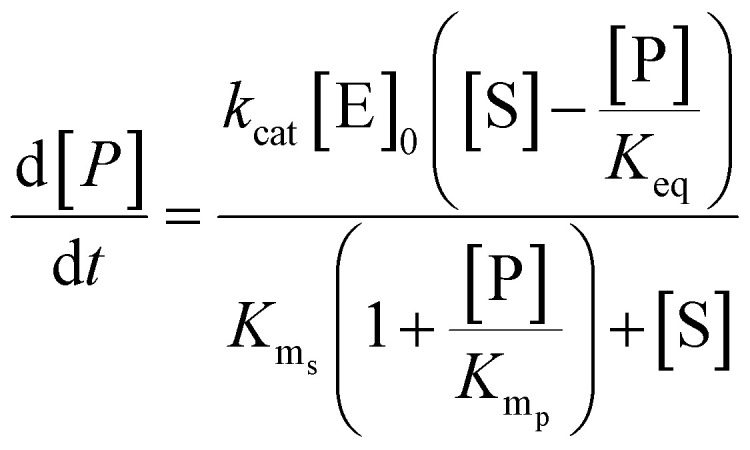 Figure 14
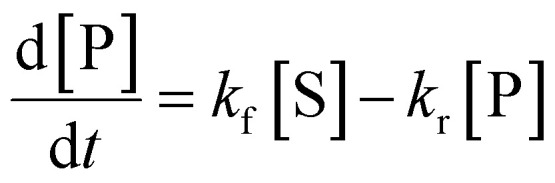 Figure 15
 Figure 16
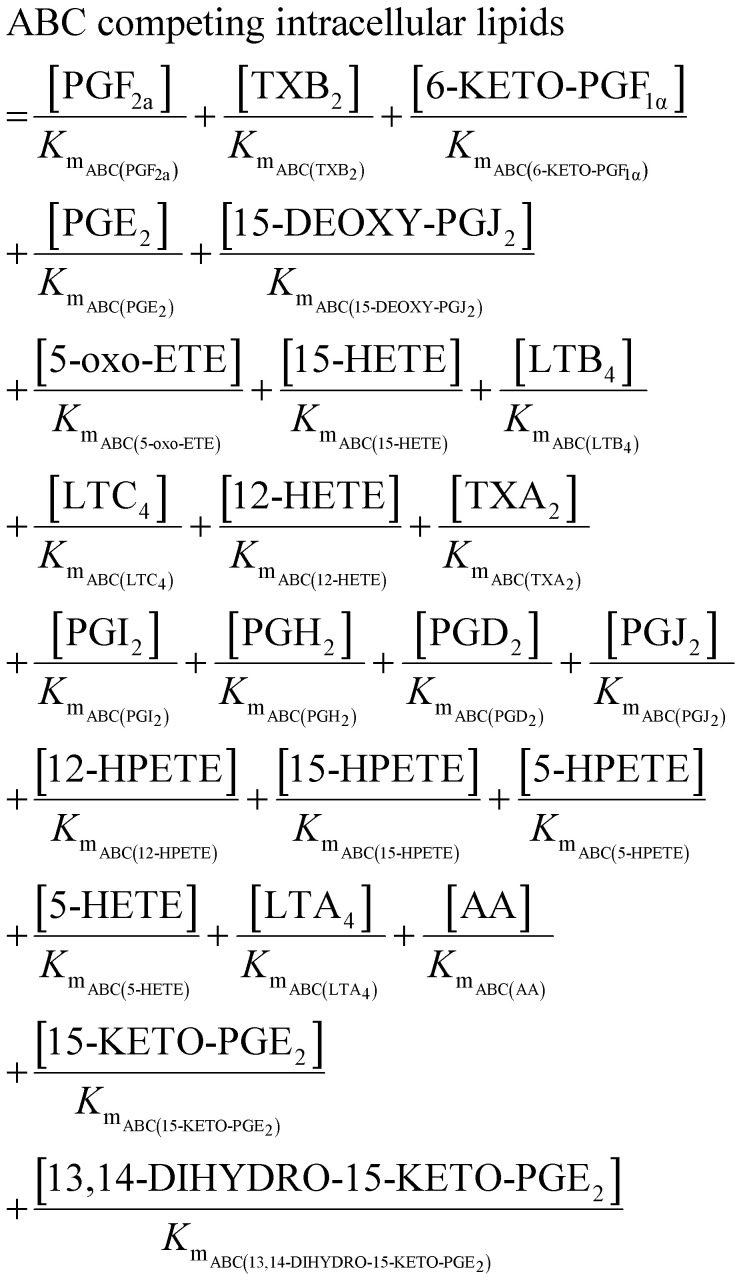 Figure 17
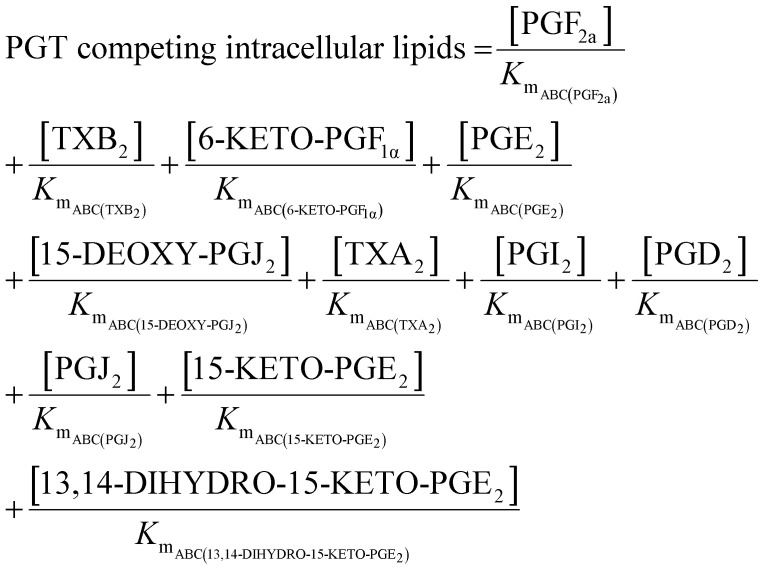 Figure 18
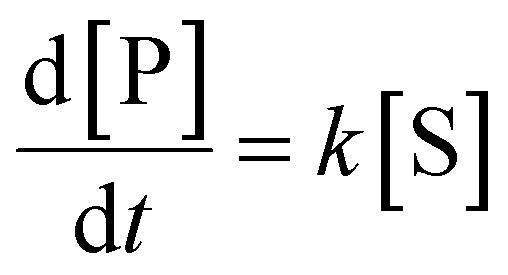 Figure 19
Peer Reviews
No public reviews on file for this paper yet. If you reviewed it on a platform where reviews are public (OpenReview, ICLR, NeurIPS, ICML), you can paste yours below so the community can read it here.
Videos
No videos yet. Explain this paper in a talk, walkthrough, or lecture? Add one.
Taxonomy
TopicsAnalytical Chemistry and Chromatography · Molecular spectroscopy and chirality