Clinical Management of Hydrops Fetalis in a Premature Neonate in India: A Case Report
Mridu Bahal, Sudhir Malwade, Jasleen Dua, Abhishek Denge, Sheuli Paul

TL;DR
This case report describes the successful postnatal management of a premature neonate with severe hydrops fetalis in India.
Contribution
The novelty lies in demonstrating effective clinical management of hydrops fetalis in a resource-limited setting.
Findings
A 29-year-old female's severe hydrops fetalis was successfully managed postnatally.
Immune hydrops remain a significant challenge in third-world nations despite recent advances.
Abstract
Hydrops fetalis has classically been defined as the presence of extracellular fluid in at least two fetal body compartments. This fluid collection includes skin edema (> 5 mm thickness), pericardial effusion, pleural effusion, and ascites. Here we present a case of a 29-year-old female with antenatally diagnosed severe hydrops fetalis which was postnatally successfully managed. Despite recent advances, immune hydrops are still a challenge for healthcare workers in third-world nations.
Genes, proteins, chemicals, diseases, species, mutations and cell lines named across the full text — each resolved to its canonical identifier and authoritative record.
Click any figure to enlarge with its caption.
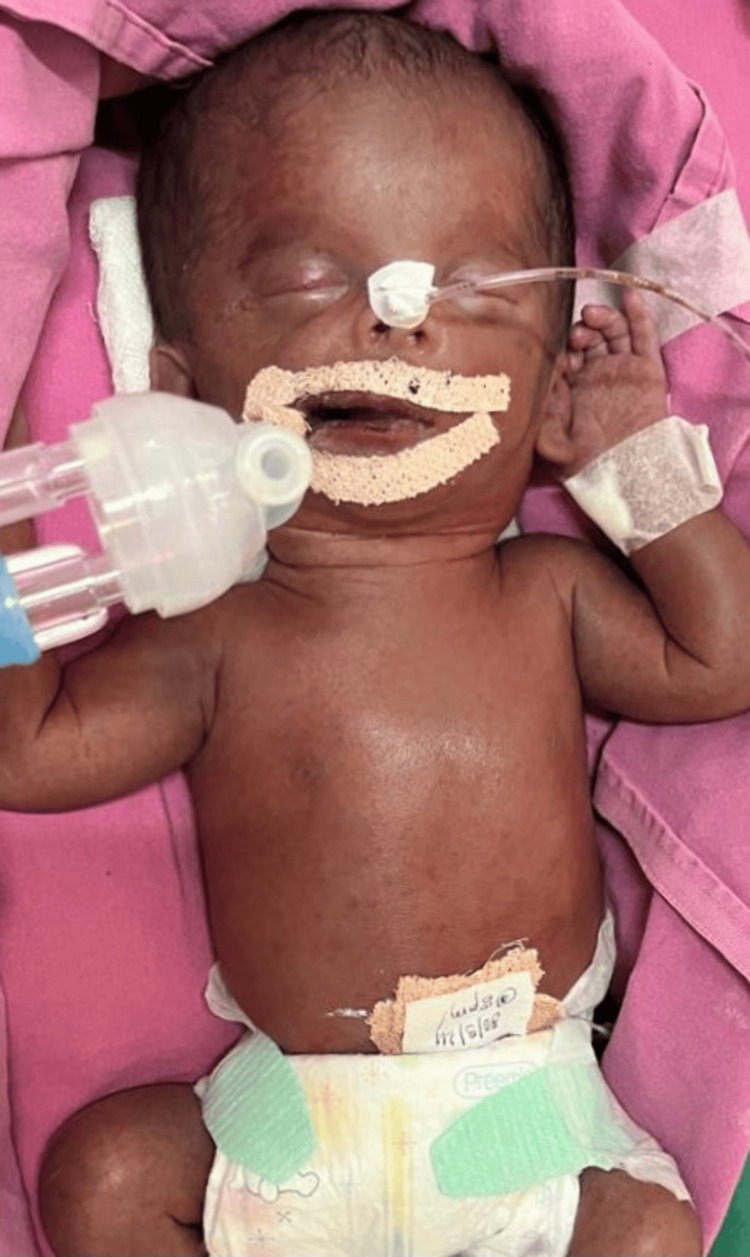 Figure 1
Peer Reviews
No public reviews on file for this paper yet. If you reviewed it on a platform where reviews are public (OpenReview, ICLR, NeurIPS, ICML), you can paste yours below so the community can read it here.
Videos
No videos yet. Explain this paper in a talk, walkthrough, or lecture? Add one.
Taxonomy
TopicsParvovirus B19 Infection Studies · Blood groups and transfusion · Erythrocyte Function and Pathophysiology