A Case of Neonatal Chlamydial Conjunctivitis: Illustrating the Typical Aspects of Presentation and the Importance of Empiric Treatment and a Multidisciplinary Approach
Imani Nwokeji, Kun Ding, Scott Ketner

TL;DR
This paper presents a case of neonatal chlamydial conjunctivitis and highlights the importance of early treatment and collaboration among medical specialists.
Contribution
The paper emphasizes the need for empiric treatment and a multidisciplinary approach in managing neonatal chlamydial conjunctivitis.
Findings
Neonatal chlamydial conjunctivitis can occur despite routine prenatal screening and standard preventive measures.
A multidisciplinary approach involving ophthalmology, pediatrics, and infectious diseases is crucial for effective management.
Early recognition and treatment are essential to prevent complications like corneal scarring.
Abstract
Chlamydia trachomatis is the most common cause of infectious neonatal conjunctivitis in the United States and worldwide. If left untreated, it can cause scarring of the cornea or conjunctiva. Furthermore, neonatal chlamydial conjunctivitis is not infrequently associated with chlamydial pneumonia, making this type of neonatal conjunctivitis important to recognize and treat. We present a case of neonatal chlamydial conjunctivitis that occurred despite routine prenatal screening and the use of erythromycin ophthalmic ointment at birth. The case illustrates many of the typical aspects of the presentation of this condition as well as the importance of empiric treatment and a multidisciplinary approach, involving not only ophthalmology and pediatrics but infectious diseases and social services, when appropriate.
Genes, proteins, chemicals, diseases, species, mutations and cell lines named across the full text — each resolved to its canonical identifier and authoritative record.
Click any figure to enlarge with its caption.
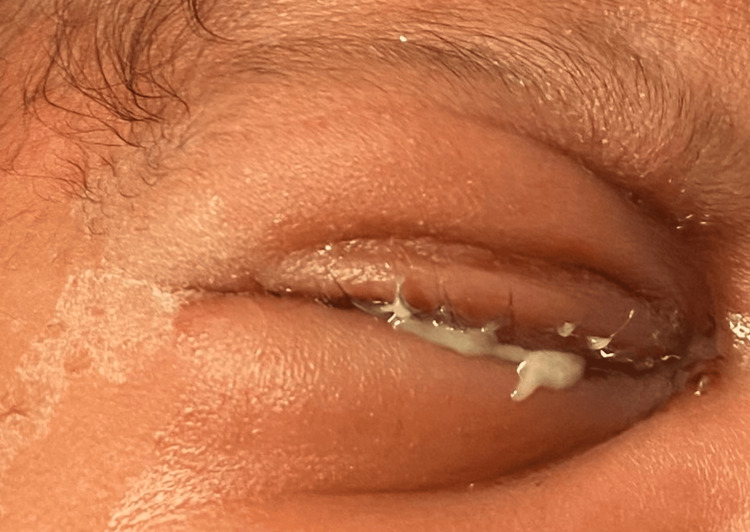 Figure 1
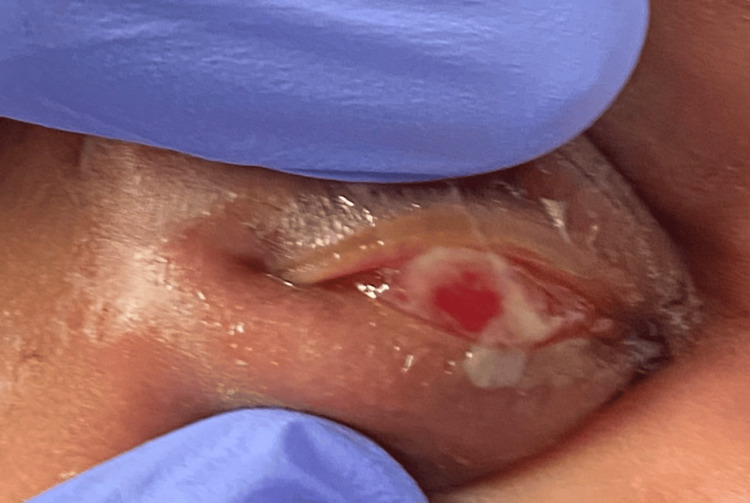 Figure 2
Peer Reviews
No public reviews on file for this paper yet. If you reviewed it on a platform where reviews are public (OpenReview, ICLR, NeurIPS, ICML), you can paste yours below so the community can read it here.
Videos
No videos yet. Explain this paper in a talk, walkthrough, or lecture? Add one.
Taxonomy
TopicsReproductive tract infections research · Urinary Tract Infections Management · Syphilis Diagnosis and Treatment