Serial Assessment of Hemodynamic and Cerebrovascular Changes After Administration of Mannitol in Postoperative Neurosurgical Patients in the Intensive Care Unit: A Combined Transthoracic and Transcranial Color Doppler Study
Soumya Madhusudan, Smita Vimala, Manikandan S, Ayesha Goyal, Yatiraj Singi

TL;DR
This study examines how mannitol affects blood flow and heart function in neurosurgery patients after surgery, finding temporary improvements in brain blood flow without major heart issues.
Contribution
The study provides new insights into the transient cerebrovascular effects of mannitol in postoperative neurosurgical patients.
Findings
Mannitol caused immediate increases in cerebral blood flow on the first postoperative day.
These effects were temporary, with no significant changes observed on the second day.
Cardiovascular parameters like stroke volume and cardiac output remained stable.
Abstract
Introduction: Mannitol is widely used in neurosurgical units to mitigate raised intracranial pressure and cerebral edema, crucial in postoperative management. Its hyperosmolar properties reduce brain extracellular fluid, thereby altering cerebral perfusion and cardiac dynamics. However, the temporal and combined effects of mannitol on cardiovascular and cerebrovascular parameters remain inadequately explored in postoperative settings. Methods: This prospective observational study enrolled 20 adult patients who underwent elective craniotomies for tumor excision. Mannitol was administered to the patients at a dose of 0.5 mg/kg/dose as a bolus dose over 20 to 30 minutes. The time interval was eight hours between the doses (scheduled dosing). Patients received their first dose of mannitol in the ICU after eight hours of intraoperative dose. The patients were given mannitol for two…
Genes, proteins, chemicals, diseases, species, mutations and cell lines named across the full text — each resolved to its canonical identifier and authoritative record.
Click any figure to enlarge with its caption.
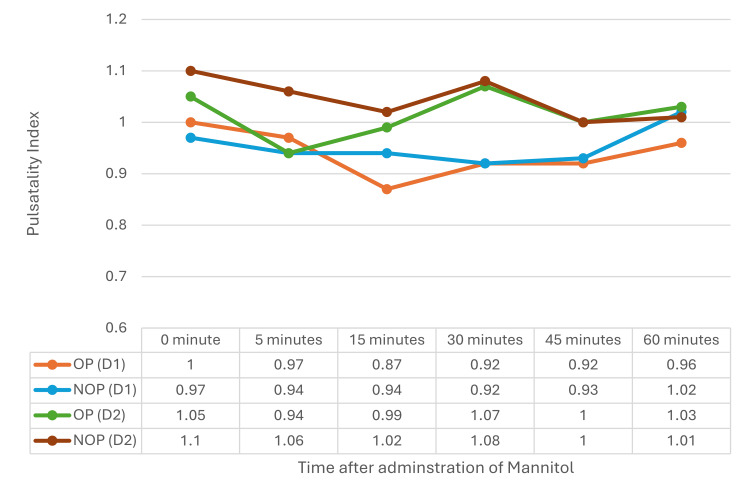 Figure 1
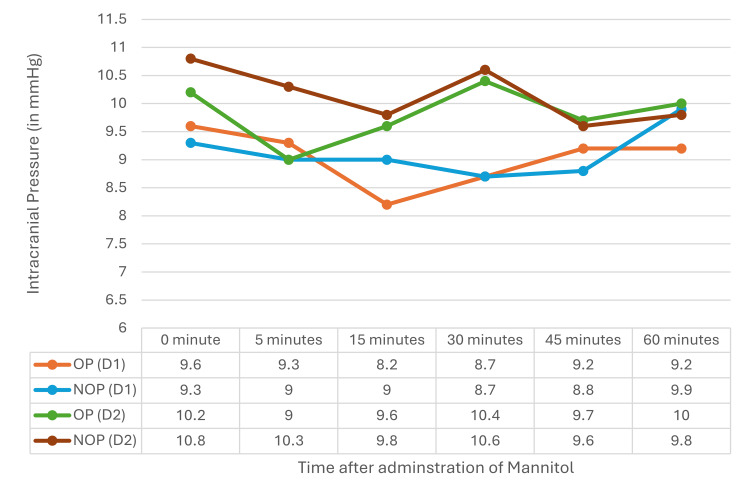 Figure 2
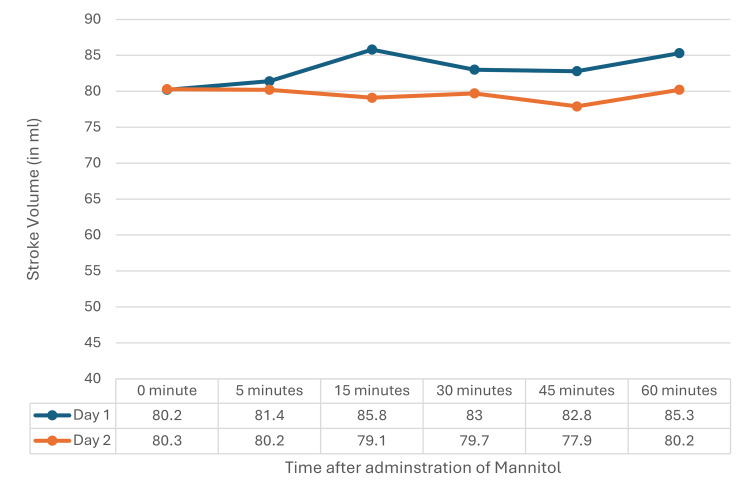 Figure 3
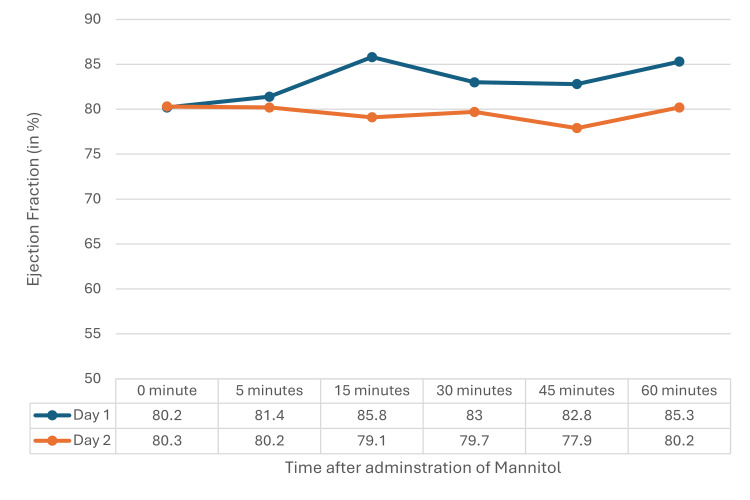 Figure 4
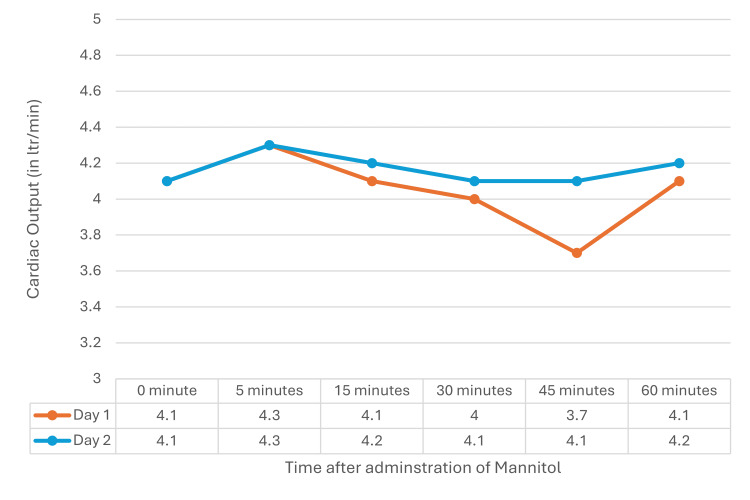 Figure 5
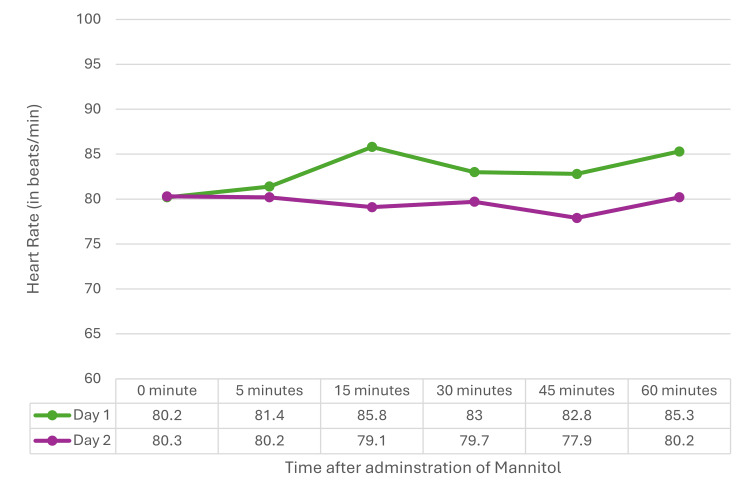 Figure 6
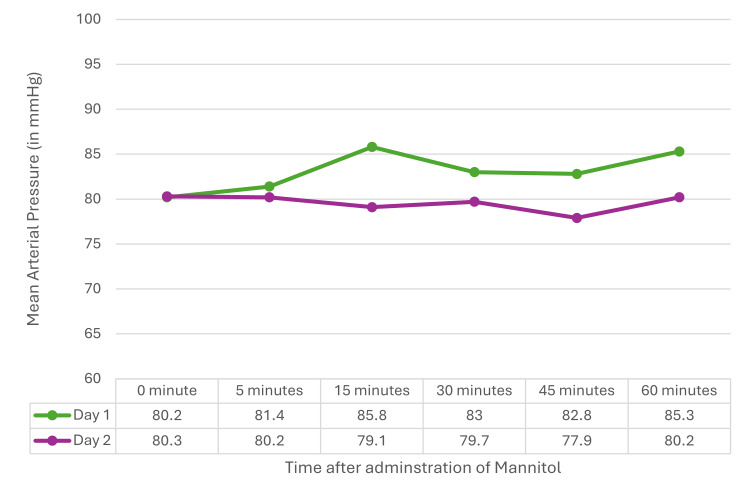 Figure 7
Peer Reviews
No public reviews on file for this paper yet. If you reviewed it on a platform where reviews are public (OpenReview, ICLR, NeurIPS, ICML), you can paste yours below so the community can read it here.
Videos
No videos yet. Explain this paper in a talk, walkthrough, or lecture? Add one.
Taxonomy
TopicsTraumatic Brain Injury and Neurovascular Disturbances · Intracranial Aneurysms: Treatment and Complications · Neurosurgical Procedures and Complications