Serotonin transporter knockout in rats reduces beta- and gamma-band functional connectivity between the orbitofrontal cortex and amygdala during auditory discrimination
Morgane Boillot, Jordi ter Horst, José Rey López, Ilaria Di Fazio, Indra L M Steens, Michael X Cohen, Judith R Homberg

TL;DR
This study shows that serotonin transporter knockout in rats affects brain connectivity between the orbitofrontal cortex and amygdala during an auditory task.
Contribution
The study identifies how SERT genotype modulates functional connectivity in specific frequency bands during decision-making.
Findings
SERT−/− rats showed reduced beta- and gamma-band synchronization between the orbitofrontal cortex and amygdala during response selection.
This reduction was associated with decreased hubness and clustering coefficient in both brain regions.
Theta synchronization during reward-related behavior was unaffected by SERT genotype.
Abstract
The orbitofrontal cortex and amygdala collaborate in outcome-guided decision-making through reciprocal projections. While serotonin transporter knockout (SERT−/−) rodents show changes in outcome-guided decision-making, and in orbitofrontal cortex and amygdala neuronal activity, it remains unclear whether SERT genotype modulates orbitofrontal cortex–amygdala synchronization. We trained SERT−/− and SERT+/+ male rats to execute a task requiring to discriminate between two auditory stimuli, one predictive of a reward (CS+) and the other not (CS−), by responding through nose pokes in opposite-side ports. Overall, task acquisition was not influenced by genotype. Next, we simultaneously recorded local field potentials in the orbitofrontal cortex and amygdala of both hemispheres while the rats performed the task. Behaviorally, SERT−/− rats showed a nonsignificant trend for more accurate…
Genes, proteins, chemicals, diseases, species, mutations and cell lines named across the full text — each resolved to its canonical identifier and authoritative record.
Click any figure to enlarge with its caption.
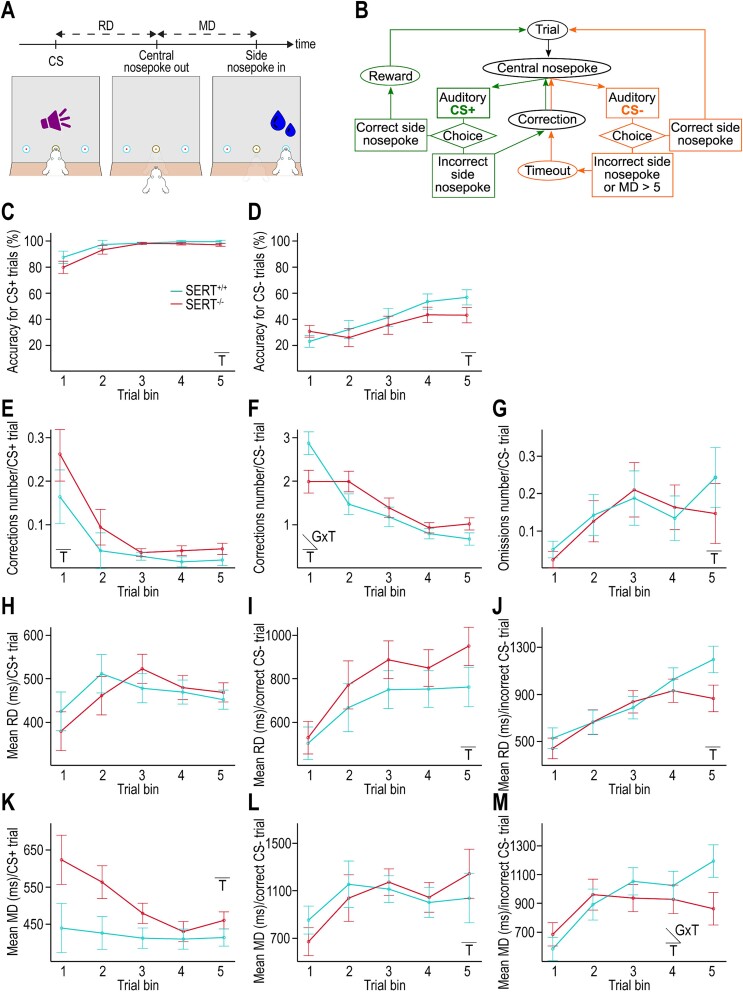 Figure 1
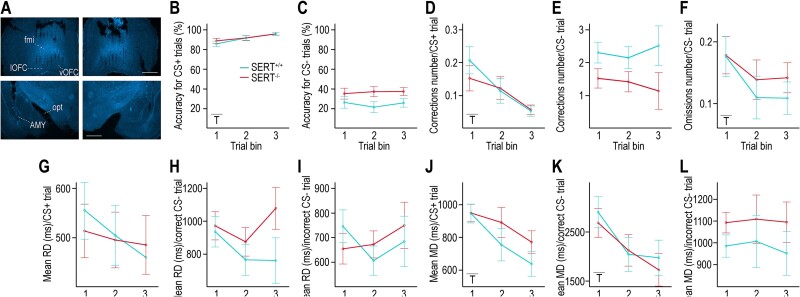 Figure 2
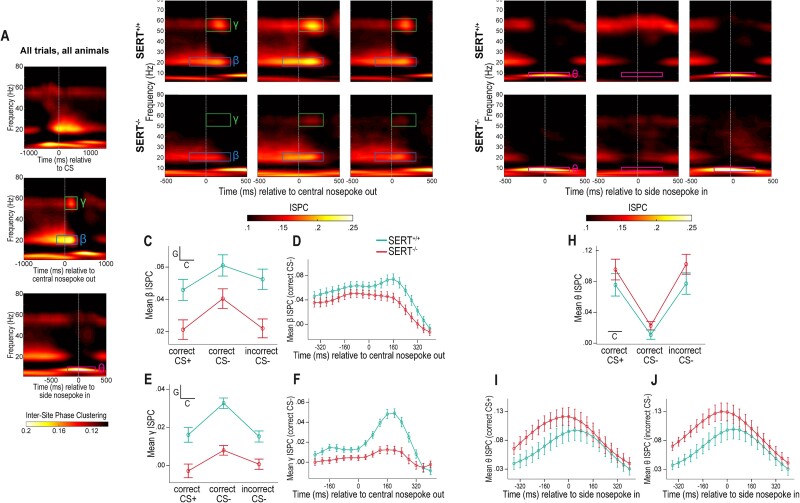 Figure 3
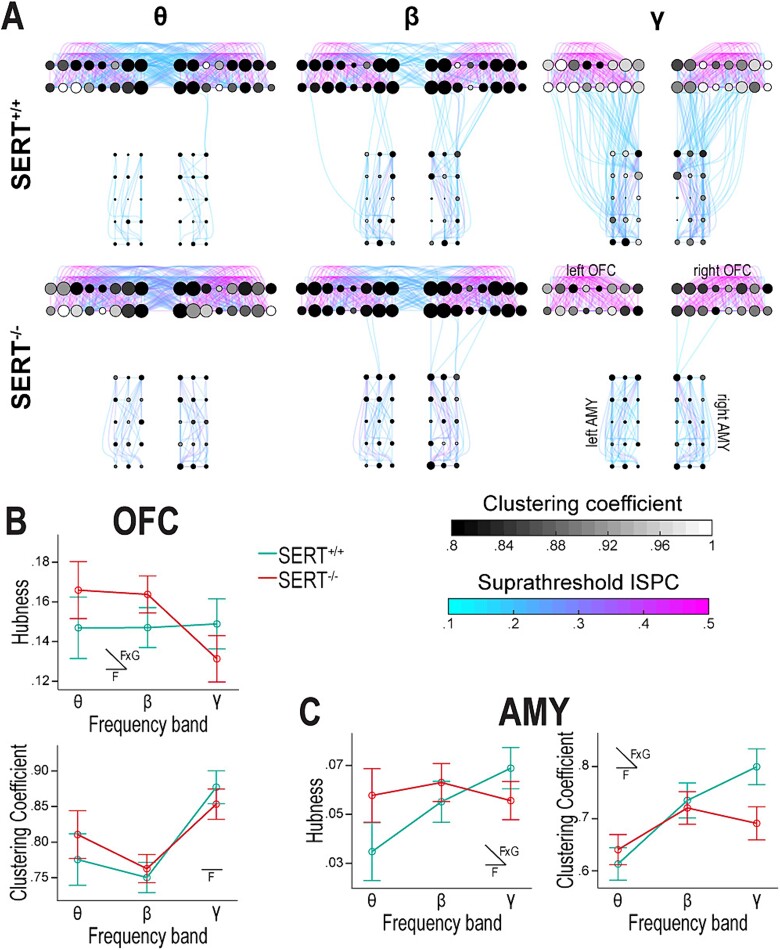 Figure 4
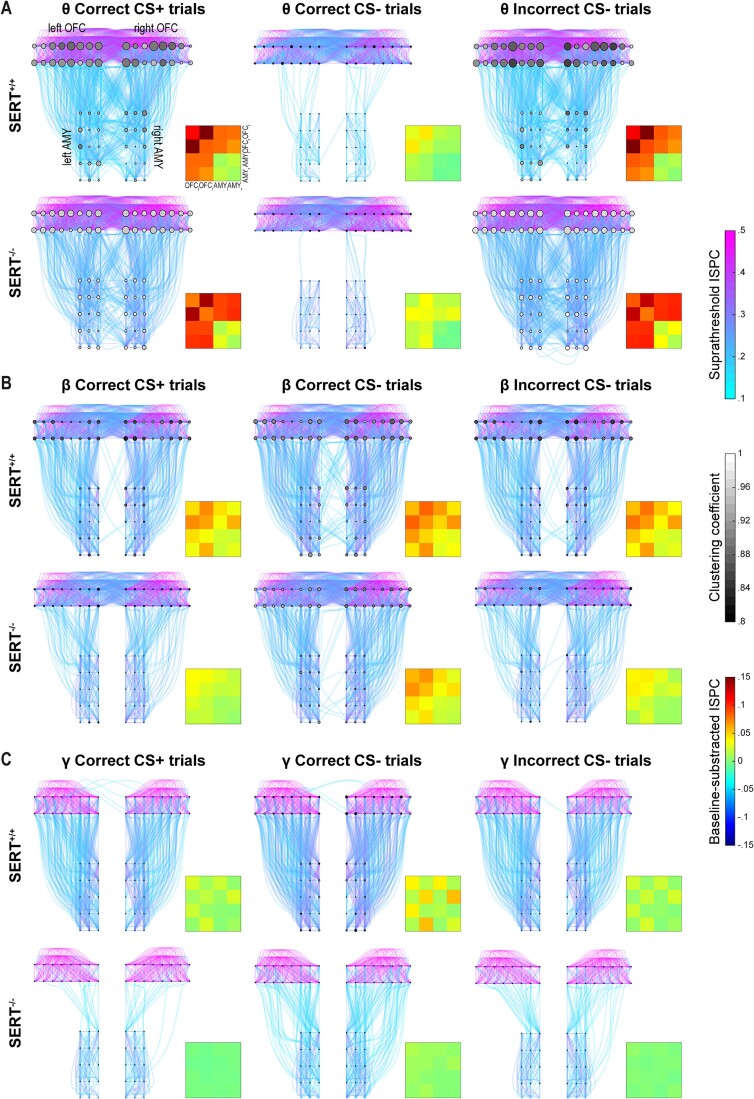 Figure 5
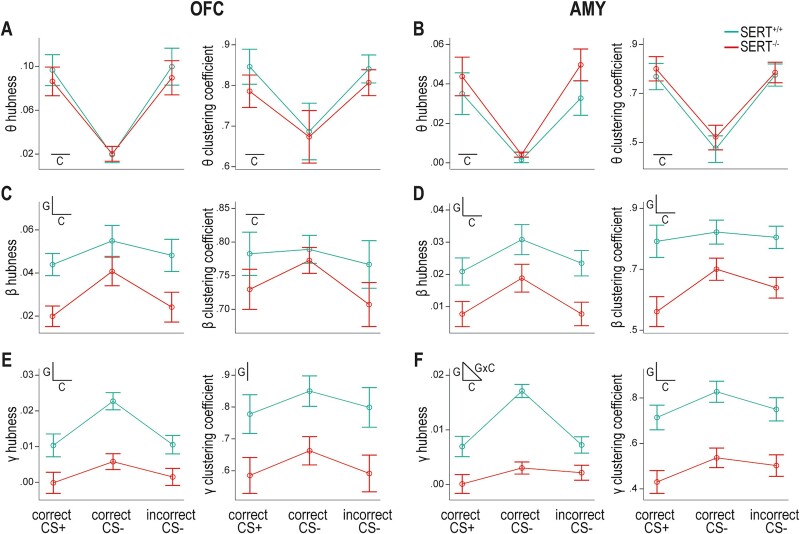 Figure 6
Peer Reviews
No public reviews on file for this paper yet. If you reviewed it on a platform where reviews are public (OpenReview, ICLR, NeurIPS, ICML), you can paste yours below so the community can read it here.
Videos
No videos yet. Explain this paper in a talk, walkthrough, or lecture? Add one.
Taxonomy
TopicsNeural dynamics and brain function · Memory and Neural Mechanisms · Neural and Behavioral Psychology Studies