DNA binding and bridging by human CtIP in the healthy and diseased states
Shreya Lokanathan Balaji, Sara De Bragança, Francisco Balaguer-Pérez, Sarah Northall, Oliver John Wilkinson, Clara Aicart-Ramos, Neeleema Seetaloo, Frank Sobott, Fernando Moreno-Herrero, Mark Simon Dillingham

TL;DR
This study explores how the human protein CtIP binds and bridges DNA, and how mutations linked to certain diseases affect these functions.
Contribution
The study identifies a DNA-binding domain in CtIP and shows that DNA bridging requires tetramerization, with implications for DNA repair.
Findings
CtIP binds non-specifically to DNA and can diffuse over long distances.
DNA bridging by CtIP requires tetramerization via the N-terminal domain.
Disease-associated CtIP variants show impaired DNA binding and bridging.
Abstract
The human DNA repair factor CtIP helps to initiate the resection of double-stranded DNA breaks for repair by homologous recombination, in part through its ability to bind and bridge DNA molecules. However, CtIP is a natively disordered protein that bears no apparent similarity to other DNA-binding proteins and so the structural basis for these activities remains unclear. In this work, we have used bulk DNA binding, single molecule tracking, and DNA bridging assays to study wild-type and variant CtIP proteins to better define the DNA binding domains and the effects of mutations associated with inherited human disease. Our work identifies a monomeric DNA-binding domain in the C-terminal region of CtIP. CtIP binds non-specifically to DNA and can diffuse over thousands of nucleotides. CtIP-mediated bridging of distant DNA segments is observed in single-molecule magnetic tweezers…
Genes, proteins, chemicals, diseases, species, mutations and cell lines named across the full text — each resolved to its canonical identifier and authoritative record.
Click any figure to enlarge with its caption.
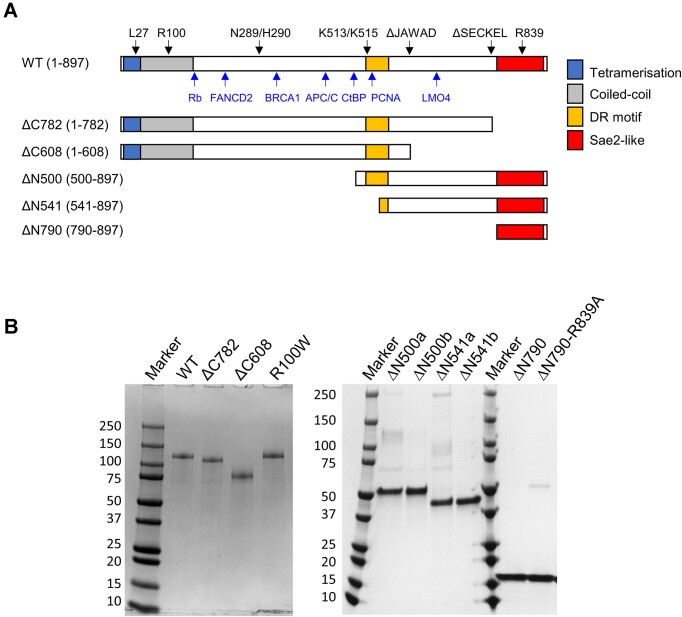 Figure 1
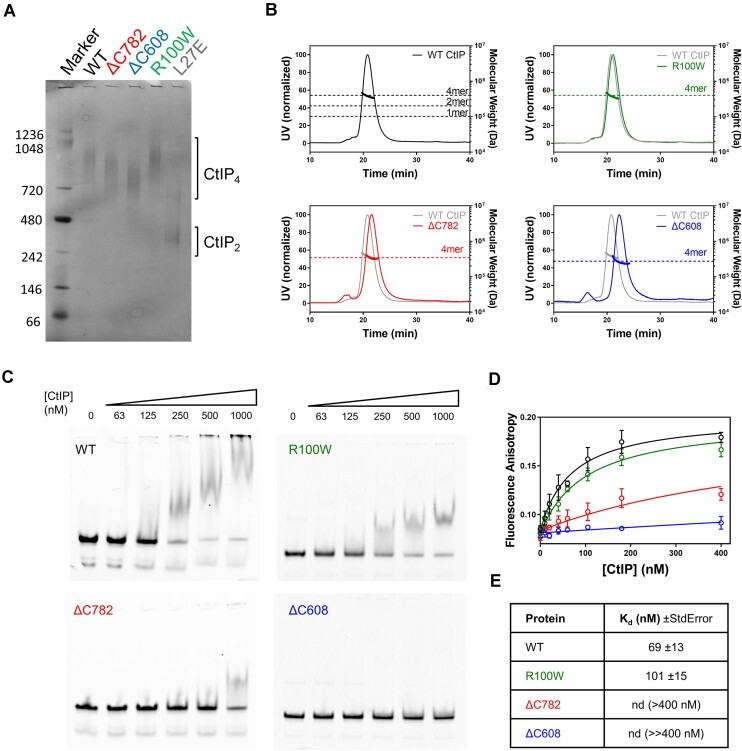 Figure 2
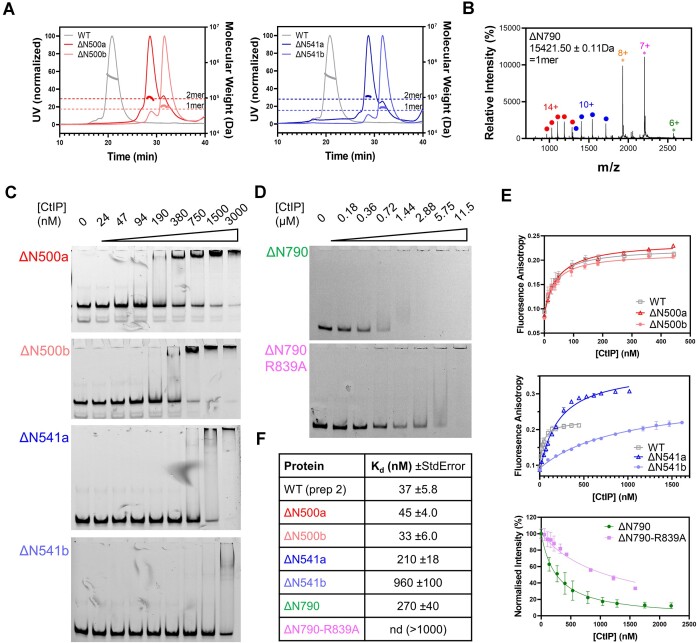 Figure 3
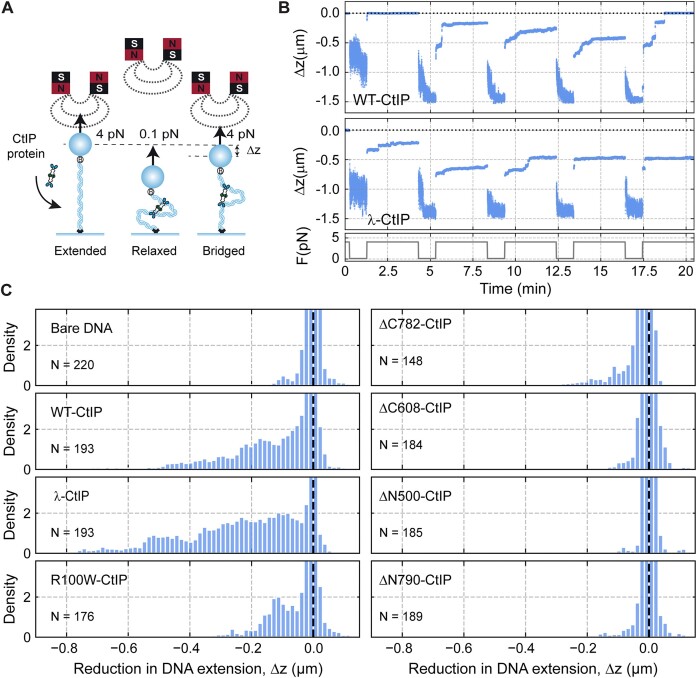 Figure 4
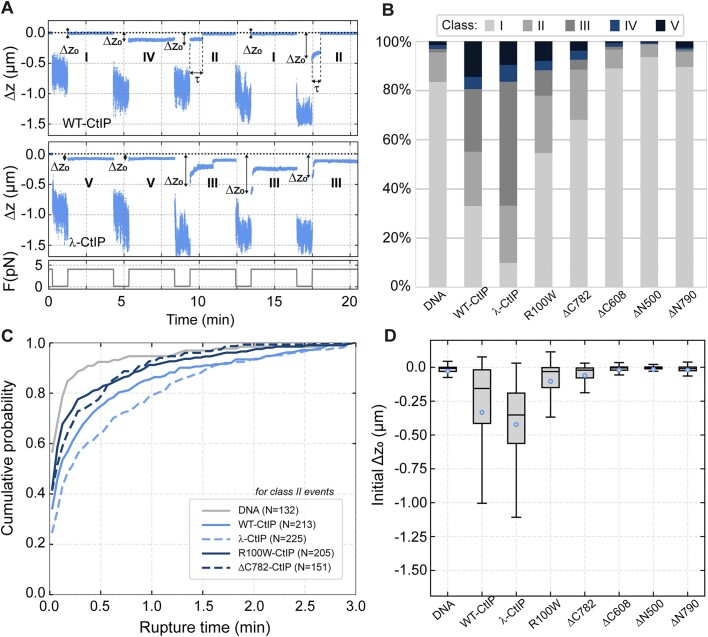 Figure 5
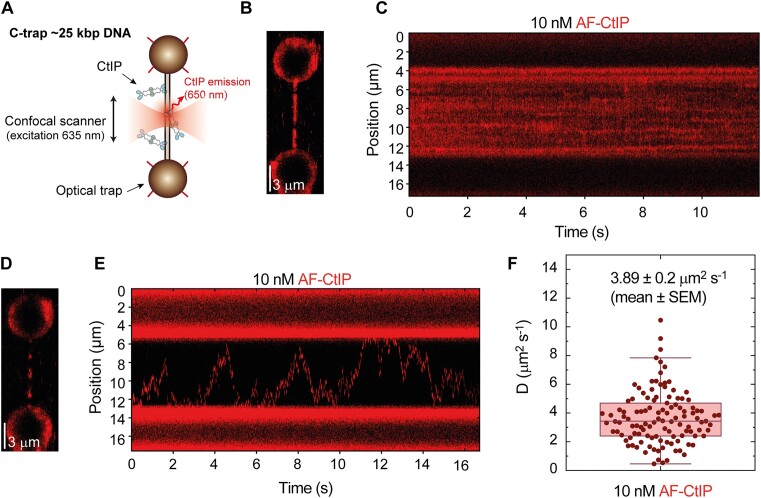 Figure 6
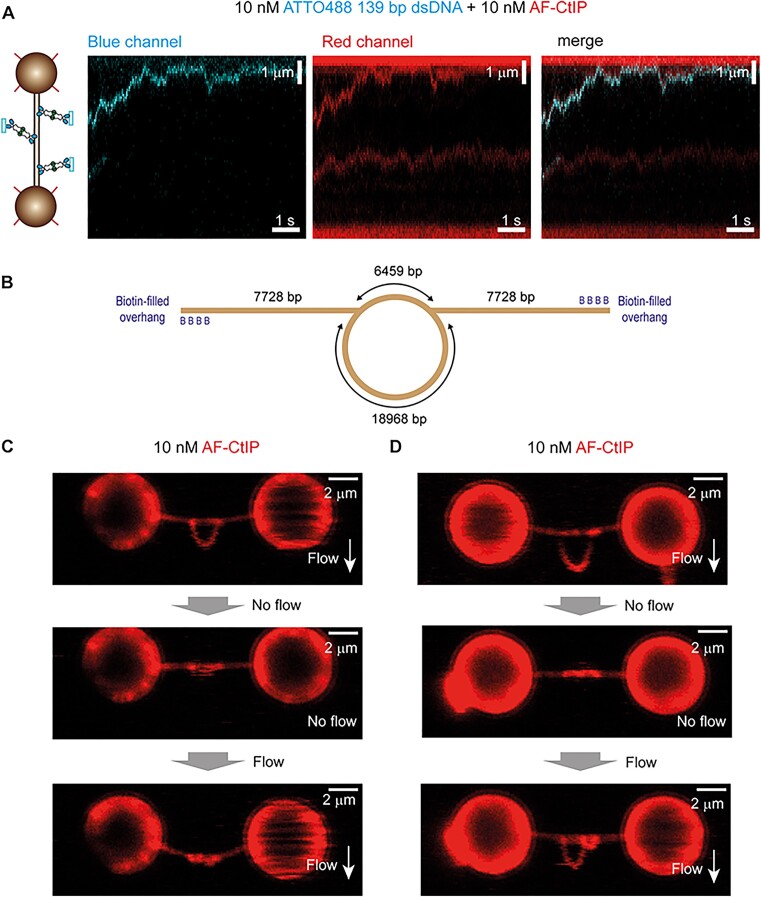 Figure 7
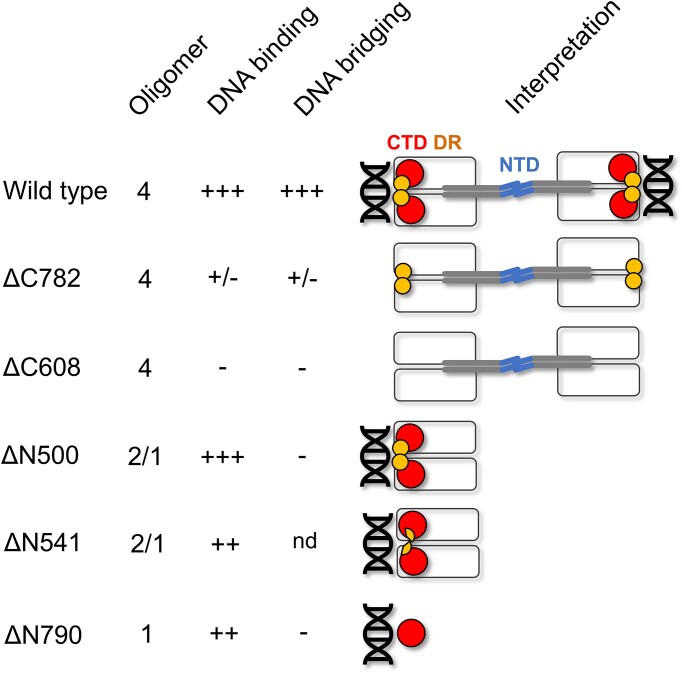 Figure 8
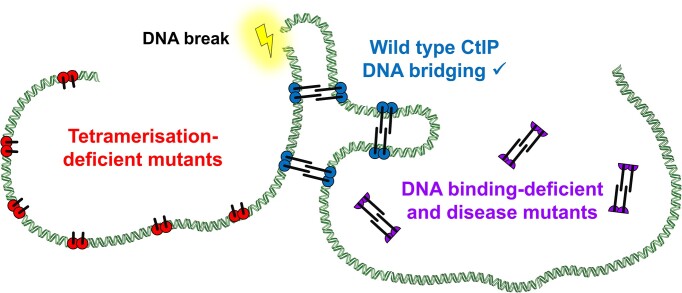 Figure 9
Peer Reviews
No public reviews on file for this paper yet. If you reviewed it on a platform where reviews are public (OpenReview, ICLR, NeurIPS, ICML), you can paste yours below so the community can read it here.
Videos
No videos yet. Explain this paper in a talk, walkthrough, or lecture? Add one.
Taxonomy
TopicsDNA Repair Mechanisms · CRISPR and Genetic Engineering · Chromosomal and Genetic Variations