Exploring Clustered Regularly Interspaced Short Palindromic Repeats-CRISPR-Associated Protein 9 (CRISPR-Cas9) as a Therapeutic Modality for Cancer: A Scoping Review
Abirami Balasubramanian, Keerthana Veluswami, Sudipta Rao, Shailesh Aggarwal, Sweatha Mani

TL;DR
This review explores how CRISPR-Cas9, a gene-editing tool, can be used to treat cancer by precisely modifying genes, while also discussing its challenges and ethical concerns.
Contribution
The paper provides a comprehensive overview of CRISPR-Cas9's therapeutic potential and challenges in cancer treatment.
Findings
CRISPR-Cas9 offers precise gene editing for cancer therapy through knockout and base editing.
Challenges include off-target effects, delivery inefficiency, and ethical concerns.
CRISPR outperforms other gene-editing tools like zinc-finger nucleases.
Abstract
The global burden of cancer and the limitations of conventional therapies highlight the potential of clustered regularly interspaced short palindromic repeats-CRISPR-associated protein 9 (CRISPR-Cas9) in reshaping cancer treatment paradigms. In this review, we have investigated the mechanism of CRISPR, an adaptive immune system in bacteria that enables highly precise gene editing at the molecular level. This versatile tool demonstrates its efficacy in human cancer therapy through gene knockout, metabolic disruption, base editing, screening, and immunotherapy enhancement without affecting normal bodily domains. Despite its superiority over other nucleases like zinc-finger nucleases and transcription activator-like effector nucleases, hurdles such as off-target effects, inefficient delivery of the system to target cells, the emergence of escapers, and the ethical debate surrounding genome…
Genes, proteins, chemicals, diseases, species, mutations and cell lines named across the full text — each resolved to its canonical identifier and authoritative record.
Click any figure to enlarge with its caption.
 Figure 1
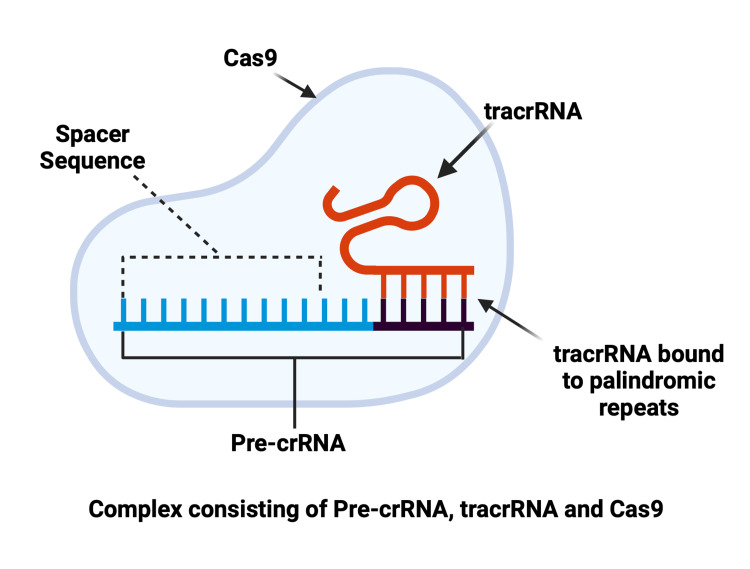 Figure 2
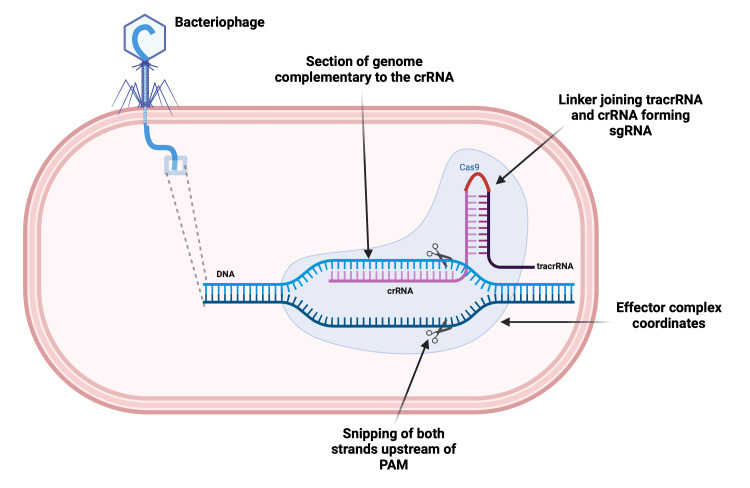 Figure 3
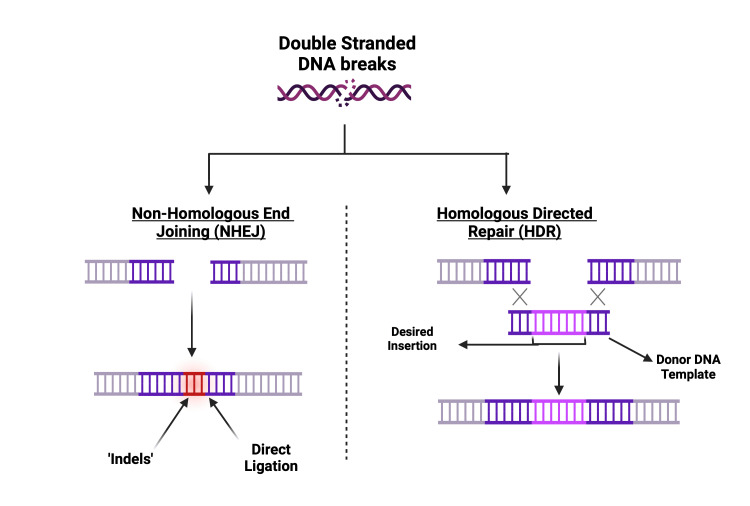 Figure 4
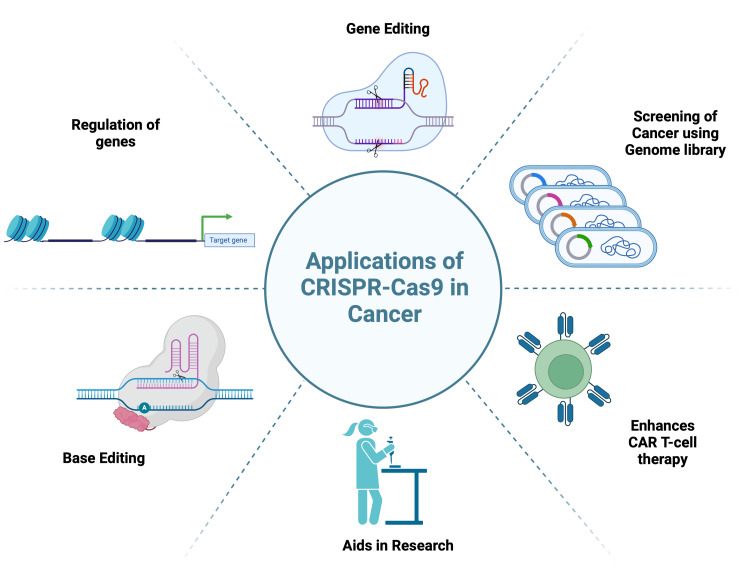 Figure 5
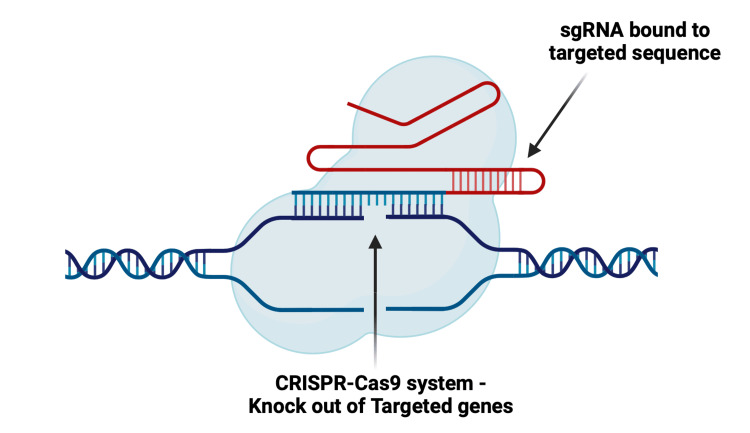 Figure 6
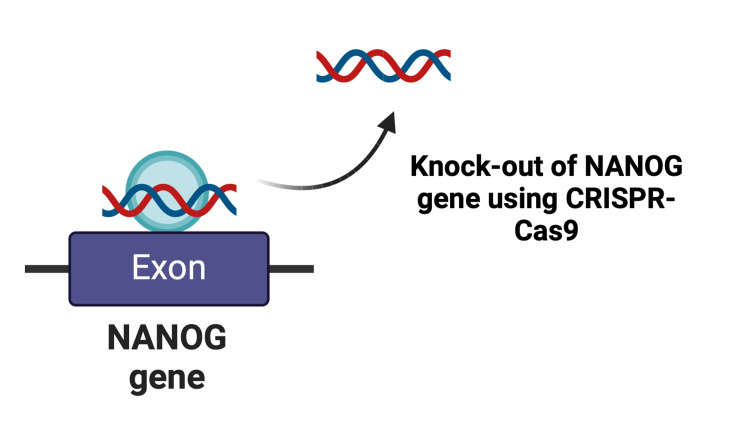 Figure 7
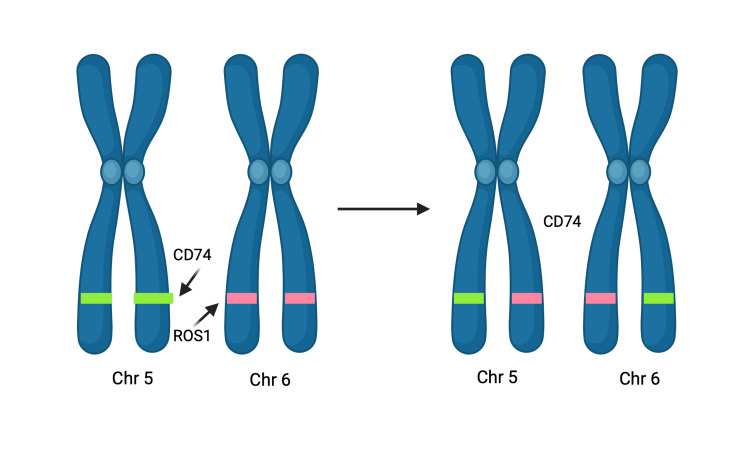 Figure 8
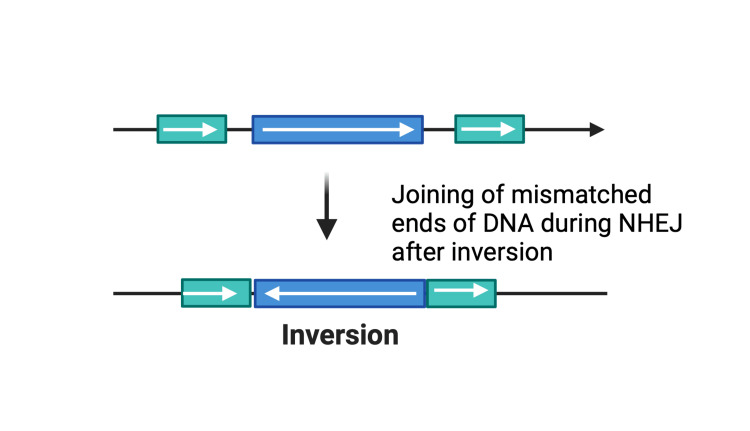 Figure 9
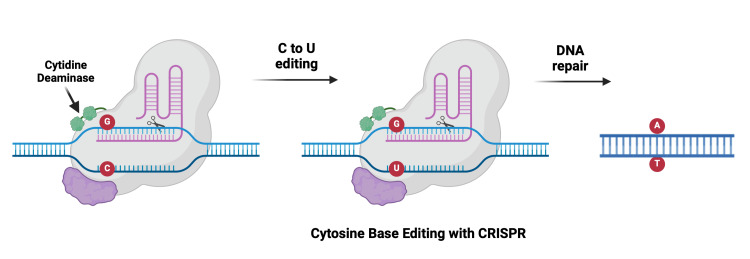 Figure 10
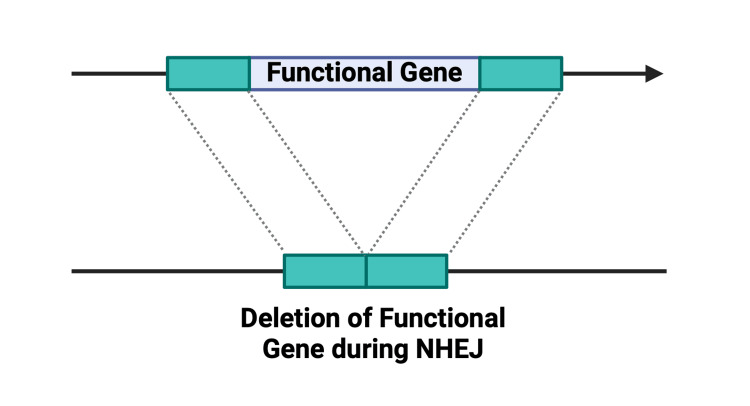 Figure 11
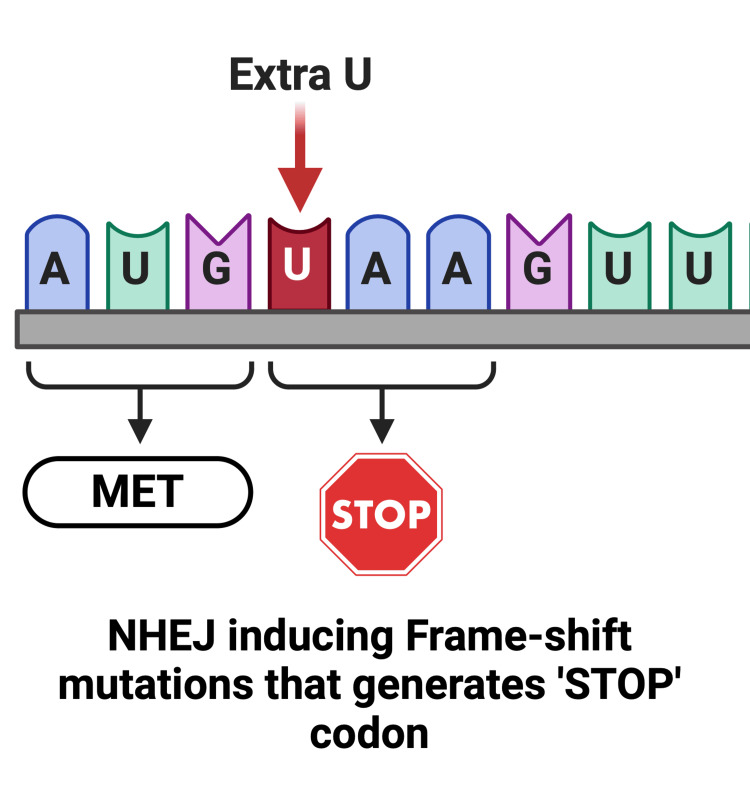 Figure 12
Peer Reviews
No public reviews on file for this paper yet. If you reviewed it on a platform where reviews are public (OpenReview, ICLR, NeurIPS, ICML), you can paste yours below so the community can read it here.
Videos
No videos yet. Explain this paper in a talk, walkthrough, or lecture? Add one.
Taxonomy
TopicsCRISPR and Genetic Engineering · Genetics, Aging, and Longevity in Model Organisms · Innovation and Socioeconomic Development