Primary Central Nervous System Vasculitis Mimicking Susac Syndrome and Multiple Sclerosis With Long-Term Remission and Spontaneous Resolution of Lesions: A Case Report
Akihito Koseki, Youji Suzuki, Shugo Uchida, Naoki Morishita, Yukio Hokazono, Ken Kuriki, Yasuhiro Yamamura, Mari Yoshida, Naoki Sakai

TL;DR
A 40-year-old man's long-term neurological symptoms were initially mistaken for multiple sclerosis and Susac syndrome, but a brain biopsy confirmed primary central nervous system vasculitis.
Contribution
This case report highlights PCNSV as a differential diagnosis in patients presenting with MS- or Susac syndrome-like symptoms.
Findings
The patient's brain biopsy confirmed PCNSV with vasculitis and fibrinoid necrosis.
Symptoms and lesions resolved with methylprednisolone therapy and no relapse occurred after tapering.
The case emphasizes the importance of brain biopsy for accurate diagnosis in atypical presentations.
Abstract
Primary central nervous system vasculitis (PCNSV) is an angiitis localized to the central nervous system (CNS), with various manifestations and no specific biomarkers. Herein, we report a case of PCNSV that presented with an unusual course. A 40-year-old Japanese male developed inner ear symptoms and visual field disturbances. Later, at 42 years of age, the patient developed right hemiparesis and was diagnosed with multiple sclerosis (MS). He received methylprednisolone pulse therapy, which improved his symptoms and resolved most brain lesions. Subsequently, he did not visit the hospital for 13 years, during which time he experienced no relapse. At 55 years of age, he presented to our hospital with fatigue and dizziness. Susac syndrome was suspected because of sensorineural hearing loss and snowball lesions in the corpus callosum. Some of the brain lesions resolved spontaneously. A…
Genes, proteins, chemicals, diseases, species, mutations and cell lines named across the full text — each resolved to its canonical identifier and authoritative record.
Click any figure to enlarge with its caption.
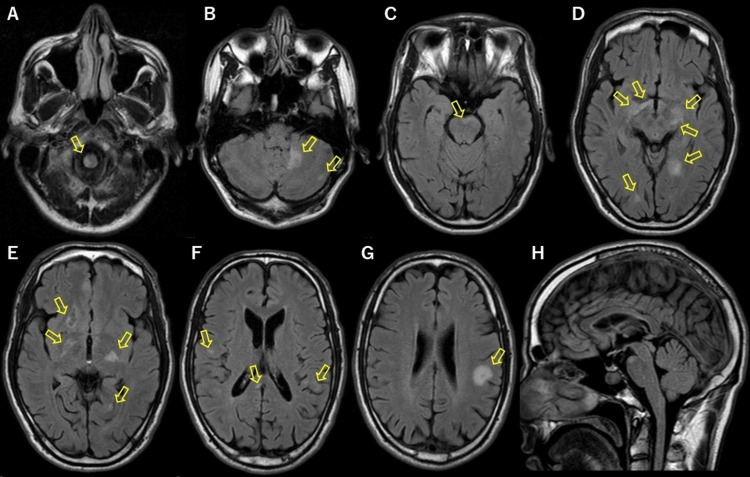 Figure 1
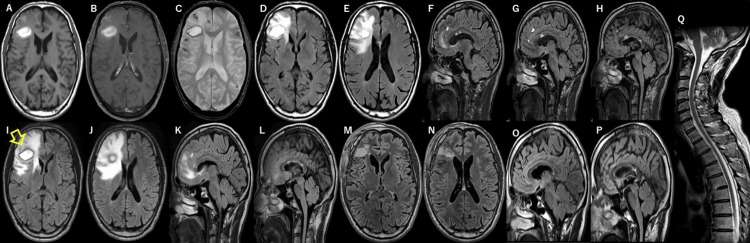 Figure 2
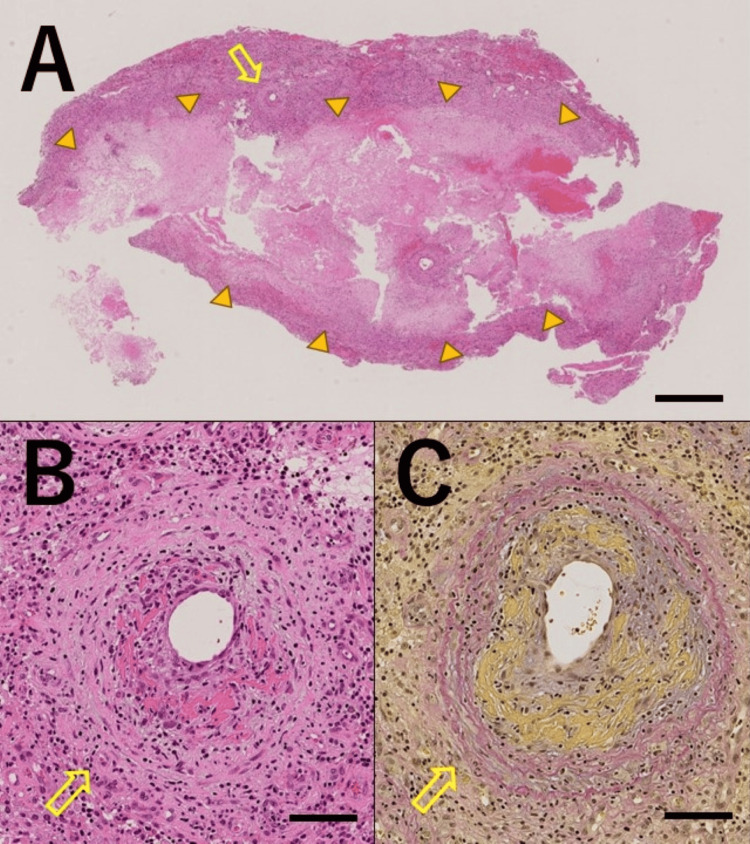 Figure 3
Peer Reviews
No public reviews on file for this paper yet. If you reviewed it on a platform where reviews are public (OpenReview, ICLR, NeurIPS, ICML), you can paste yours below so the community can read it here.
Videos
No videos yet. Explain this paper in a talk, walkthrough, or lecture? Add one.
Taxonomy
TopicsVasculitis and related conditions · Retinal and Optic Conditions · Sarcoidosis and Beryllium Toxicity Research