The Clinical Results of Percutaneous Drilling in the Treatment of Chronic Lateral Epicondylitis
Sefa Erdem Karapinar, Recep Dincer, Tolga Atay, Yakup Barbaros Baykal, Vecihi Kirdemir, Metin Lutfi Baydar

TL;DR
This study shows that percutaneous drilling significantly reduces pain and improves function in patients with chronic lateral epicondylitis over 12 months.
Contribution
The study provides clinical evidence supporting percutaneous drilling as an effective treatment for chronic lateral epicondylitis.
Findings
Pain scores improved significantly from 8.9 preoperatively to 2.06 at 12 months postoperatively.
PRTEE scores improved from 64.12 preoperatively to 20.61 at 12 months postoperatively.
Roles-Maudsly scores showed excellent or good outcomes in 87.1% of patients at 12 months.
Abstract
Aim: Lateral epicondylitis is one of the leading orthopedic problems encountered in daily practice. Treatments are more symptomatic than curative. Percutaneous drilling is a minimally invasive method that provides satisfactory results. The aim of this study was to evaluate patients who had undergone percutaneous drilling for chronic lateral epicondylitis. Material and method: The study included 31 patients who underwent surgical percutaneous drilling because of chronic lateral epicondylitis between 2018 and 2021. The patients were evaluated with respect to demographic characteristics, including age, gender, body mass index (BMI), occupation, education level, hobbies, dominant side, and smoking status. The VAS (Visual Analog Scale) pain scores, PRTEE score (Patient-Rated Tennis Elbow Evaluation - a lateral epicondylitis function scale), and Roles-Maudsly score were examined…
Genes, proteins, chemicals, diseases, species, mutations and cell lines named across the full text — each resolved to its canonical identifier and authoritative record.
Click any figure to enlarge with its caption.
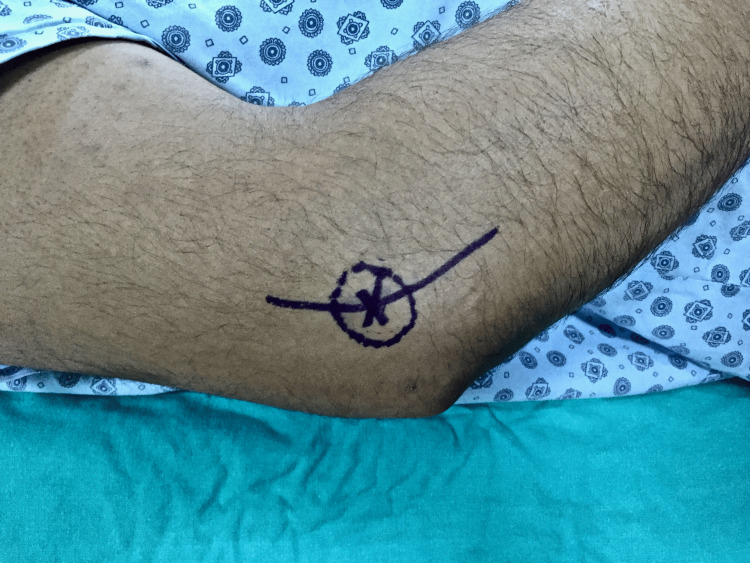 Figure 1
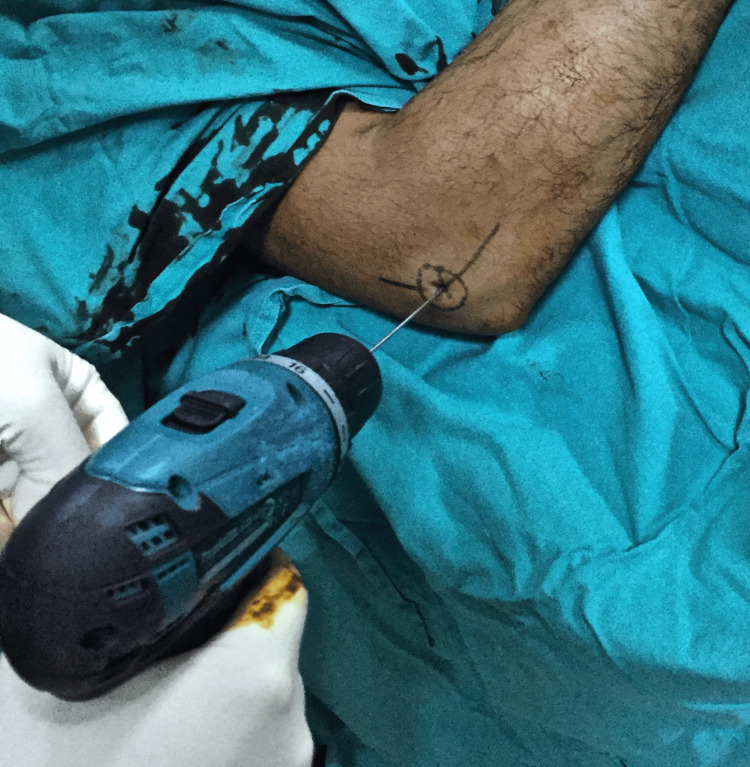 Figure 2
Peer Reviews
No public reviews on file for this paper yet. If you reviewed it on a platform where reviews are public (OpenReview, ICLR, NeurIPS, ICML), you can paste yours below so the community can read it here.
Videos
No videos yet. Explain this paper in a talk, walkthrough, or lecture? Add one.
Taxonomy
TopicsTendon Structure and Treatment · Myofascial pain diagnosis and treatment · Shoulder Injury and Treatment