Rituximab-Associated Liver Toxicity Without Known Viral Reactivation
Taha Huda, Fawaz Hussain, Hariharasudan Mani, Shereen M Gheith, Savitri Skandan

TL;DR
A patient developed severe liver injury after receiving rituximab, but no viral reactivation was found as a cause.
Contribution
This case report highlights a rare instance of rituximab-induced liver toxicity without viral reactivation.
Findings
A patient with marginal zone B-cell lymphoma experienced significant liver injury after rituximab treatment.
No evidence of viral reactivation was found despite the liver injury.
This case suggests rituximab can cause hepatotoxicity independent of viral reactivation.
Abstract
Rituximab is a targeted immunotherapeutic agent that has demonstrated efficacy in treating CD20+ B-cell neoplasms as well as other lymphoproliferative and autoimmune disorders. A major adverse effect of rituximab is hepatocellular injury attributed to hepatitis B viral reactivation, necessitating viral titers before treatment. In this case report, we illustrate the rare presentation of a patient with marginal zone B-cell lymphoma who experienced symptomatic liver injury with a peak 15-fold aminotransferase elevation following his first dose of rituximab, without evidence of viral reactivation.
Genes, proteins, chemicals, diseases, species, mutations and cell lines named across the full text — each resolved to its canonical identifier and authoritative record.
Click any figure to enlarge with its caption.
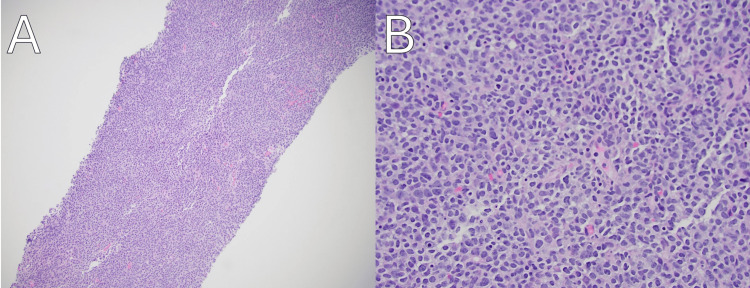 Figure 1
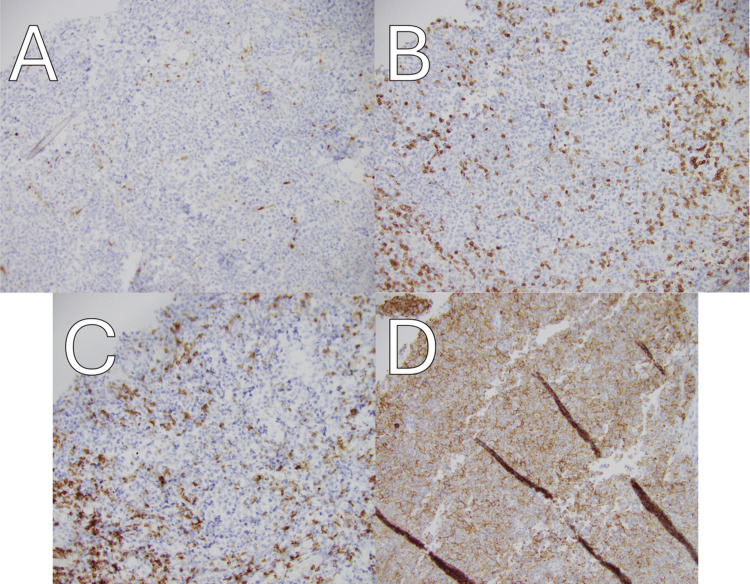 Figure 2
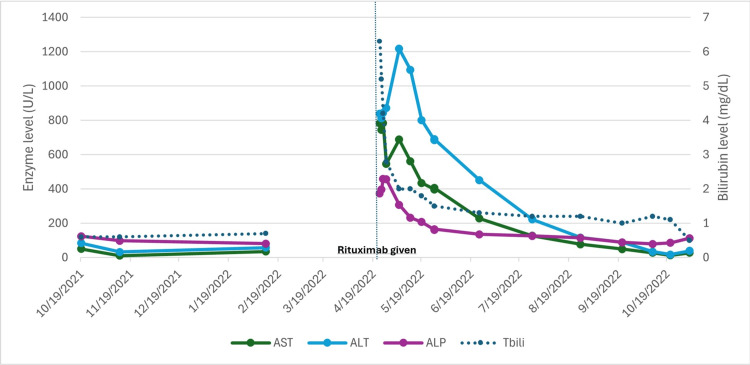 Figure 3
Peer Reviews
No public reviews on file for this paper yet. If you reviewed it on a platform where reviews are public (OpenReview, ICLR, NeurIPS, ICML), you can paste yours below so the community can read it here.
Videos
No videos yet. Explain this paper in a talk, walkthrough, or lecture? Add one.
Taxonomy
TopicsHepatitis B Virus Studies · Drug-Induced Hepatotoxicity and Protection · Hepatitis C virus research