Twist in the Bowel: A Multimodality Radiological Imaging Spectrum
Siddhi Chawla, Lalendra Upreti, Thaihamdao Halflongbar

TL;DR
This paper discusses how imaging can help diagnose bowel volvulus, a condition causing abdominal pain that can lead to severe complications if missed.
Contribution
The paper provides a detailed overview of the clinical and imaging features of different types of bowel volvulus across the GI tract.
Findings
Volvulus is a common cause of recurrent abdominal pain and requires high clinical suspicion for diagnosis.
Imaging modalities like radiographs, fluoroscopy, and CT are essential for confirming the diagnosis and preventing complications.
Familiarity with imaging appearances is crucial to avoid life-threatening outcomes like bowel ischemia or perforation.
Abstract
Volvulus affecting the gastrointestinal (GI) tract is one of the common causes of recurrent pain in the abdomen, and often, patients present with non-specific abdominal pain associated with nausea and/or vomiting. A high degree of suspicion is required at the clinician’s end to suspect this diagnosis, which is usually confirmed by imaging using radiographs, fluoroscopic evaluation, and computed tomography. Familiarity of the clinician and radiologist with the imaging appearances of these emergent conditions on various imaging modalities is quintessential to avoiding life-threatening complications like bowel ischemia or perforation, which are associated with delayed or missed diagnosis. Our article describes the clinical features and classical imaging of the various types of volvulus affecting different bowel segments in the entire GI tract.
Genes, proteins, chemicals, diseases, species, mutations and cell lines named across the full text — each resolved to its canonical identifier and authoritative record.
Click any figure to enlarge with its caption.
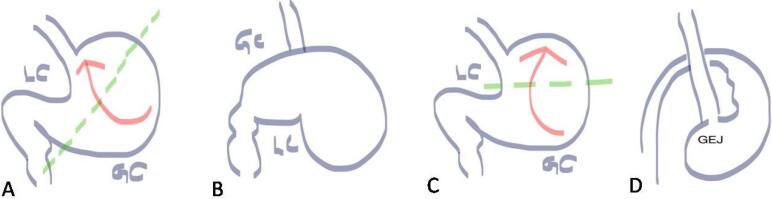 Figure 1
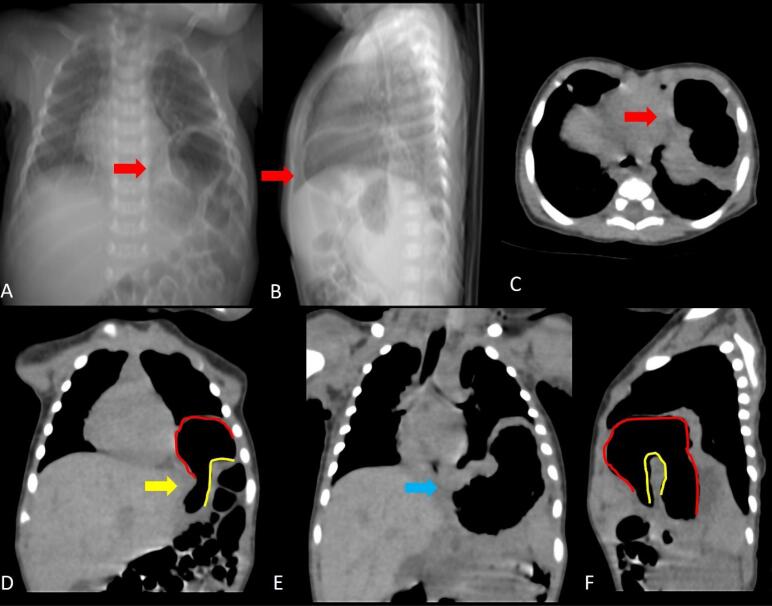 Figure 2
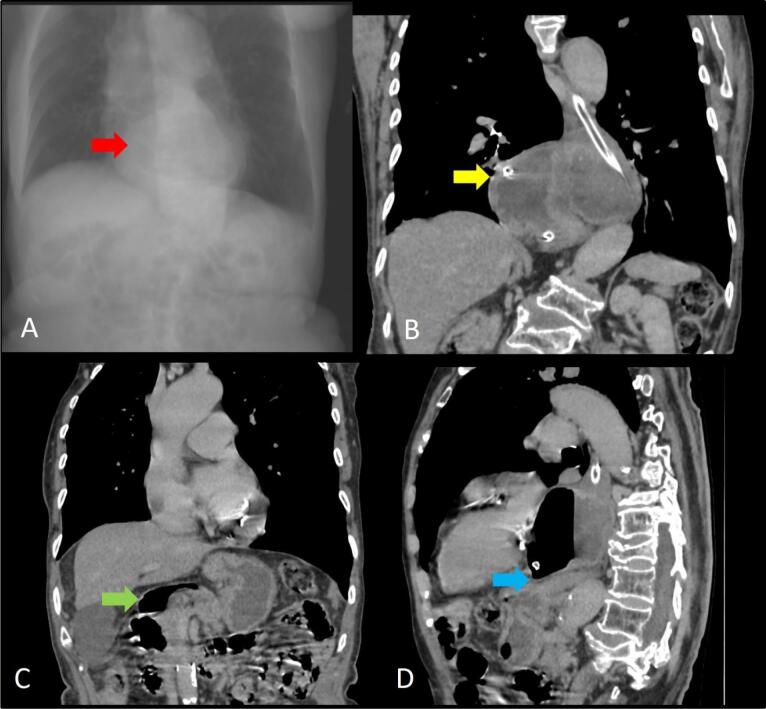 Figure 3
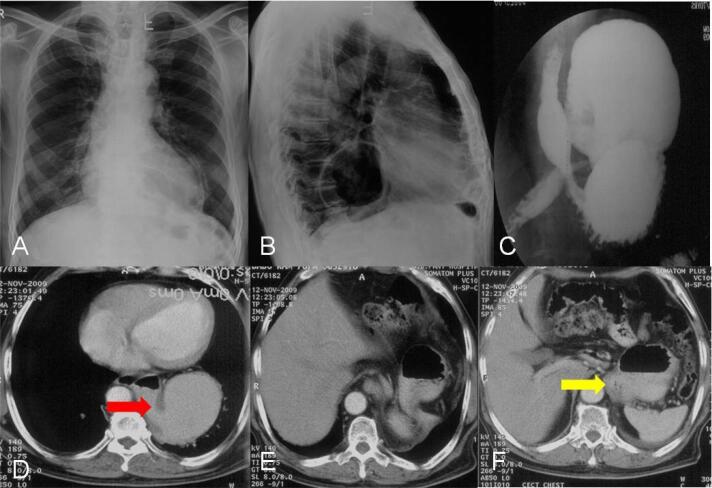 Figure 4
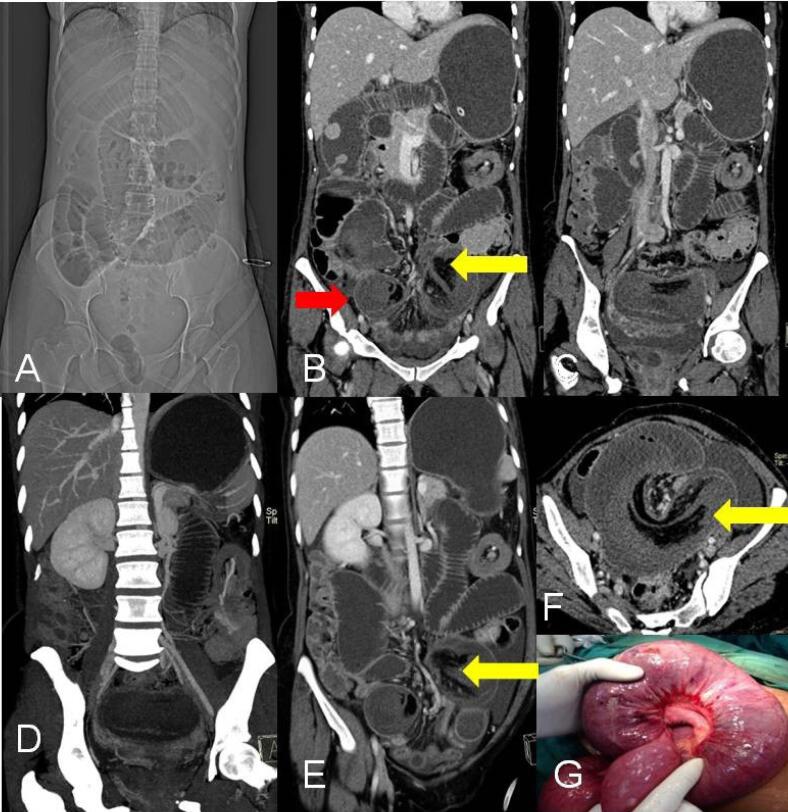 Figure 5
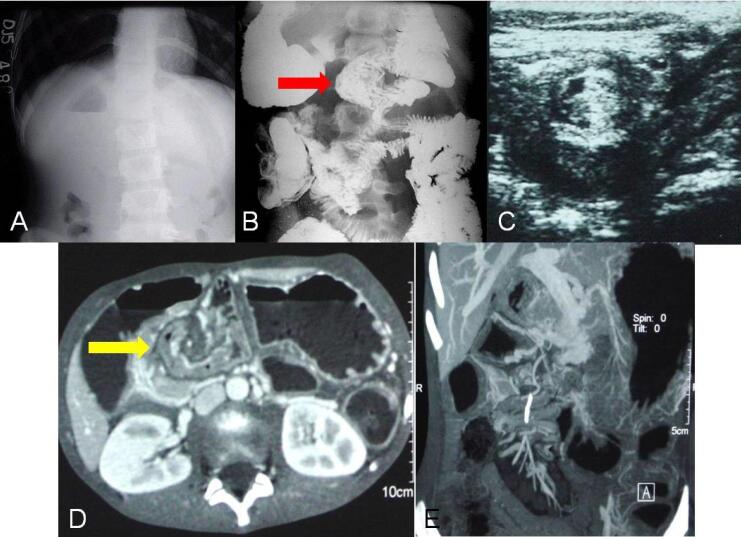 Figure 6
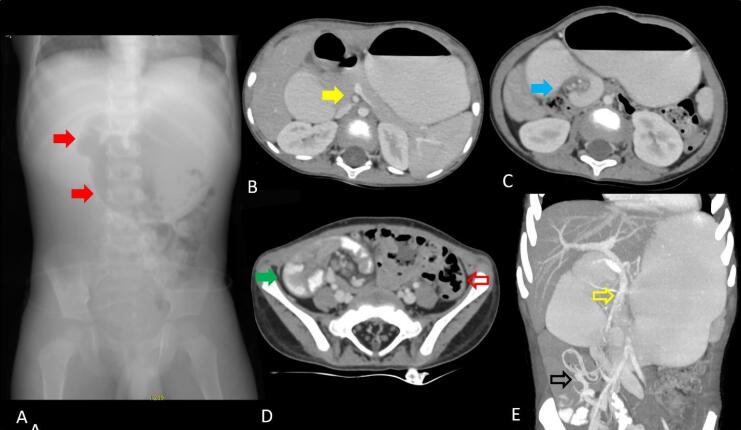 Figure 7
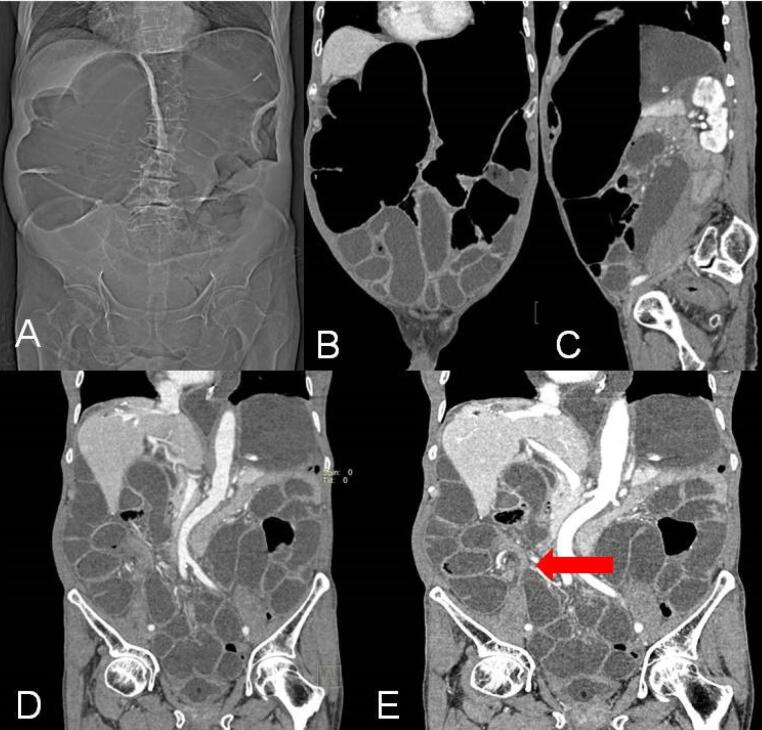 Figure 8
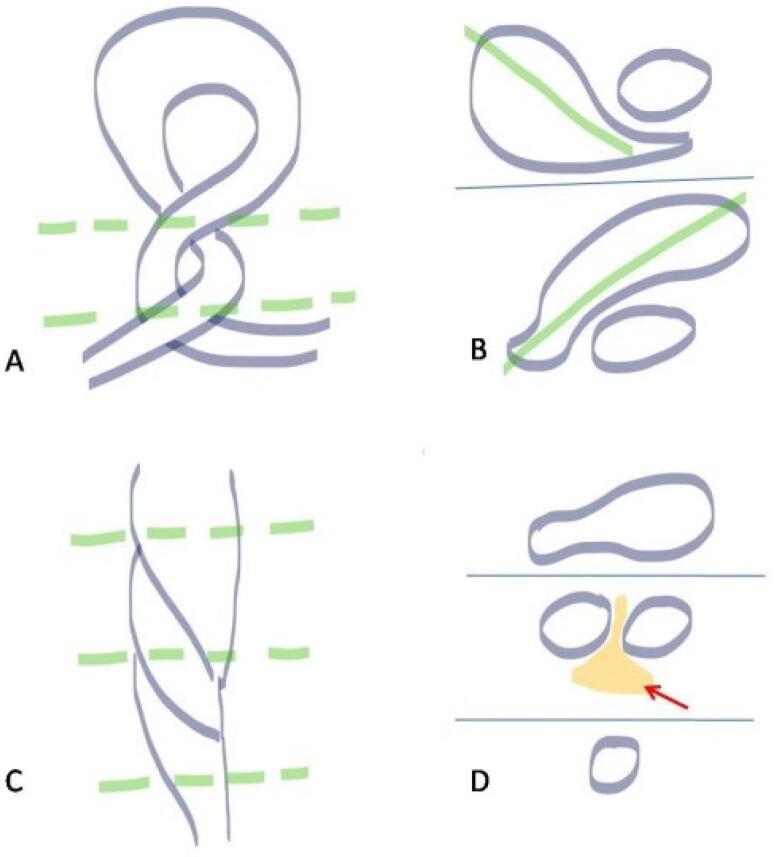 Figure 9
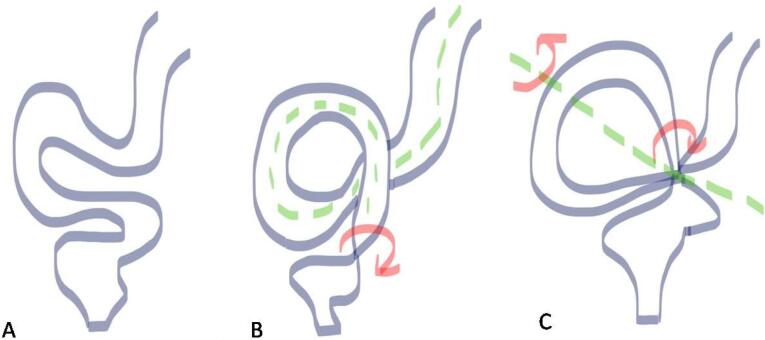 Figure 10
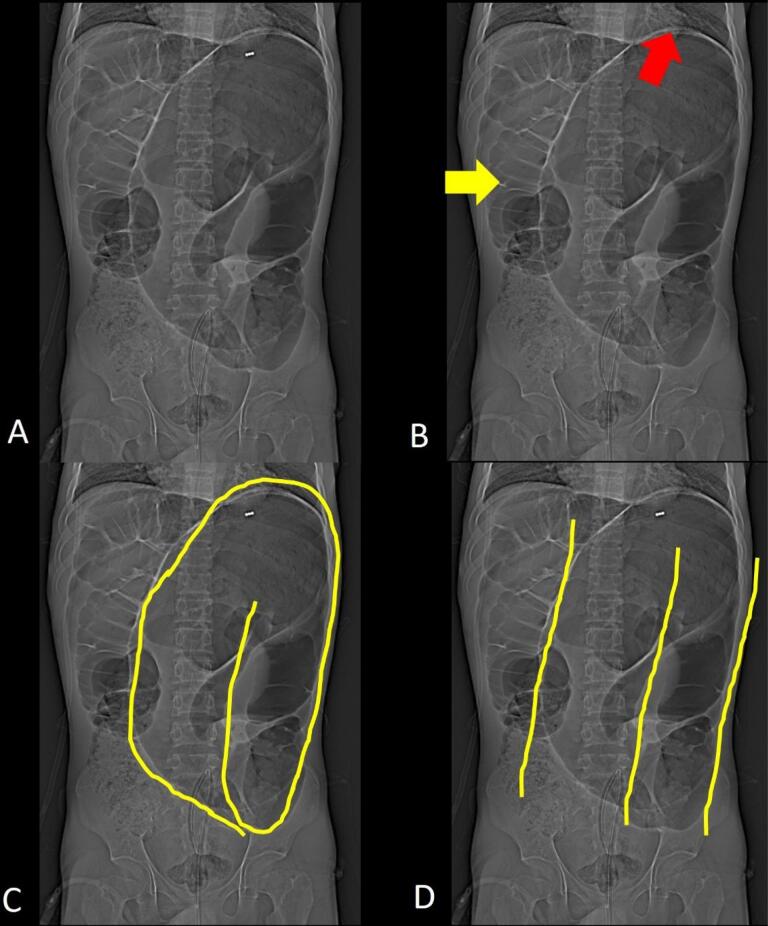 Figure 11
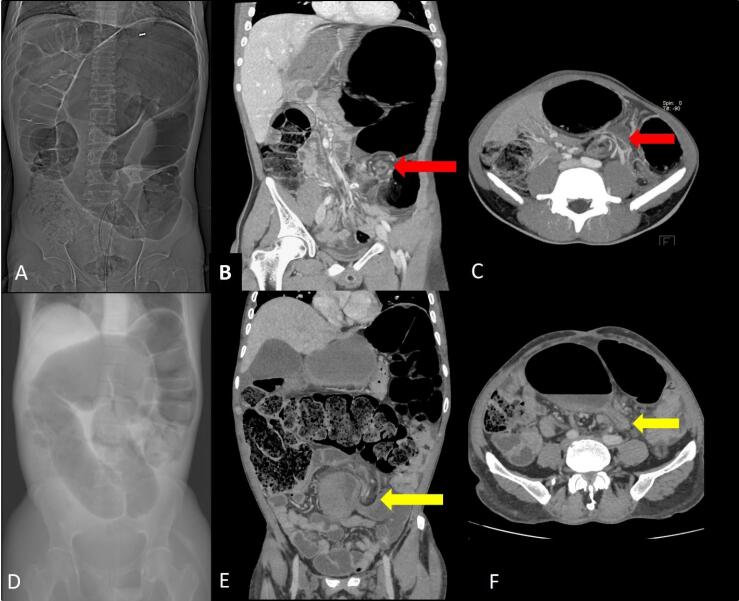 Figure 12
Peer Reviews
No public reviews on file for this paper yet. If you reviewed it on a platform where reviews are public (OpenReview, ICLR, NeurIPS, ICML), you can paste yours below so the community can read it here.
Videos
No videos yet. Explain this paper in a talk, walkthrough, or lecture? Add one.
Taxonomy
TopicsIntestinal Malrotation and Obstruction Disorders · Esophageal and GI Pathology · Gastroesophageal reflux and treatments