Preparation of T8 and double-decker silsesquioxane-based Janus-type molecules: molecular modeling and DFT insights
Julia Duszczak-Kaczmarek, Katarzyna Mituła-Chmielowiec, Monika Rzonsowska, Wojciech Jankowski, Marcin Hoffmann, Jędrzej Walkowiak, Beata Dudziec

TL;DR
This paper describes a new method to create Janus-type molecules using silsesquioxanes, combining experiments and computational modeling to understand their structure and aggregation behavior.
Contribution
A novel synthesis method for Janus-type silsesquioxane molecules with high yields and insights into their aggregation behavior via DFT.
Findings
High yields and selectivities were achieved in synthesizing Janus-type silsesquioxane molecules.
Molecular modeling and DFT revealed the propensity for molecular aggregation and the functional groups involved.
The study provides insights for tailoring silsesquioxane properties for applications like nanocomposites and drug delivery.
Abstract
We present a methodology for the synthesis of inorganic-organic Janus-type molecules based on mono-T8 and difunctionalized double-decker silsesquioxanes (DDSQs) via hydrosilylation reactions, achieving exceptionally high yields and selectivities. The synthesized compounds were extensively characterized using various spectroscopic techniques, and their sizes and spatial arrangements were predicted through molecular modelling and density functional theory (DFT) calculations. Quantum chemical calculations were employed to examine the interactions among four molecules of the synthesized compounds. These computational results allowed us to determine the propensity for molecular aggregation, identify the functional groups involved in these interactions, and understand the changes in interatomic distances during aggregation. Understanding the aggregation behaviour of silsesquioxane molecules…
Click any figure to enlarge with its caption.
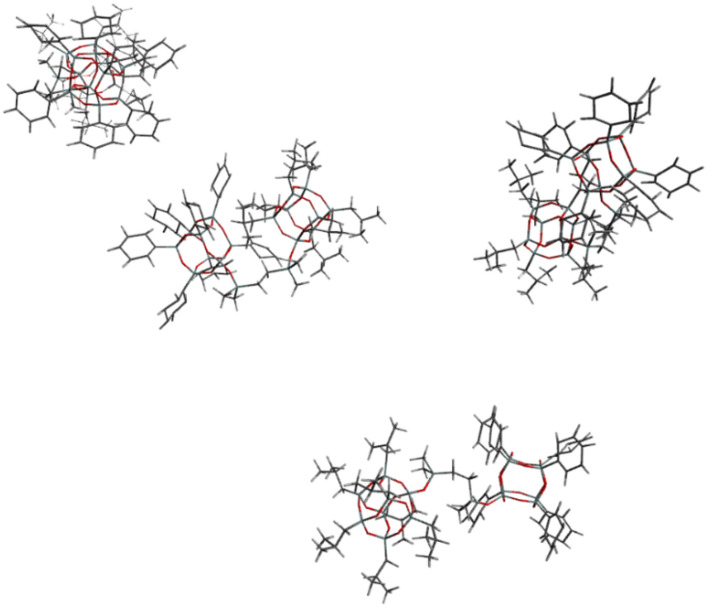 Figure 10
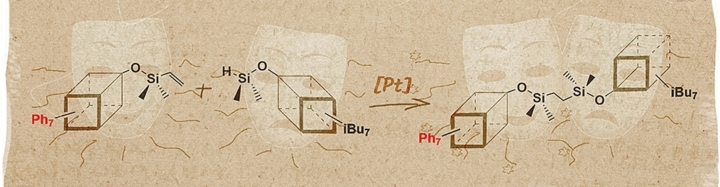 Figure 1
 Figure 2
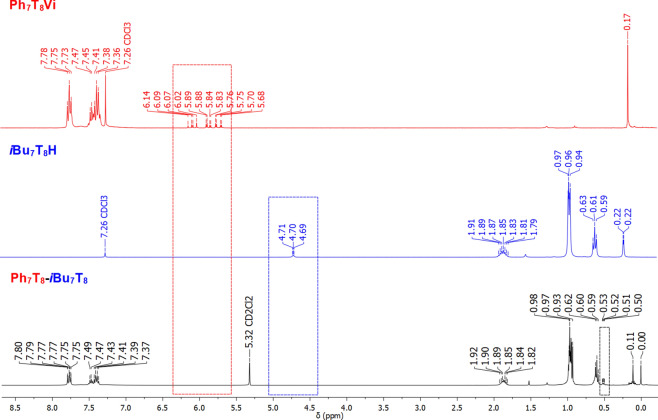 Figure 3
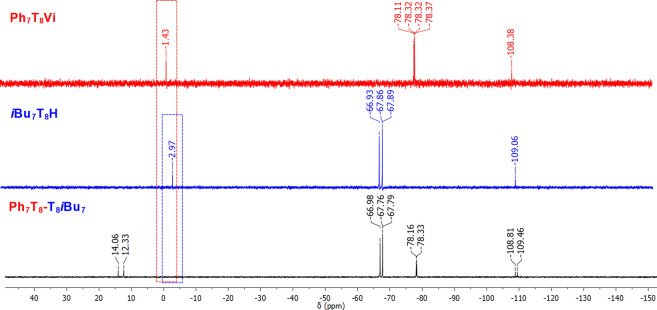 Figure 4
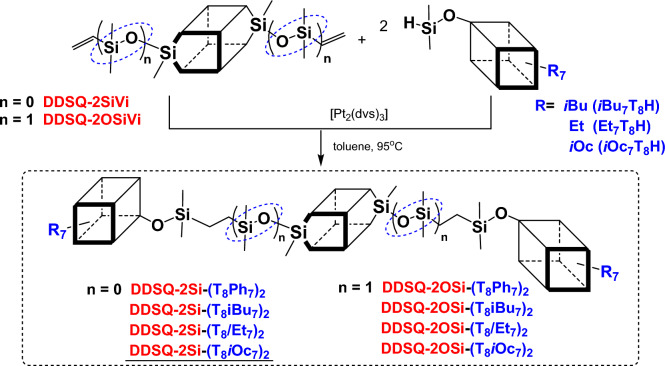 Figure 5
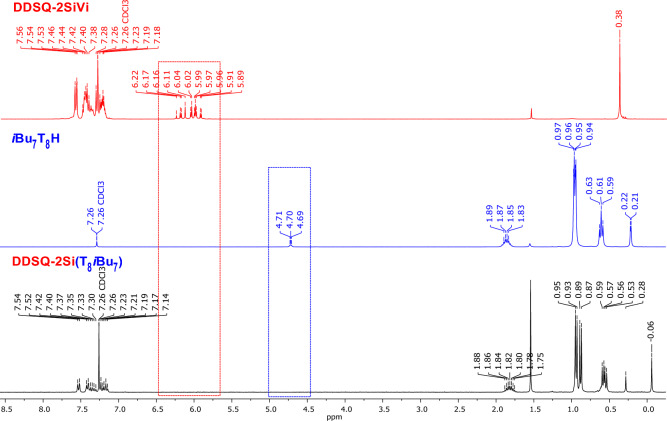 Figure 6
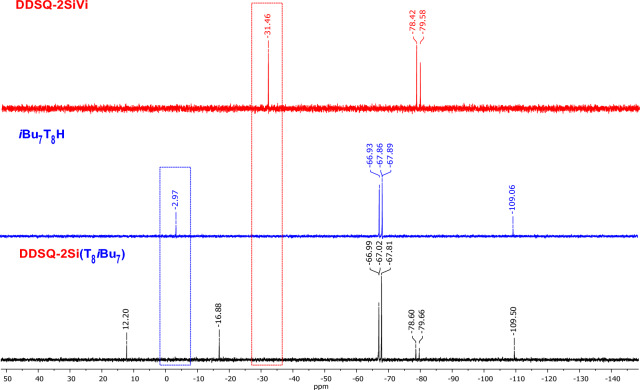 Figure 7
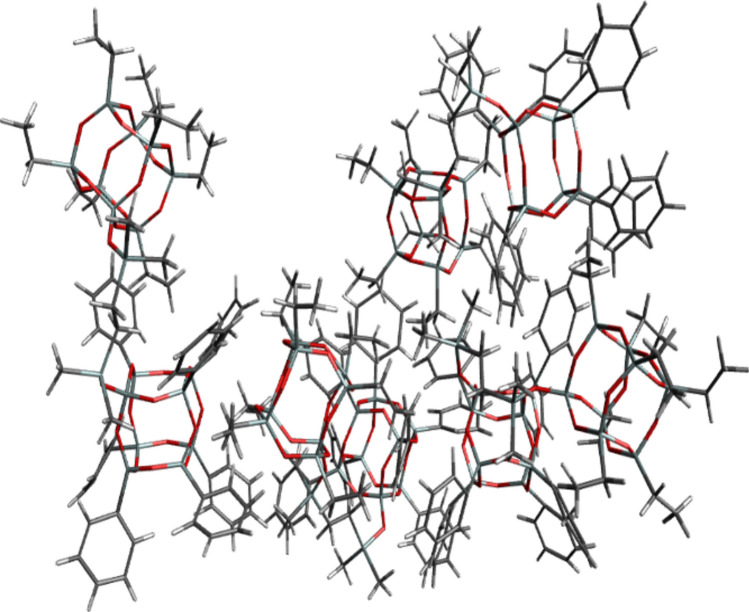 Figure 8
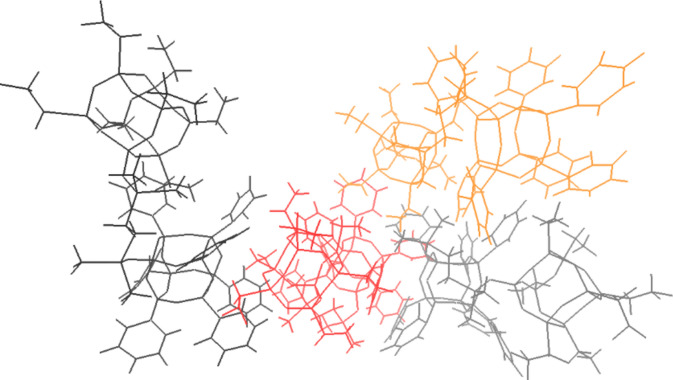 Figure 9
Peer Reviews
No public reviews on file for this paper yet. If you reviewed it on a platform where reviews are public (OpenReview, ICLR, NeurIPS, ICML), you can paste yours below so the community can read it here.
Videos
No videos yet. Explain this paper in a talk, walkthrough, or lecture? Add one.
Taxonomy
TopicsSilicone and Siloxane Chemistry · Catalytic Processes in Materials Science · Catalysis and Oxidation Reactions