Integrative single-cell RNA-seq and spatial transcriptomics analyses reveal diverse apoptosis-related gene expression profiles in EGFR-mutated lung cancer
Motohiro Izumi, Masanori Fujii, Ikei S. Kobayashi, Vivian Ho, Yukie Kashima, Hibiki Udagawa, Daniel B. Costa, Susumu S. Kobayashi

TL;DR
This study uses advanced RNA sequencing to explore how gene expression changes in lung cancer cells as they develop resistance to a common treatment.
Contribution
The study identifies BCL2L1/BCL-XL as key genes involved in resistance to EGFR-TKIs in lung cancer.
Findings
BCL2L1 is upregulated in tumor cells following EGFR-TKI treatment in both cell lines and patient samples.
MCL1 is expressed at lower levels in tumor cells compared to non-tumor cells.
Inhibiting BCL2L1/BCL-XL can delay or overcome resistance to EGFR-TKIs.
Abstract
In EGFR-mutated lung cancer, the duration of response to tyrosine kinase inhibitors (TKIs) is limited by the development of acquired drug resistance. Despite the crucial role played by apoptosis-related genes in tumor cell survival, how their expression changes as resistance to EGFR-TKIs emerges remains unclear. Here, we conduct a comprehensive analysis of apoptosis-related genes, including BCL-2 and IAP family members, using single-cell RNA sequence (scRNA-seq) and spatial transcriptomics (ST). scRNA-seq of EGFR-mutated lung cancer cell lines captures changes in apoptosis-related gene expression following EGFR-TKI treatment, most notably BCL2L1 upregulation. scRNA-seq of EGFR-mutated lung cancer patient samples also reveals high BCL2L1 expression, specifically in tumor cells, while MCL1 expression is lower in tumors compared to non-tumor cells. ST analysis of specimens from transgenic…
Genes, proteins, chemicals, diseases, species, mutations and cell lines named across the full text — each resolved to its canonical identifier and authoritative record.
Click any figure to enlarge with its caption.
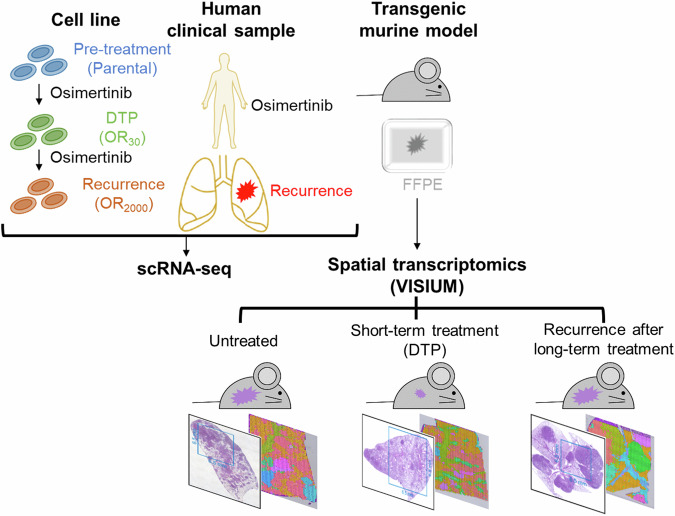 Figure 1
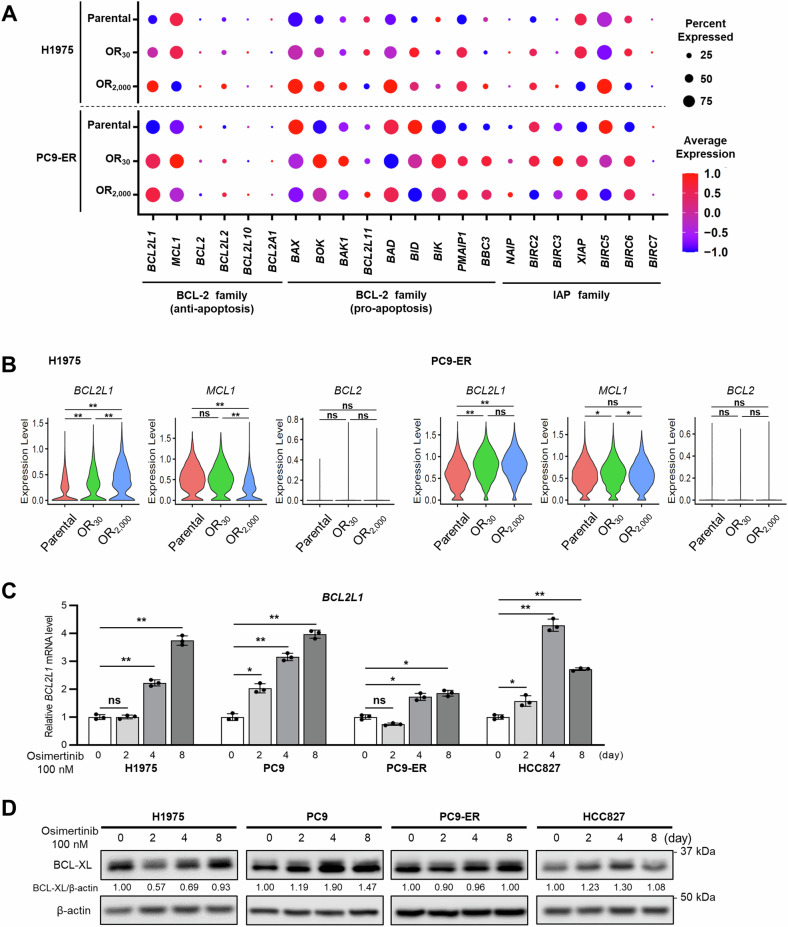 Figure 2
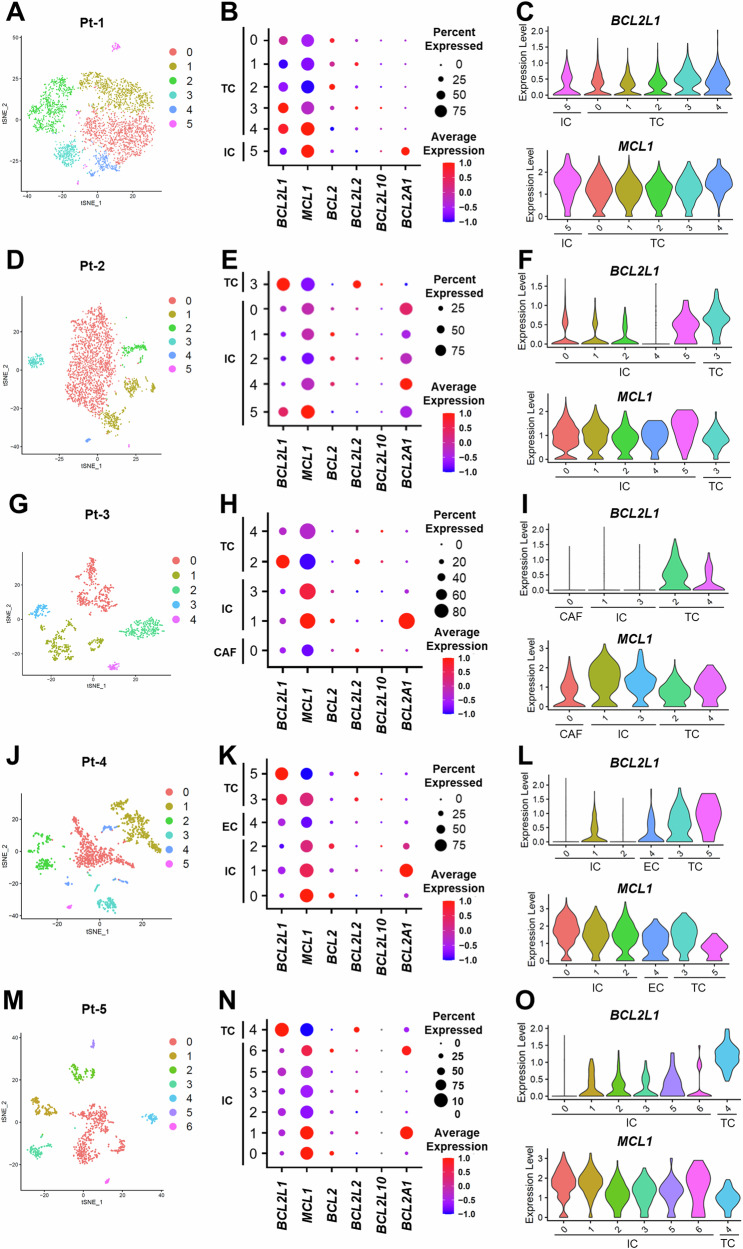 Figure 3
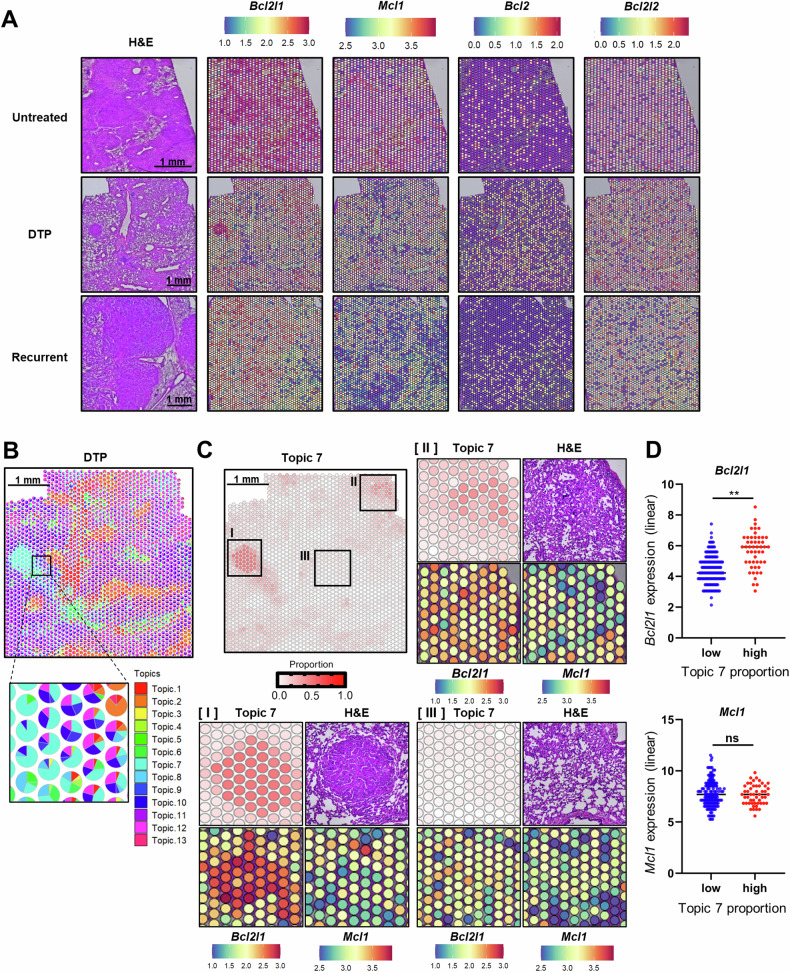 Figure 4
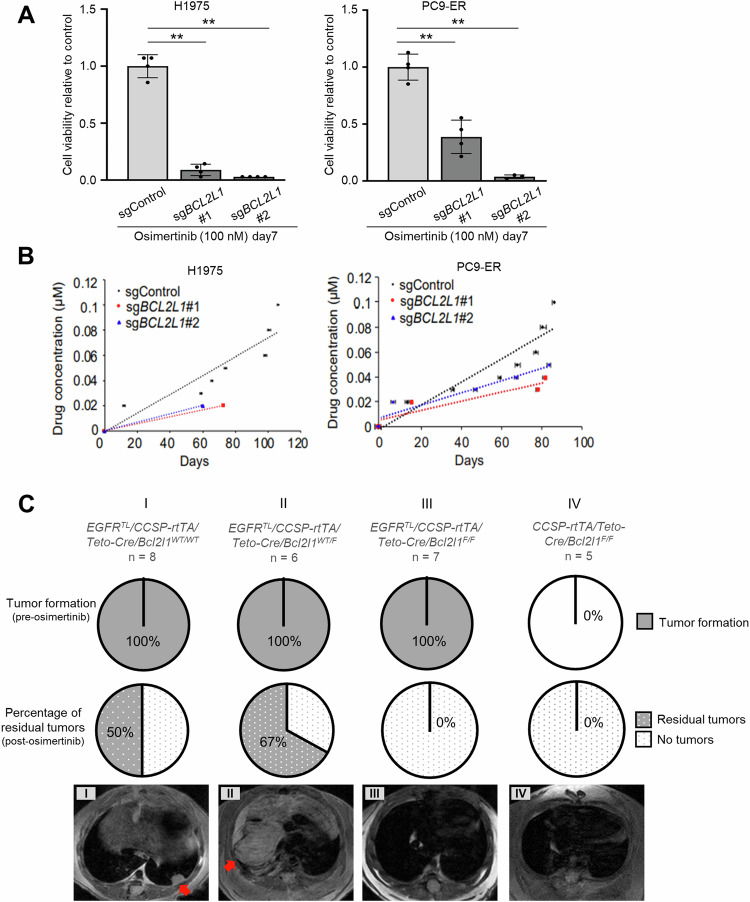 Figure 5
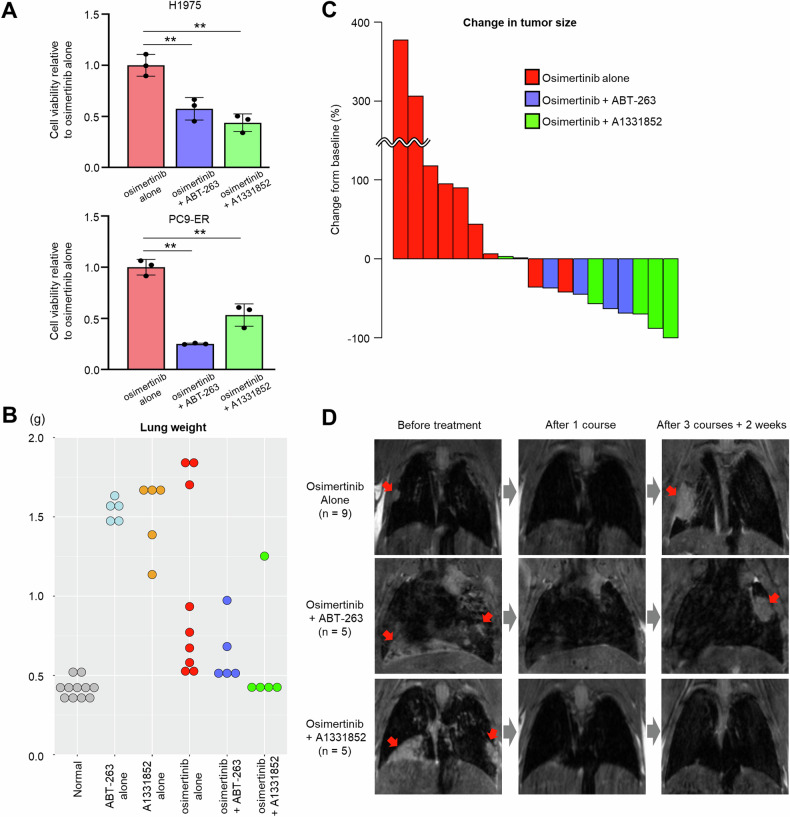 Figure 6
Peer Reviews
No public reviews on file for this paper yet. If you reviewed it on a platform where reviews are public (OpenReview, ICLR, NeurIPS, ICML), you can paste yours below so the community can read it here.
Videos
No videos yet. Explain this paper in a talk, walkthrough, or lecture? Add one.
Taxonomy
TopicsNatural Language Processing Techniques