Brachial Plexus Palsy: A Case Report of Compression-Induced Injury Associated With Alcohol Intoxication
Hejal Patel, Maleeha Abedi, Afrah Abedi, Twinkle Patel

TL;DR
A 72-year-old man developed brachial plexus palsy after a fall while intoxicated, showing alcohol and prolonged immobilization can cause this condition without trauma.
Contribution
This case report identifies alcohol intoxication and prolonged immobilization as a novel non-traumatic cause of brachial plexus palsy.
Findings
Brachial plexus palsy occurred in a patient with chronic alcohol abuse after a fall under intoxication.
No acute fractures or compartment syndrome were found, indicating a non-traumatic cause.
The case suggests prolonged immobilization combined with alcohol intoxication can lead to brachial plexus injury.
Abstract
Brachial plexus palsy is a complex neuropathy associated with traumatic injuries, inflammatory processes, and tumors. In this report, we present an unusual case of brachial plexus palsy in a 72-year-old man with a history of chronic alcohol abuse. The patient presented to the emergency room with left arm weakness following a fall under the influence of alcohol that resulted in prolonged immobilization. An initial neurologic exam identified paralysis, numbness, and pain in the left upper extremity; however, further studies confirmed the absence of acute fractures or evidence of compartment syndrome. This case highlights the potential for alcohol intoxication and prolonged immobilization, in the absence of traumatic injury, as a contributing cause of brachial plexus palsy. Furthermore, this case emphasizes the importance of considering alternative causes of brachial plexus injury for…
Genes, proteins, chemicals, diseases, species, mutations and cell lines named across the full text — each resolved to its canonical identifier and authoritative record.
Click any figure to enlarge with its caption.
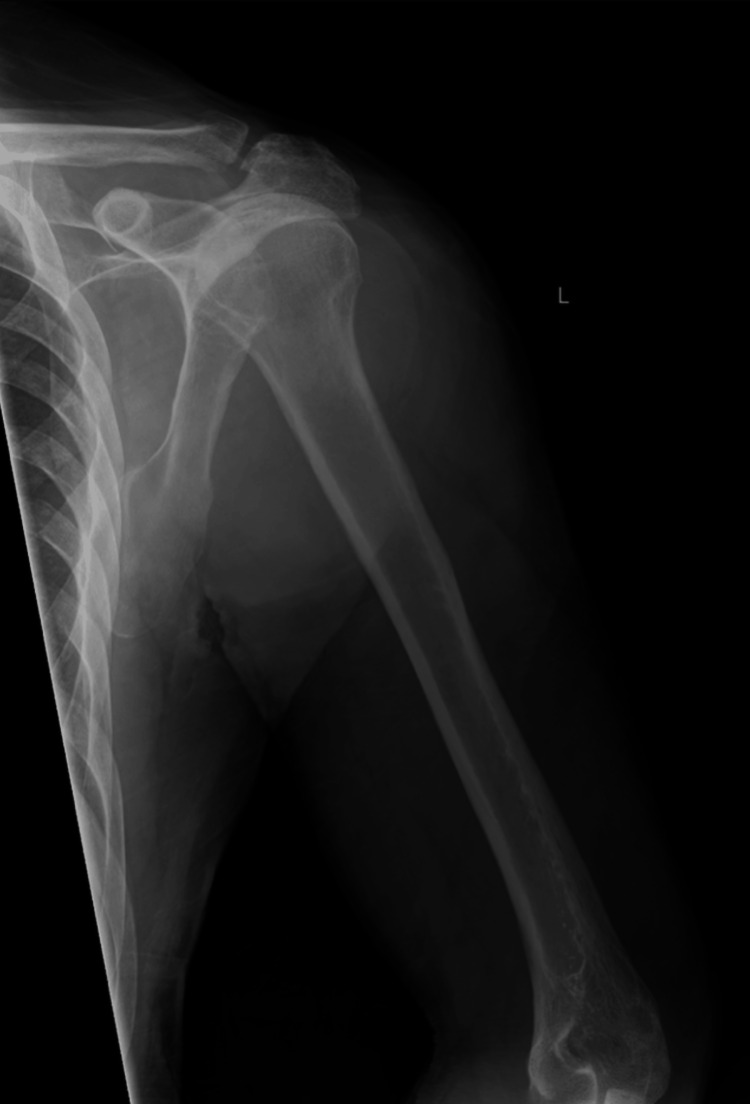 Figure 1
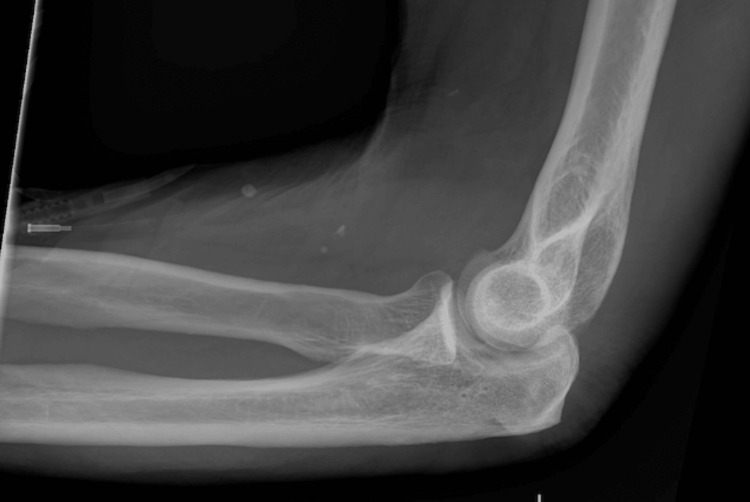 Figure 2
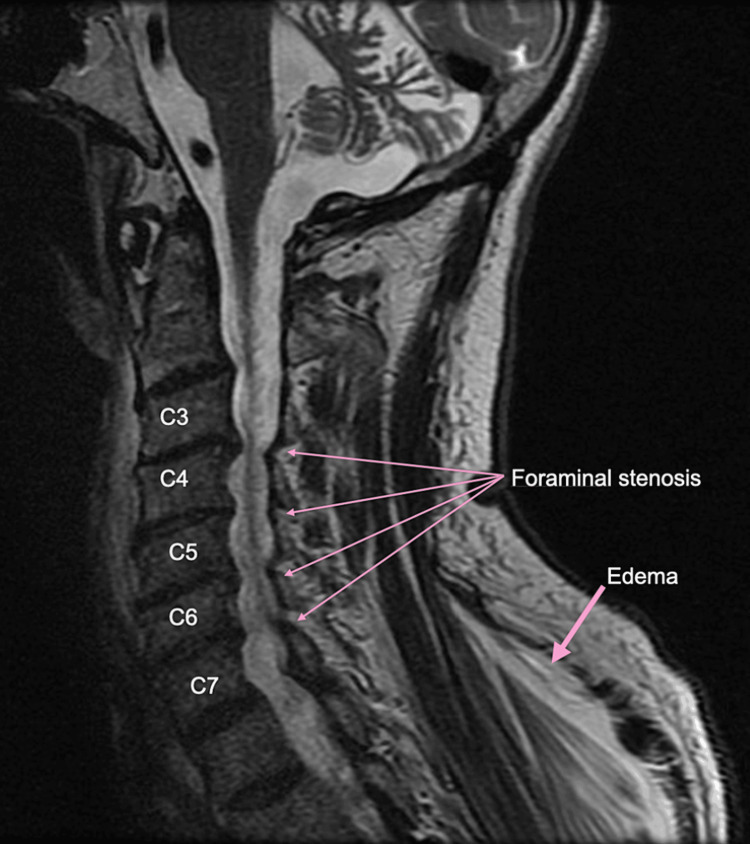 Figure 3
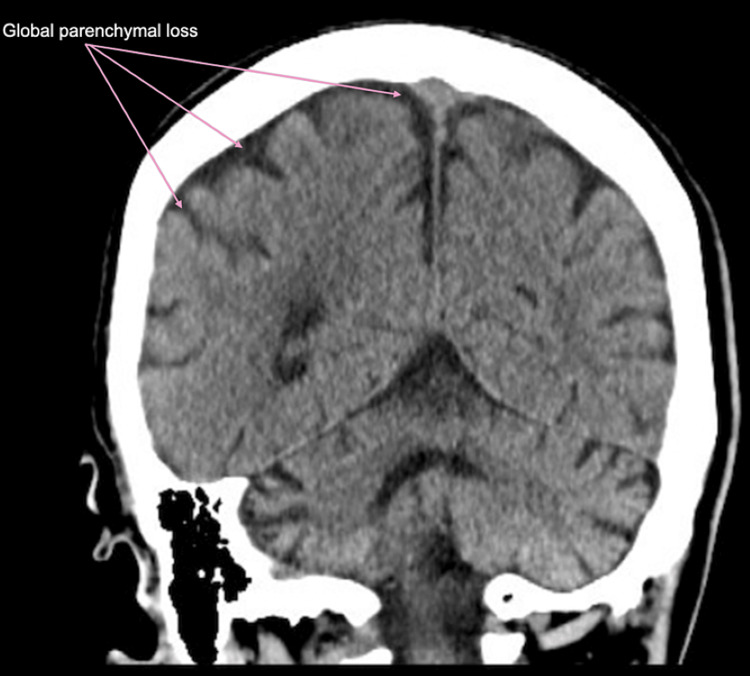 Figure 4
Peer Reviews
No public reviews on file for this paper yet. If you reviewed it on a platform where reviews are public (OpenReview, ICLR, NeurIPS, ICML), you can paste yours below so the community can read it here.
Videos
No videos yet. Explain this paper in a talk, walkthrough, or lecture? Add one.
Taxonomy
TopicsNerve Injury and Rehabilitation · Cardiac Structural Anomalies and Repair · Nerve injury and regeneration