Removal of tetracycline from the aquatic environment using activated carbon: A comparative study of adsorption performance based on the activator agents
Saheed O. Sanni, Oluwayimika Oluokun, Samson O. Akpotu, Agnes Pholosi, Vusumzi E Pakade

TL;DR
This study compares the use of two types of activated carbon to remove tetracycline from water, finding one more effective than the other.
Contribution
A novel comparative study of tetracycline removal using activated carbons derived from pine cones with different activators.
Findings
ACZ achieved a maximum tetracycline adsorption capacity of 327.87 mg/g, outperforming ACK.
ACZ's high pore volume and oxygen-containing functional groups enhance tetracycline removal efficiency.
Pseudo-second-order kinetics and Langmuir isotherm models best describe the adsorption behavior.
Abstract
This research focus endeavour to compare the remediation of tetracycline (TC) through activated carbon (AC), crafted utilizing two distinct chemical activators: zinc chloride (ACZ), and potassium hydroxide (ACK), using pine cone biowaste as an effective carbon precursor, followed by microwave-assisted activation. The impact of TC removal by ACZ and ACK adsorbents was thoroughly examined. The influence of pH, adsorbent mass, adsorption isotherms, kinetics, and inclusive thermodynamics were studied. Our results revealed that the interaction between TC and ACZ or ACK adsorbents aligned well with the model of pseudo-second-order kinetics, whilst the Langmuir model fitted the adsorption isotherm data of ACZ and ACK. The ACZ have a maximum adsorption capacity of 327.87 mg/g compared to that of the ACK (283.29 mg/g). Adsorption of TC was facilitated by the suitable pore volume, abundant…
Genes, proteins, chemicals, diseases, species, mutations and cell lines named across the full text — each resolved to its canonical identifier and authoritative record.
Click any figure to enlarge with its caption.
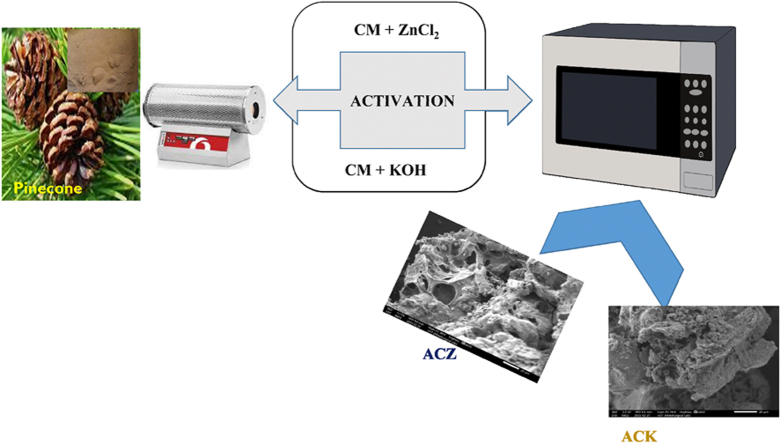 Figure 1
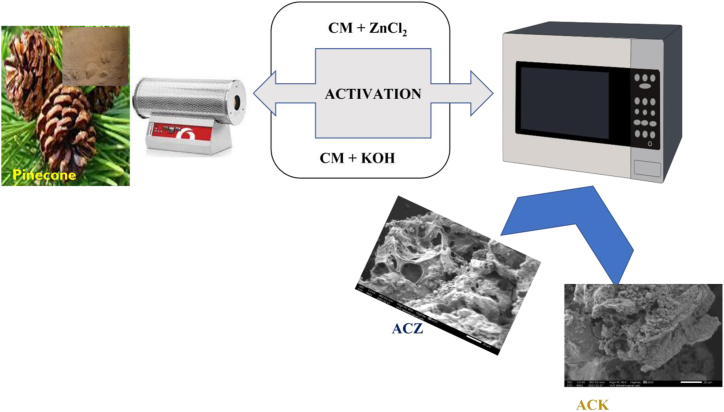 Figure 2
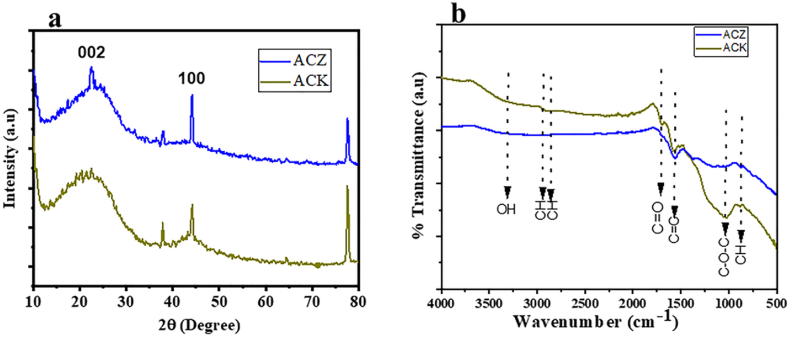 Figure 3
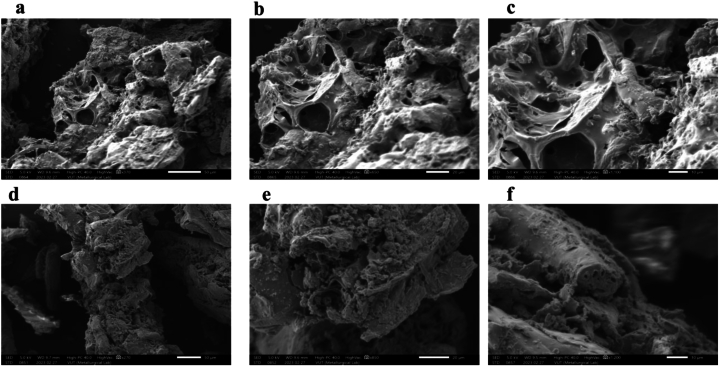 Figure 4
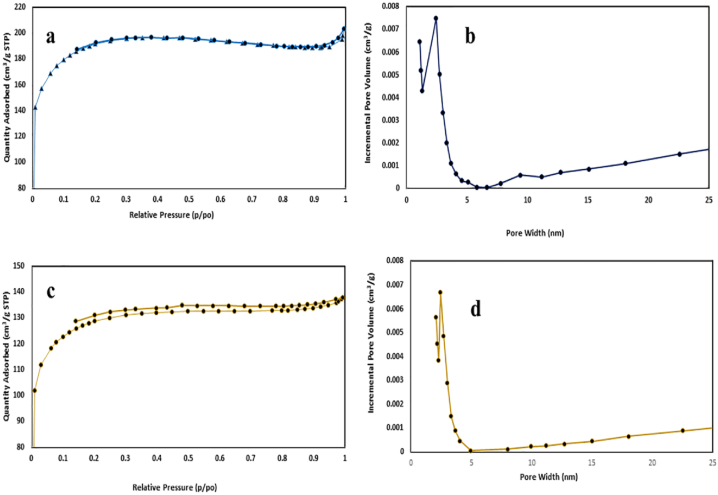 Figure 5
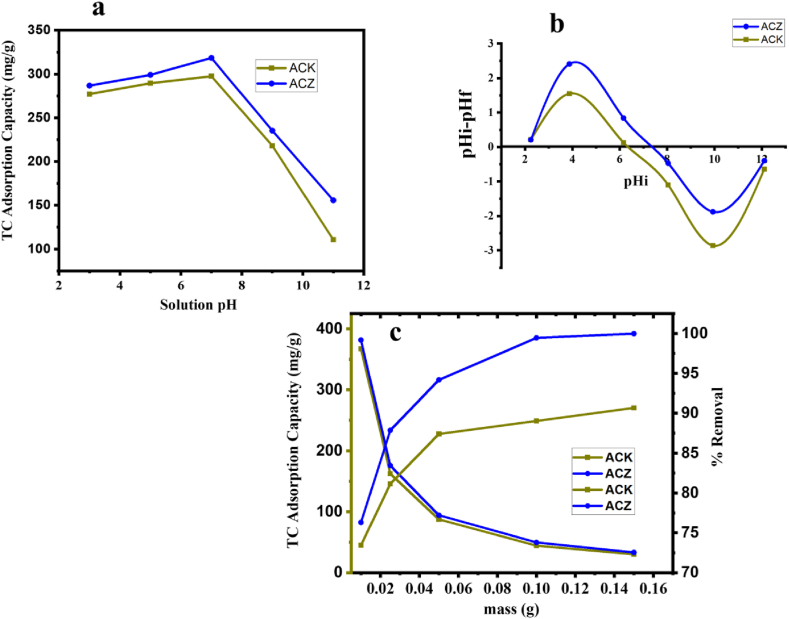 Figure 6
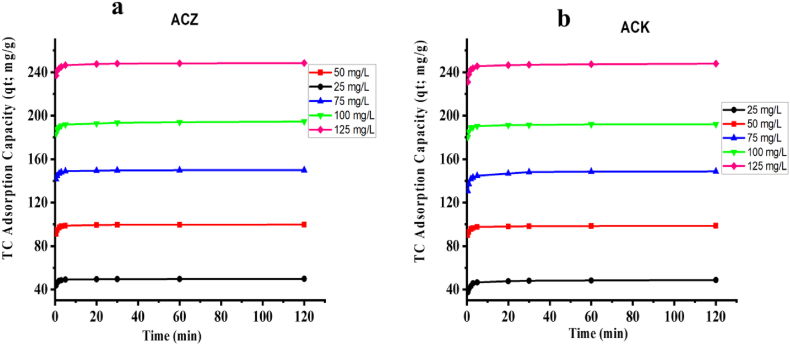 Figure 7
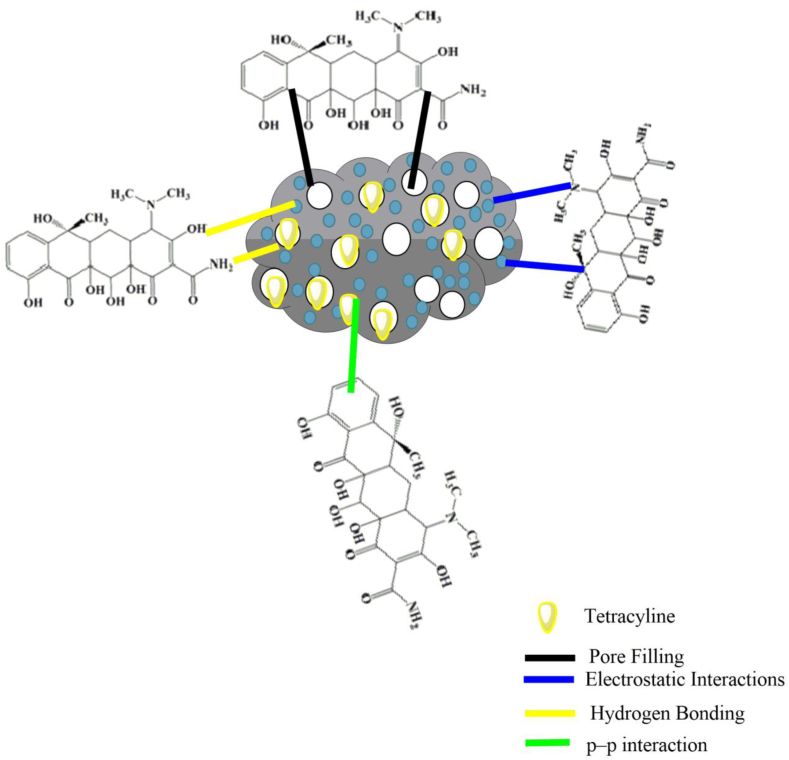 Figure 8
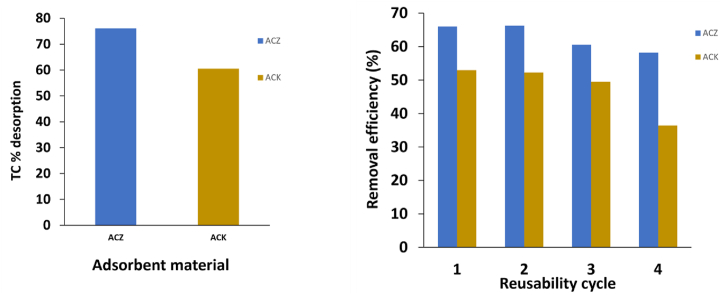 Figure 9
Peer Reviews
No public reviews on file for this paper yet. If you reviewed it on a platform where reviews are public (OpenReview, ICLR, NeurIPS, ICML), you can paste yours below so the community can read it here.
Videos
No videos yet. Explain this paper in a talk, walkthrough, or lecture? Add one.
Taxonomy
TopicsAdsorption and biosorption for pollutant removal · Pharmaceutical and Antibiotic Environmental Impacts · Environmental remediation with nanomaterials