Oxidative cell death in cancer: mechanisms and therapeutic opportunities
Xiaoqin An, Wenfeng Yu, Jinbao Liu, Daolin Tang, Li Yang, Xin Chen

TL;DR
This paper explores how oxidative stress can lead to cancer cell death and discusses new ways to use this process for cancer treatment.
Contribution
The paper reviews recent advances in targeting oxidative cell death mechanisms for cancer therapy.
Findings
Oxidative stress can damage cellular components and lead to various forms of oxidative cell death.
Targeting antioxidant proteins like SLC7A11, GCLC, GPX4, TXN, and TXNRD is a promising approach for cancer therapy.
Different forms of oxidative cell death, such as ferroptosis and apoptosis, have distinct biochemical features.
Abstract
Reactive oxygen species (ROS) are highly reactive oxygen-containing molecules generated as natural byproducts during cellular processes, including metabolism. Under normal conditions, ROS play crucial roles in diverse cellular functions, including cell signaling and immune responses. However, a disturbance in the balance between ROS production and cellular antioxidant defenses can lead to an excessive ROS buildup, causing oxidative stress. This stress damages essential cellular components, including lipids, proteins, and DNA, potentially culminating in oxidative cell death. This form of cell death can take various forms, such as ferroptosis, apoptosis, necroptosis, pyroptosis, paraptosis, parthanatos, and oxeiptosis, each displaying distinct genetic, biochemical, and signaling characteristics. The investigation of oxidative cell death holds promise for the development of pharmacological…
Genes, proteins, chemicals, diseases, species, mutations and cell lines named across the full text — each resolved to its canonical identifier and authoritative record.
Click any figure to enlarge with its caption.
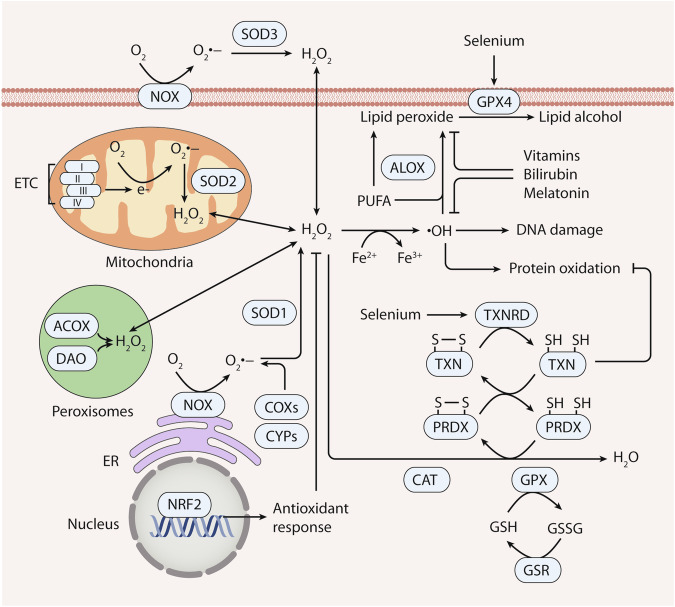 Figure 1
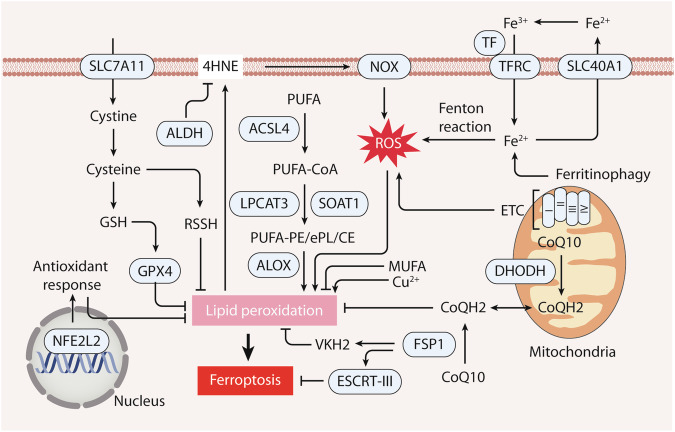 Figure 2
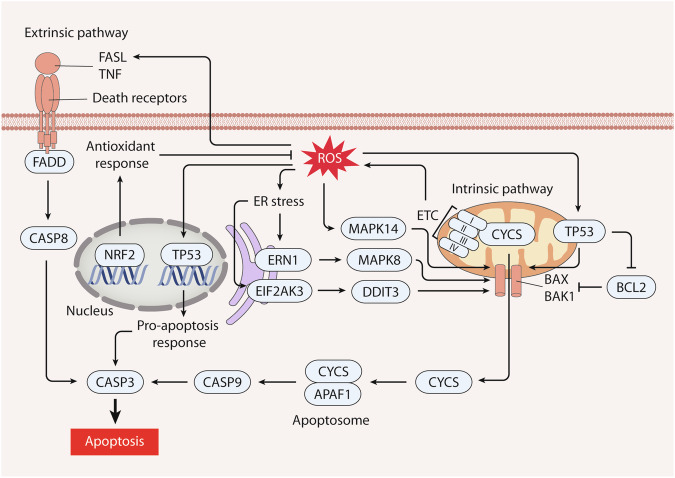 Figure 3
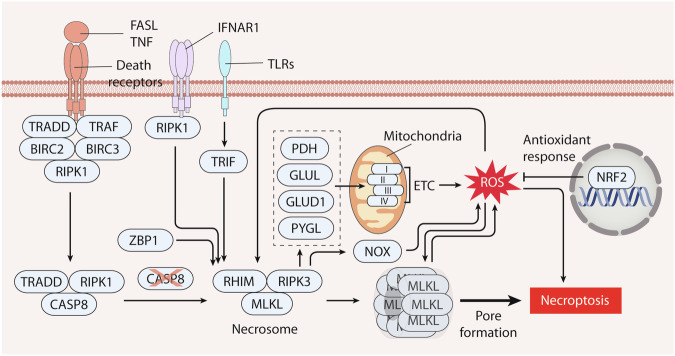 Figure 4
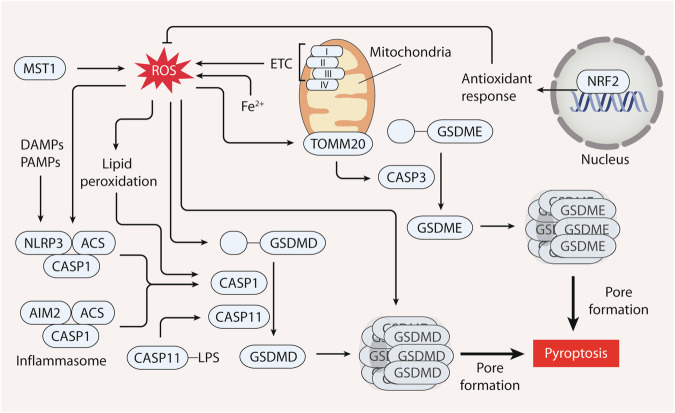 Figure 5
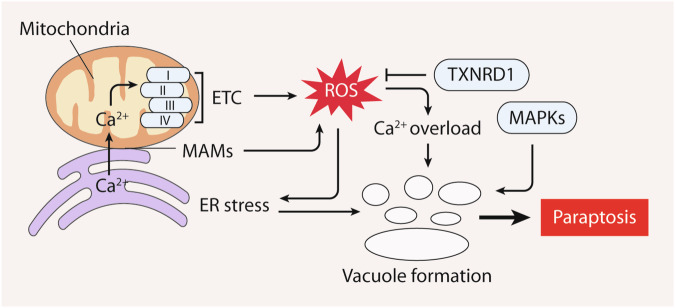 Figure 6
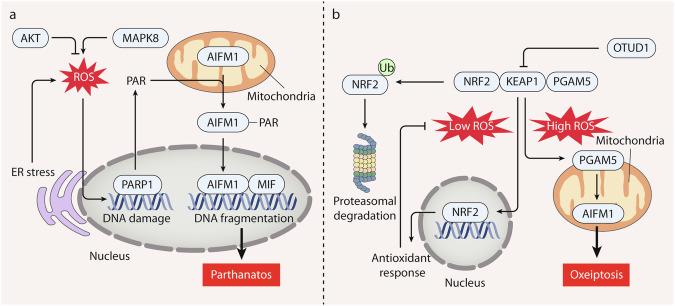 Figure 7
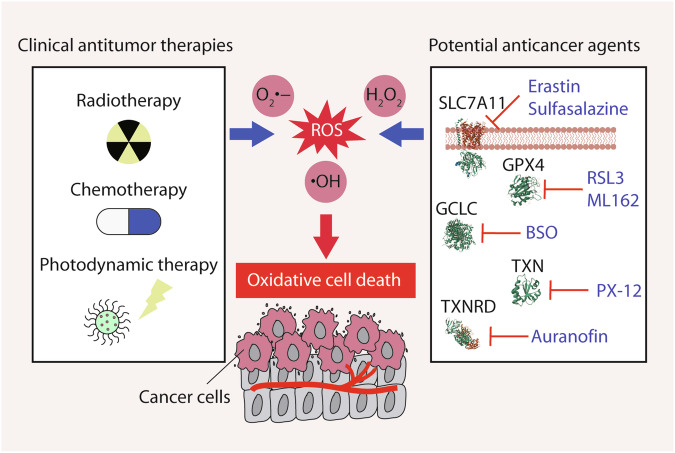 Figure 8
Peer Reviews
No public reviews on file for this paper yet. If you reviewed it on a platform where reviews are public (OpenReview, ICLR, NeurIPS, ICML), you can paste yours below so the community can read it here.
Videos
No videos yet. Explain this paper in a talk, walkthrough, or lecture? Add one.
Taxonomy
TopicsNursing care and research · History, Culture, and Society · Aging, Health, and Disability