Recurrent fever of unknown origin and unexplained bacteremia in a patient with a novel 4.5 Mb microdeletion in Xp11.23-p11.22
Cho-Rong Lee, Man Jin Kim, Sang-Heon Park, Sheehyun Kim, Soo Yeon Kim, Seong-Joon Koh, Seungbok Lee, Murim Choi, Jong Hee Chae, Sung-Gyoo Park, Jangsup Moon

TL;DR
A patient with a novel X chromosome deletion shows recurrent fever and immune issues, offering new insights into fever of unknown origin.
Contribution
Identifies a novel Xp microdeletion linked to recurrent fever and immune dysfunction through comprehensive immunological analysis.
Findings
The patient exhibited elevated Th1, Th2, and Th17 cell populations and impaired Treg cell function.
Single cell analysis revealed expansion of cytotoxic CD4 T lymphocytes and upregulated interferon-stimulated genes.
X chromosome-skewed inactivation was observed, potentially influencing the manifestation of immunological symptoms.
Abstract
Fever of unknown origin (FUO) remains a formidable diagnostic challenge in the field of medicine. Numerous studies suggest an association between FUO and genetic factors, including chromosomal abnormalities. Here, we report a female patient with a 4.5 Mb Xp microdeletion, who presented with recurrent FUO, bacteremia, colitis, and hematochezia. To elucidate the underlying pathogenic mechanism, we employed a comprehensive approach involving single cell RNA sequencing, T cell receptor sequencing, and flow cytometry to evaluate CD4 T cells. Analysis of peripheral blood mononuclear cells revealed augmented Th1, Th2, and Th17 cell populations, and elevated levels of proinflammatory cytokines in serum. Notably, the patient exhibited impaired Treg cell function, possibly related to deletion of genes encoding FOPX3 and WAS. Single cell analysis revealed specific expansion of cytotoxic CD4 T…
Genes, proteins, chemicals, diseases, species, mutations and cell lines named across the full text — each resolved to its canonical identifier and authoritative record.
Click any figure to enlarge with its caption.
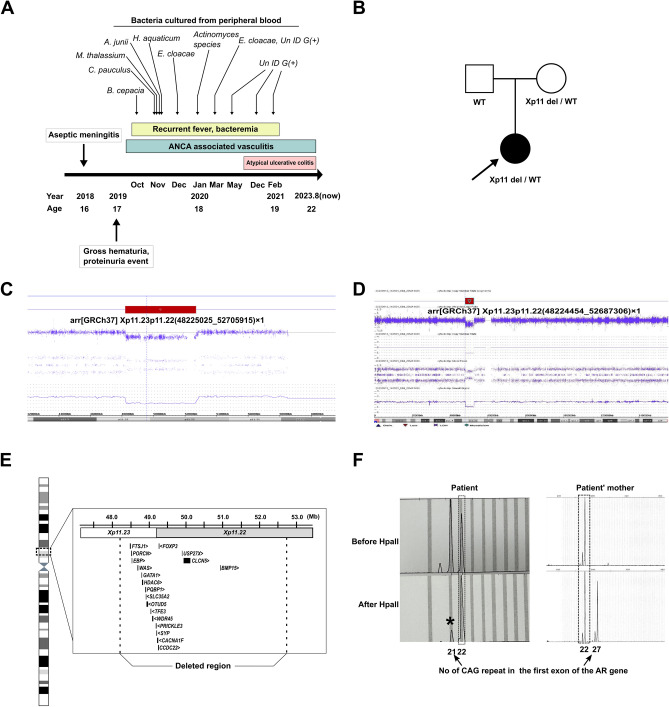 Figure 1
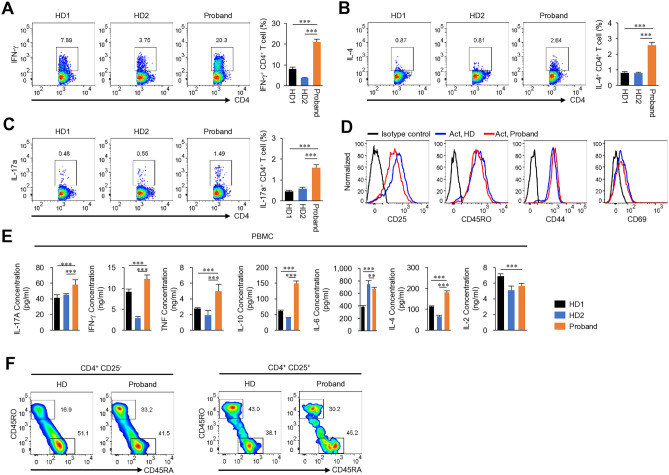 Figure 2
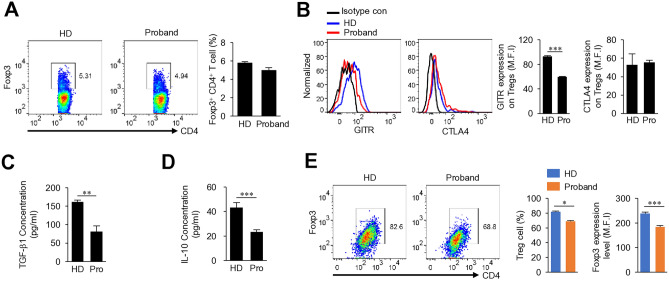 Figure 3
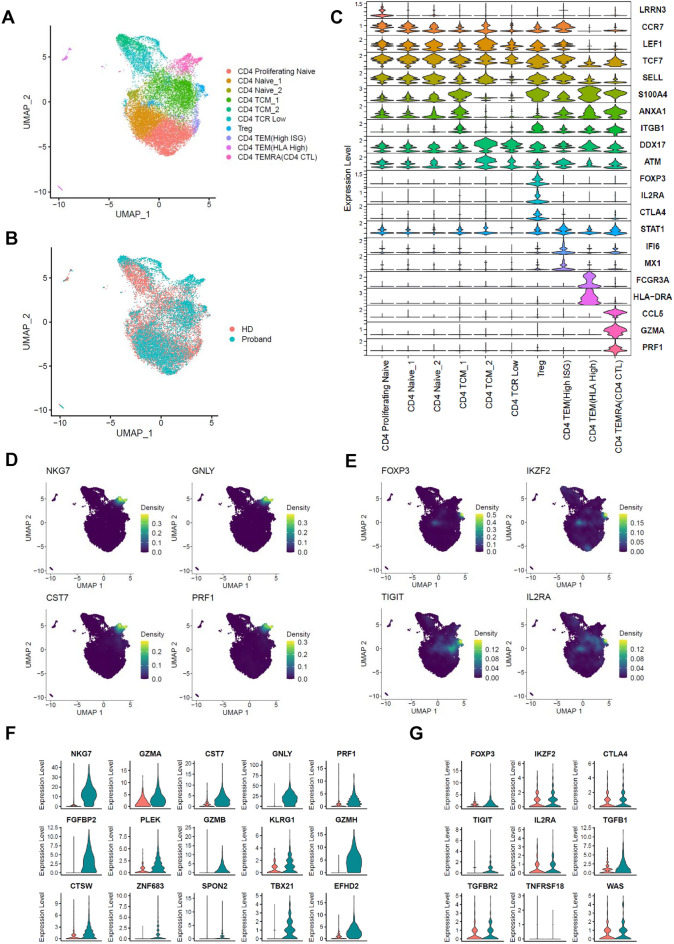 Figure 4
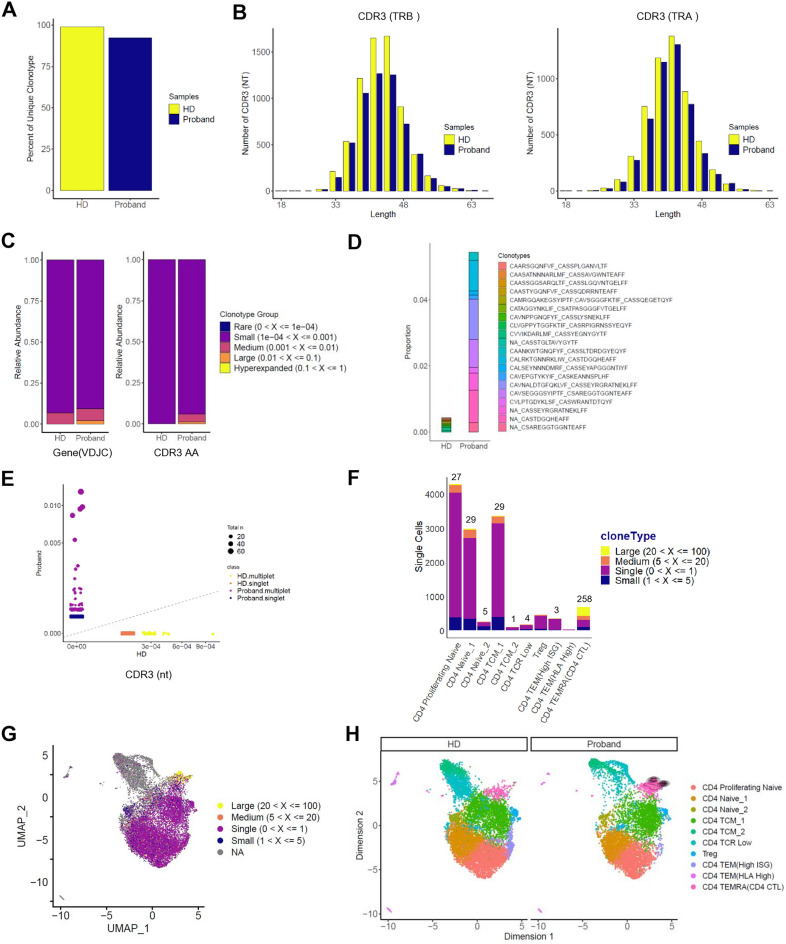 Figure 5
Peer Reviews
No public reviews on file for this paper yet. If you reviewed it on a platform where reviews are public (OpenReview, ICLR, NeurIPS, ICML), you can paste yours below so the community can read it here.
Videos
No videos yet. Explain this paper in a talk, walkthrough, or lecture? Add one.
Taxonomy
TopicsImmune Cell Function and Interaction · Inflammasome and immune disorders · Cytomegalovirus and herpesvirus research