Generation of human vascularized and chambered cardiac organoids for cardiac disease modelling and drug evaluation
Jingsi Yang, Wei Lei, Yang Xiao, Shuai Tan, Jiani Yang, Yingjiong Lin, Zhuangzhuang Yang, Dandan Zhao, Chunxiang Zhang, Zhenya Shen, Shijun Hu

TL;DR
Researchers created vascularized and chambered heart-like organoids to study heart diseases and test drugs more effectively.
Contribution
A three-step method to generate reproducible, vascularized, and chambered cardiac organoids for disease modeling and drug evaluation.
Findings
The organoids, called vaschamcardioids, showed 90% spontaneous beating and included six cell types.
Captopril reduced fibrosis and functional disorders in injury models, while doxorubicin caused dose-dependent toxicity.
The method enables robust modeling of cardiac injury and drug screening in a human-like system.
Abstract
Human induced pluripotent stem cell (hiPSC)‐derived cardiac organoids (COs) have shown great potential in modelling human heart development and cardiovascular diseases, a leading cause of global death. However, several limitations such as low reproducibility, limited vascularization and difficulty in formation of cardiac chamber were yet to be overcome. We established a new method for robust generation of COs, via combination of methodologies of hiPSC‐derived vascular spheres and directly differentiated cardiomyocytes from hiPSCs, and investigated the potential application of human COs in cardiac injury modelling and drug evaluation. The human COs we built displayed a vascularized and chamber‐like structure, and hence were named vaschamcardioids (vcCOs). These vcCOs exhibited approximately 90% spontaneous beating ratio. Single‐cell transcriptomics identified a total of six cell types in…
Genes, proteins, chemicals, diseases, species, mutations and cell lines named across the full text — each resolved to its canonical identifier and authoritative record.
Click any figure to enlarge with its caption.
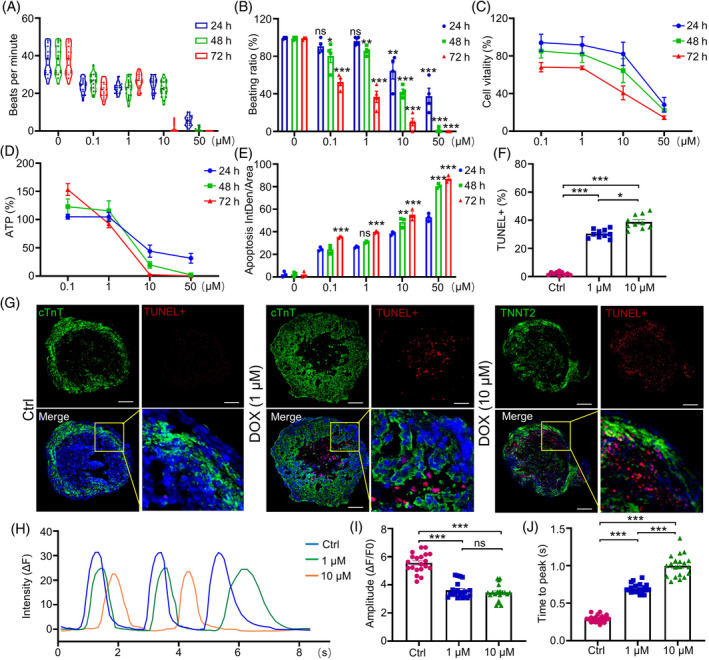 Figure 1
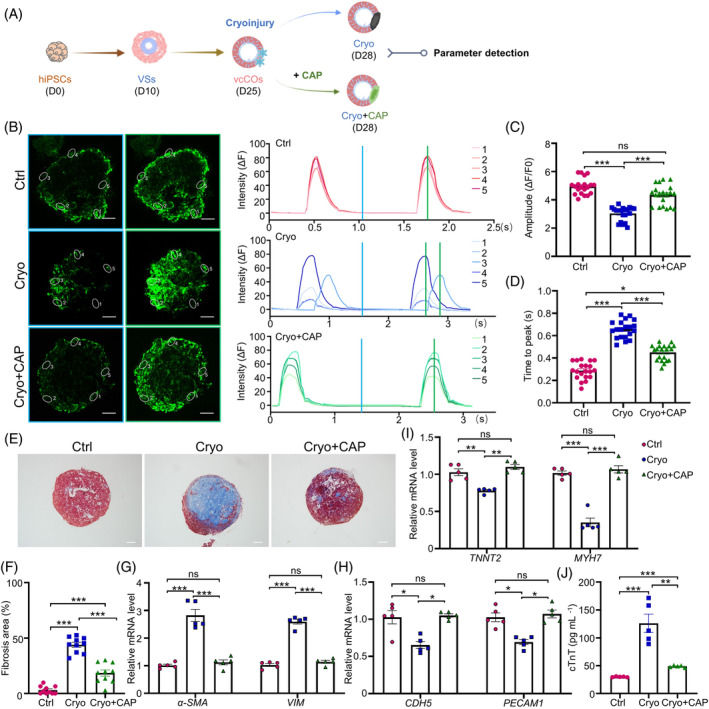 Figure 2
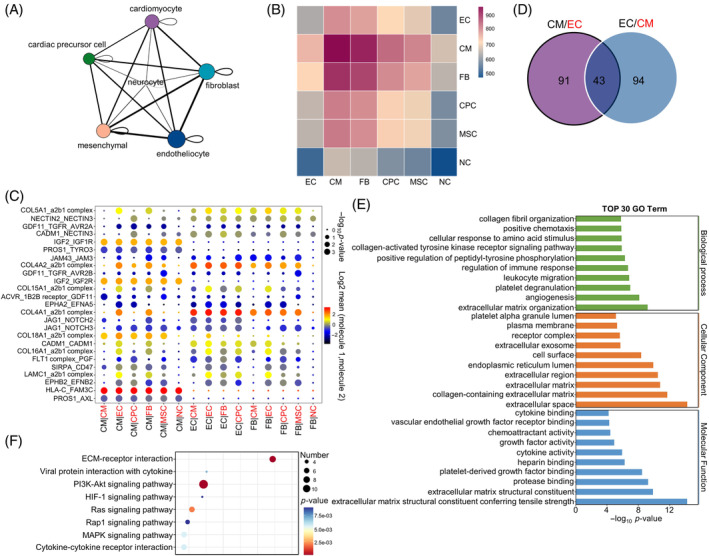 Figure 3
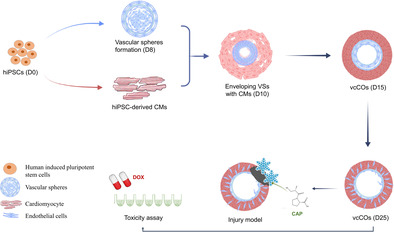 Figure 4
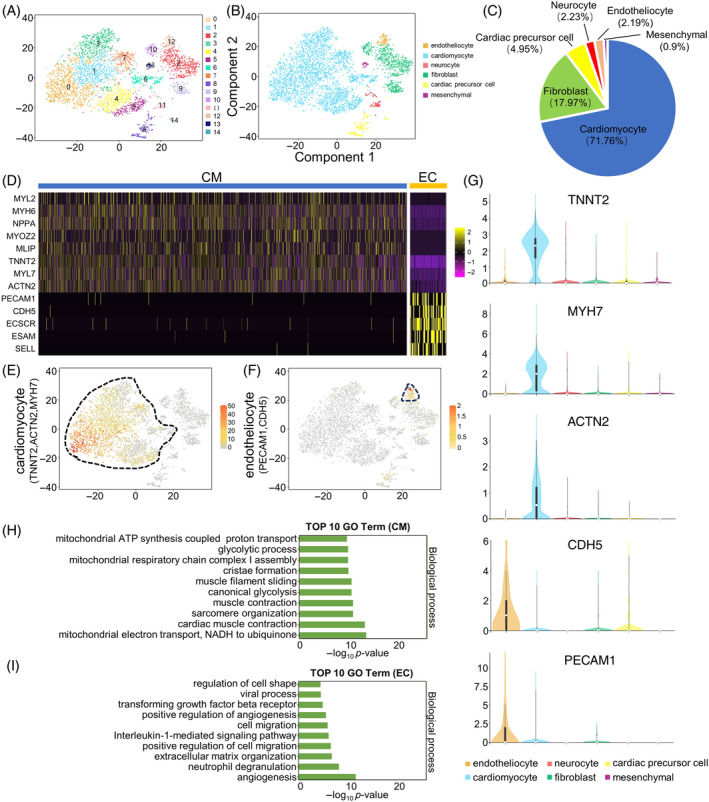 Figure 5
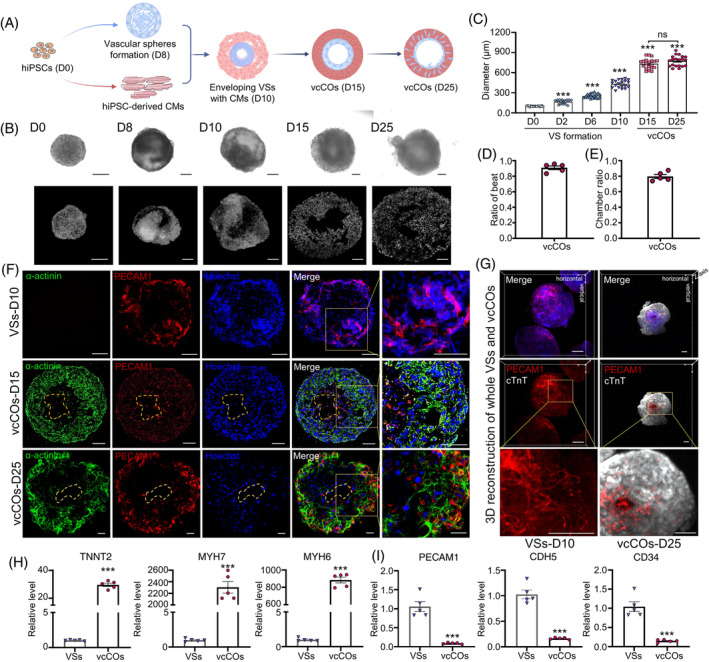 Figure 6
Peer Reviews
No public reviews on file for this paper yet. If you reviewed it on a platform where reviews are public (OpenReview, ICLR, NeurIPS, ICML), you can paste yours below so the community can read it here.
Videos
No videos yet. Explain this paper in a talk, walkthrough, or lecture? Add one.
Taxonomy
TopicsLinguistic Education and Pedagogy