Lamivudine modulates the expression of neurological impairment-related genes and LINE-1 retrotransposons in brain tissues of a Down syndrome mouse model
Alessandra Borgognone, Maria Casadellà, María Martínez de Lagrán, Roger Paredes, Bonaventura Clotet, Mara Dierssen, Aleix Elizalde-Torrent

TL;DR
Lamivudine improves brain gene expression and reduces LINE-1 retrotransposon activity in a Down syndrome mouse model, potentially offering a new therapeutic approach.
Contribution
This study is the first to show that lamivudine modulates LINE-1 retrotransposons and rescues DS-related gene expression in brain tissues of Ts65Dn mice.
Findings
Lamivudine treatment rescued 24% of trisomic gene expression in the cortex and 15% in the hippocampus of Down syndrome mice.
LINE-1 retrotransposon misregulation was found in brain tissues of trisomic mice and partially rescued by lamivudine.
Important Down syndrome candidate genes like App and Ets2 were rescued in both brain regions following lamivudine treatment.
Abstract
Elevated activity of retrotransposons is increasingly recognized to be implicated in a wide range of neurodegenerative and neurodevelopmental diseases, including Down syndrome (DS), which is the most common chromosomal condition causing intellectual disability globally. Previous research by our group has revealed that treatment with lamivudine, a reverse transcriptase inhibitor, improved neurobehavioral phenotypes and completely rescued hippocampal-dependent recognition memory in a DS mouse model, Ts65Dn. We hypothesized that retrotransposition rates would increase in the Ts65Dn mouse model, and lamivudine could block retrotransposons. We analyzed the differentially expressed long interspersed element-1 (LINE-1 or L1) mapping on MMU16 and 17, and showed for the first time that retrotransposition could be associated with Ts65Dn’s pathology, as misregulation of L1 was found in brain…
Genes, proteins, chemicals, diseases, species, mutations and cell lines named across the full text — each resolved to its canonical identifier and authoritative record.
Click any figure to enlarge with its caption.
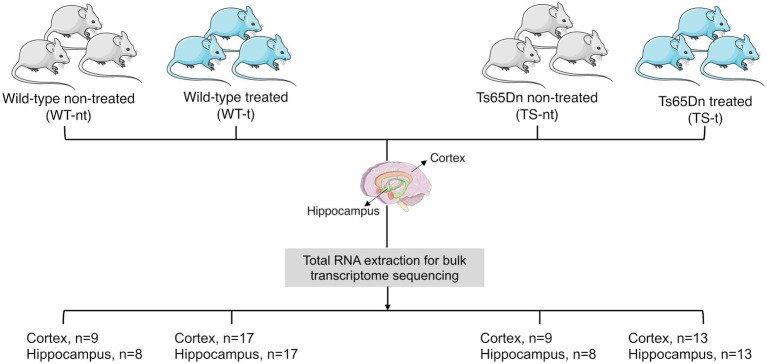 Figure 1
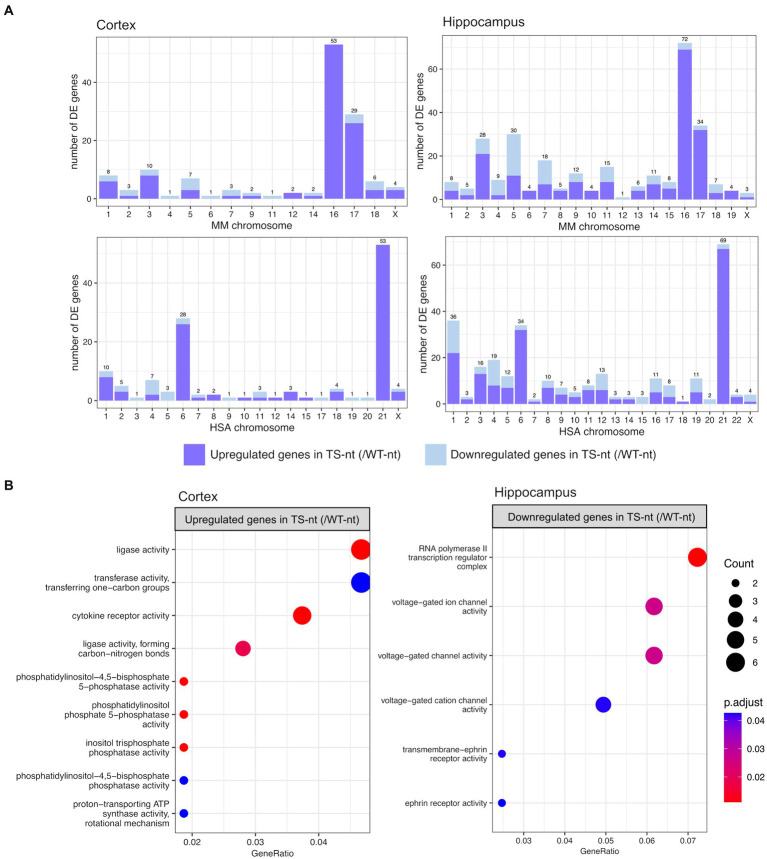 Figure 2
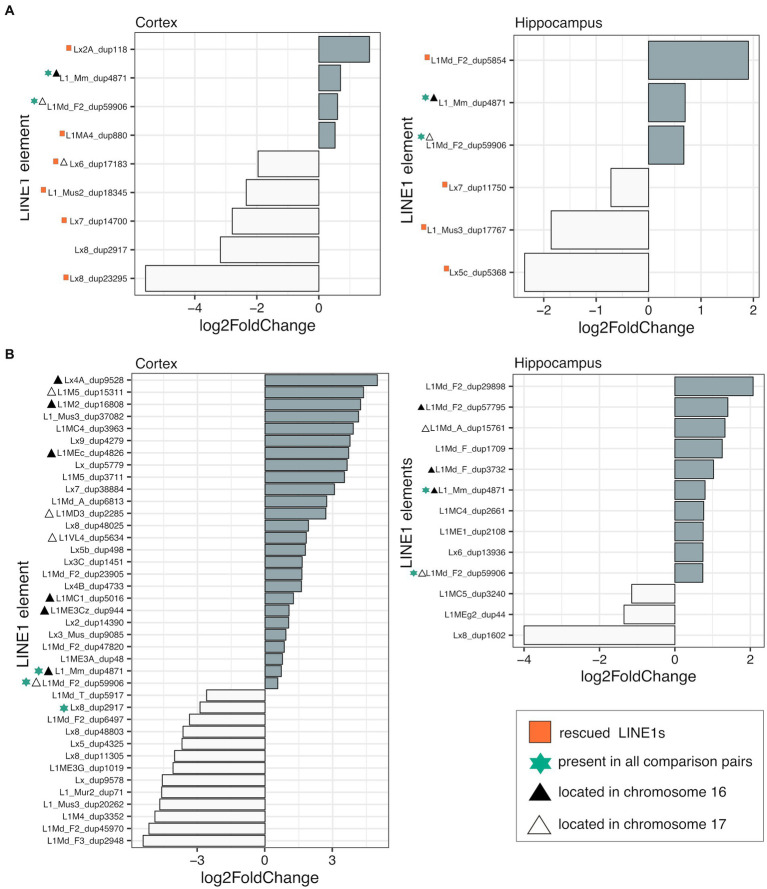 Figure 3
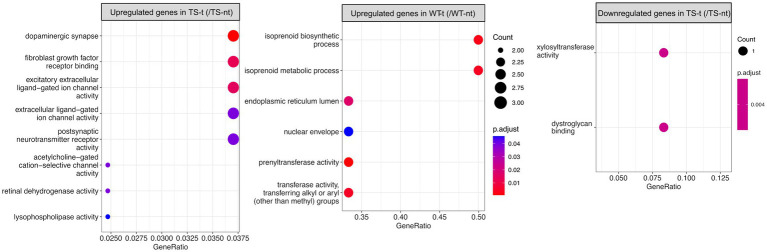 Figure 4
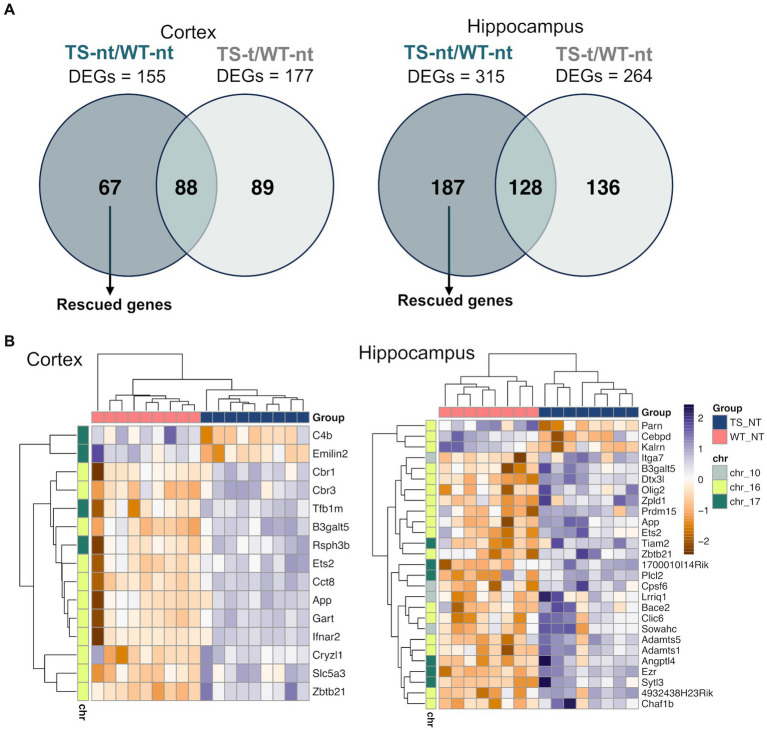 Figure 5
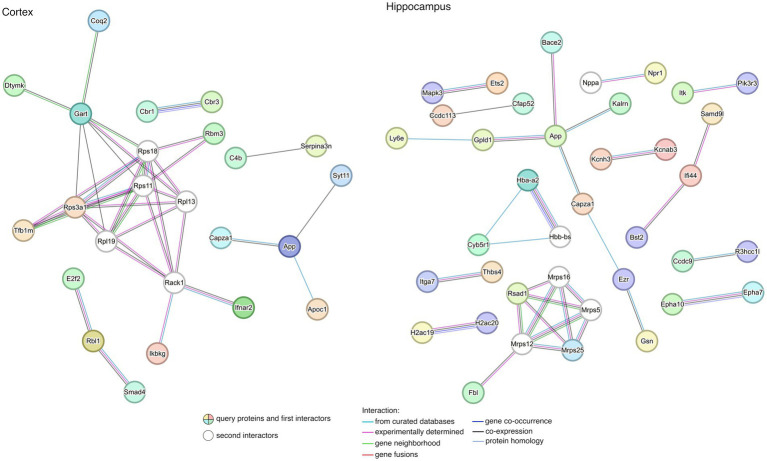 Figure 6
 Figure 7
 Figure 8
Peer Reviews
No public reviews on file for this paper yet. If you reviewed it on a platform where reviews are public (OpenReview, ICLR, NeurIPS, ICML), you can paste yours below so the community can read it here.
Videos
No videos yet. Explain this paper in a talk, walkthrough, or lecture? Add one.
Taxonomy
TopicsChromosomal and Genetic Variations · Genetics and Neurodevelopmental Disorders · Advanced biosensing and bioanalysis techniques