Sporadic inclusion body myositis-derived myotube culture revealed muscle cell-autonomous expression profiles
Naoki Suzuki, Makoto Kanzaki, Masashi Koide, Rumiko Izumi, Ryo Fujita, Tadahisa Takahashi, Kazumi Ogawa, Yutaka Yabe, Masahiro Tsuchiya, Masako Suzuki, Ryuhei Harada, Akiyuki Ohno, Hiroya Ono, Naoko Nakamura, Kensuke Ikeda, Hitoshi Warita, Shion Osana, Yoshitsugu Oikawa

TL;DR
This study shows that muscle cells from inclusion body myositis patients have unique gene expression patterns, suggesting cell-autonomous degeneration.
Contribution
The study introduces a novel method using sIBM-derived myotubes to identify cell-autonomous gene expression profiles in muscle degeneration.
Findings
104 genes were upregulated and 13 genes were downregulated in sIBM-derived myotubes.
Apolipoprotein E and TMEM8C were commonly upregulated in both biopsies and myotubes from sIBM patients.
DEGs suggest muscle contraction and development changes, pointing to muscle atrophy and abnormal differentiation in sIBM.
Abstract
Sporadic inclusion body myositis (sIBM) is a muscle disease in older people and is characterized by inflammatory cell invasion into intact muscle fibers and rimmed vacuoles. The pathomechanism of sIBM is not fully elucidated yet, and controversy exists as to whether sIBM is a primary autoimmune disease or a degenerative muscle disease with secondary inflammation. Previously, we established a method of collecting CD56-positive myoblasts from human skeletal muscle biopsy samples. We hypothesized that the myoblasts derived from these patients are useful to see the cell-autonomous pathomechanism of sIBM. With these resources, myoblasts were differentiated into myotubes, and the expression profiles of cell-autonomous pathology of sIBM were analyzed. Myoblasts from three sIBM cases and six controls were differentiated into myotubes. In the RNA-sequencing analysis of these “myotube” samples,…
Genes, proteins, chemicals, diseases, species, mutations and cell lines named across the full text — each resolved to its canonical identifier and authoritative record.
Click any figure to enlarge with its caption.
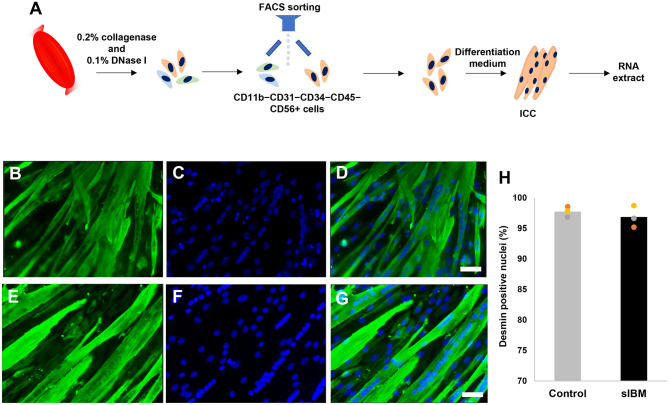 Figure 1
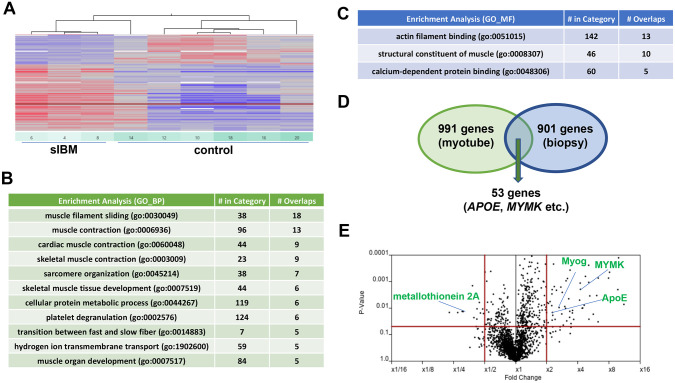 Figure 2
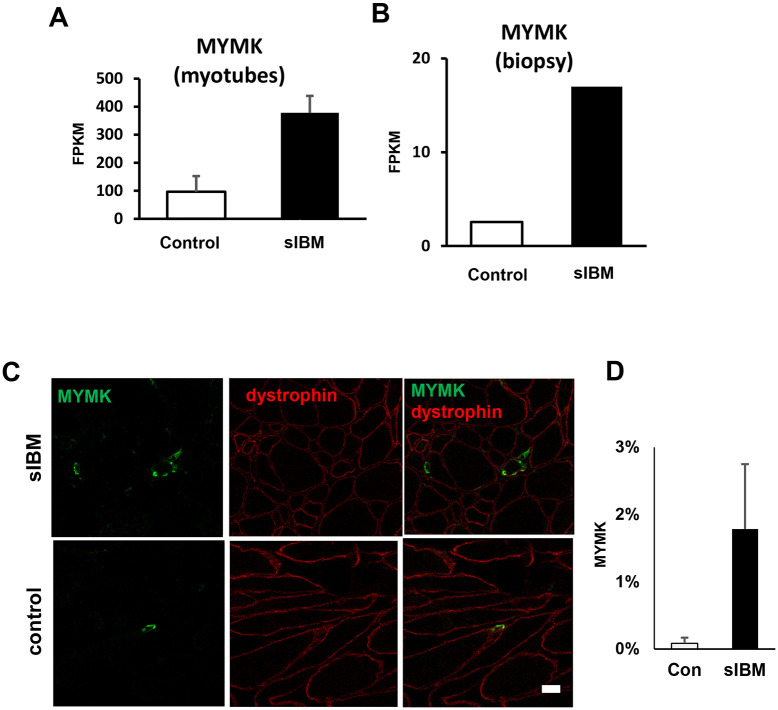 Figure 3
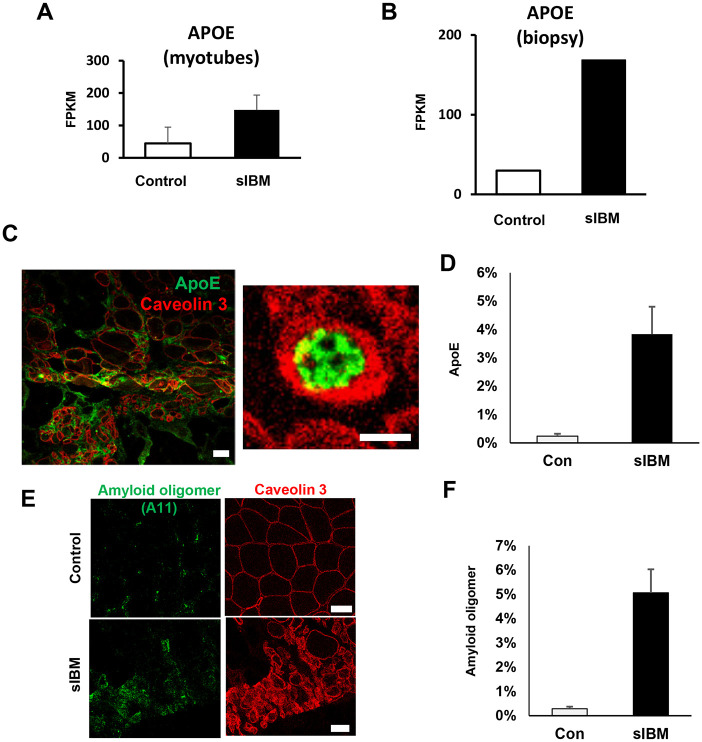 Figure 4
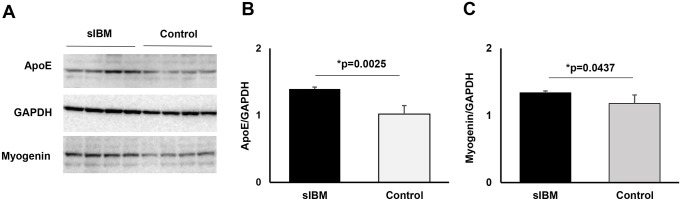 Figure 5
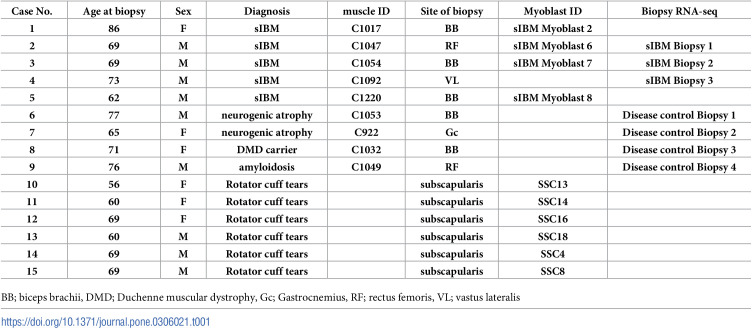 Figure 6
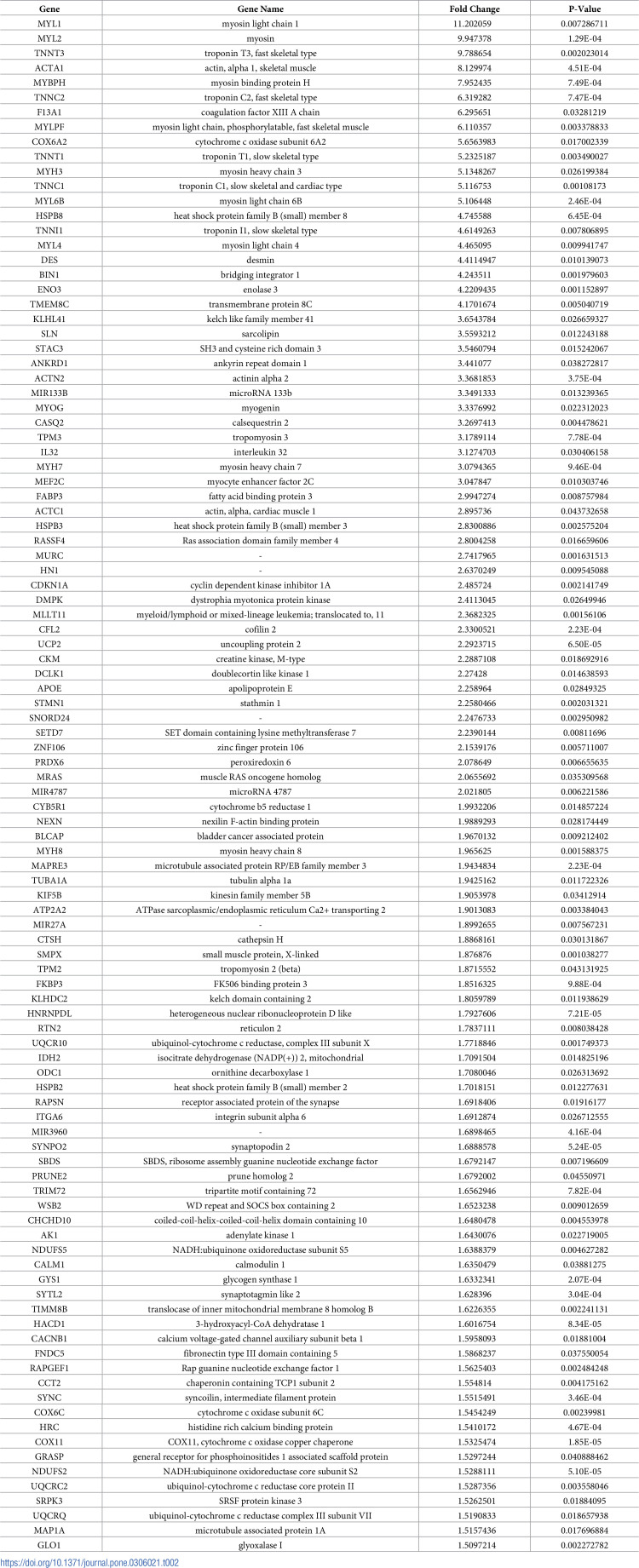 Figure 7
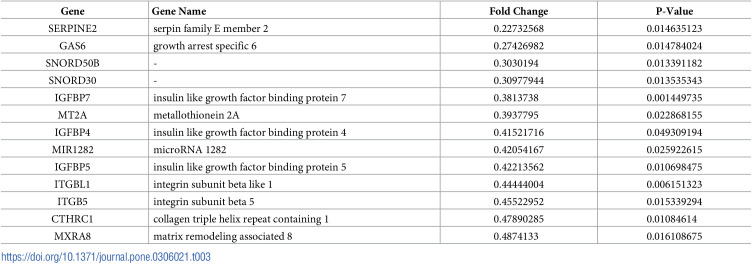 Figure 8
Peer Reviews
No public reviews on file for this paper yet. If you reviewed it on a platform where reviews are public (OpenReview, ICLR, NeurIPS, ICML), you can paste yours below so the community can read it here.
Videos
No videos yet. Explain this paper in a talk, walkthrough, or lecture? Add one.
Taxonomy
TopicsInflammatory Myopathies and Dermatomyositis · Muscle Physiology and Disorders · Heterotopic Ossification and Related Conditions