Flavouring Group Evaluation 80, Revision 2 (FGE.80Rev2): Consideration of alicyclic, alicyclic‐fused and aromatic‐fused ring lactones evaluated by the JECFA (61st and 82nd meetings) structurally related to an aromatic lactone evaluated in FGE.27
Laurence Castle, Monica Andreassen, Gabriele Aquilina, Maria Bastos, Polly Boon, Biagio Fallico, Reginald Fitzgerald, Maria Jose Frutos Fernandez, Bettina Grasl‐Kraupp, Ursula Gundert‐Remy, Rainer Gürtler, Eric Houdeau, Marcin Kurek, Henriqueta Louro, Patricia Morales

TL;DR
This paper evaluates the safety of 14 flavoring substances, concluding that one specific substance is safe at current dietary intake levels.
Contribution
The paper provides a safety evaluation of FL-no: 10.057 using a stepwise approach including structure-activity relationships and dietary intake data.
Findings
FL-no: 10.057 does not raise safety concerns at current dietary intake levels.
For 13 flavoring substances, additional data on use levels is needed to finalize safety evaluations.
Information on stereoisomeric mixtures is required for three substances.
Abstract
The EFSA Panel on Food Additives and Flavourings was requested to evaluate 14 flavouring substances assigned to the Flavouring Group Evaluation 80 (FGE.80), using the Procedure as outlined in the Commission Regulation (EC) No 1565/2000. Thirteen substances have already been considered in FGE.80 and its revision and in FGE.96 [FL‐no: 10.005, 10.024, 10.025, 10.050, 10.061, 10.069, 10.070, 10.072, 10.169, 13.009, 13.012, 13.161 and 16.055]. The remaining flavouring substance 3a,4,5,7a‐tetrahydro‐3,6‐dimethylbenzofuran‐2(3H)‐one [FL‐no: 10.057] has been cleared with respect to genotoxicity in FGE.217Rev3 and it is considered in this revision 2 of FGE.80. The substance [FL‐no: 10.057] was evaluated through a stepwise approach that integrates information on the structure–activity relationships, intake from current uses, threshold of toxicological concern (TTC) and available data on…
Genes, proteins, chemicals, diseases, species, mutations and cell lines named across the full text — each resolved to its canonical identifier and authoritative record.
Click any figure to enlarge with its caption.
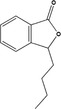 Figure 1
 Figure 2
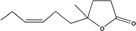 Figure 3
 Figure 4
 Figure 5
 Figure 6
 Figure 7
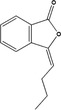 Figure 8
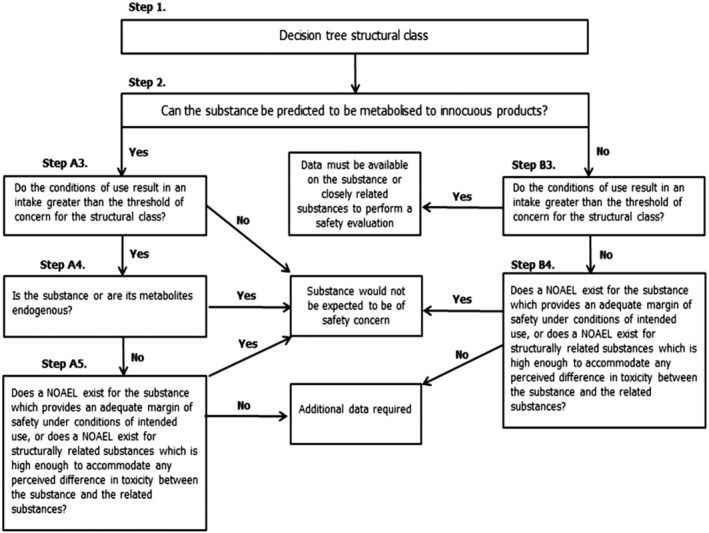 Figure 9
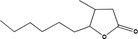 Figure 10
 Figure 11
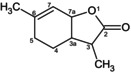 Figure 12
 Figure 13
 Figure 14
 Figure 15
 Figure 16
| FL‐no | Chemical name | Data provided for the current revision 2 of FGE.80 | Appendix (table no.) and relevant section of the opinion | Documentation provided to EFSA/reference |
|---|---|---|---|---|
| 10.005 | 3‐Propylidenephthalide | Use levels | Appendix | DG SANCO, 2014 |
| 10.024 | 3‐Butylidenephthalide | Use levels | Appendix | DG SANCO, 2014 |
| 10.025 | 3‐Butylphthalide | Use levels | Appendix | DG SANCO, 2014 |
| 10.050 | Hexahydro‐3,6‐dimethyl‐2(3 | Use levels | Appendix | DG SANCO, 2014 |
| 10.057 | 3a,4,5,7a‐Tetrahydro‐3,6‐dimethylbenzofuran‐2(3H)‐one | Specifications, EU poundage data (MSDI), use levels, toxicity data | Appendix | Documentation provided to EFSA no.1, 2, 3; Food and Drug Research Laboratories, 1985 |
| 10.072 | Dimethyl‐3,6‐benzo‐2(3H)‐furanone | Use levels | Appendix | DG SANCO, 2014 |
| 13.009 | 3,4‐Dihydrocoumarin | Use levels | Appendix | DG SANCO, 2014 |
| 13.012 | 6‐Methylcoumarin | Use levels | Appendix | DG SANCO, 2014 |
| 13.161 | Octahydrocoumarin | Use levels | Appendix | DG SANCO, 2014 |
| 16.055 | (R)‐(+)‐Sclareolide | Use levels | Appendix | DG SANCO, 2014 |
| FL‐no JECFA‐no | Chemical structure | Chemical name | Structural class |
|---|---|---|---|
|
10.057 2223 |
| 3a,4,5,7a‐Tetrahydro‐3,6‐dimethylbenzofuran‐2(3 | Class III |
Peer Reviews
No public reviews on file for this paper yet. If you reviewed it on a platform where reviews are public (OpenReview, ICLR, NeurIPS, ICML), you can paste yours below so the community can read it here.
Videos
No videos yet. Explain this paper in a talk, walkthrough, or lecture? Add one.
Taxonomy
TopicsCarcinogens and Genotoxicity Assessment · Chemical Safety and Risk Management · Chemistry and Chemical Engineering
INTRODUCTION
1
The present revision of this Flavouring Group Evaluation (FGE) concerns the inclusion of a gamma‐lactone fused to an alicyclic ring, i.e. 3a,4,5,7a‐tetrahydro‐3,6‐dimethylbenzofuran‐2*(3H)*‐one [FL‐no: 10.057], which is a precursor for the α,β‐unsaturated ketone 3‐methyl‐6‐(1‐carboxyethyl)‐2‐cyclohexen‐1‐one. The flavouring substance [FL‐no: 10.057] has been evaluated with respect to genotoxicity in FGE.217Rev3 (EFSA FAF Panel, 2023). According to the terms of reference of this mandate, once the concern for genotoxicity is ruled out for a flavouring substance, the European Food Safety Authority (EFSA) shall proceed to its full evaluation, taking into account the requirements of the Commission Regulation (EC) No 1565/20001 and of Regulation (EU) No 1334/2008.2 The mandate for FGE.217Rev3 is cited below.
Background and Terms of Reference as provided by the requestor
1.1
The use of flavourings is regulated under Regulation (EC) No 1334/2008 of the European Parliament and Council of 16 December 2008 on flavourings and certain food ingredients with flavouring properties for use in and on foods. On the basis of Article 9(a) of this Regulation, an evaluation and approval are required for flavouring substances.
The Union list of flavourings and source materials was established by Commission Implementing Regulation (EC) No 872/2012.3 The list includes a number of flavouring substances for which the safety evaluation should be completed in accordance with Commission Regulation (EC) No 1565/2000.
In December 2018, EFSA FAF Panel adopted the opinion on FGE.217 Revision 2 that includes the flavouring substance 3a,4,5,7a‐tetrahydro‐3,6‐dimethylbenzofuran‐2*(3H)*‐one [FL‐no: 10.057] represented by 3,4‐dimethyl‐5‐pentylidenefuran‐2(5H)‐one [FL‐no: 10.042] (FGE.217Rev2). For the representative substance 3,4‐dimethyl‐5‐pentylidenefuran‐2(5H)‐one [FL‐no: 10.042], the FAF Panel concluded that the potential clastogenicity at the site of contact should be further investigated through an in vivo comet assay in duodenum. [FL‐no: 10.042] is also aneugenic in vitro and for such substances, there was no agreed follow‐up strategy to finalise their safety assessment. Therefore, the Panel concluded that the substance [FL‐no: 10.042] and the other eight represented substances [FL‐no: 10.034, 10.036, 10.043, 10.046, 10.054, 10.057, 10.060 and 10.170] could not be evaluated through the Procedure.
Following that evaluation there was an indication that the applicants were no longer interested to support the evaluation of the representative substance [FL‐no: 10.042] and the other 8 substances, including [FL‐no: 10.057]. Therefore, these substances were flagged for deletion from the Union List. However, early in 2021 the company Takasago indicated that they would support the evaluation of the substance [FL‐no: 10.057]. Since the representative substance is no longer supported, in September 2021, they provided the relevant data for the substance [FL‐no: 10.057].
Terms of Reference
The European Commission requests the European Food Safety Authority (EFSA) to evaluate the new information submitted and, depending on the outcome, proceed to the full evaluation of the substance 3a,4,5,7a‐tetrahydro‐3,6‐dimethylbenzofuran‐2*(3H)*‐one [FL‐no: 10.057] in accordance with Commission Regulation (EC) No 1565/2000.
In case the genotoxic potential cannot be ruled out, EFSA is asked to estimate the exposure.
Interpretation of the Terms of Reference
1.2
The flavouring substance [FL‐no: 10.057] was first allocated to FGE.217Rev3 (EFSA FAF Panel, 2023) for evaluation with respect to genotoxicity. Based on new genotoxicity data submitted, in FGE.217Rev3, the Panel concluded that this flavouring substance does not give rise to concern with respect to genotoxicity and can accordingly be evaluated through the Procedure in the present revision of FGE.80 (FGE.80Rev2), in accordance with Commission Regulation (EC) No 1565/2000.
The above‐mentioned flavouring substance belongs to a group of structurally related substances which have been evaluated by the Joint FAO/WHO Expert Committee on Food Additives (JECFA) in the past (JECFA, 2004). Other substances in this group have already been considered by EFSA in FGE.80 (EFSA, 2008a), FGE.80Rev1 (EFSA CEF Panel, 2009a) and FGE.96 (EFSA CEF Panel, 2011). For substances already evaluated by JECFA, a full evaluation is not required, but EFSA should consider whether the JECFA evaluation can be agreed to or not. If not, EFSA should carry out a full evaluation of such substances (for further explanations, see Appendix A).
DATA AND METHODOLOGIES
2
Data
2.1
The present opinion is based on the data presented in Table 1. Additional information was provided by the industry during the risk assessment process on 22 March 2024 (Documentation provided to EFSA No. 2) and on 15 May 2024 (Documentation provided to EFSA No. 3) in response to requests from EFSA sent on 23 October 2023 and on 19 April 2024, respectively.
In addition, the following assessments were considered for the evaluation:
- –JECFA specifications for the candidate flavouring substance [FL‐no: 10.057] (JECFA, 2016b).
- –82nd JECFA report (JECFA, 2016a) and 82nd JECFA toxicology monograph (JECFA, 2017).
- –Genotoxicity data evaluated in FGE.217Rev3 (EFSA FAF Panel, 2023).
- –EFSA scientific opinion on FGE.80 (EFSA, 2008a).
- –EFSA scientific opinion on FGE.27 (EFSA, 2008b).
- –EFSA scientific opinion on FGE.80Rev1 (EFSA CEF Panel, 2009a).
- –EFSA scientific opinion on FGE.96 (EFSA CEF Panel, 2011).
History of the evaluation of the substances in Flavouring group evaluation 80
2.1.1
The JECFA evaluated a group of 16 flavouring substances consisting of alicyclic, alicyclic‐fused and aromatic‐fused ring lactones (JECFA, 2004). One of the JECFA evaluated substances was not in the Register (dihydro‐5‐((Z,Z)octa‐2,5‐dienyl)‐2(3H)‐furanone) (JECFA‐no: 1160) and therefore not considered by EFSA.
Four substances [FL‐no: 10.034, 10.036, 10.169, 13.012] are precursors for α,β‐unsaturated ketones and aldehydes and were allocated to FGE.217 for the evaluation of genotoxicity.
Therefore, in FGE.80 (EFSA, 2008a), the Panel on Food Additives, Flavourings, Processing Aids and Materials in Contact with Food (AFC) considered 11 JECFA evaluated substances [FL‐no: 10.005, 10.024, 10.025, 10.050, 10.061, 10.069, 10.070, 10.072, 13.009, 13.161 and 16.055]. The AFC Panel considered that these substances are structurally related to the one aromatic lactone evaluated by EFSA in the FGE.27 (phthalide [FL‐no: 10.056]). Furthermore, the JECFA evaluation is supported by a group of lactones evaluated in FGE.10 as well as by alicyclic secondary and tertiary alcohols in FGE.09 and FGE.18, respectively.
Regarding specifications, the AFC Panel considered that information was lacking about the stereoisomerism for six substances [FL‐no: 10.050, 10.061, 10.069, 10.070, 10.072 and 13.161].
MSDI values for the EU could not be calculated for [FL‐no: 10.061, 10.069, 10.070, 10.050, 10.072 and 13.161].
For one substance [FL‐no: 10.072], the AFC Panel did not agree with the JECFA that an adequate NOAEL is available and, accordingly, the AFC Panel requested additional data for [FL‐no: 10.072].
In FGE.80Rev1 (EFSA CEF Panel, 2009a), 13 substances were considered because 6‐methylcoumarin [FL‐no: 13.012] and 5,6,7,7‐alpha‐tetrahydro‐4,4,7alpha‐trimethyl‐2‐(4H)‐benzofuranone [FL‐no: 10.169] were included.
6‐Methylcoumarin [FL‐no: 13.012] was evaluated for genotoxicity in FGE.217 (subgroup 4.1 in FGE.19), where the CEF Panel (EFSA CEF Panel, 2009b) concluded that [FL‐no: 13.012] is not considered genotoxic and can therefore be evaluated through the Procedure in FGE.80Rev1.
The substance [FL‐no: 10.169] was not evaluated in FGE.80 because it was considered a precursor for an α,β‐unsaturated ketone, which would need to be evaluated for genotoxicity first. However, the CEF Panel recognised that, upon hydrolysis, a tertiary alcohol would be formed, and therefore, the substance would not be of concern with respect to genotoxicity. Therefore, [FL‐no: 10.169] was allocated to FGE.80Rev1 for evaluation through the procedure.
In FGE.80Rev1, the CEF Panel considered the available specifications adequate for six substances [FL‐no: 10.005, 10.024, 10.025, 13.009, 13.012 and 16.055].
For seven substances [FL‐no: 10.050, 10.061, 10.069, 10.070, 10.072, 10.169 and 13.161], information on stereoisomerism was not available or incomplete.
For six substances [FL‐no: 10.050, 10.061, 10.069, 10.070, 10.072 and 13.161], MSDI values for EU were not available. For all the 13 substances, information on uses and use levels were not available to calculate mTAMDI.
In 2010, additional information on specifications (EFFA, 2010a) and on MSDI (EFFA, 2010b) was provided by industry for the substances [FL‐no: 10.050, 10.061, 10.069, 10.070, 10.072 and 13.161] and evaluated in FGE.96 (EFSA CEF Panel, 2011). For five substances [FL‐no: 10.050, 10.061, 10.069, 10.070 and 13.161], the CEF Panel concluded at step A3 of the Procedure that these substances would be of no safety concern at their estimated level of intake based on the MSDI approach. The substance [FL‐no: 10.072] was evaluated via the B‐side of the procedure. The CEF Panel considered the NOAEL of 5.42 mg/kg body weight (bw) per day (one dose level tested) for the structurally related substance 3‐propylidenephthalide [FL‐no: 10.005] as derived from a 90‐day toxicity study (Posternak et al., 1969) and concluded that [FL‐no: 10.072] is of no safety concern at the estimated level of intake based on the MSDI approach (EFSA CEF Panel, 2011).
In FGE.96, the CEF Panel reported that for [FL‐no: 10.050 and 13.161] industry (EFFA, 2010a) informed that the commercial products are mixtures of stereoisomers, but no information on the ratio of the stereoisomers was given. The CEF Panel concluded that the composition of stereoisomeric mixtures has to be specified.
In 2010, industry provided also information on stereoisomerism for the substance [FL‐no: 10.169] (EFFA, 2010a). The CEF Panel already concluded in FGE.80Rev1 (EFSA CEF Panel, 2009a) that this substance is of no safety concern, based on the MSDI approach. Therefore, the new information on stereoisomerism (EFFA, 2010a) was not considered in FGE.96, but included in the EU list.
In 2014, industry provided use levels data for nine substances from FGE.80Rev1 [FL‐no: 10.005, 10.024, 10.025, 10.050, 10.072, 13.009, 13.012, 13.161 and 16.055] (DG SANCO, 2014), which are included in the present revision 2 of FGE.80 (see Section 3.2 and Appendix C).
The present opinion deals with the evaluation of one flavouring substance 3a,4,5,7a‐tetrahydro‐3,6‐dimethylbenzofuran‐2*(3H)*‐one [FL‐no: 10.057]. This substance has been evaluated by JECFA as JECFA no. 2223 in its 82nd meeting (JECFA, 2016a, 2016b, 2017). This substance was evaluated by EFSA in FGE.217Rev3 (EFSA FAF Panel, 2023), where it was concluded that the concern for genotoxicity for [FL‐no: 10.057] could be ruled out. Therefore, it can be evaluated through the procedure for which purpose it has now been added to this revision 2 of FGE.80.
Together with the 13 substances that were already considered in FGE.80Rev1, the current revision comprises 14 substances. The 13 flavouring substances [FL‐no: 10.005, 10.024, 10.025, 10.050, 10.061, 10.069, 10.070, 10.072, 10.169, 13.009, 13.012, 13.161 and 16.055], for which the evaluation was finalised in FGE.80Rev1 and in FGE.96, will not be further discussed except for the inclusion of use levels data for nine substances [FL‐no: 10.005, 10.024, 10.025, 10.050, 10.072, 13.009, 13.012, 13.161 and 16.055]. For the sake of completion, the information for all the 14 substances is maintained in the various tables in this revision 2 of FGE.80.
The remaining two JECFA evaluated substances [FL‐no: 10.034 and 10.036], which were allocated to FGE.217 for evaluation of genotoxicity will not be considered further because these have been removed from the Union List4 as explained in FGE.217Rev3 (EFSA FAF Panel, 2023).FGEAdopted by EFSALinkNo. of substancesFGE.801 April 2008 https://www.efsa.europa.eu/en/efsajournal/pub/919 11FGE.80Rev117 June 2009 https://www.efsa.europa.eu/en/efsajournal/pub/1169 13FGE.80Rev24 July 2024 https://www.efsa.europa.eu/en/efsajournal/pub/8952 14
Methodologies
2.2
This opinion was prepared following the principles described in the EFSA Guidance on transparency with regard to scientific aspects of risk assessment (EFSA Scientific Committee, 2009) and following the relevant existing guidance documents from the EFSA Scientific Committee. The assessment strategy applied for the evaluation programme of flavouring substances, as laid down in Commission Regulation (EC) No 1565/2000, is based on the Opinion on a Programme for the Evaluation of Flavouring substances of the Scientific Committee on Food (SCF, 1999).
Procedure for the safety evaluation of flavouring substances
2.2.1
The approach for safety evaluation of chemically defined flavouring substances as referred to in Commission Regulation (EC) No 1565/2000, named the ‘Procedure’, is described in Appendix A.
Approach used for the calculation of exposure
2.2.2
The approach used for calculation of the intake of the flavouring substances is described in Appendix A (point ‘a Intake’) and in Appendix C (Section C.2 ‘mTAMDI calculation’).
ASSESSMENT
3
Specifications
3.1
The JECFA specifications are available for all 14 flavouring substances in FGE.80Rev2 [FL‐no: 10.005, 10.024, 10.025, 10.050, 10.057, 10.061, 10.069, 10.070, 10.072, 10.169, 13.009, 13.012, 13.161 and 16.055] (JECFA, 2004, 2016b).
EFSA considerations
Table 2 shows the chemical structure of the candidate substance which is considered in this revision of FGE.80 (FGE.80Rev2).
The information on the stereochemistry of the flavouring substance [FL‐no: 10.057] reported by JECFA (2016b) is as follows: (3aS,7aR): 81%–84%, (3aR,7aS): 16%–19%.
Considering that the flavouring substance contains three asymmetric centres (3, 3a, 7a), EFSA requested the applicant to provide stereochemical information that includes the missing data on the configuration at position 3. In response, the applicant provided the following information on the flavouring substance currently on the market: (3S, 3aS, 7aR): 22%–25%, (3S, 3aR, 7aS): 22–25%, (3S, 3aS, 7aS): 0%–1%, (3S, 3aR, 7aR): 0%–1%, (3R, 3aS, 7aR): 22%–25%, (3R, 3aR, 7aS): 22%–25%, (3R, 3aS, 7aS): 0%–1%, (3R, 3aR, 7aR): 0%–1%.
The sum of all (3R) and the sum of all (3S) stereoisomers both amount to 50% (i.e. racemic mixture). The proportions of the stereoisomers of the flavouring substance possessing (3aS,7aR)‐ and (3aR,7aS)‐configuration, respectively, amount to 44%–50% each (Documentation provided to EFSA no. 2 and 3).
With this information, the data required for the specifications of this flavouring substance are complete. However, in line with the applicant, the Panel noted that, according to this information, the proportions of the stereoisomers of the flavouring substance possessing (3aS,7aR)‐ and (3aR,7aS)‐configuration deviate from the specification reported by JECFA (2016b).
For the substances [FL‐no: 10.050, 10.069 and 13.161], industry (EFFA, 2010a) informed that the commercial products are mixtures of stereoisomers, but the information provided on stereoisomers was incomplete. The composition of stereoisomeric mixtures (diastereoisomers/enantiomers) has to be specified. For the remaining 10 substances, in this FGE, the specifications are complete.
The most recent specifications data for the substances evaluated in FGE.80 and its revisions are summarised in Table B.1 – Appendix B.
Estimation of intake
3.2
JECFA status
For the flavouring substance [FL‐no: 10.057], evaluated through the JECFA Procedure, intake data are available for the EU (JECFA, 2017). Dietary exposure was estimated using the maximised survey‐derived intake (MSDI) method and the single‐portion exposure technique (SPET).
According to JECFA, the substance [FL‐no: 10.057] has been reported to occur as a natural component of orange and grapefruit juice and fresh apples (JECFA, 2017).
EFSA considerations
An updated EU production figure for the newly included flavouring substance [FL‐no: 10.057] has been submitted by industry (Documentation provided to EFSA no. 1). The MSDI value is 0.012 μg/capita per day (see Table C.4 – Appendix C).
For the flavouring substance [FL‐no: 10.057], normal and maximum use levels have been submitted (Documentation provided to EFSA no. 2) and an mTAMDI intake value was calculated based on the normal use levels (see Appendix C.2). The mTAMDI intake estimate of 1708 μg/person per day is above the threshold of toxicological concern (TTC) for structural class III (90 μg/person per day). For [FL‐no: 10.057], more reliable data on use levels should be provided in order to refine the exposure assessment and to finalise its safety evaluation.
In FGE.80Rev1, the CEF Panel considered that for all 13 substances evaluated through the Procedure use levels are needed to calculate the mTAMDIs in order to identify those flavouring substances that need more refined exposure assessment and to finalise their evaluation. After the publication of FGE.80Rev1, industry provided use levels for nine substances [FL‐no: 10.005, 10.024, 10.025, 10.050, 10.072, 13.009, 13.012, 13.161 and 16.055] (DG SANCO, 2014). No normal and maximum use levels were provided for four flavouring substances [FL‐no: 10.061, 10.069, 10.070 and 10.169], previously considered in FGE.80Rev1.
The MSDI figures and mTAMDI intake estimates for the flavouring substances in FGE.80Rev2 are shown in Table C.4 – Appendix C.
Natural occurrence
Information on natural occurrence was reported by JECFA (2017) and provided by industry (Documentation provided the EFSA no.1). This information is not considered in this evaluation, but is included in Appendix C.3.
Biological and toxicological data
3.3
ADME data
3.3.1
The candidate substance [FL‐no: 10.057] was evaluated by JECFA, in its 82nd meeting, within the group of alicyclic, alicyclic‐fused and aromatic‐fused ring lactones (JECFA, 2017).
JECFA (2017) reported that ‘The metabolic pathways applicable to lactones fused to alicyclic rings (e.g. No. 2223) include excretion as the open‐chain hydroxycarboxylic acid derivative, hydroxylation of ring alkyl substituents producing polar metabolites that may be excreted, or oxidative degradation of the carboxylic acid side‐chain to yield polar alicyclic or aromatic carboxylic acids that are excreted unchanged or in conjugated form.’ This statement follows from a more detailed description of these molecules by JECFA (JECFA, 2004). JECFA concluded that the substance can be predicted to be metabolised to innocuous products.
EFSA considerations
For the supporting flavouring substance phthalide [FL‐no: 10.056], the CEF Panel concluded in FGE.27 (EFSA, 2008b) that this substance: ‘is expected to be hydrolysed to the corresponding benzoic acid derivative, 2‐hydroxymethyl benzoic acid, before absorption or upon entering systemic circulation. 2‐Hydroxymethyl benzoic acid is anticipated to be further metabolised by conjugation to glycine and excreted in the urine as the major pathway. As minor pathways it is likely that the hydroxymethyl group can be conjugated with glucuronic acid, followed by excretion, or that the hydroxymethyl group will be further metabolised to a carboxylic acid group yielding phthalic acid. As a further minor pathway phthalide might be hydroxylated at the benzene ring. Overall, it is concluded that phthalide is metabolised to innocuous products.’
Following these considerations, the FAF Panel agreed with the JECFA that [FL‐no: 10.057] can be anticipated to be metabolised to innocuous substances.
Genotoxicity data
3.3.2
The present revision of FGE.80 includes the evaluation of the flavouring substance [FL‐no: 10.057], a precursor for an α,β‐unsaturated ketone, which is a structural alert for genotoxicity (Eder et al., 1990; EFSA, 2008c). Because of this, the genotoxic potential of [FL‐no: 10.057] has been assessed in FGE.217 and its revision 3 (FGE.217Rev3), where the concern was ruled out (EFSA FAF Panel, 2023). Therefore, the safety evaluation through the Procedure can be performed for the flavouring substance [FL‐no: 10.057].
Toxicological data
3.3.3
For the candidate substance [FL‐no: 10.057], a subchronic toxicity study in rats for the structurally related substance dehydromenthofurolactone (Food and Drug Research Laboratories, 1985) was considered by JECFA (JECFA, 2017) and submitted by industry (Documentation provided to EFSA no. 2).
Acute toxicity study
3.3.3.1
JECFA reported that ‘an oral median lethal dose (LD50) value in rats of greater than 2000 mg/kg bw has been reported for one of the additional flavouring agents in this group, 2‐(2‐hydroxy‐4‐methyl‐3‐cyclohexenyl)propionic acid gamma‐lactone (No. 2223).’ JECFA considered these data consistent with the low acute toxicity of other members of the group of alicyclic, alicyclic‐fused and aromatic‐fused ring lactones.
Acute toxicity studies were not provided to EFSA. The Panel considered that, for [FL‐no: 10.057], the acute toxicity does not raise a concern, based on the data described in the JECFA evaluation (JECFA, 2017).
Repeated dose toxicity study
3.3.3.2
For the evaluation of wine lactone (2‐(2‐hydroxy‐4‐methyl‐3‐cyclohexenyl)propionic acid gamma lactone [FL‐no: 10.057]), JECFA (JECFA, 2016a, 2017) considered a 90‐day dietary toxicity study on the structurally related dehydromenthofurolactone (former [FL‐no: 10.034]). The NOAEL from this study was 1 mg/kg bw per day. The same 90‐day toxicity study (Food and Drug Research Laboratories, 1985) was provided by industry for the present evaluation of [FL‐no: 10.057].
Dehydromenthofurolactone was administered to male and female Sprague Dawley rats (20/sex) for 13 weeks via diets. The concentrations in feed were adjusted weekly to provide intended dose levels of 0, 1, 10 or 100 mg/kg bw. Actual mean dose levels calculated over the duration of the study were 0/0, 0.94/0.98, 9.5/10.0 or 95.3/99.7 mg/kg bw per day for male and female rats (M/F), respectively (see Table D.1 – Appendix D). Body weight changes, food consumption, haematological, clinical chemistry parameters, absolute and relative weights of five organs, and macroscopic and microscopic changes (5/sex, control and highest dose) were assessed. Also, urinalysis was undertaken.
Rats in the high‐dose group had statistically significant lower body weight (13 and 18% for males and females, respectively) compared to controls. Food consumption of the high‐dosed animals was also reduced for the majority of the study duration. At terminal sacrifice, in male rats, higher relative liver (mid‐ and high‐dose groups) and testes (high dose group) weights were observed. In females, at the highest dose tested, higher relative liver, kidney, brain and ovaries weights were observed; however, this was attributed to the lowered body weights. In both sexes, a statistically significant increase in the incidence of hyperkeratosis and epithelial thickening (in the absence of basal cells proliferation) of the oesophagus was observed at the mid and high dose tested. Also a statistically significant increase in the incidence of hyperkeratosis of the squamous epithelium of the forestomach was observed in both sexes of the high dose group, which was considered to be the result of direct epithelial irritation caused by continuous consumption of diet with the test substance.
The Panel noted that the study had some shortcomings, e.g. purity of test substance was not specified and ophthalmological examination and functional observations were not performed. In addition, organ weight measurements were only performed for a few organs. The Panel considered that despite the limitations of the toxicity data available, the NOAEL of 1 mg/kg bw per day (which is based on the oesophageal and gastric lesions), from the study on dehydromenthofurolactone, can be used for the calculation of a margin of exposure (MOE) for the structurally related substance [FL‐no: 10.057].
Application of the procedure
3.4
Application of the Procedure to one substance from JECFA flavouring group of alicyclic, alicyclic‐fused and aromatic‐fused ring lactones‘ (JECFA, 2016a , 2017 ).
In the 82nd JECFA meeting report, the flavouring substance [FL‐no: 10.057] was allocated to structural class III, according to the decision tree approach presented by Cramer et al. (1978).
JECFA considered that the flavouring substance [FL‐no: 10.057] can be anticipated to be metabolised to innocuous products, and accordingly, it should be evaluated along the A‐side of the Procedure scheme. JECFA estimated the dietary intake, based on the single portion exposure technique (SPET). The estimated exposure was 300 μg/person per day, which was above the TTC for structural class III (90 μg/person per day) (step A3). At step A4, JECFA considered that metabolites of [FL‐no: 10.057] are not endogenous; therefore, the evaluation proceeded to step A5. For [FL‐no: 10.057], the NOAEL of 1 mg/kg bw per day for the structurally related substance dehydromenthofurolactone (JECFA No. 1163) obtained from a 90‐day toxicity study in rats (Food and Drug Research Laboratories, 1985) provided an adequate margin of exposure of 200 in relation to the highest estimated dietary exposure to [FL‐no: 10.057] (SPET = 300 μg/person per day or 5 μg/kg bw per day) when used as a flavouring agent. Therefore, JECFA concluded that the substance [FL‐no: 10.057] would pose no safety concern at its estimated exposure, based on the SPET approach.
EFSA considerations
The FAF Panel agreed with JECFA with respect to the allocation of the candidate flavouring substance in structural class III. The Panel agreed with the way of the application of the Procedure that has been performed by JECFA for the flavouring substance [FL‐no: 10.057], but the Panel applied the MSDI approach6 (see Appendices A and C). The MSDI exposure estimate for [FL‐no: 10.057] (0.012 μg/capita per day) is below the TTC for structural class III (i.e. 90 μg/person per day) (see Table C.4 – Appendix C). Therefore, the FAF Panel concluded, at step A3 of the Procedure scheme, that [FL‐no: 10.057] does not raise a safety concern when used as flavouring substance at the current levels of use, when based on the MSDI approach.
For the 13 flavouring substances [FL‐no: 10.005, 10.024, 10.025, 10.050, 10.061, 10.069, 10.070, 10.072, 10.169, 13.009, 13.012, 13.161 and 16.055] considered in the previous revision of this FGE, FGE.80Rev1, data on uses and use levels were not available. In 2014, these data (DG SANCO, 2014) were provided for nine substances [FL‐no: 10.005, 10.024, 10.025, 10.050, 10.072, 13.009, 13.012, 13.161 and 16.055], which are included in the present revision. Uses and use levels data are also available for [FL‐no: 10.057] (Documentation provided to EFSA no. 2). These 10 substances, for which data on uses and use levels are available, were all classified as structural class III. The resulting mTAMDI is below the corresponding TTC (90 μg/person per day) for [FL‐no: 10.005], and above the TTC for nine substances [FL‐no: 10.024, 10.025, 10.050, 10.057, 10.072, 13.009, 13.012, 13.161 and 16.055]. For these nine substances, more detailed and reliable data on uses and use levels should be provided in order to refine the exposure assessment and to finalise their safety evaluation.
The JECFA safety evaluations and EFSA conclusions on the 14 flavouring substances are summarised in Table E.1 – Appendix E.
DISCUSSION
4
This revision 2 of FGE.80 comprises in total 14 JECFA‐evaluated flavouring substances, 13 of which have already been considered in FGE.80, FGE.80Rev1 and FGE.96. The remaining substance [FL‐no: 10.057] has been included in this revision, following its evaluation by JECFA in 2017. In FGE.217Rev3 (EFSA FAF Panel, 2023), the FAF Panel ruled out a concern for genotoxicity on the basis of newly submitted genotoxicity studies, which were needed due to the presence of a structural alert for genotoxicity (i.e. the substance is a precursor for the α,β‐unsaturated ketone 3‐methyl‐6‐(1‐carboxyethyl)‐2‐cyclohexen‐1‐one).
The FAF Panel evaluated the flavouring substance [FL‐no: 10.057] through the Procedure and concluded at step A3 of the Procedure scheme, that [FL‐no: 10.057] does not raise a safety concern when used as flavouring substance at the current levels of use, based on the MSDI approach.
For the flavouring substance [FL‐no: 10.057], normal and maximum use levels have been provided. The mTAMDI intake estimate for this substance is above the TTC for its structural class (III). Therefore, for [FL‐no: 10.057], more detailed and reliable data on uses and use levels should be provided in order to refine the exposure assessment and to finalise its safety evaluation.
Use levels data were provided for nine flavouring substances from FGE.80Rev1 (all classified as structural class III) which were also considered in the present revision. The calculated mTAMDI is below the corresponding TTC (90 μg/person per day) for [FL‐no: 10.005], and above the TTC for eight substances [FL‐no: 10.024, 10.025, 10.050, 10.072, 13.009, 13.012, 13.161 and 16.055]. For these eight substances, more detailed and reliable data on uses and use levels should be provided in order to refine the exposure assessment and to finalise their safety evaluation.
Data on uses and use levels are needed for [FL‐no: 10.061, 10.069, 10.070 and 10.169] in order to calculate mTAMDI.
For the substances [FL‐no: 10.050, 10.069 and 13.161], industry informed (see EFFA, 2010a) that the commercial products are mixtures of stereoisomers, but the information provided on stereoisomers was incomplete. The composition of stereoisomeric mixtures (diastereoisomers/enantiomers) has to be specified. For the remaining 10 substances, in this FGE and for [FL‐no: 10.057], the specifications are complete.
CONCLUSIONS
5
For the flavouring substance [FL‐no: 10.057] in FGE.80Rev2, the Panel agreed with JECFA conclusions ‘No safety concern at estimated levels of intake as flavouring substances’ when based on the MSDI approach. For 13 substances [FL‐no: 10.024, 10.025, 10.050, 10.057, 10.061, 10.069, 10.070, 10.072, 10.169, 13.009, 13.012, 13.161 and 16.055], data on uses and use levels are needed to finalise their safety evaluation.
RECOMMENDATION
6
The Panel recommends the European Commission to consider:
- to request normal and maximum use levels for [FL‐no: 10.061, 10.069, 10.070 and 10.169] to calculate the mTAMDI estimates in order to identify those flavouring substances that need more refined exposure assessment and to finalise the evaluation accordingly.
- to request more detailed and reliable data on uses and use levels for [FL‐no: 10.024, 10.025, 10.050, 10.057, 10.072, 13.009, 13.012, 13.161 and 16.055], as the mTAMDI exposure estimates are above the TTC for their structural class III. When the above data are received, the assessment for these flavouring substances should be updated accordingly and expanded if necessary (i.e. request of additional toxicology data).
- To request information on the composition of stereoisomeric mixtures (diastereoisomers/enantiomers) for [FL‐no: 10.050, 10.069 and 13.161].
DOCUMENTATION PROVIDED TO EFSA
7
- Addendum of Additional Data Relevant to the Flavouring Group Evaluation of the FGE.217 of Chemical Group 3 (Annex I of 1565/2000/EC), Heterocyclic α,β‐unsaturated aldehydes, ketones and related substances with the α,β‐conjugation in the ring or in the side chain, Lactones Used as Flavouring Substances. Submitted by Takasago International Corporation.
- Additional information received on 22 March 2024, submitted by Takasago International Corporation in response to a request from EFSA (23 October 2023).
- Additional information received on 15 May 2024, submitted by Takasago International Corporation in response to a request from EFSA (19 April 2024).
- Food and Drug Research Laboratories, 1985. 90‐day dietary toxicity study of SRA 84–11 in Sprague‐Dawley rats (preliminary summary report). FDRL study no. 8326. August 1985. Submitted by Takasago International Corporation.
- DG SANCO (Directorate General for Health and Consumer Affairs), 2014. Information from DG SANCO concerning a list of use levels for 123 JECFA evaluated substances allocated to structural class III. 16.09.2014.
- EFFA (European Flavour Association), 2002. Letter from EFFA to Danish Veterinary and Food Administration. Dated 31 October 2002. Re.: Second group of questions. FLAVIS/8.26.
- EFFA (European Flavour Association), 2010a. EFFA Letters to EFSA for clarification of specifications and isomerism for which data were requested in published FGEs.
- EFFA (European Flavour Association), 2010b. European production volumes for selected flavouring substances (footnote 8 substances). Private communication from EFFA to DG SANCO. February 2010.
ABBREVIATIONSAFCPanel on Food Additives, Flavourings, Processing Aids and Materials in Contact with FoodCASChemical Abstract ServiceCEFPanel on Food Contact Materials, Enzymes, Flavourings and Processing AidsCoECouncil of EuropeEFFAEuropean Flavour AssociationFAFPanel on Food Additives and FlavouringsFEMAFlavour and Extract Manufacturer AssociationFGEFlavouring Group EvaluationFLAVIS (FL)Flavour Information System (database)IDIdentityIRInfrared spectroscopyJECFAThe Joint FAO/WHO Expert Committee on Food AdditivesMOEMargin of exposureMSMass spectraMSDIMaximised Survey‐derived Daily IntakeNOAELNo‐observed‐adverse‐effect‐levelNMRNuclear Magnetic ResonanceNoNumberOECDOrganisation for Economic Co‐operation and Development(Q)SAR(Quantitative) structure–activity relationshipSCFScientific Committee on FoodSPETSingle‐Portion Exposure TechniqueTTCThreshold of Toxicological ConcernWHOWorld Health Organisation
CONFLICT OF INTEREST
If you wish to access the declaration of interests of any expert contributing to an EFSA scientific assessment, please contact [email protected].
REQUESTOR
European Commission
QUESTION NUMBER
EFSA‐Q‐2023‐00296
COPYRIGHT FOR NON‐EFSA CONTENT
EFSA may include images or other content for which it does not hold copyright. In such cases, EFSA indicates the copyright holder and users should seek permission to reproduce the content from the original source.
PANEL MEMBERS
Monica Andreassen, Gabriele Aquilina, Maria Bastos, Polly Boon, Laurence Castle, Biagio Fallico, Reginald Fitzgerald, Maria Jose Frutos Fernandez, Bettina Grasl‐Kraupp, Ursula Gundert‐Remy, Rainer Gürtler, Eric Houdeau, Marcin Kurek, Henriqueta Louro, Patricia Morales, and Sabina Passamonti.
The reference list from the paper itself. Each links out to its DOI / PubMed record.
- 1Cramer, G. M. , Ford, R. A. , & Hall, R. L. (1978). Estimation of toxic hazard – A decision tree approach. Food and Cosmetics Toxicology, 16, 255–276.357272 10.1016/s 0015-6264(76)80522-6 · doi ↗ · pubmed ↗
- 2Eder, E. , Hoffman, C. , Bastian, H. , Deininger, C. , & Scheckenbach, S. (1990). Molecular mechanisms of DNA damage initiated by alpha, beta‐unsaturated carbonyl compounds as criteria for genotoxicity and mutagenicity. Environmental Health Perspectives, 88, 99–106. 10.1289/ehp.908899 2272339 PMC 1568033 · doi ↗ · pubmed ↗
- 3EFSA (European Food Safety Authority) . (2008 a). Scientific Opinion of the Panel on Food Additives, Flavourings, Processing Aids and Materials in Contact with Food on a request from Commission on Flavouring Group Evaluation 80 (FGE.80) consideration of alicyclic, alicyclic‐fused and aromatic‐fused ring lactones evaluated by JECFA (61st meeting) structurally related to a aromatic lactone evaluated by EFSA in FGE.27. EFSA Journal, 6(12), 919. 10.2903/j.efsa.2008.919 · doi ↗
- 4EFSA (European Food Safety Authority) . (2008 b). Scientific Opinion of the Panel on Food Additives, Flavourings, Processing Aids and Materials in Contact with Food on a request from Commission on FGE.27: One aromatic lactone from chemical group 11. EFSA Journal, 6(9), 806. 10.2903/j.efsa.2008.806 · doi ↗
- 5EFSA (European Food Safety Authority) . (2008 c). Minutes of the 26th Plenary meeting of the Scientific Panel on Food Additives, Flavourings, Processing Aids and Materials in Contact with Food, held in Parma on 27–29 November 2007.
- 6EFSA CEF Panel (EFSA Panel on Food Contact Materials, Enzymes, Flavourings and Processing Aids) . (2009 a). Flavouring Group Evaluation 80, Revision 1 (FGE.80Rev 1): Consideration of alicyclic, alicyclic‐fused and aromatic‐fused ring lactones evaluated by JECFA (61st meeting) structurally related to a aromatic lactone evaluated by EFSA in FGE.27 (2008). EFSA Journal, 7(9), 1169. 10.2903/j.efsa.2009.1169 PMC 1129285239099619 · doi ↗ · pubmed ↗
- 7EFSA CEF Panel (EFSA Panel on Food Contact Materials, Enzymes, Flavourings and Processing Aids) . (2009 b). Flavouring Group Evaluation 217: Alpha, beta‐unsaturated ketones and precursors from chemical subgroup 4.1 of FGE.19: Lactones. EFSA Journal, 7(4), 1068. 10.2903/j.efsa.2009.1068 · doi ↗
- 8EFSA CEF Panel (EFSA Panel on Food Contact Materials, Enzymes, Flavourings and Processing Aids) . (2011). Scientific Opinion on Flavouring group evaluation 96 (FGE.96): Consideration of 88 flavouring substances considered by EFSA for which EU production volumes / anticipated production volumes have been submitted on request by DG SANCO. Addendum to FGE. 51, 52, 53, 54, 56, 58, 61, 62, 63, 64, 68, 69, 70, 71, 73, 76, 77, 79, 80, 83, 84, 85 and 87. EFSA Journal, 9(12), 1924. 10.2903/j.efsa.2011.19 · doi ↗