Correction: Comparative analysis of two methods in circumcision: a new disposable device versus classic sleeve technique
Sinan Kılıç

Abstract
Genes, proteins, chemicals, diseases, species, mutations and cell lines named across the full text — each resolved to its canonical identifier and authoritative record.
Click any figure to enlarge with its caption.
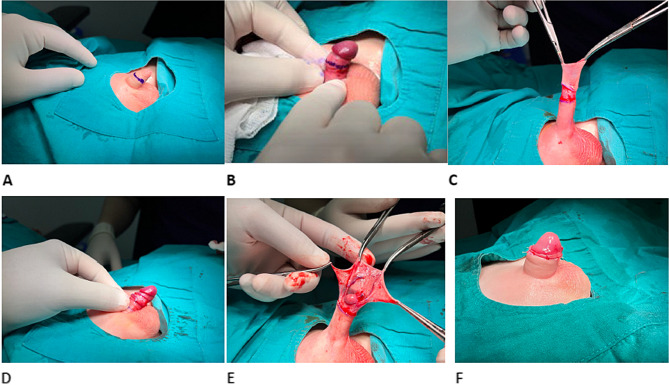 Figure 4
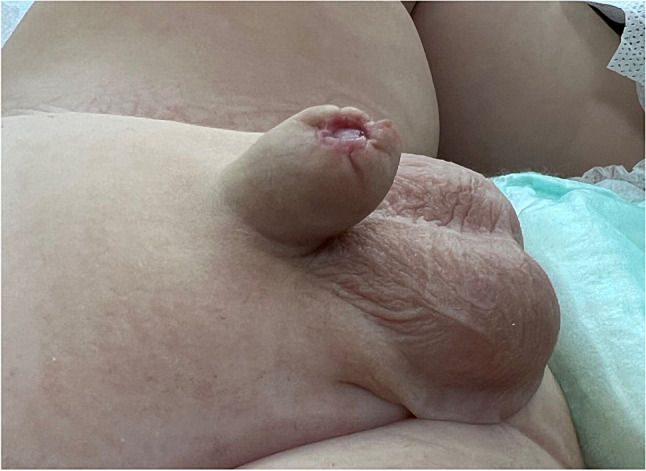 Figure 5
Peer Reviews
No public reviews on file for this paper yet. If you reviewed it on a platform where reviews are public (OpenReview, ICLR, NeurIPS, ICML), you can paste yours below so the community can read it here.
Videos
No videos yet. Explain this paper in a talk, walkthrough, or lecture? Add one.
Taxonomy
TopicsGenital Health and Disease · Urologic and reproductive health conditions · Urological Disorders and Treatments
Correction to: BMC Urology (2024) 24:126
10.1186/s12894-024-01513-9
Following publication of the original article [1], Figs. 4 and 5 captions had been interchanged. Caption of Fig. 5 inadvertently give in as caption for Fig. 4 and vice versa. The figure(s) should have appeared as shown below.
Fig. 4. Steps of removing Neo Alis Clamp. A One edge of the outer ring is cut with the help of a side cutter. B The other edge of the opposite ring is cut. C The outer ring is removed from the inner protective cap. D The outer ring and the inner ring are completely separated from each other. E View of the inner ring after removing the outer ring. F The inner ring is removed
Fig. 5. Secondary phimosis occurring after circumcision performed with the sleeve method
The original article has been corrected.