Preparation of magnetic activated carbon fibers@Fe3O4 by electrostatic self-assembly method and adsorption properties for methylene blue
Jia-yi Ye, Man-qing Ye, Ling Zhang, Wen Li, Yan-shan Li, Zhi-wei Fu

TL;DR
This paper describes a method to create magnetic activated carbon fibers that efficiently adsorb methylene blue and can be easily separated using a magnetic field.
Contribution
A novel electrostatic self-assembly method to prepare magnetic activated carbon fibers with high adsorption capacity and easy separation.
Findings
The ideal loading conditions for MACF@Fe3O4 were a mass ratio of 1:1, 20 min, pH 9.36, and 22.5°C.
MACF@Fe3O4 achieved a 97.29% adsorption rate and a maximum capacity of 12.1616 mg·g−1 for methylene blue.
The adsorption process followed pseudo-first-order and pseudo-second-order kinetics at different time intervals.
Abstract
Nano-Fe3O4 was loaded onto coconut-based activated carbon fibres (CACF) using an electrostatic self-assembly method. The effects of the mass ratio of CACF to nano-Fe3O4, loading time, pH and temperature on the loading effect were investigated and ideal loading conditions were determined. To study the adsorption performance of MACF@Fe3O4 for methylene blue, the effects of the initial concentration, pH and time on the adsorption were investigated and the working conditions of adsorption were established. MACF@Fe3O4 was systematically characterized. Adsorption kinetics were investigated under ideal conditions. The ideal loading conditions for MACF@Fe3O4 were as follows: mass ratio of 1:1, 20 min, pH 9.36, 22.5°C. The saturation magnetization of MACF@Fe3O4 was 48.2263 emu·g−1, which could be quickly separated under an external magnetic field. When the dosage was 0.010 g, the adsorption rate…
Genes, proteins, chemicals, diseases, species, mutations and cell lines named across the full text — each resolved to its canonical identifier and authoritative record.
Click any figure to enlarge with its caption.
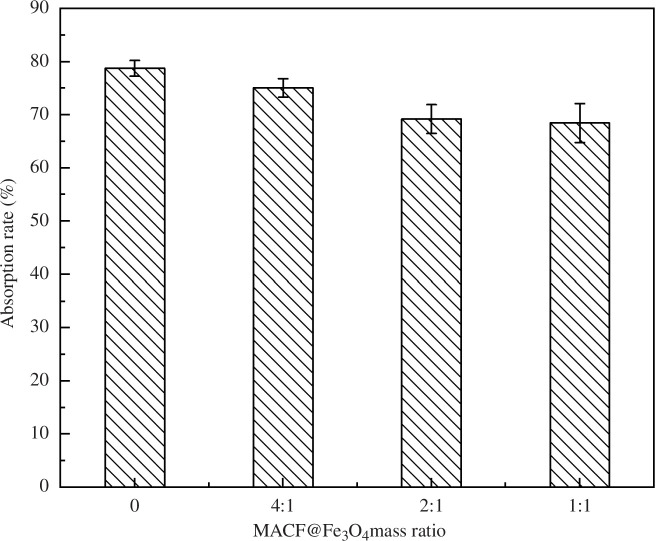 Figure 1
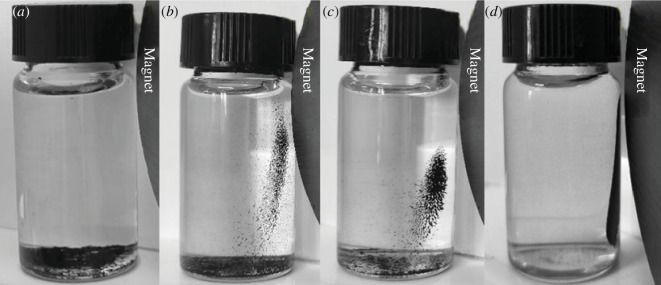 Figure 2
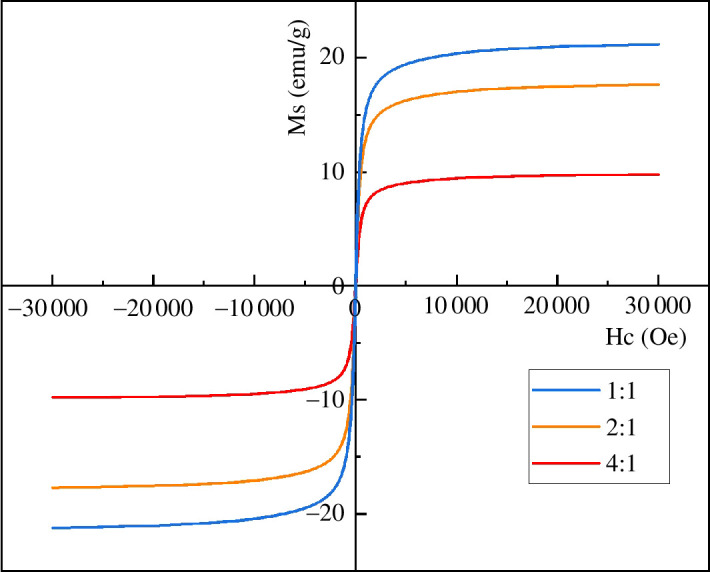 Figure 3
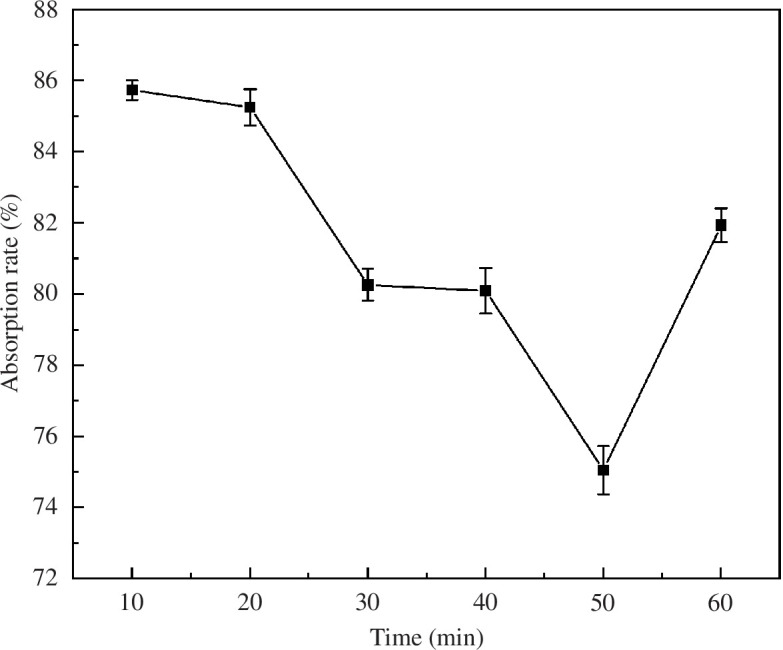 Figure 4
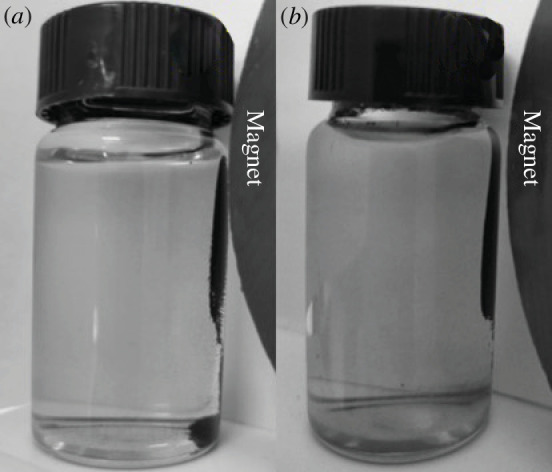 Figure 5
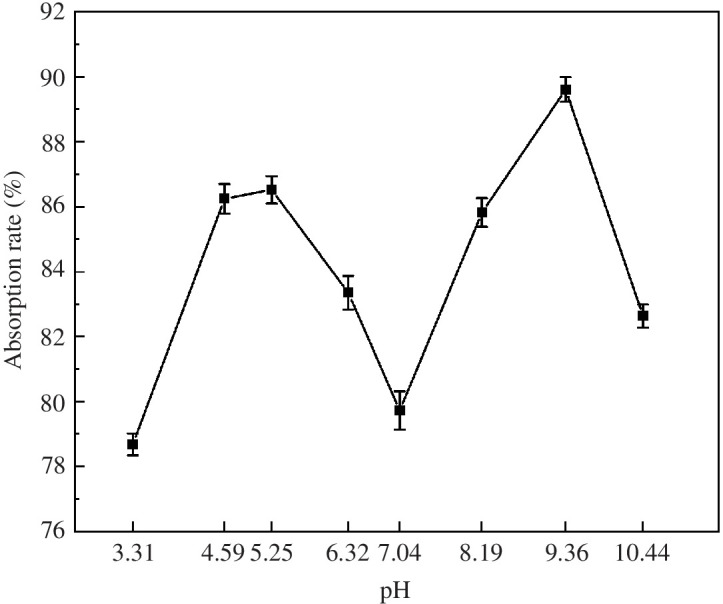 Figure 6
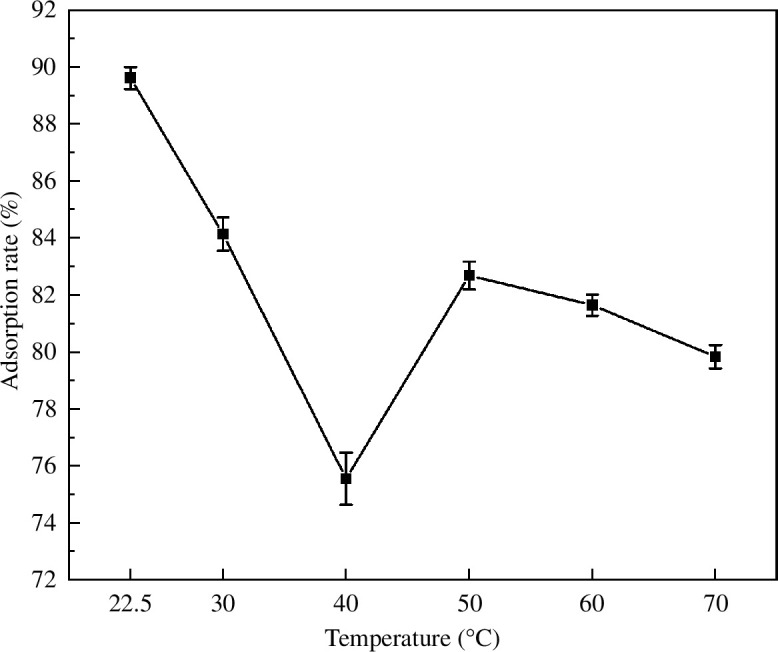 Figure 7
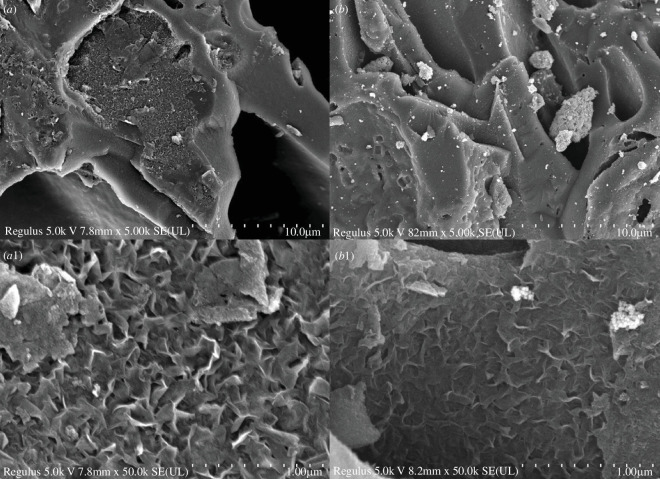 Figure 8
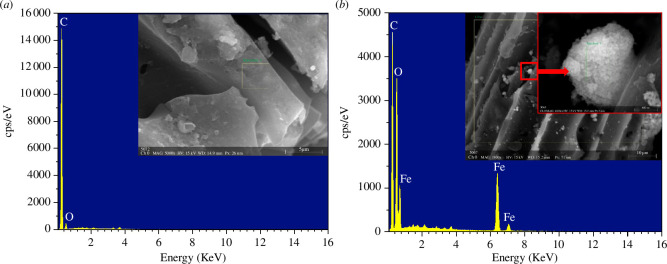 Figure 9
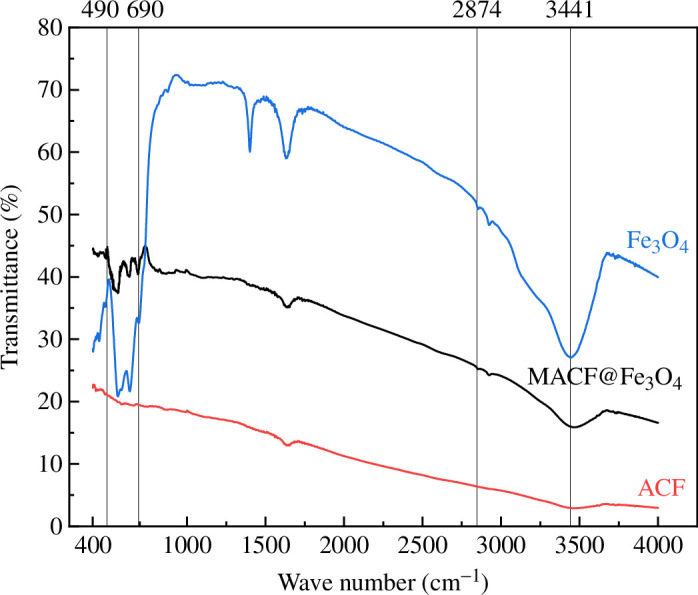 Figure 10
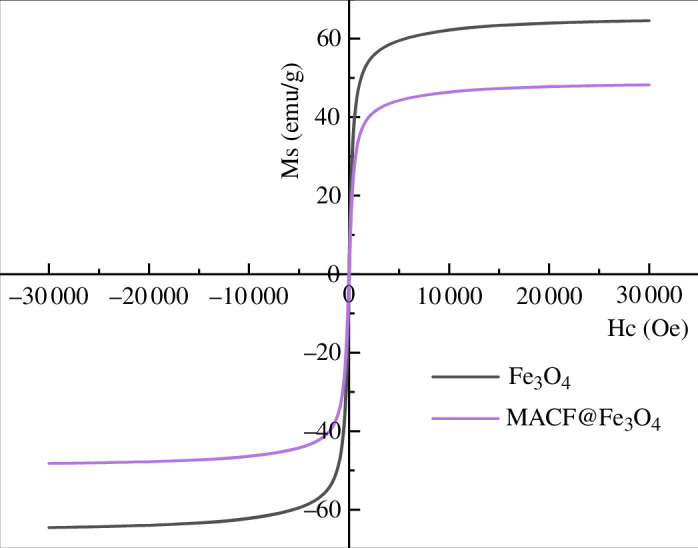 Figure 11
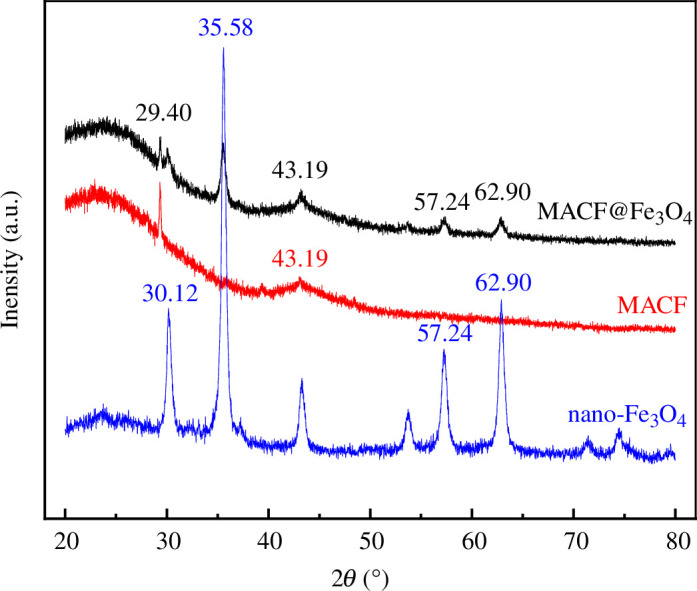 Figure 12
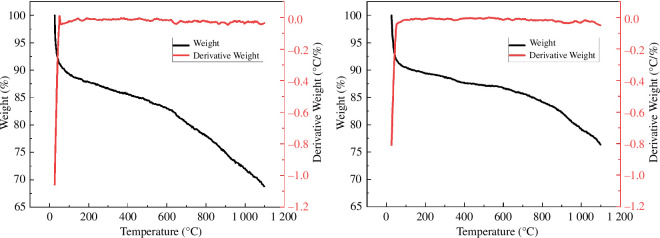 Figure 13
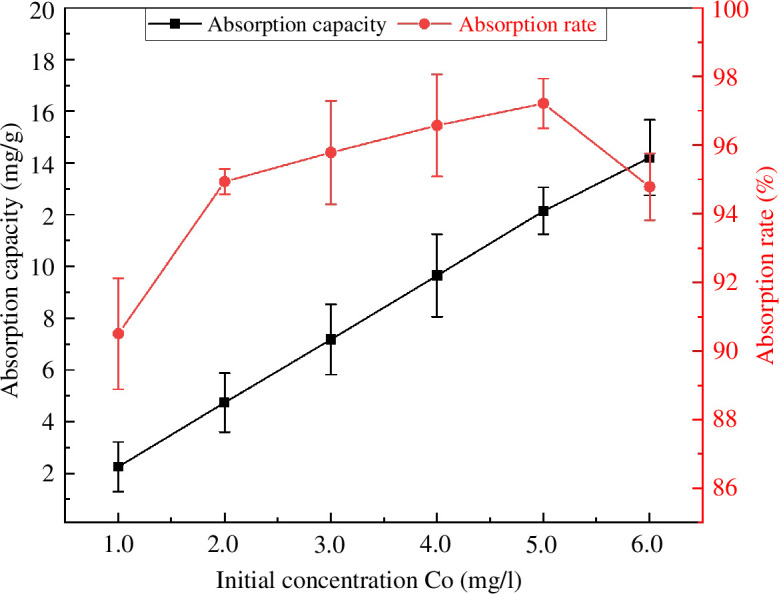 Figure 14
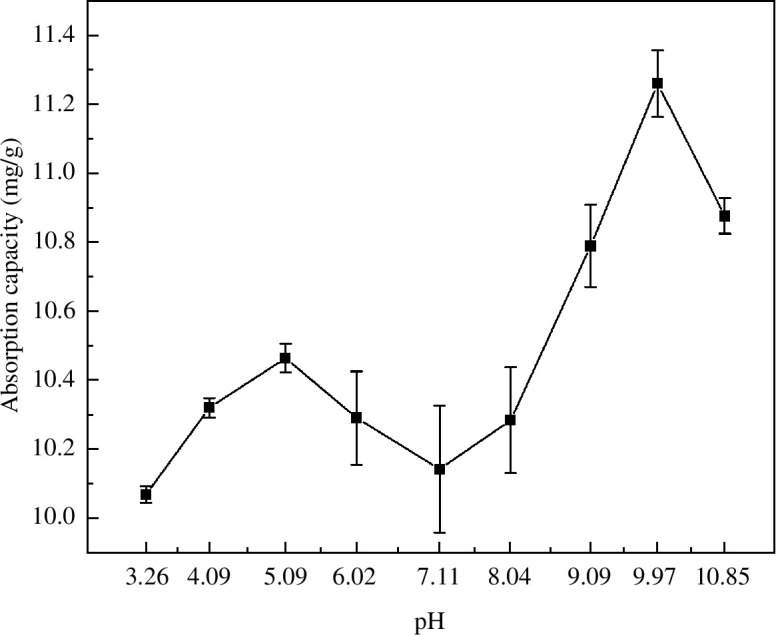 Figure 15
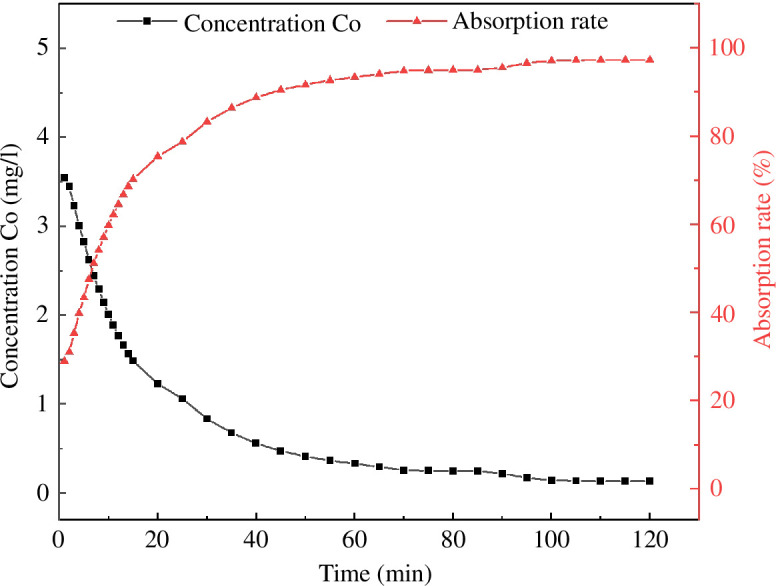 Figure 16
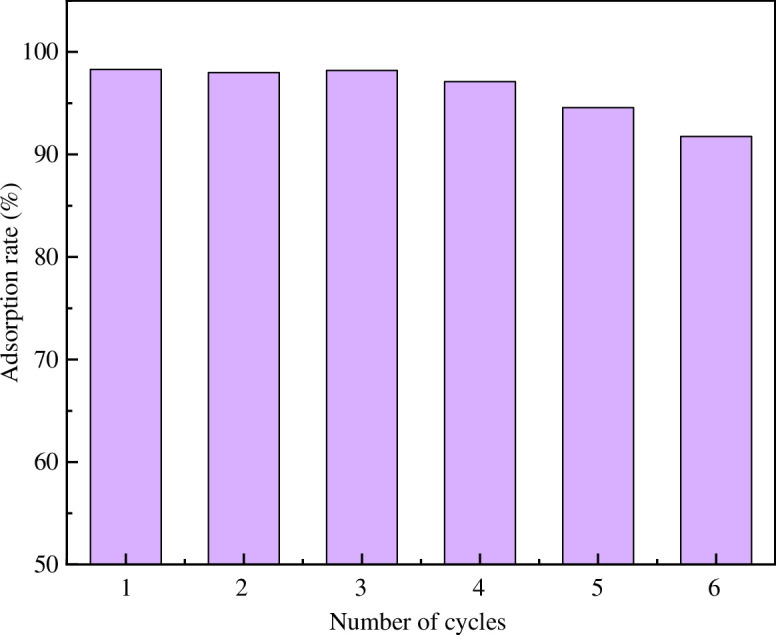 Figure 17
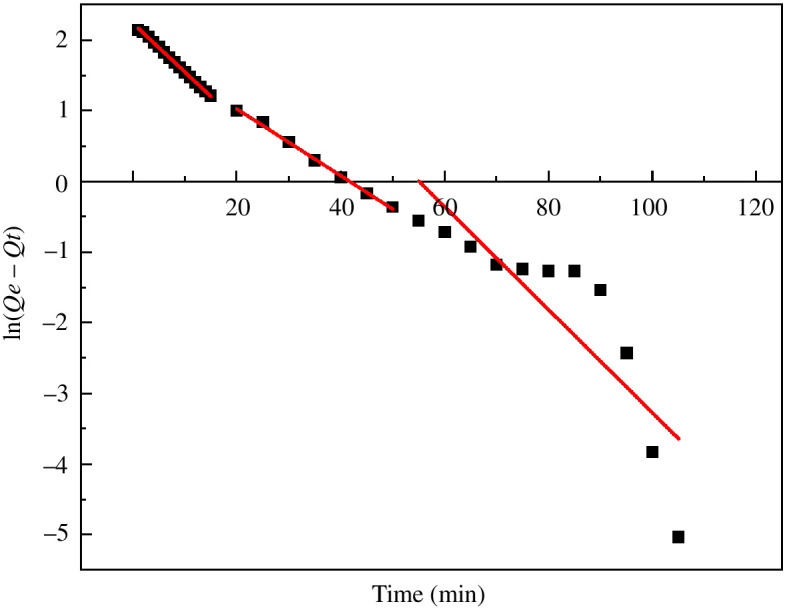 Figure 18
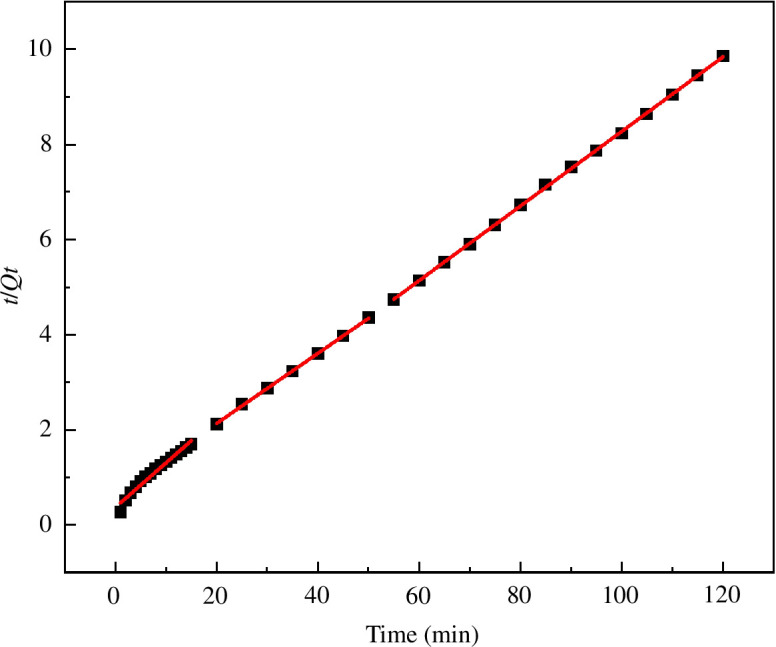 Figure 19
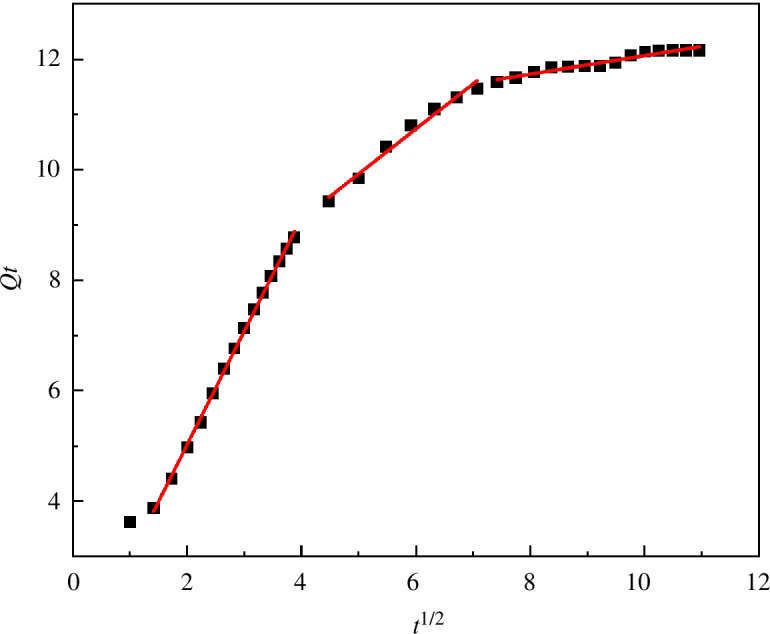 Figure 20
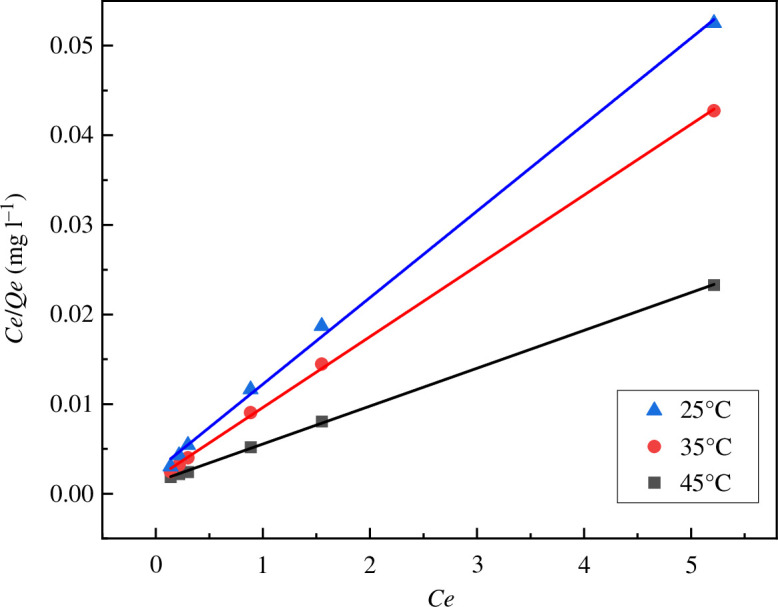 Figure 21
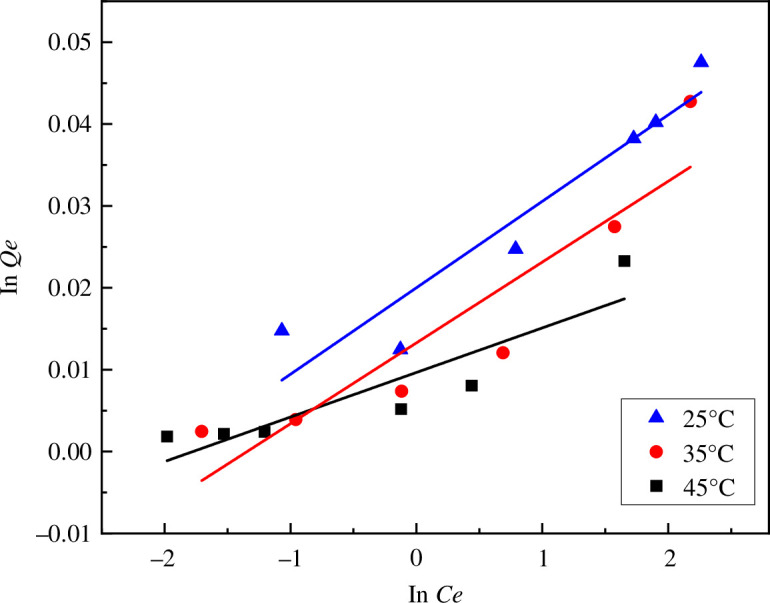 Figure 22
Peer Reviews
No public reviews on file for this paper yet. If you reviewed it on a platform where reviews are public (OpenReview, ICLR, NeurIPS, ICML), you can paste yours below so the community can read it here.
Videos
No videos yet. Explain this paper in a talk, walkthrough, or lecture? Add one.
Taxonomy
TopicsAdsorption and biosorption for pollutant removal · Pickering emulsions and particle stabilization · Nanomaterials for catalytic reactions