Kamishoyosan Normalizes Dendritic Spine Morphology in the Medial Prefrontal Cortex by Regulating microRNA-18 and Glucocorticoid Receptor Expressions in Postmenopausal Chronic Stress-Exposed Mice
Shoko Shimizu, Yoshihisa Koyama, Yugo Ishino, Takashi Takeda, Shoichi Shimada, Masaya Tohyama, Shingo Miyata

TL;DR
This study shows that Kamishoyosan, a traditional Japanese medicine, reduces stress effects in postmenopausal mice by normalizing brain cell structures and hormone responses.
Contribution
The study reveals a novel mechanism by which KSS regulates miR-18 and GR to improve stress-related brain changes in postmenopausal mice.
Findings
KSS reduced stress-induced emotional instability and elevated corticosterone levels in postmenopausal mice.
KSS downregulated miR-18 and upregulated GR expression in the medial prefrontal cortex.
KSS restored immature dendritic spine morphology in pyramidal neurons after chronic stress.
Abstract
Objective: Kamishoyosan (KSS), a traditional Japanese Kampo medicine, is widely used to treat neuropsychiatric symptoms in perimenopausal and postmenopausal women. We aimed to elucidate the functional mechanisms underlying KSS-mediated reduction of stress response behaviors and neuropsychological symptoms in perimenopausal and postmenopausal women. Methods: Female mice were bilaterally ovariectomized (OVX) at the age of 12 weeks and exposed to chronic water immersion and restraint stress for three weeks. Among them, mice in the OVX+stress+KSS group were fed chow containing KSS from one week before exposure to chronic stress until the end of the experiment. Firstly, we performed a marble burying test and measured serum corticosterone levels to assess irritability and stress conditions. Next, we examined whether KSS affects microRNA-18 (miR-18) and glucocorticoid receptor (GR) protein…
Genes, proteins, chemicals, diseases, species, mutations and cell lines named across the full text — each resolved to its canonical identifier and authoritative record.
Click any figure to enlarge with its caption.
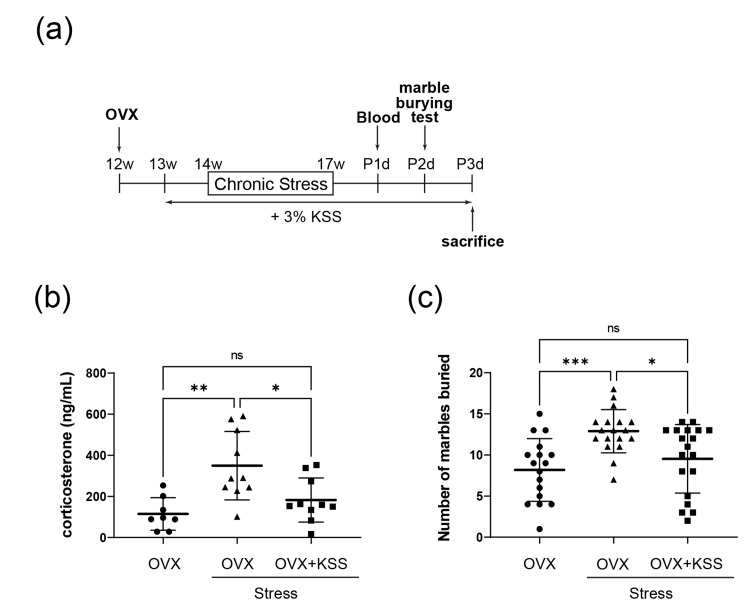 Figure 1
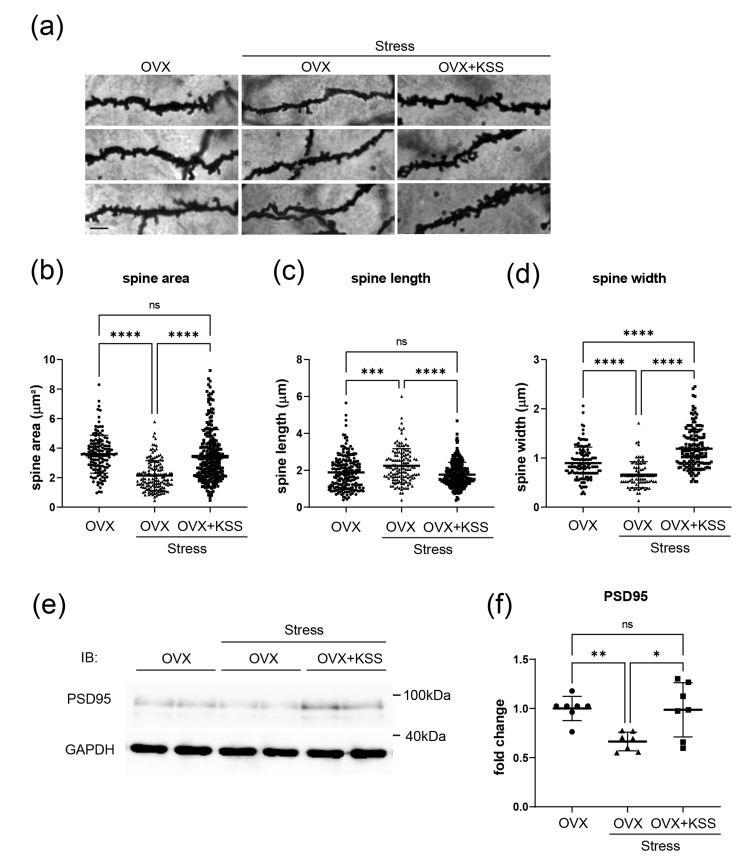 Figure 2
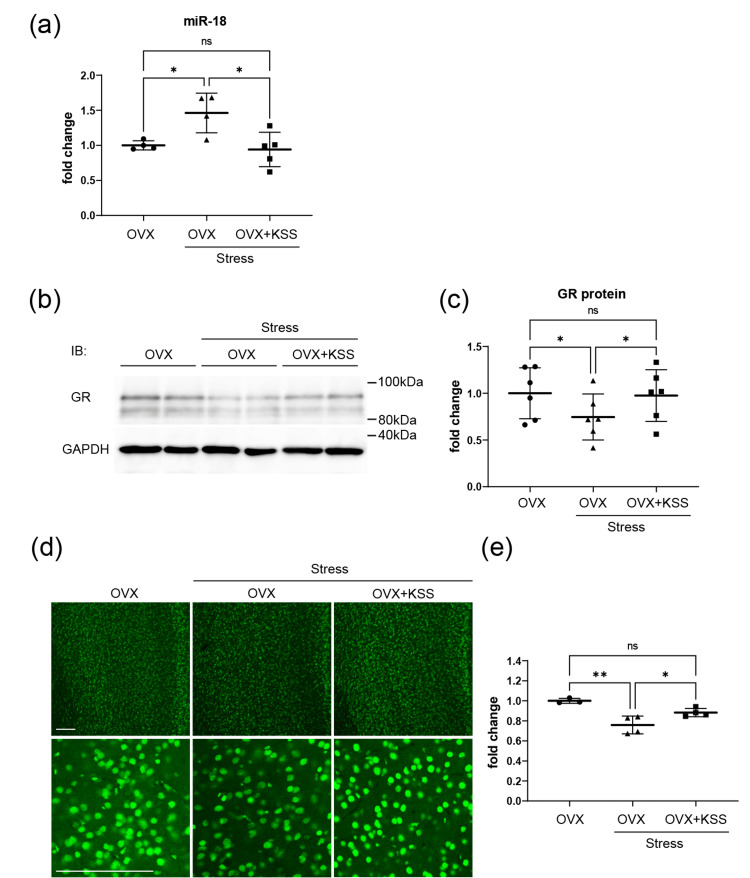 Figure 3
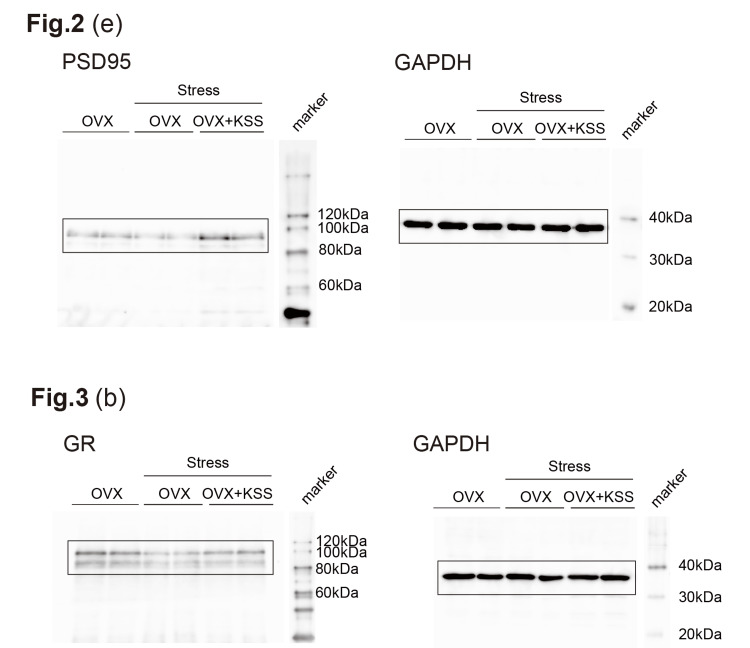 Figure 4
Peer Reviews
No public reviews on file for this paper yet. If you reviewed it on a platform where reviews are public (OpenReview, ICLR, NeurIPS, ICML), you can paste yours below so the community can read it here.
Videos
No videos yet. Explain this paper in a talk, walkthrough, or lecture? Add one.
Taxonomy
TopicsStress Responses and Cortisol · Menopause: Health Impacts and Treatments · Pharmacological Effects of Natural Compounds