Unraveling the forage productivity puzzle: Comparing fast and slow-growing grasses
M. Gabriela Pittaro, Paulo G. Duchini, Gabriela C. Guzatti, André F. Sbrissia

TL;DR
This study compares fast and slow-growing grasses to see how they achieve similar productivity in fertile soil despite different traits.
Contribution
It shows that slow-growing grasses can match fast-growing ones in productivity through demographic parameters like tiller density.
Findings
Slow-growing Festuca arundinacea achieved similar productivity to fast-growing Arrhenatherum elatius in fertile soil.
Festuca arundinacea compensated for slow traits with higher tiller population density.
Traditional plant traits may not fully predict productivity in slow-growing grasses.
Abstract
Functional traits are powerful tools for distinguishing between plants with different resource acquisition strategies. Fast-growing plants normally dominate resource-rich habitats and present trait values associated with high productivity, such as high specific leaf area (SLA), short leaf lifespan, and rapid leaf elongation rate (LER). In contrast, slow-growing species have a higher leaf weight ratio (LWR), leaf lifespan (LLS), and phyllochron, which are useful traits for survival in stressful and unfertile environments, but are normally thought to be incompatible with high productivity, even under fertile conditions. We tested the hypothesis that slow-growing forage grasses have demographic parameters (tiller population density and canopy density) that offset their slow individual traits, making them as productive as fast-growing species when grown in fertile soil. Species with…
Genes, proteins, chemicals, diseases, species, mutations and cell lines named across the full text — each resolved to its canonical identifier and authoritative record.
Click any figure to enlarge with its caption.
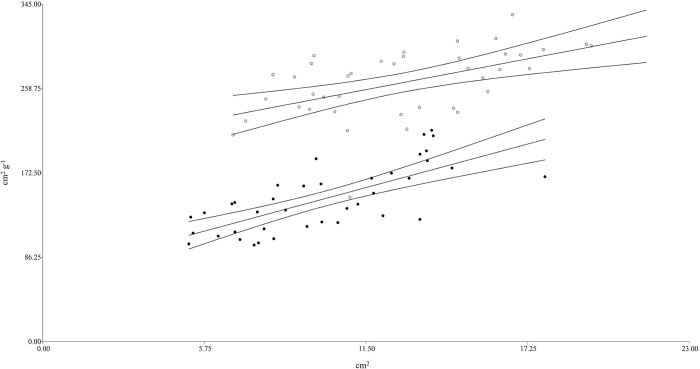 Figure 1
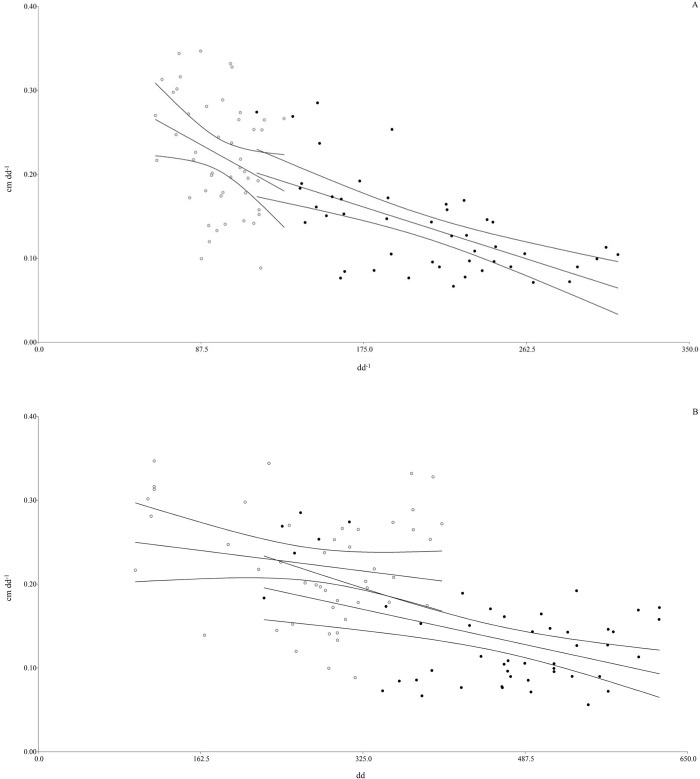 Figure 2
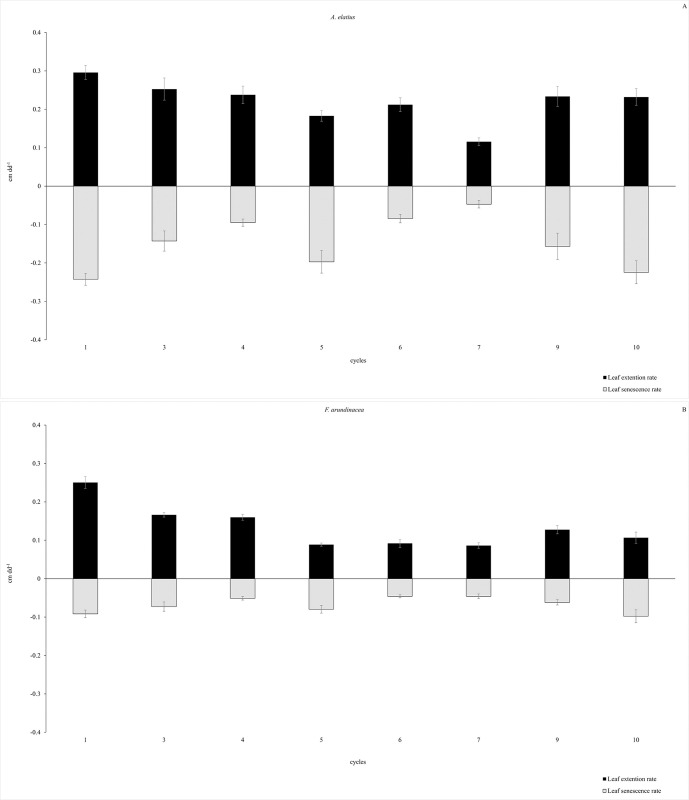 Figure 3
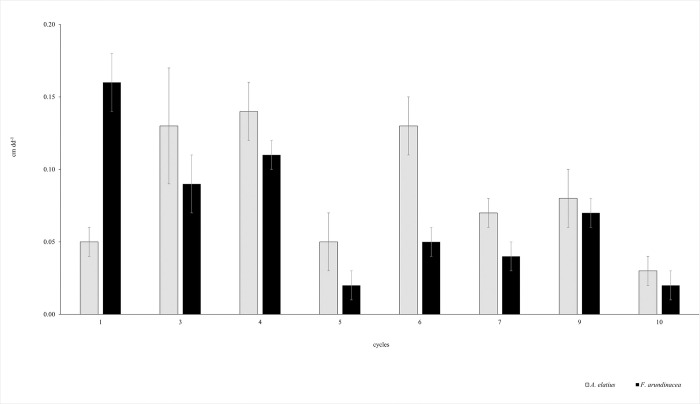 Figure 4
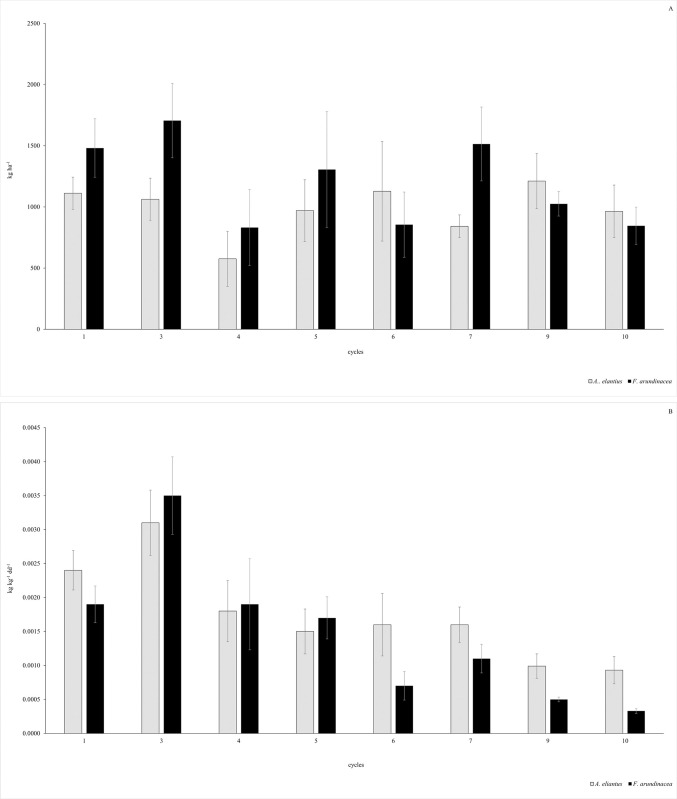 Figure 5
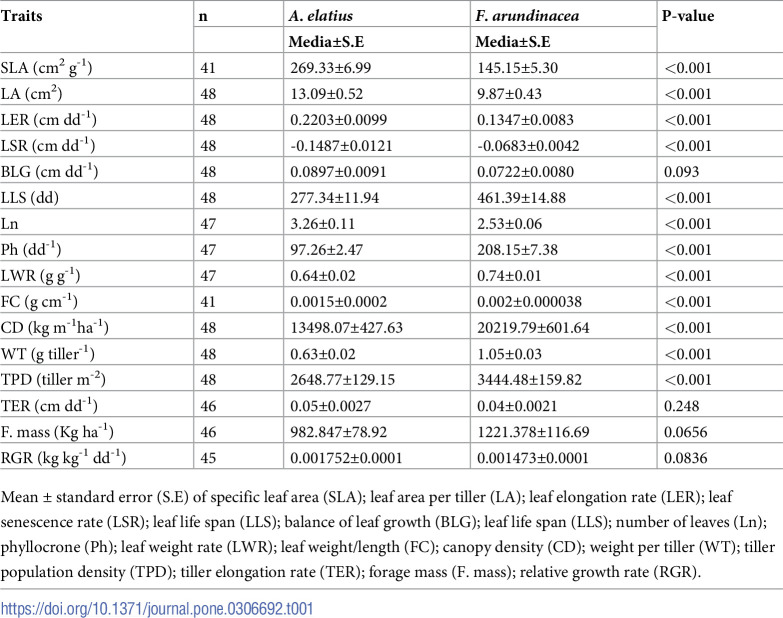 Figure 6
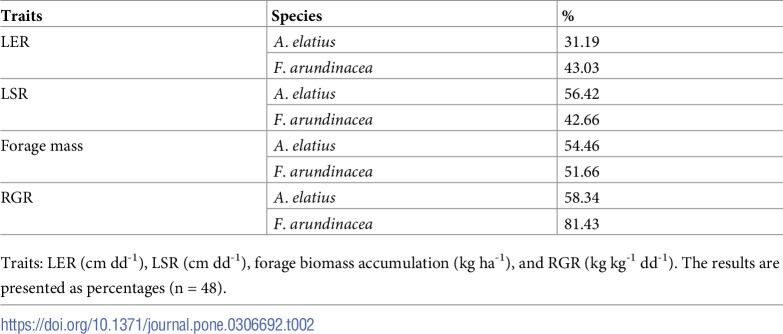 Figure 7
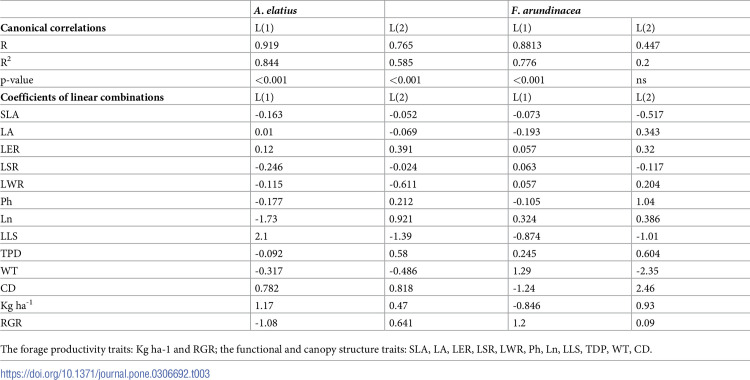 Figure 8
Peer Reviews
No public reviews on file for this paper yet. If you reviewed it on a platform where reviews are public (OpenReview, ICLR, NeurIPS, ICML), you can paste yours below so the community can read it here.
Videos
No videos yet. Explain this paper in a talk, walkthrough, or lecture? Add one.
Taxonomy
TopicsNuclear Physics and Applications