Prediction of Deleterious Single Amino Acid Polymorphisms with a Consensus Holdout Sampler
Óscar Álvarez-Machancoses, Eshel Faraggi, Enrique J. deAndrés-Galiana, Juan L. Fernández-Martínez, Andrzej Kloczkowski

TL;DR
This paper introduces a new machine learning method to predict harmful genetic mutations more accurately than existing approaches.
Contribution
A novel consensus classifier using a holdout sampler that outperforms existing methods in predicting deleterious nsSNVs.
Findings
The Consensus Holdout Sampler achieves high accuracy with low standard deviation in predicting harmful mutations.
Using a tree of holdouts with diverse AI models improves prediction performance.
Protein properties significantly influence the accuracy of nsSNV effect predictions.
Abstract
Single Amino Acid Polymorphisms (SAPs) or nonsynonymous Single Nucleotide Variants (nsSNVs) are the most common genetic variations. They result from missense mutations where a single base pair substitution changes the genetic code in such a way that the triplet of bases (codon) at a given position is coding a different amino acid. Since genetic mutations sometimes cause genetic diseases, it is important to comprehend and foresee which variations are harmful and which ones are neutral (not causing changes in the phenotype). This can be posed as a classification problem. Computational methods using machine intelligence are gradually replacing repetitive and exceedingly overpriced mutagenic tests. By and large, uneven quality, deficiencies, and irregularities of nsSNVs datasets debase the convenience of artificial intelligence-based methods. Subsequently, strong and more exact approaches…
Genes, proteins, chemicals, diseases, species, mutations and cell lines named across the full text — each resolved to its canonical identifier and authoritative record.
Click any figure to enlarge with its caption.
 Figure 1
 Figure 2
 Figure 3
 Figure 4
 Figure 5
 Figure 6
 Figure 7
 Figure 8
 Figure 9
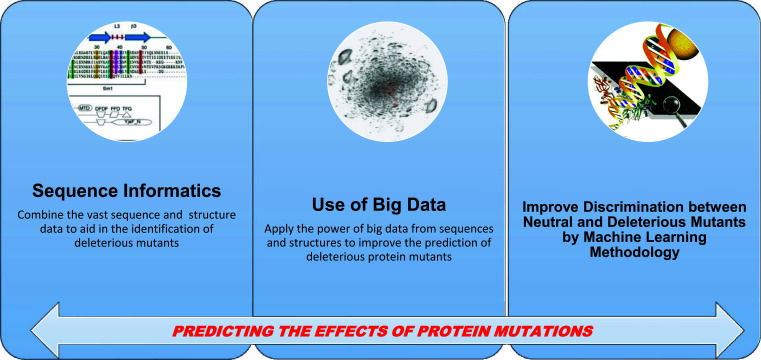 Figure 10
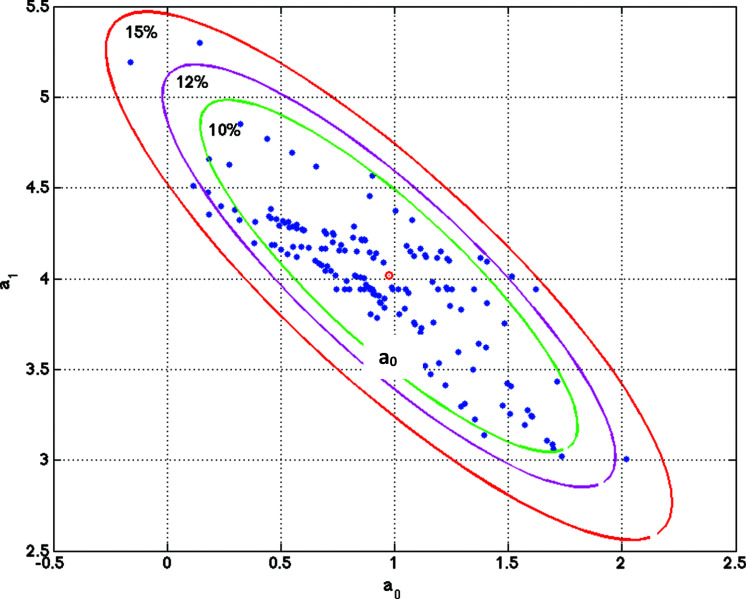 Figure 11
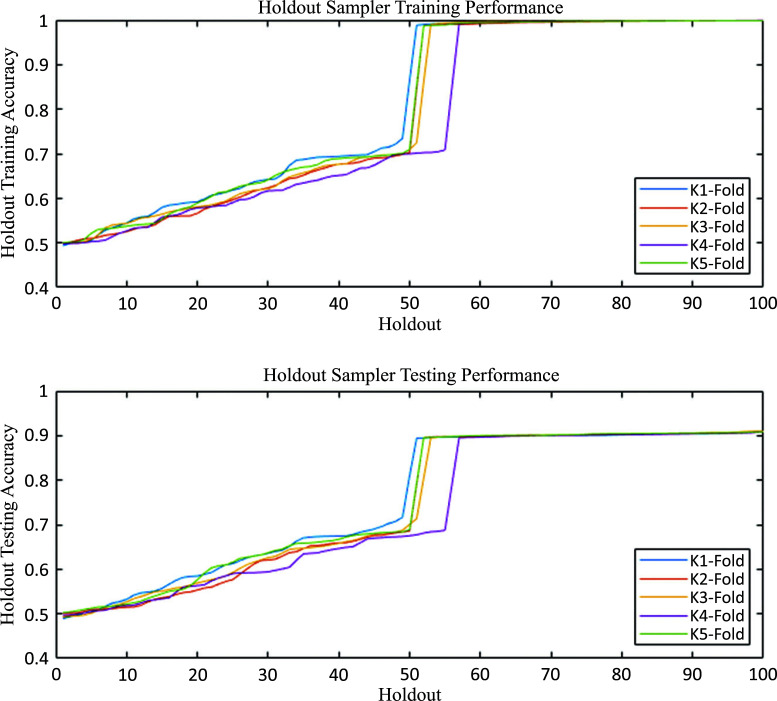 Figure 12
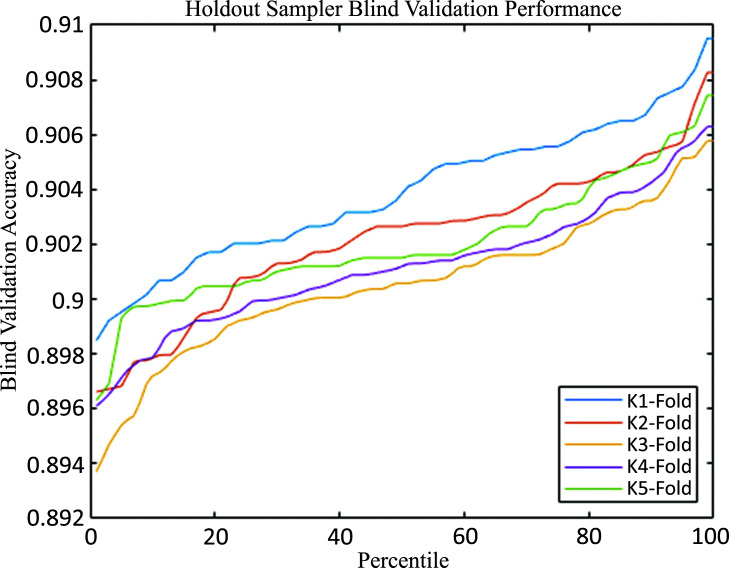 Figure 13
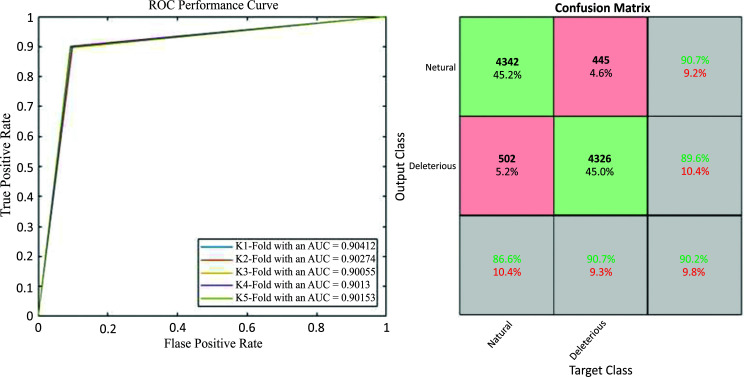 Figure 14
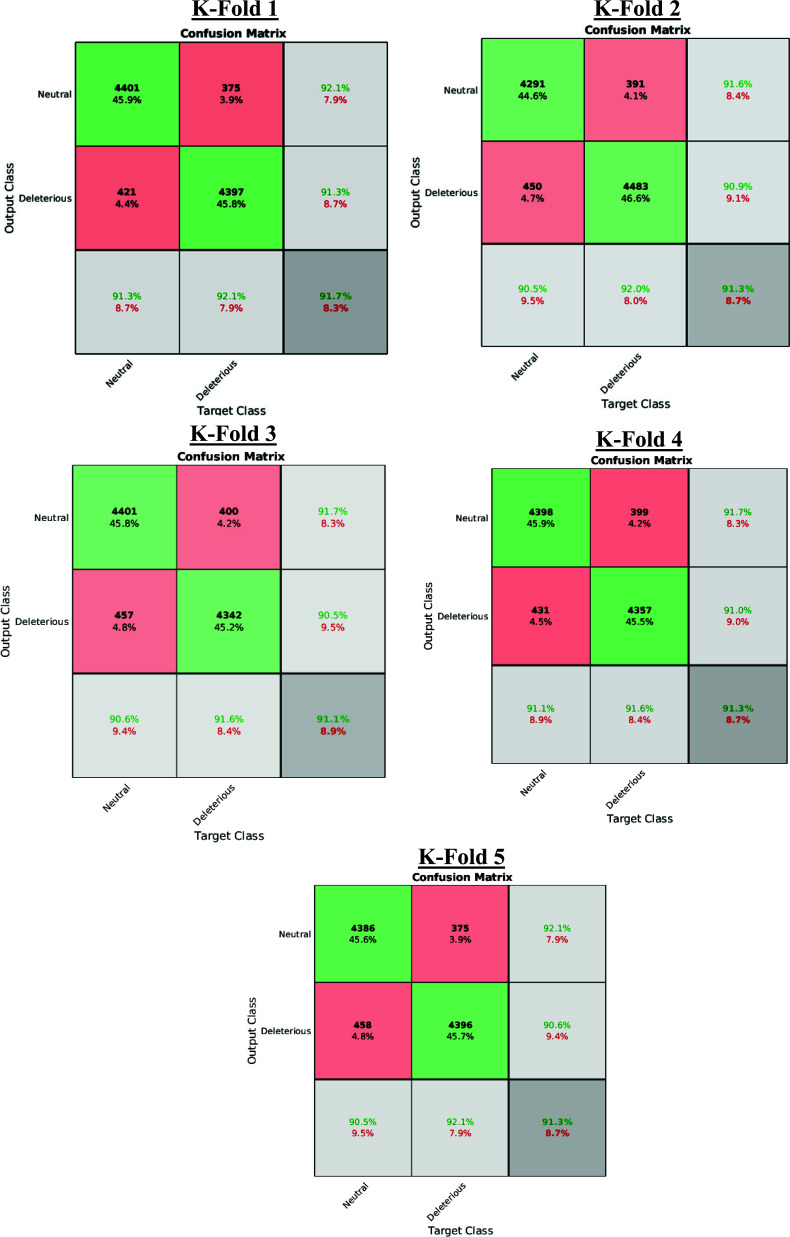 Figure 15
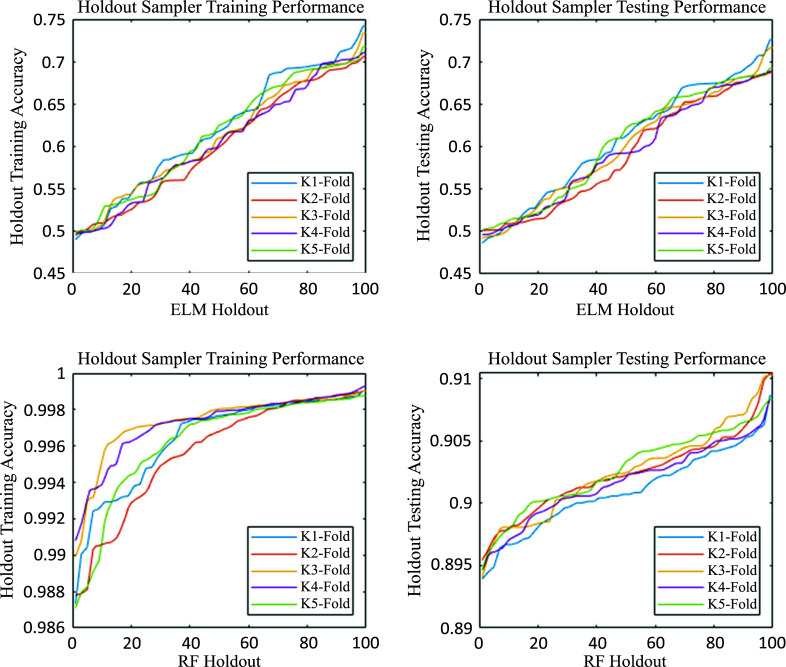 Figure 16
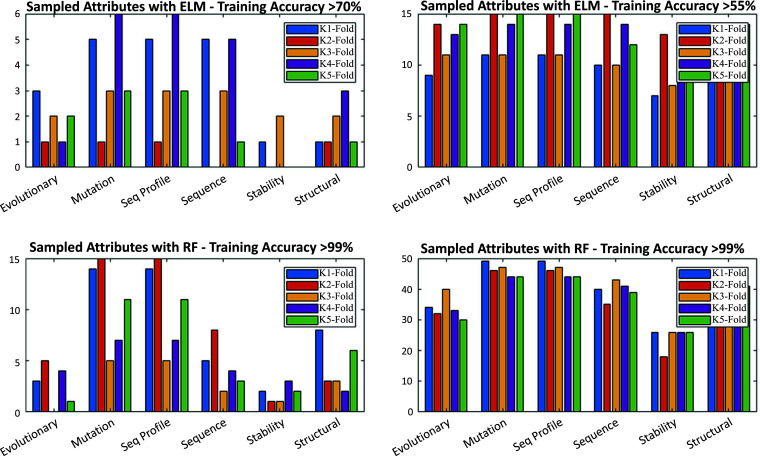 Figure 17
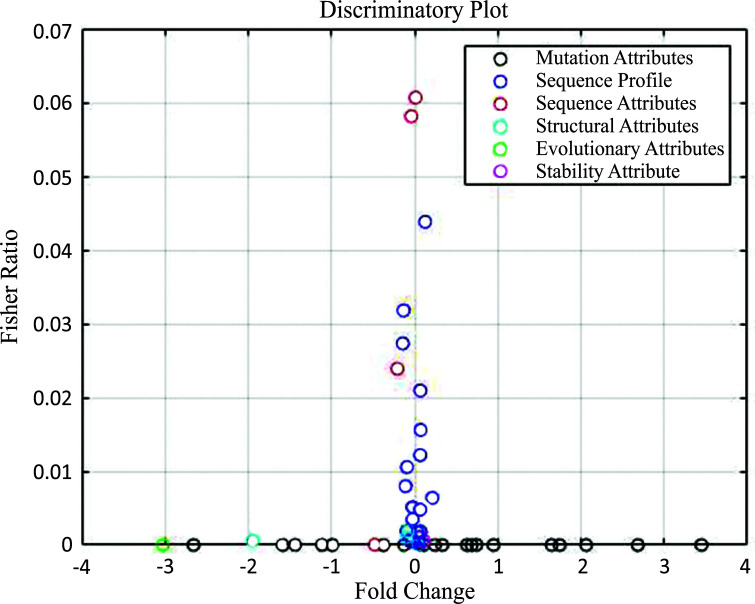 Figure 18
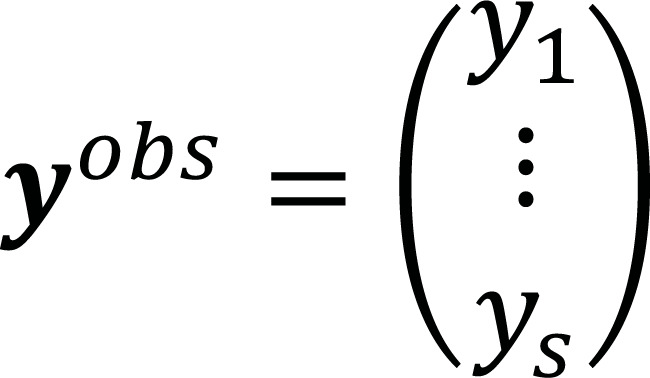 Figure 19
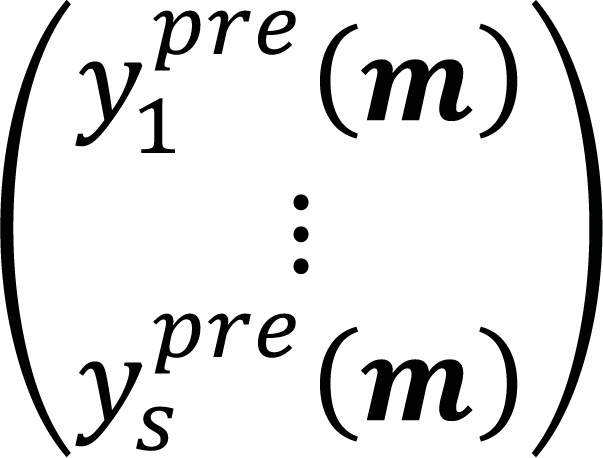 Figure 20
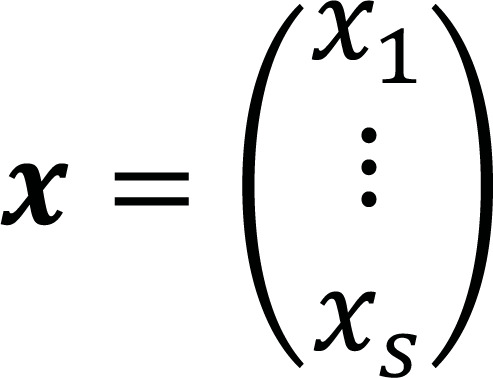 Figure 21
 Figure 22
Peer Reviews
No public reviews on file for this paper yet. If you reviewed it on a platform where reviews are public (OpenReview, ICLR, NeurIPS, ICML), you can paste yours below so the community can read it here.
Videos
No videos yet. Explain this paper in a talk, walkthrough, or lecture? Add one.
Taxonomy
TopicsMachine Learning in Bioinformatics · RNA and protein synthesis mechanisms · Genomics and Phylogenetic Studies