Development and validation of a patient-level model to predict dementia across a network of observational databases
Luis H. John, Egill A. Fridgeirsson, Jan A. Kors, Jenna M. Reps, Ross D. Williams, Patrick B. Ryan, Peter R. Rijnbeek

TL;DR
Researchers developed and validated a model to predict dementia risk using patient data from multiple sources, finding that adding health-related predictors improves accuracy.
Contribution
The study introduces a novel dementia prediction model validated across multiple databases and demonstrates the effectiveness of BAR regularization for model simplicity and performance.
Findings
BAR regularization outperforms L1 in creating simpler yet effective dementia prediction models.
Adding clinical predictors like diagnoses and drug exposures improves model performance over baseline age and sex.
A model using BAR with clinically relevant predictors showed consistent validation performance across datasets.
Abstract
A prediction model can be a useful tool to quantify the risk of a patient developing dementia in the next years and take risk-factor-targeted intervention. Numerous dementia prediction models have been developed, but few have been externally validated, likely limiting their clinical uptake. In our previous work, we had limited success in externally validating some of these existing models due to inadequate reporting. As a result, we are compelled to develop and externally validate novel models to predict dementia in the general population across a network of observational databases. We assess regularization methods to obtain parsimonious models that are of lower complexity and easier to implement. Logistic regression models were developed across a network of five observational databases with electronic health records (EHRs) and claims data to predict 5-year dementia risk in persons…
Genes, proteins, chemicals, diseases, species, mutations and cell lines named across the full text — each resolved to its canonical identifier and authoritative record.
Click any figure to enlarge with its caption.
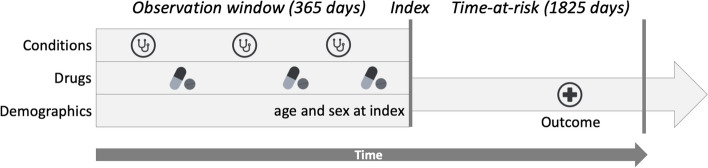 Figure 1
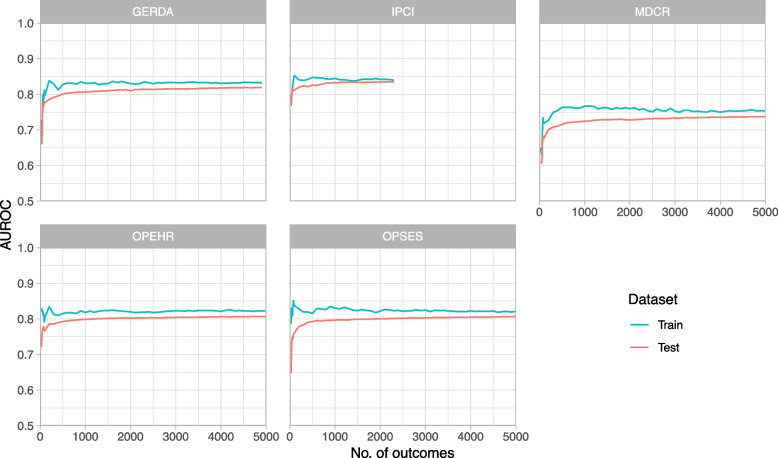 Figure 2
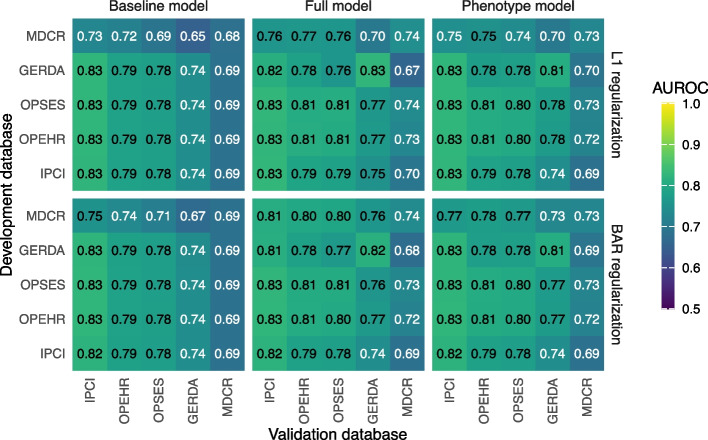 Figure 3
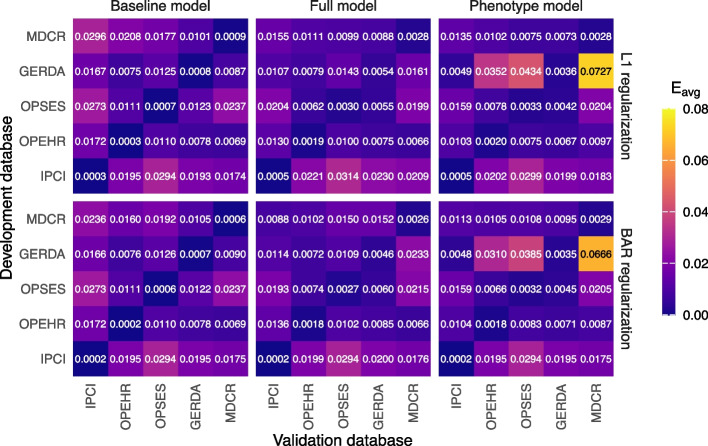 Figure 4
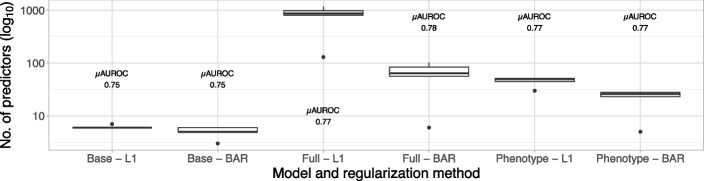 Figure 5
Peer Reviews
No public reviews on file for this paper yet. If you reviewed it on a platform where reviews are public (OpenReview, ICLR, NeurIPS, ICML), you can paste yours below so the community can read it here.
Videos
No videos yet. Explain this paper in a talk, walkthrough, or lecture? Add one.
Taxonomy
TopicsDementia and Cognitive Impairment Research · Machine Learning in Healthcare · Chronic Disease Management Strategies