Endosymbiont-derived metabolites are essential for tick host reproductive fitness
Balasubramanian Cibichakravarthy, Neta Shaked, Einat Kapri, Yuval Gottlieb

TL;DR
This study shows that Coxiella-like endosymbionts in ticks produce L-proline and B vitamins, which are crucial for tick reproduction and survival.
Contribution
The study experimentally confirms that CLE produce L-proline and B vitamins, essential for tick reproductive fitness.
Findings
CLE-suppressed ticks showed increased hatching rates when supplemented with B vitamins and L-proline.
L-proline titers were higher in organs of ticks harboring CLE, suggesting CLE as the source.
CLE are essential for high metabolic demands during tick reproduction, such as oogenesis and embryonic development.
Abstract
Ticks, like other obligatory blood-feeding arthropods, rely on endosymbiotic bacteria to supplement their diet with B vitamins lacking in blood. It has been suggested that additional metabolites such as L-proline may be involved in this nutritional symbiosis, but this has yet to be tested. Here, we studied the metabolite-based interaction between the brown dog tick Rhipicephalus sanguineus (Acari: Ixodidae) and its Coxiella-like endosymbionts (CLE). We measured amino acid titers and tested the effect of B vitamins and L-proline supplementation on the fitness of CLE-suppressed female ticks, displaying low titers of CLE. We found higher titers of L-proline in the symbiont-hosting organs of unfed ticks and in engorged blood-fed whole ticks. Supplementation of B vitamins increased the hatching rate of CLE-suppressed ticks; this effect appears to be stronger when L-proline is added. Our…
Genes, proteins, chemicals, diseases, species, mutations and cell lines named across the full text — each resolved to its canonical identifier and authoritative record.
Click any figure to enlarge with its caption.
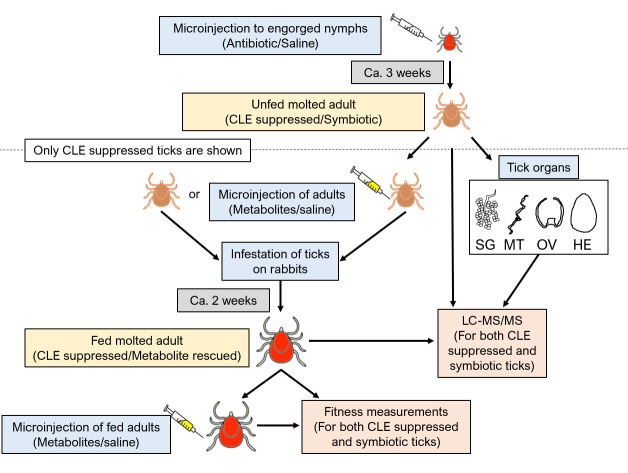 Figure 1
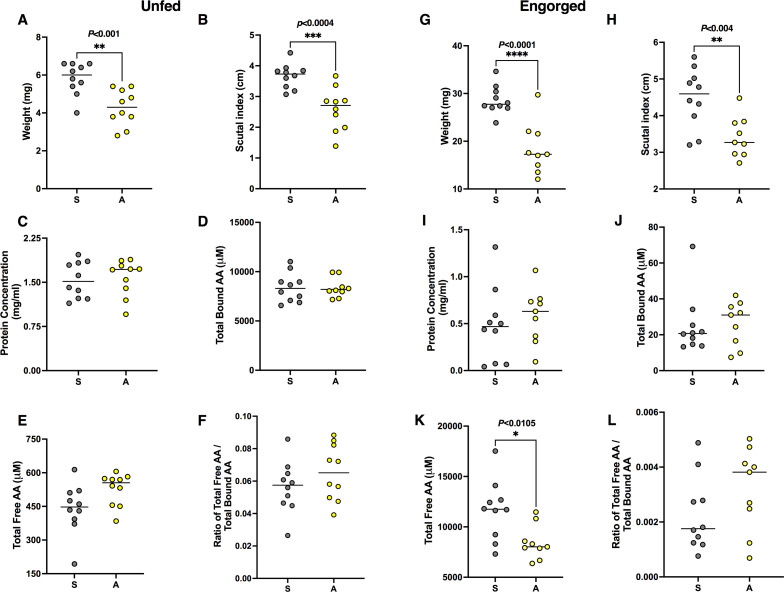 Figure 2
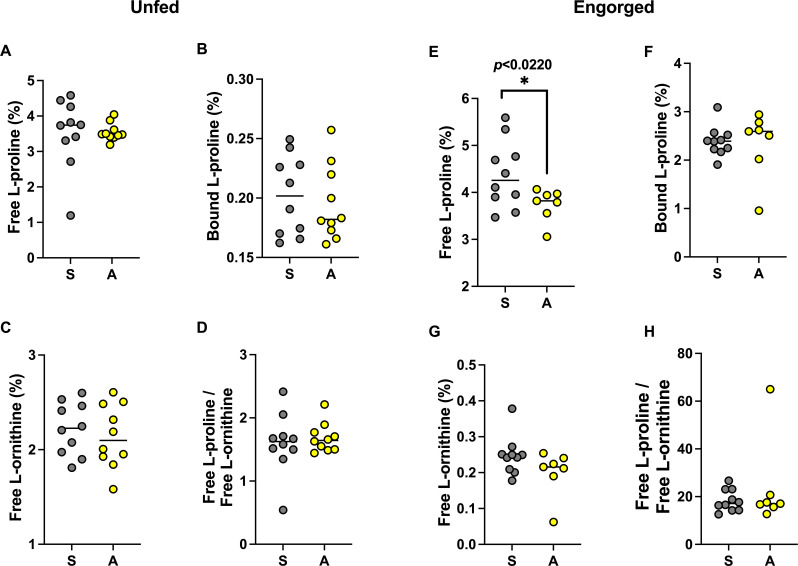 Figure 3
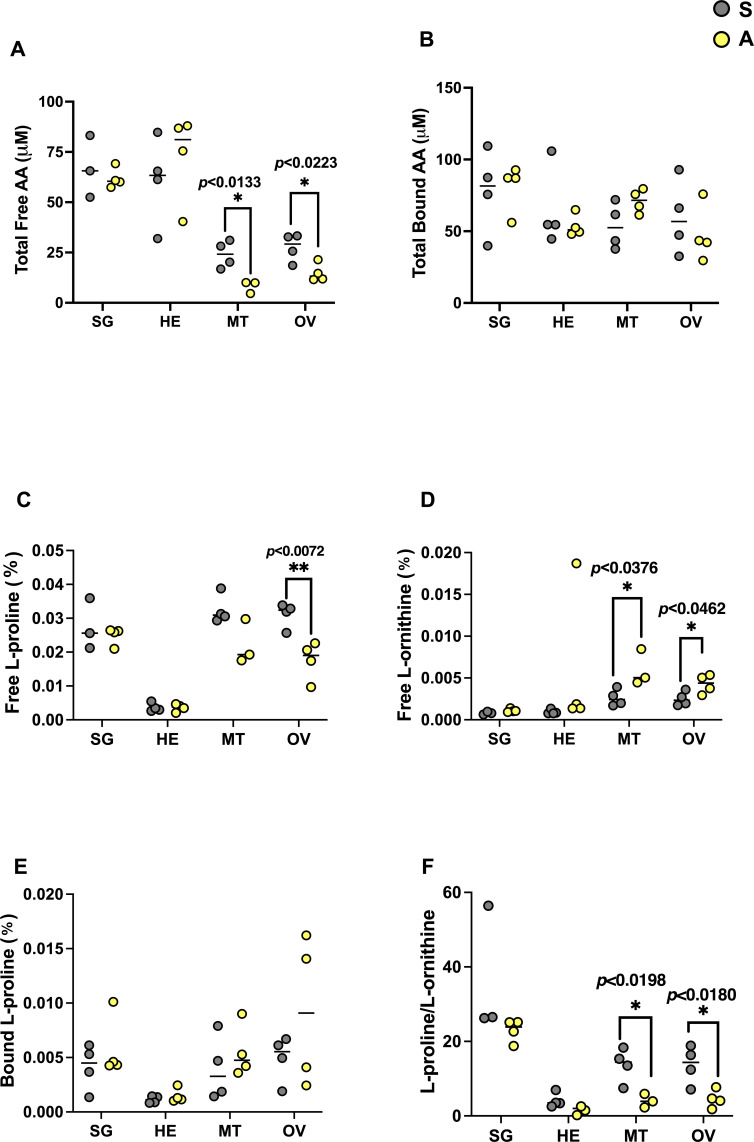 Figure 4
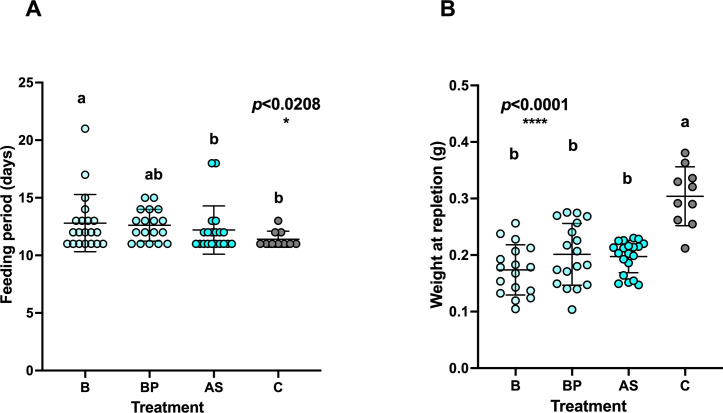 Figure 5
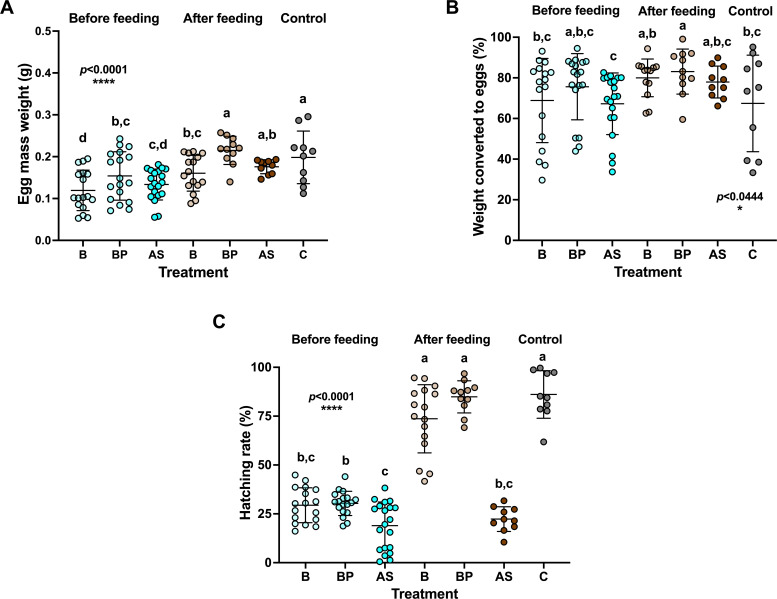 Figure 6
Peer Reviews
No public reviews on file for this paper yet. If you reviewed it on a platform where reviews are public (OpenReview, ICLR, NeurIPS, ICML), you can paste yours below so the community can read it here.
Videos
No videos yet. Explain this paper in a talk, walkthrough, or lecture? Add one.
Taxonomy
TopicsVector-borne infectious diseases · Insect symbiosis and bacterial influences · Bartonella species infections research