Angiography Revealing a Possible Paraneoplastic Vasculitis: A Case Report
Kristina McLeod-van Amstel, Elie Barakat

TL;DR
A breast cancer patient with a gastrointestinal bleed was found to have possible paraneoplastic vasculitis, emphasizing the role of imaging in diagnosis.
Contribution
This case report adds to the limited documentation of paraneoplastic vasculitis and highlights its presentation with GI symptoms.
Findings
A female breast cancer patient presented with an upper GI bleed.
Imaging revealed systemic vasculitis, possibly paraneoplastic in origin.
The case underscores the importance of imaging in diagnosing vasculitis as a cause of GI bleeding.
Abstract
Various conditions under the umbrella term of vasculitis have been well documented in the literature. These have been classified into small, medium, and large vessel vasculitis. In addition, vasculitis has been categorized into radiation-induced, systemic, and paraneoplastic. Of these, paraneoplastic vasculitis accounts for 2-5% of all cases of vasculitides and is less well documented. We present a case of a female patient with a history of breast cancer presenting with an upper gastrointestinal tract (GI) bleed, which subsequently revealed an underlying diagnosis of systemic vasculitis, possibly paraneoplastic. This case highlights the importance of imaging for revealing underlying vasculitis as an etiology of GI bleed.
Genes, proteins, chemicals, diseases, species, mutations and cell lines named across the full text — each resolved to its canonical identifier and authoritative record.
Click any figure to enlarge with its caption.
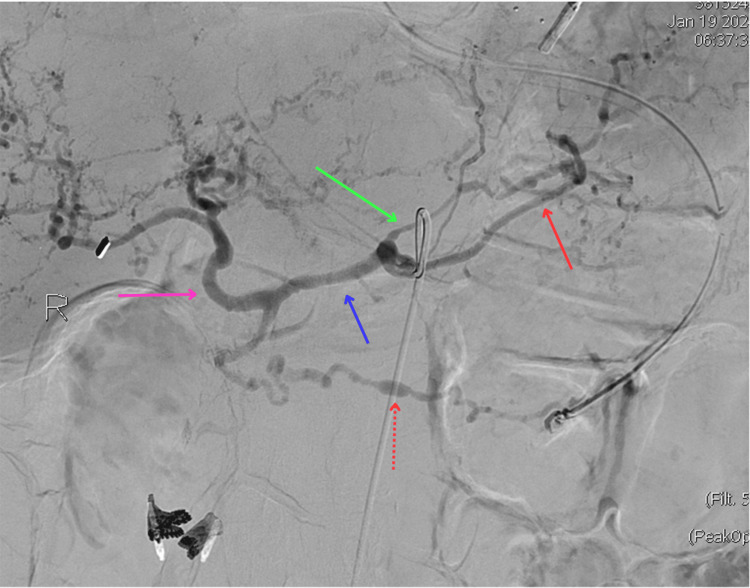 Figure 1
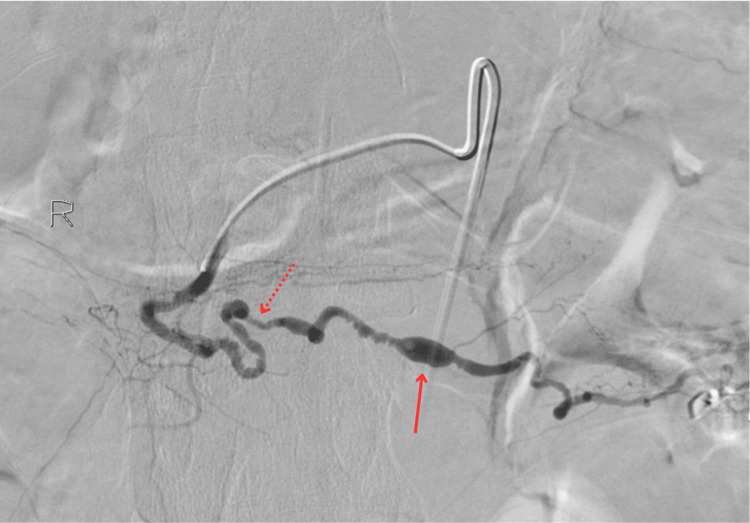 Figure 2
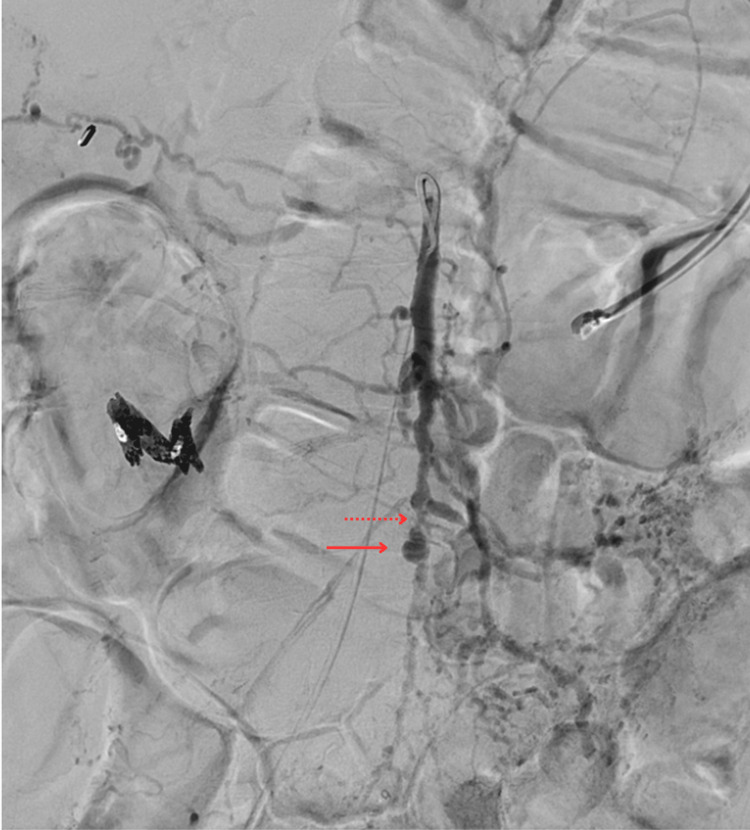 Figure 3
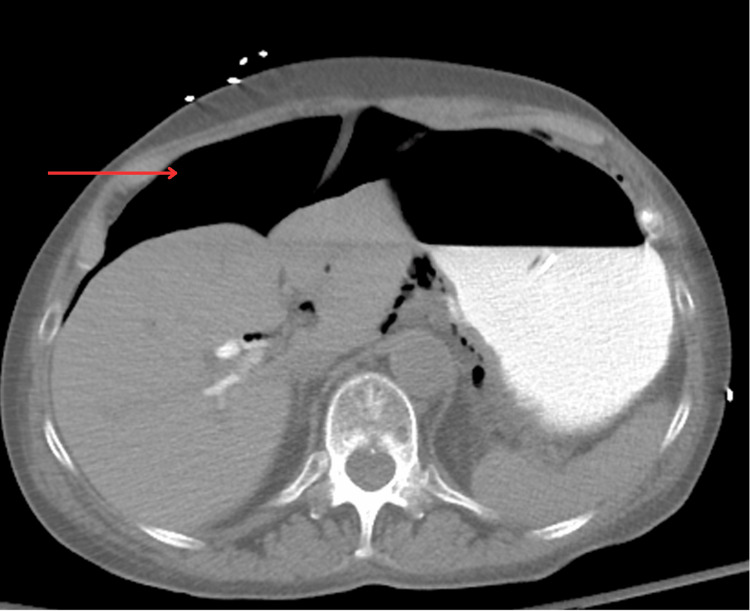 Figure 4
Peer Reviews
No public reviews on file for this paper yet. If you reviewed it on a platform where reviews are public (OpenReview, ICLR, NeurIPS, ICML), you can paste yours below so the community can read it here.
Videos
No videos yet. Explain this paper in a talk, walkthrough, or lecture? Add one.
Taxonomy
TopicsVasculitis and related conditions · Coagulation, Bradykinin, Polyphosphates, and Angioedema · Sarcoidosis and Beryllium Toxicity Research