Rank-In Integrated Machine Learning and Bioinformatic Analysis Identified the Key Genes in HFPO-DA (GenX) Exposure to Human, Mouse, and Rat Organisms
Xinyang Li, Hua Xiao, Liye Zhu, Qisijing Liu, Bowei Zhang, Jin Wang, Jing Wu, Yaxiong Song, Shuo Wang

TL;DR
This study identifies key genes linked to GenX exposure in humans and animals, revealing possible toxic effects on mitochondrial and metabolic functions.
Contribution
The study introduces a novel rank-in approach and machine learning to identify cross-species key genes affected by GenX exposure.
Findings
Seven key genes (TTR, ATP6V1B1, EPHX1, ITIH3, ATXN10, UBXN1, HPX) were identified as potential markers for GenX exposure.
GenX exposure may affect mitochondrial function and metabolic processes through these genes.
The findings were validated across human, mouse, and rat datasets.
Abstract
Hexafluoropropylene Oxide Dimer Acid (HFPO-DA or GenX) is a pervasive perfluorinated compound with scant understood toxic effects. Toxicological studies on GenX have been conducted using animal models. To research deeper into the potential toxicity of GenX in humans and animals, we undertook a comprehensive analysis of transcriptome datasets across different species. A rank-in approach was utilized to merge different transcriptome datasets, and machine learning algorithms were employed to identify key genetic mechanisms common among various species and humans. We identified seven genes—TTR, ATP6V1B1, EPHX1, ITIH3, ATXN10, UBXN1, and HPX—as potential variables for classification of GenX-exposed samples, and the seven genes were verified in separate datasets of human, mouse, and rat samples. Bioinformatic analysis of the gene dataset further revealed that mitochondrial function and…
Genes, proteins, chemicals, diseases, species, mutations and cell lines named across the full text — each resolved to its canonical identifier and authoritative record.
Click any figure to enlarge with its caption.
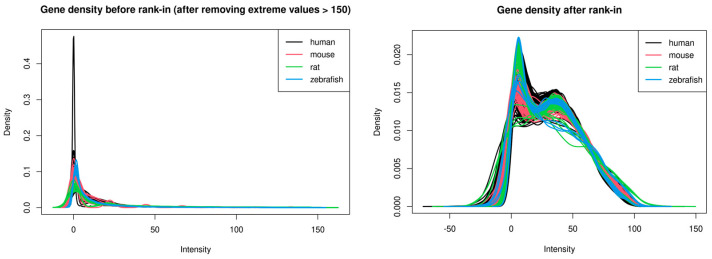 Figure 1
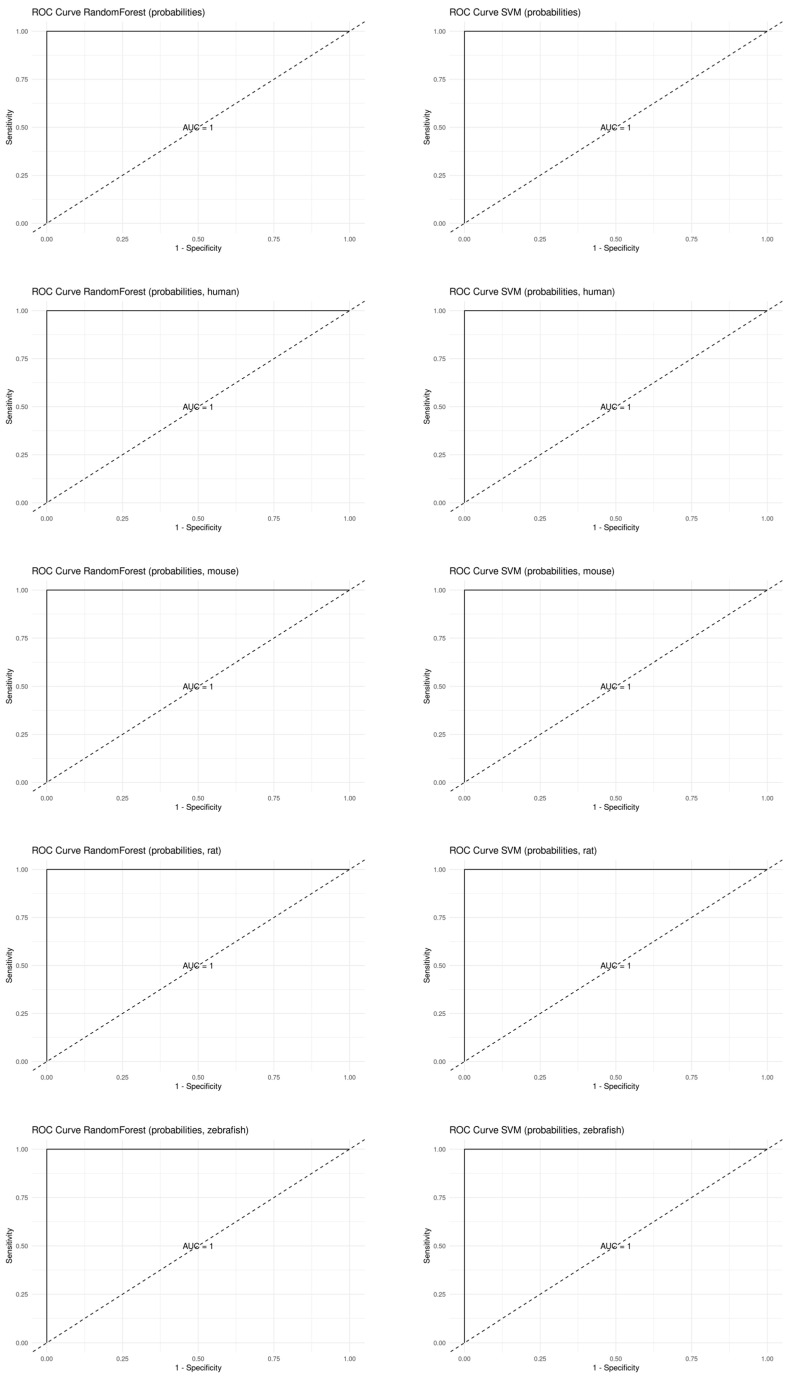 Figure 2
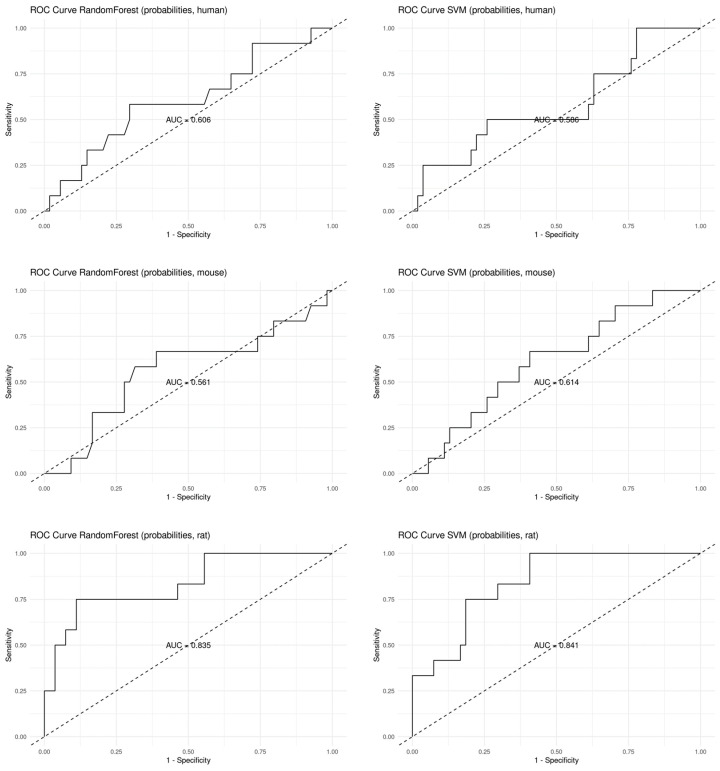 Figure 3
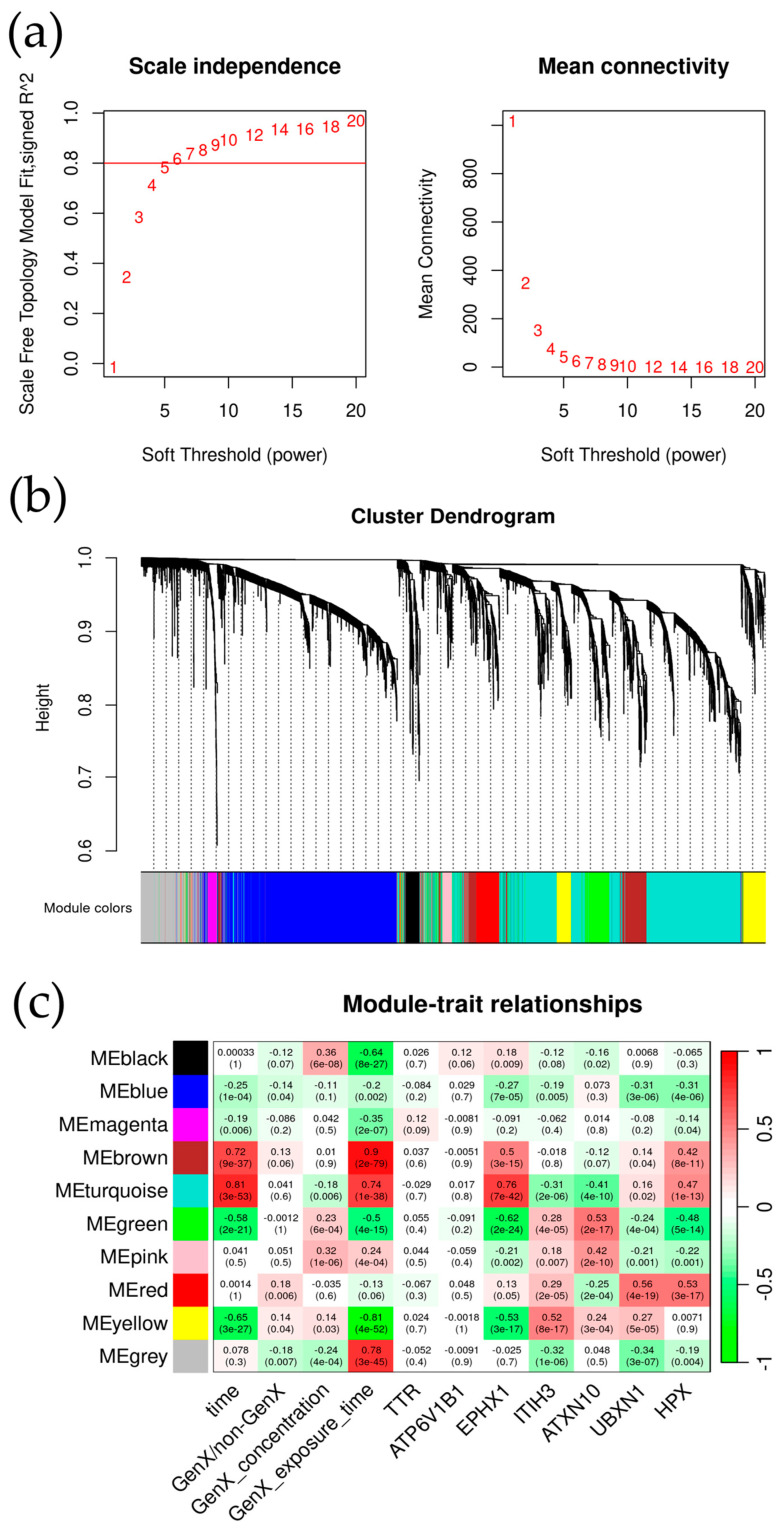 Figure 4
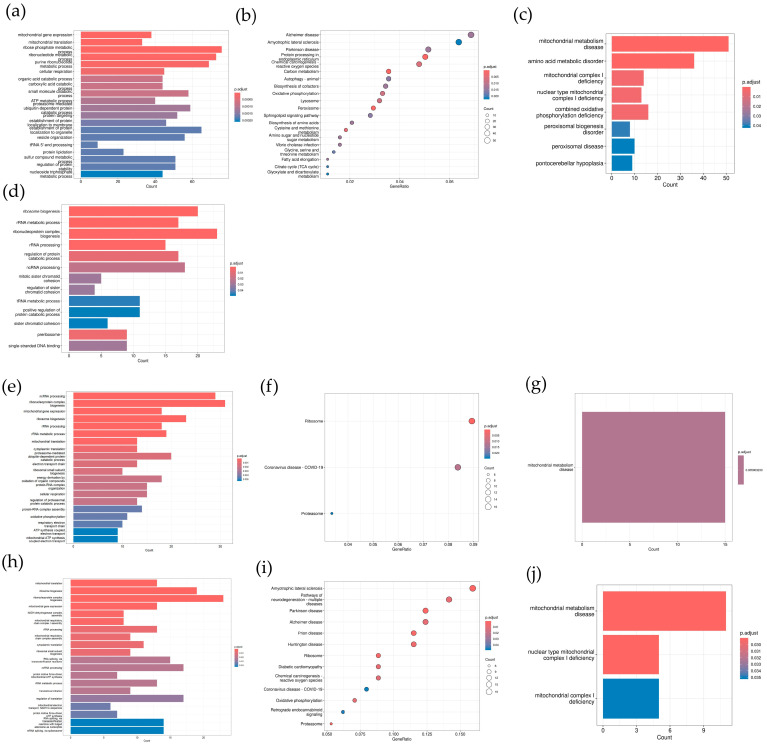 Figure 5
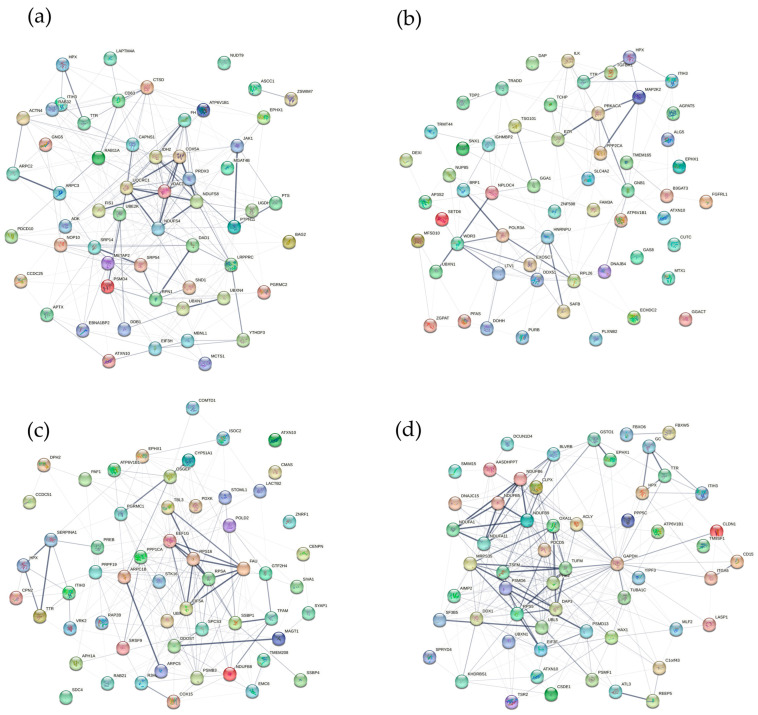 Figure 6
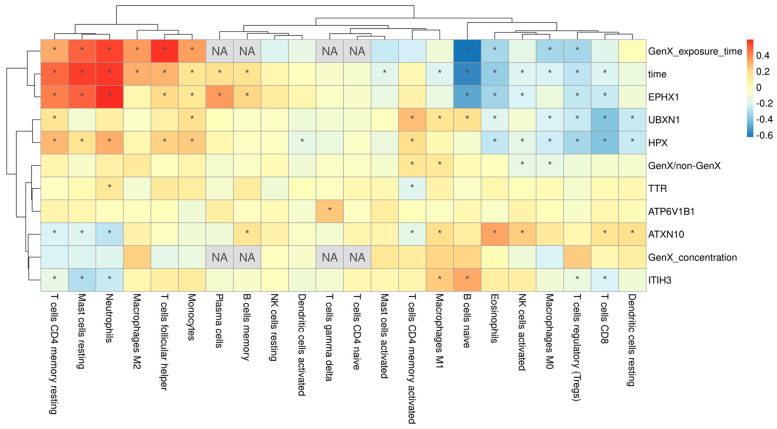 Figure 7
Peer Reviews
No public reviews on file for this paper yet. If you reviewed it on a platform where reviews are public (OpenReview, ICLR, NeurIPS, ICML), you can paste yours below so the community can read it here.
Videos
No videos yet. Explain this paper in a talk, walkthrough, or lecture? Add one.
Taxonomy
TopicsHealth, Environment, Cognitive Aging · Air Quality and Health Impacts · Per- and polyfluoroalkyl substances research