Assessment of PM2.5 Concentration at University Transit Bus Stops Using Low-Cost Aerosol Monitors by Student Commuters
Will Murray, Qiang Wu, Jo Anne G. Balanay, Sinan Sousan

TL;DR
Students used low-cost air monitors to measure PM2.5 levels at university bus stops, finding higher concentrations than county averages, which can help commuters protect their health.
Contribution
This study introduces a student-led method using low-cost sensors to assess PM2.5 exposure at transit stops.
Findings
PM2.5 concentrations at bus stops were higher than county averages.
Low-cost AirBeam monitors correlated with high-cost reference measurements.
The method enables personal exposure assessment for public health awareness.
Abstract
Particulate matter of 2.5 µm and smaller (PM2.5) is known to cause many respiratory health problems, such as asthma and heart disease. A primary source of PM2.5 is emissions from cars, trucks, and buses. Emissions from university transit bus systems could create zones of high PM2.5 concentration at their bus stops. This work recruited seven university students who regularly utilized the transit system to use a low-cost personal aerosol monitor (AirBeam) each time they arrived at a campus bus stop. Each participant measured PM2.5 concentrations every time they were at a transit-served bus stop over four weeks. PM2.5 concentration data from the AirBeam were compared with an ADR-1500 high-cost monitor and EPA PM2.5 reference measurements. This methodology allowed for identifying higher-than-average concentration zones at the transit bus stops compared to average measurements for the…
Genes, proteins, chemicals, diseases, species, mutations and cell lines named across the full text — each resolved to its canonical identifier and authoritative record.
Click any figure to enlarge with its caption.
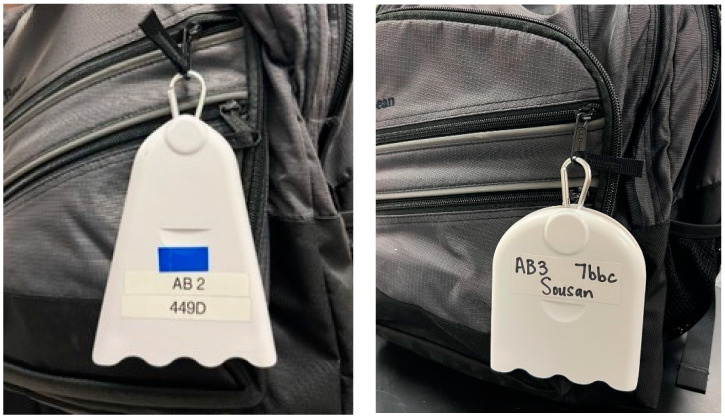 Figure 1
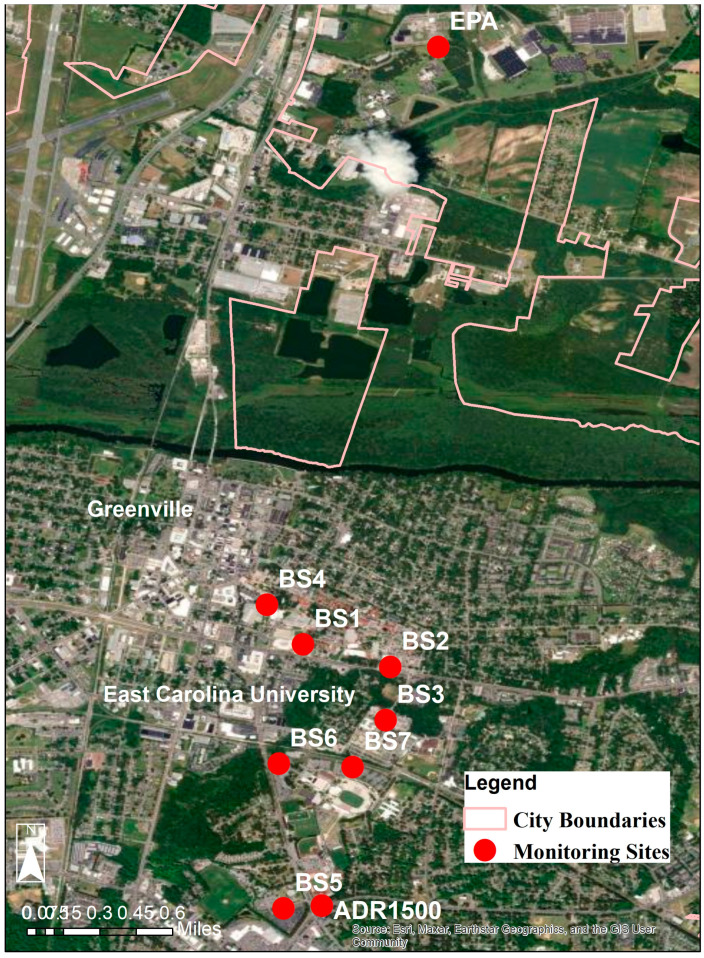 Figure 2
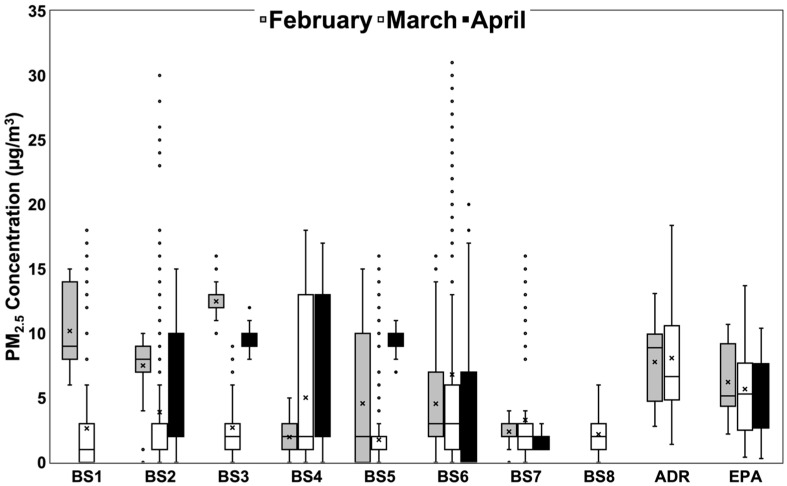 Figure 3
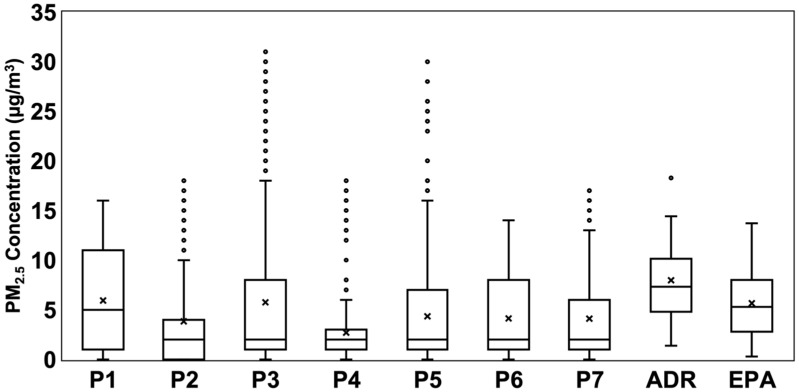 Figure 4
Peer Reviews
No public reviews on file for this paper yet. If you reviewed it on a platform where reviews are public (OpenReview, ICLR, NeurIPS, ICML), you can paste yours below so the community can read it here.
Videos
No videos yet. Explain this paper in a talk, walkthrough, or lecture? Add one.
Taxonomy
TopicsAir Quality Monitoring and Forecasting · Air Quality and Health Impacts · Vehicle emissions and performance