Detection of Lowering in Sport Climbing Using Orientation- Based Sensor-Enhanced Quickdraws: A Preliminary Investigation
Sadaf Moaveninejad, Andrea Janes, Camillo Porcaro

TL;DR
This paper introduces a privacy-preserving method to detect when climbers descend using sensor-equipped quickdraws in climbing gyms.
Contribution
A novel sensor-enhanced quickdraw system that detects lowering without cameras, using energy-efficient orientation data and machine learning.
Findings
Accelerometer data from quickdraws can detect orientation patterns during descent.
A supervised machine learning approach successfully identifies lowering events.
Multidisciplinary feature engineering improves performance and simplifies implementation.
Abstract
Climbing gyms aim to continuously improve their offerings and make the best use of their infrastructure to provide a unique experience for their clients, the climbers. One approach to achieve this goal is to track and analyze climbing sessions from the beginning of the ascent until the climber’s descent. Detecting the climber’s descent is crucial because it indicates when the ascent has ended. This paper discusses an approach that preserves climber privacy (e.g., not using cameras) while considering the convenience of climbers and the costs to the gyms. To this aim, a hardware prototype has been developed to collect data using accelerometer sensors attached to a piece of climbing equipment mounted on the wall, called a quickdraw, which connects the climbing rope to the bolt anchors. The sensors are configured to be energy-efficient, making them practical in terms of expenses and time…
Genes, proteins, chemicals, diseases, species, mutations and cell lines named across the full text — each resolved to its canonical identifier and authoritative record.
Click any figure to enlarge with its caption.
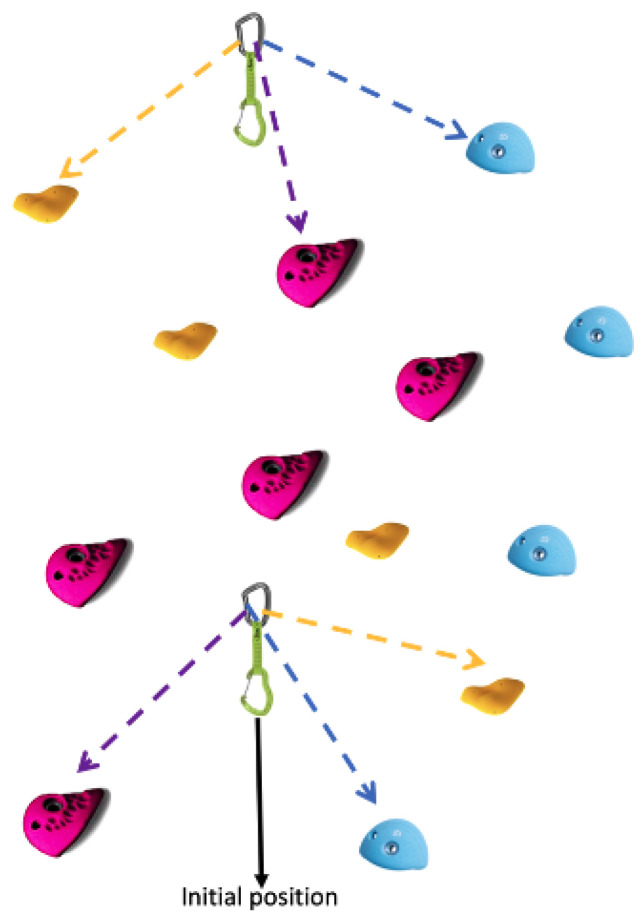 Figure 1
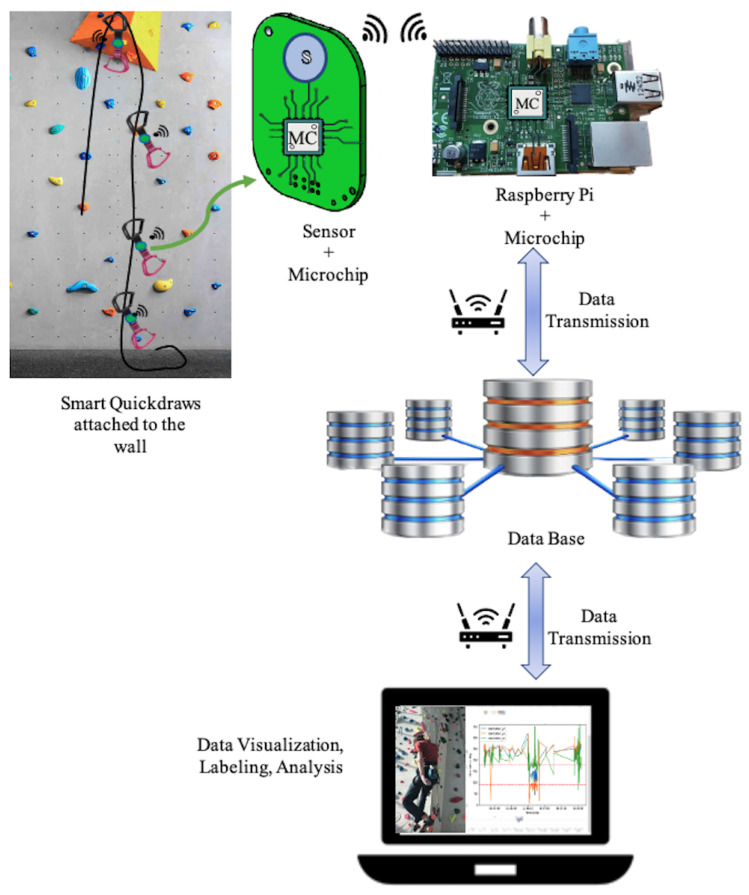 Figure 2
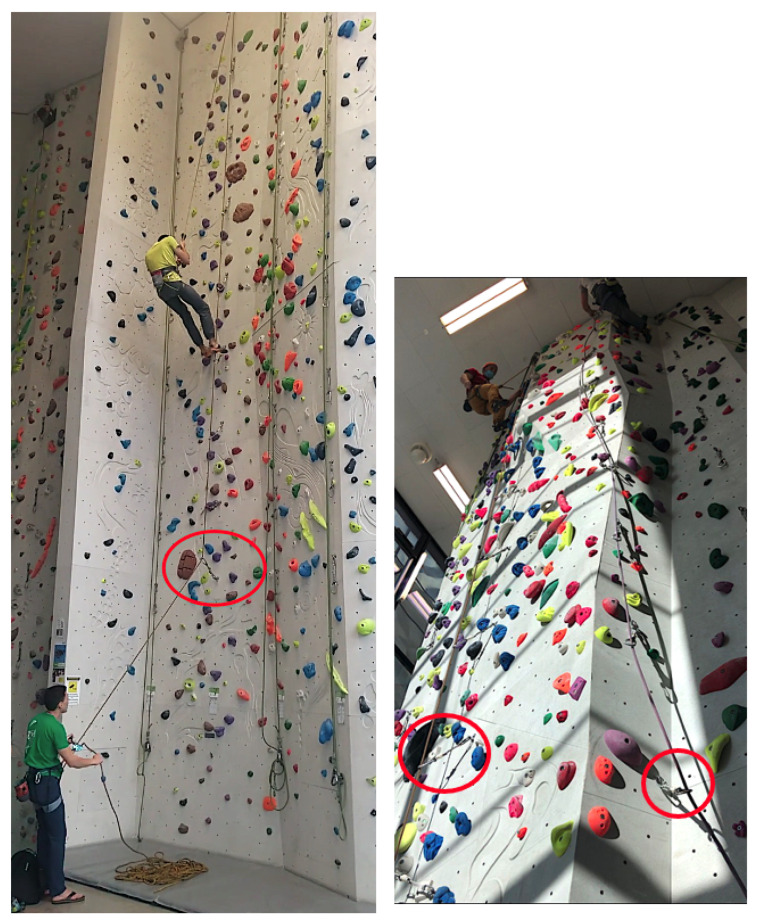 Figure 3
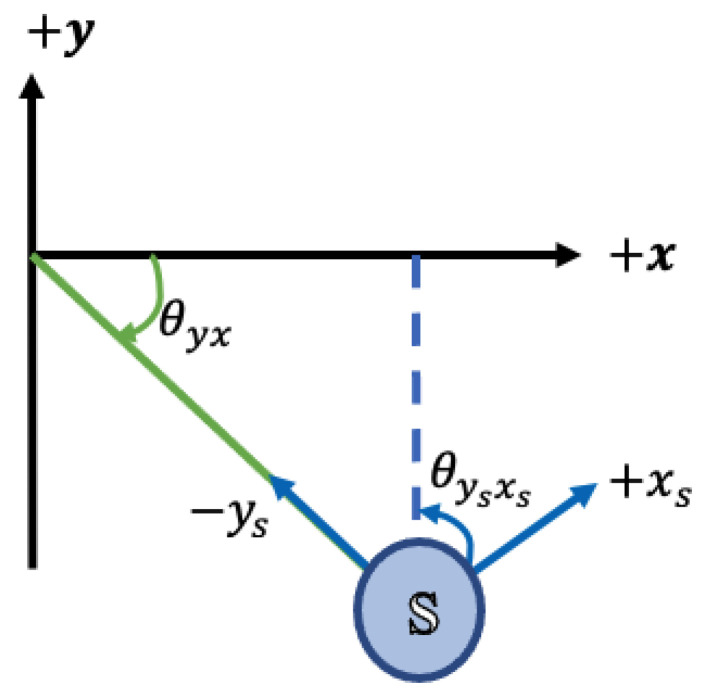 Figure 4
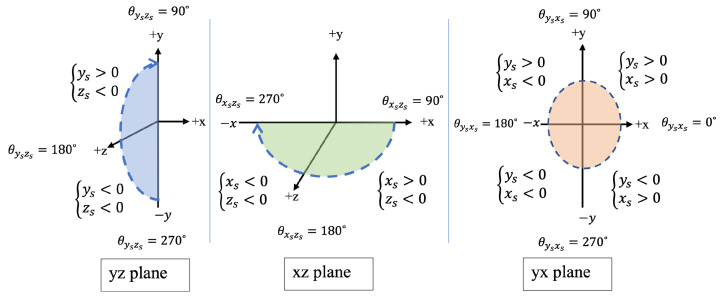 Figure 5
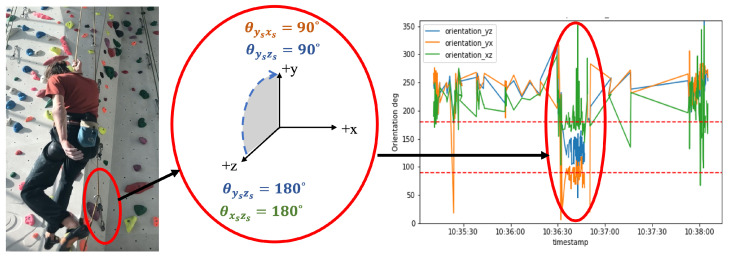 Figure 6
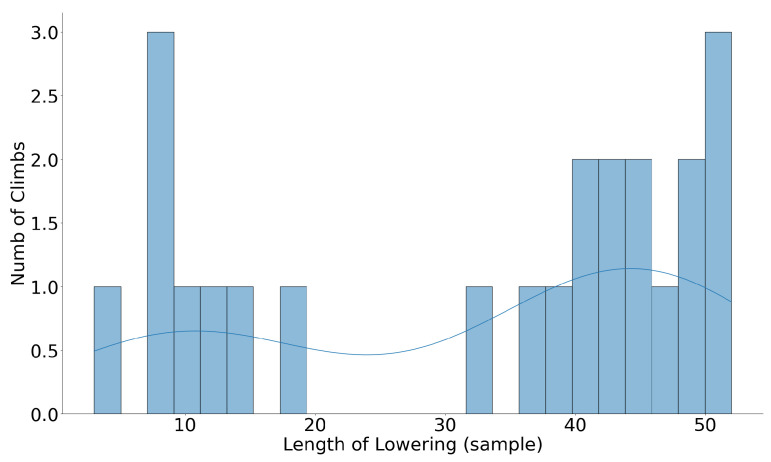 Figure 7
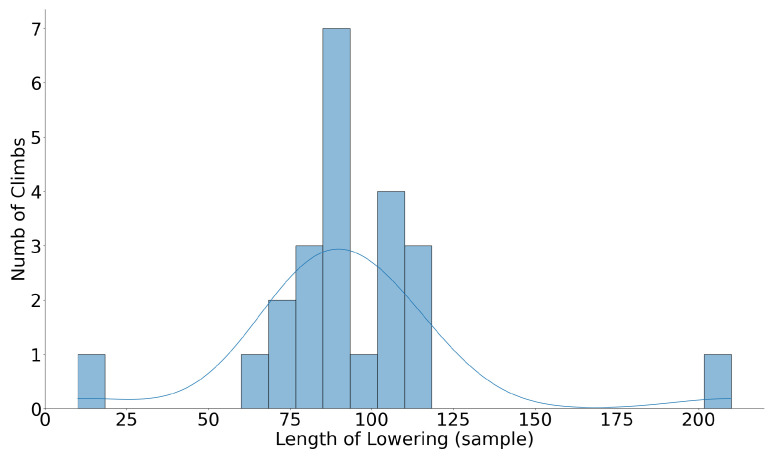 Figure 8
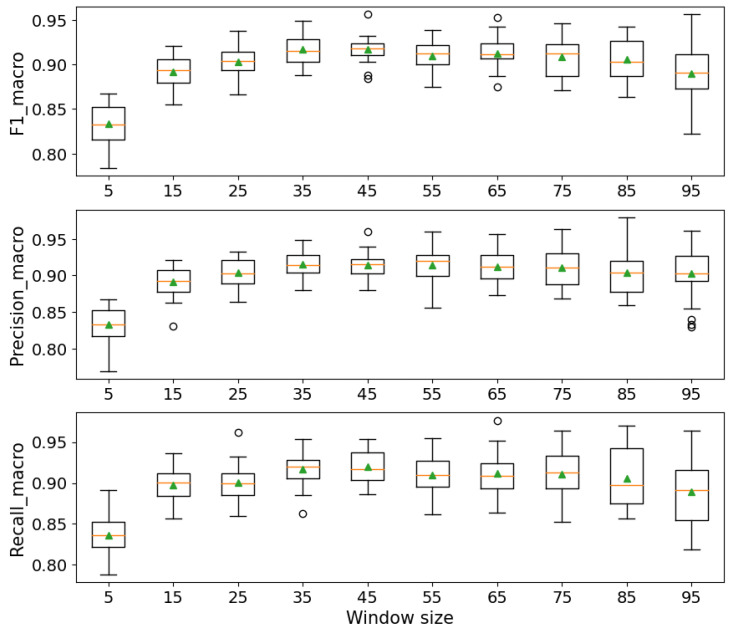 Figure 9
Peer Reviews
No public reviews on file for this paper yet. If you reviewed it on a platform where reviews are public (OpenReview, ICLR, NeurIPS, ICML), you can paste yours below so the community can read it here.
Videos
No videos yet. Explain this paper in a talk, walkthrough, or lecture? Add one.
Taxonomy
TopicsAnomaly Detection Techniques and Applications · Gait Recognition and Analysis · Winter Sports Injuries and Performance