Optimization of Photothermal Catalytic Reaction of Ethyl Acetate and NO Catalyzed by Biochar-Supported MnOx-TiO2 Catalysts
Hongqiang Wang, Huan Zhang, Luye Wang, Shengpeng Mo, Xiaobin Zhou, Yinian Zhu, Zongqiang Zhu, Yinming Fan

TL;DR
Scientists developed a new catalyst using biochar and metal oxides to efficiently remove ethyl acetate and NO pollutants under light.
Contribution
A novel biochar-supported MnOx-TiO2 catalyst is introduced for photothermal catalytic removal of VOCs and NO.
Findings
The 700-12-3GN catalyst achieved 73.66% NO and 62.09% ethyl acetate conversion at 300 mg loading.
Higher Mn4+ and Ti4+ concentrations correlate with better catalytic performance.
Pore volume and BJH pore size are more critical than surface area for catalytic activity.
Abstract
The substitution of ethyl acetate for ammonia in NH3-SCR provides a novel strategy for the simultaneous removal of VOCs and NO. In this study, three distinct types of biochar were fabricated through pyrolysis at 700 °C. MnOx and TiO2 were sequentially loaded onto these biochar substrates via a hydrothermal process, yielding a family of biochar-based catalysts with optimized dosages. Upon exposure to xenon lamp irradiation at 240 °C, the biochar catalyst designated as 700-12-3GN, derived from Ginkgo shells, demonstrated the highest catalytic activity when contrasted with its counterparts prepared from moso bamboo and loofah. The conversion efficiencies for NO and ethyl acetate (EA) peaked at 73.66% and 62.09%, respectively, at a catalyst loading of 300 mg. The characterization results indicate that the 700-12-3GN catalyst exhibits superior activity, which can be attributed to the higher…
Genes, proteins, chemicals, diseases, species, mutations and cell lines named across the full text — each resolved to its canonical identifier and authoritative record.
Click any figure to enlarge with its caption.
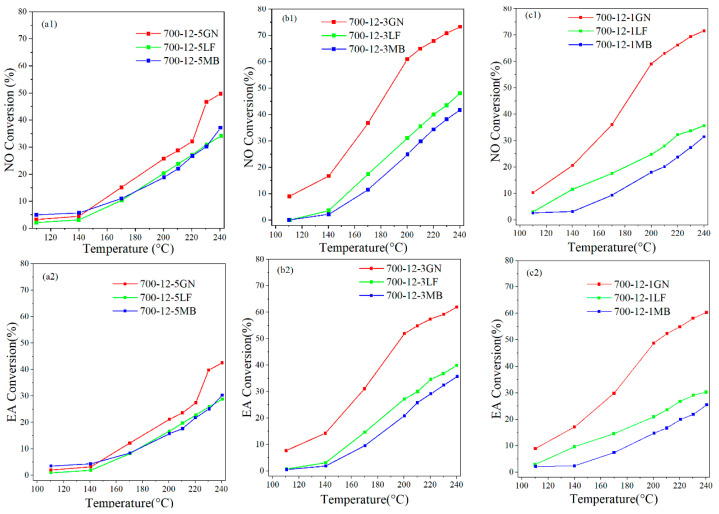 Figure 1
 Figure 2
 Figure 3
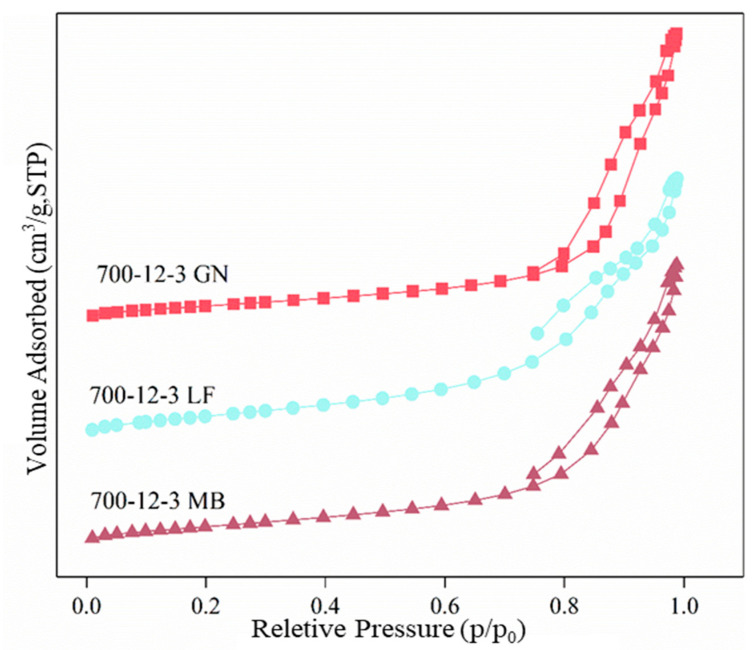 Figure 4
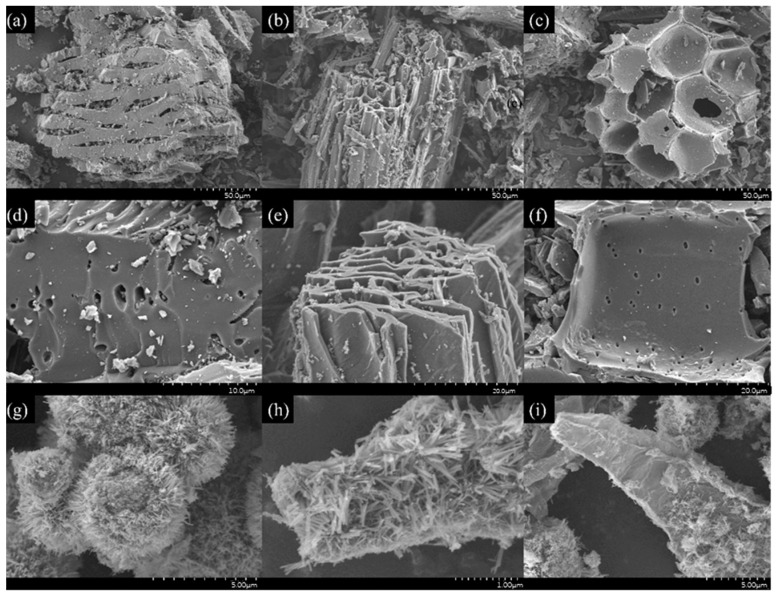 Figure 5
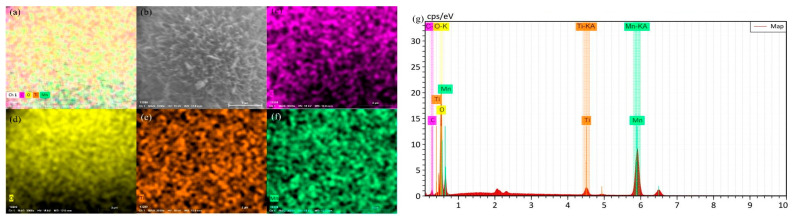 Figure 6
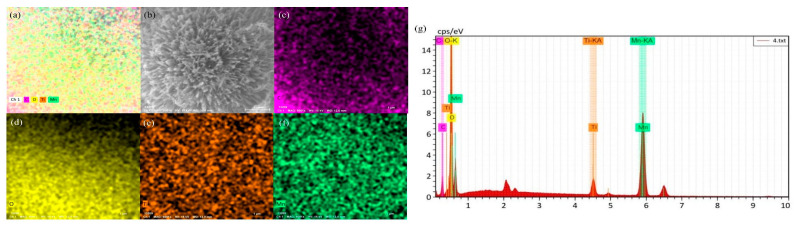 Figure 7
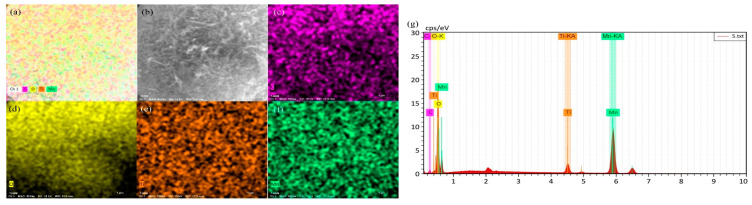 Figure 8
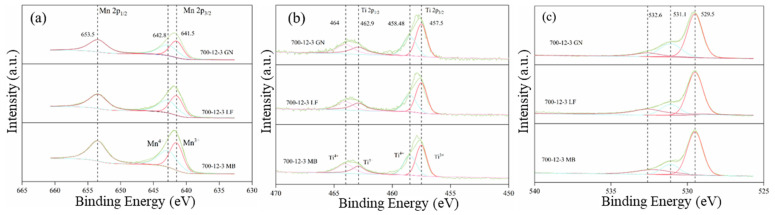 Figure 9
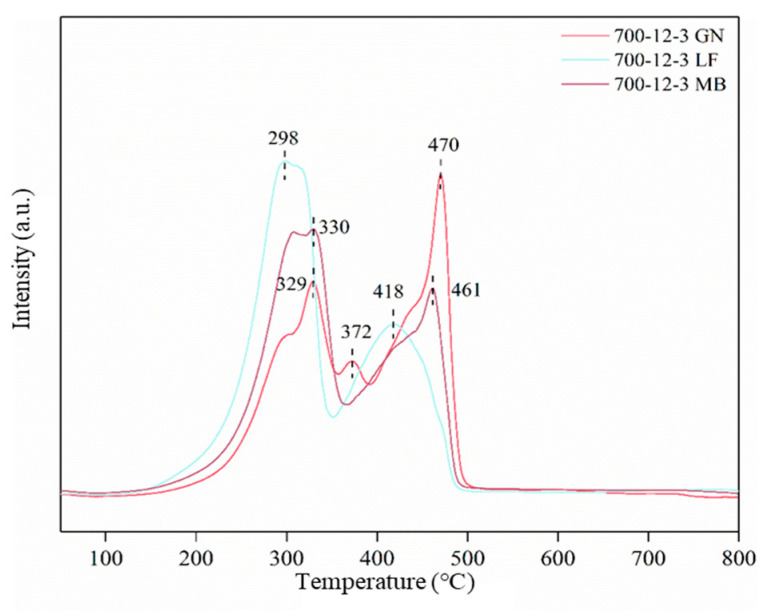 Figure 10
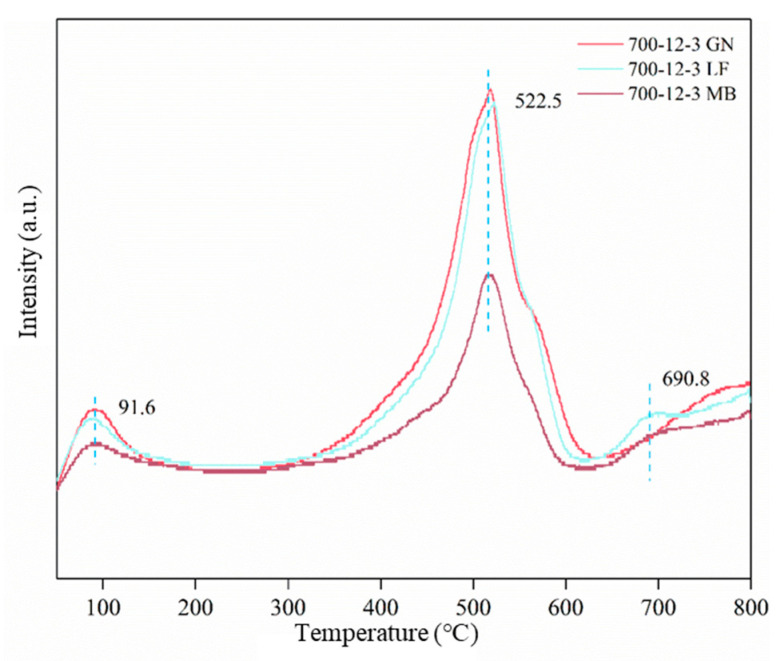 Figure 11
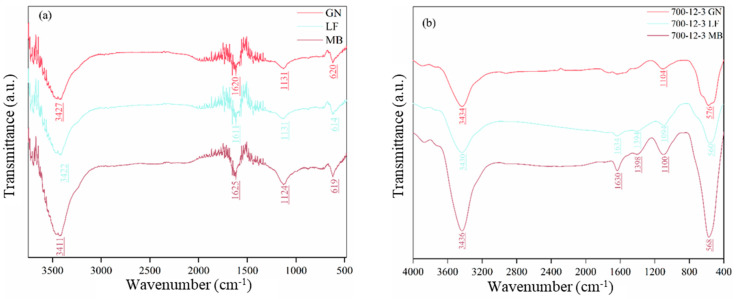 Figure 12
Peer Reviews
No public reviews on file for this paper yet. If you reviewed it on a platform where reviews are public (OpenReview, ICLR, NeurIPS, ICML), you can paste yours below so the community can read it here.
Videos
No videos yet. Explain this paper in a talk, walkthrough, or lecture? Add one.
Taxonomy
TopicsComparative Literary Analysis and Criticism · Latin American Literature Studies · Spanish Culture and Identity