Single Image Super-Resolution via Wide-Activation Feature Distillation Network
Zhen Su, Yuze Wang, Xiang Ma, Mang Sun, Deqiang Cheng, Chao Li, He Jiang

TL;DR
This paper introduces a new network for improving image resolution by combining features from two paths and enhancing detail quality.
Contribution
The novel wide-activation feature distillation network (WFDN) uses dual-path learning and a gated fusion mechanism for better image super-resolution.
Findings
WFDN outperforms state-of-the-art methods in image reconstruction on four benchmark datasets.
The network produces images with richer textures, realistic lines, and clearer structures.
The feature distillation block enables fast training and low parameter usage.
Abstract
Feature extraction plays a pivotal role in the context of single image super-resolution. Nonetheless, relying on a single feature extraction method often undermines the full potential of feature representation, hampering the model’s overall performance. To tackle this issue, this study introduces the wide-activation feature distillation network (WFDN), which realizes single image super-resolution through dual-path learning. Initially, a dual-path parallel network structure is employed, utilizing a residual network as the backbone and incorporating global residual connections to enhance feature exploitation and expedite network convergence. Subsequently, a feature distillation block is adopted, characterized by fast training speed and a low parameter count. Simultaneously, a wide-activation mechanism is integrated to further enhance the representational capacity of high-frequency…
Genes, proteins, chemicals, diseases, species, mutations and cell lines named across the full text — each resolved to its canonical identifier and authoritative record.
Click any figure to enlarge with its caption.
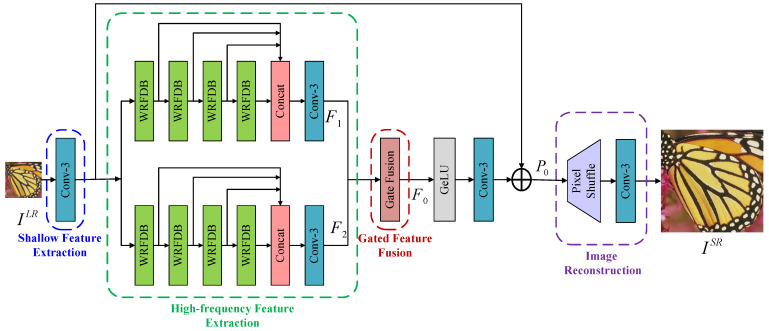 Figure 1
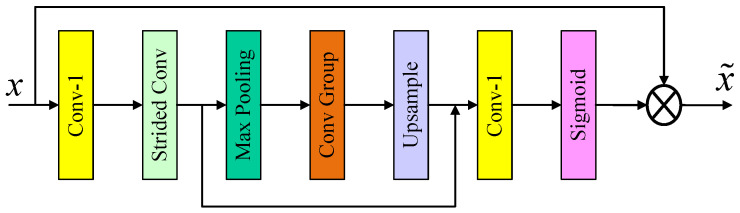 Figure 2
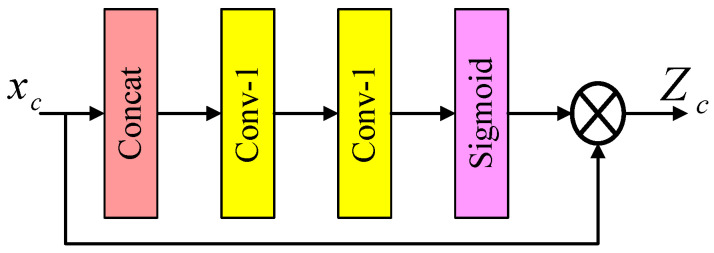 Figure 3
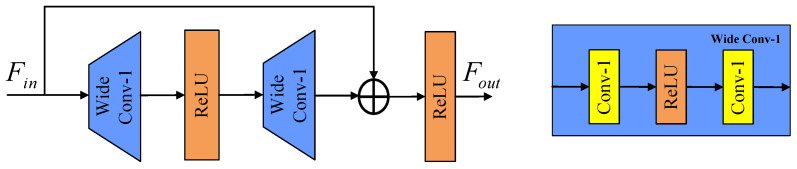 Figure 4
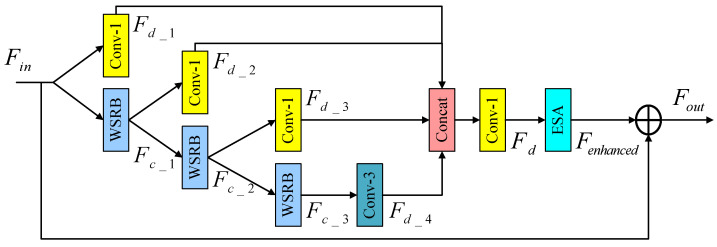 Figure 5
 Figure 6
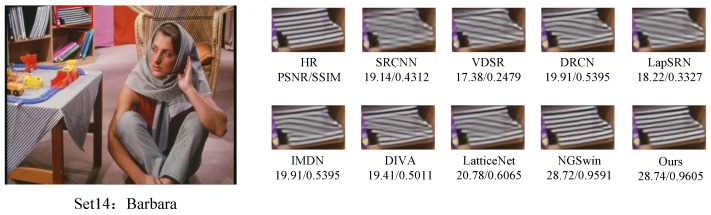 Figure 7
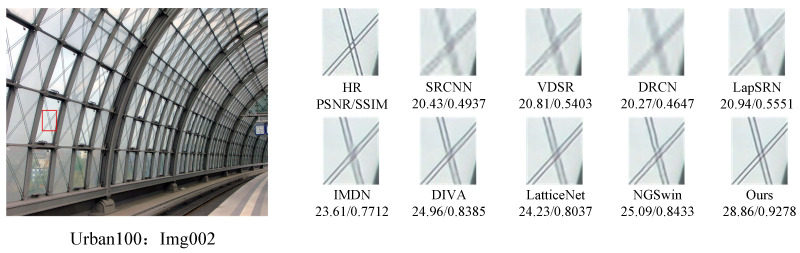 Figure 8
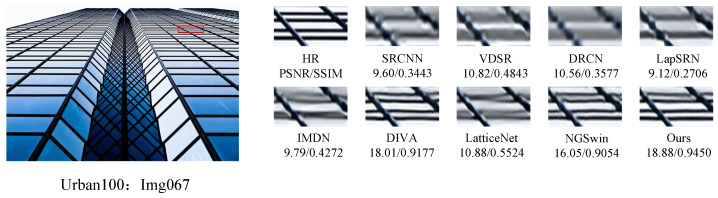 Figure 9
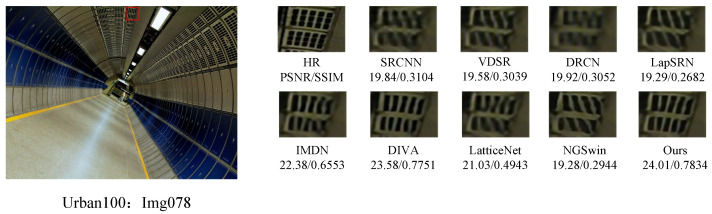 Figure 10
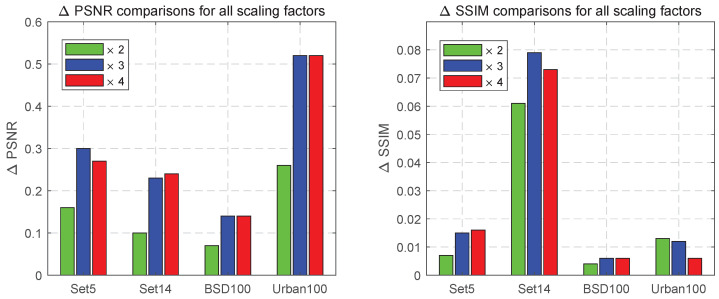 Figure 11
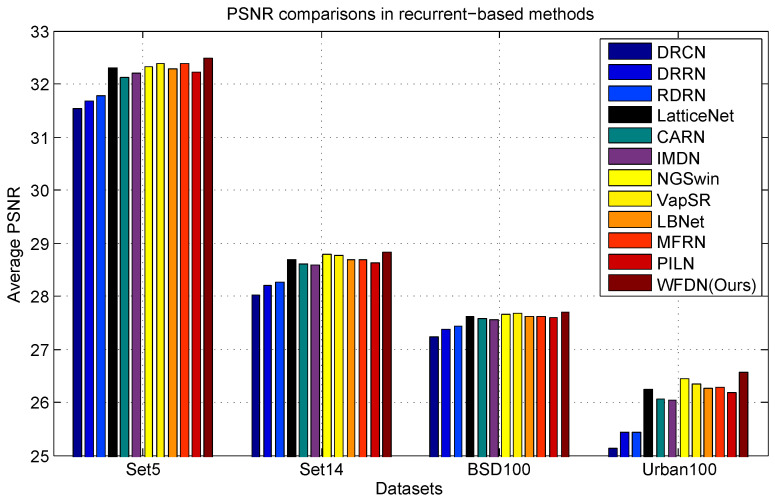 Figure 12
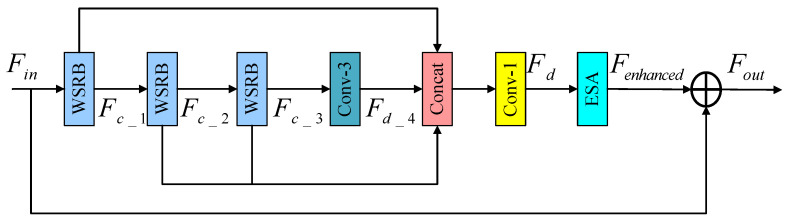 Figure 13
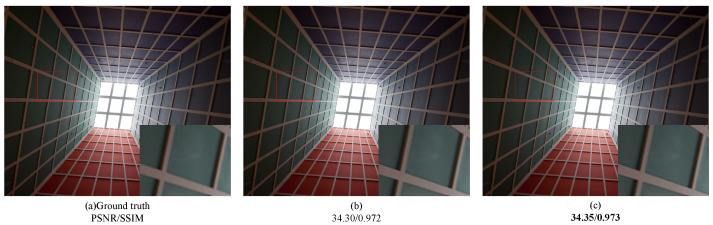 Figure 14
Peer Reviews
No public reviews on file for this paper yet. If you reviewed it on a platform where reviews are public (OpenReview, ICLR, NeurIPS, ICML), you can paste yours below so the community can read it here.
Videos
No videos yet. Explain this paper in a talk, walkthrough, or lecture? Add one.
Taxonomy
TopicsAdvanced Image Processing Techniques · Advanced Vision and Imaging · Image and Signal Denoising Methods