Electrospinning Polyvinyl Alcohol Reinforced with Chitin: The Effect of the Degree of Acetylation
Andres Krumme, James D. Mendez

TL;DR
This paper studies how changing the acetylation level of chitin affects the strength of PVA-chitin nanocomposites made via electrospinning.
Contribution
The study shows that the degree of chitin acetylation strongly influences composite mechanical properties, more than filler amount or distribution.
Findings
Higher chitin acetylation increases Young’s Modulus of PVA-chitin fiber mats.
Lower acetylation levels do not improve mechanical properties due to weaker fiber bonding.
Chitin acetylation level is a key factor in composite formation and performance.
Abstract
Nanocomposites made via electrospinning were constructed of polyvinyl alcohol (PVA) and chitin. Chitin was extracted from a natural source (Fomes fomentarius), which allowed for precise control of the chemical properties of the resulting material. Chitin was chosen as a filler due to its low cost and widespread availability. Increasing the degree of acetylation of the chitin increased the Young’s Modulus of the resulting fiber mats but only at relatively high levels. While composites at lower acetylation levels were stable, no increase in the Young’s Modulus was observed, presumably due to decreased intermolecular bonding among fibers. The results suggest that precise control of the degree of acetylation of chitin, more than the loading amount and dispersibility, significantly impacts composite formation.
Genes, proteins, chemicals, diseases, species, mutations and cell lines named across the full text — each resolved to its canonical identifier and authoritative record.
Click any figure to enlarge with its caption.
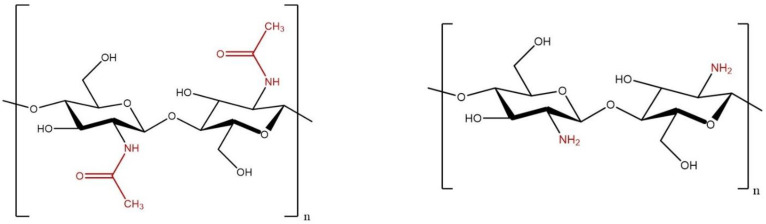 Figure 1
 Figure 2
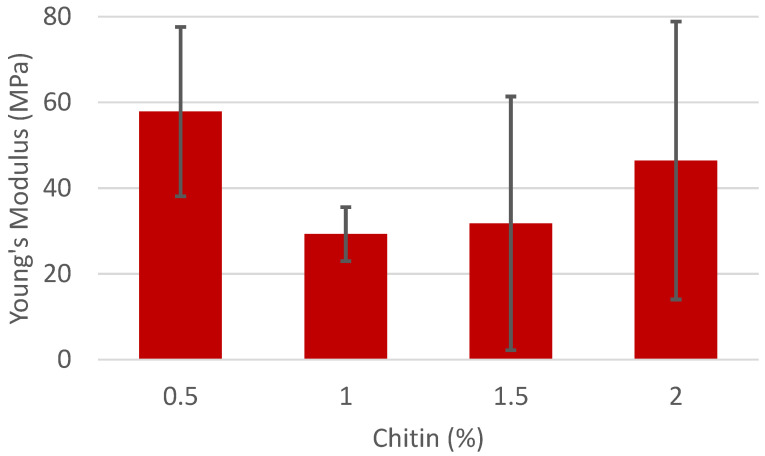 Figure 3
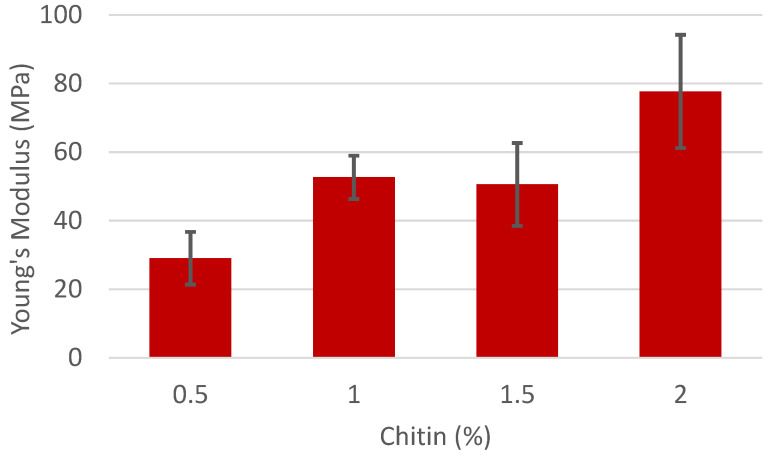 Figure 4
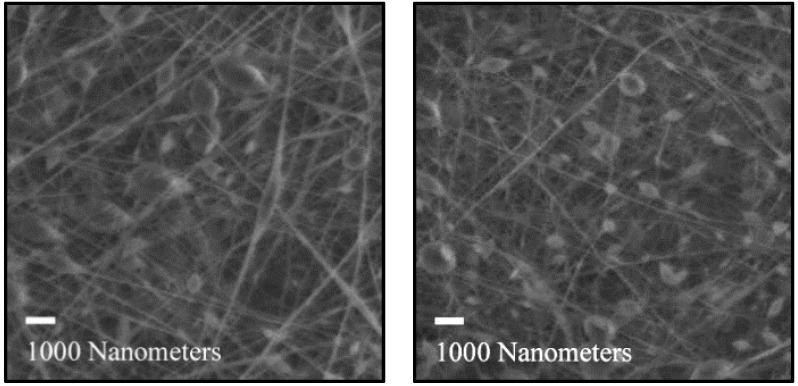 Figure 5
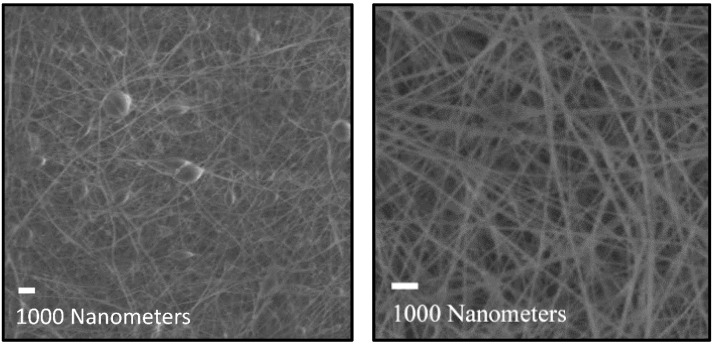 Figure 6
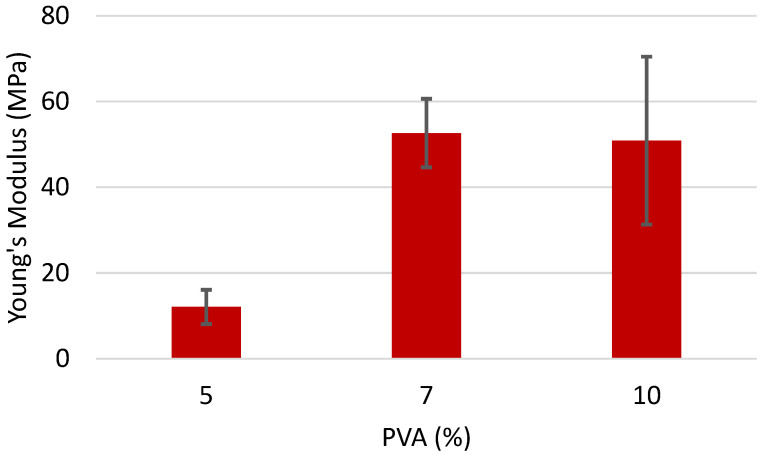 Figure 7
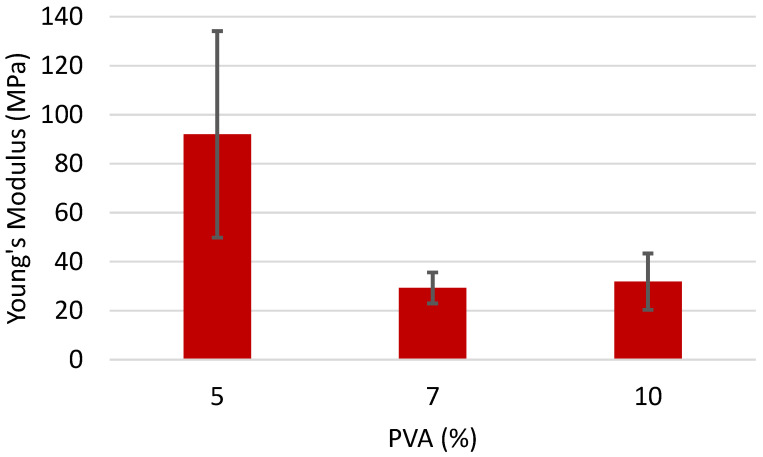 Figure 8
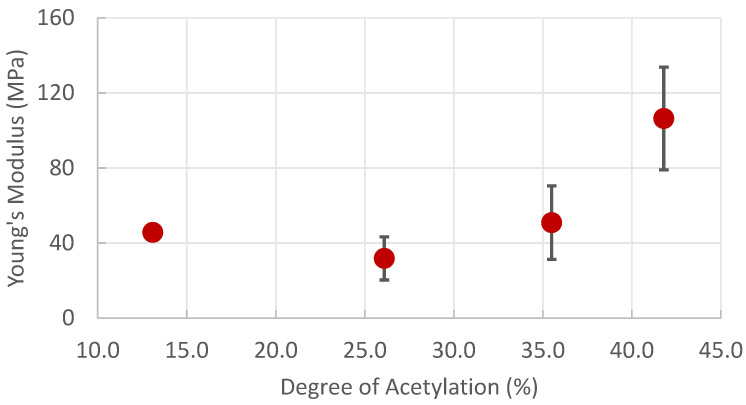 Figure 9
Peer Reviews
No public reviews on file for this paper yet. If you reviewed it on a platform where reviews are public (OpenReview, ICLR, NeurIPS, ICML), you can paste yours below so the community can read it here.
Videos
No videos yet. Explain this paper in a talk, walkthrough, or lecture? Add one.
Taxonomy
TopicsElectrospun Nanofibers in Biomedical Applications · Advanced Sensor and Energy Harvesting Materials · Conducting polymers and applications